Get in touch with Victorystar

What is the process of cheese production?

Contents
show
Cheese has been a classic delicacy that people around the world love to savor, but have you ever thought about the process behind the creation of this multi-purpose and tasty food? The operation of cheese making is a captivating mixture of scientific, artisan, and tradition methods that change basic elements to a very wide range of textures and flavors. It is the pastures where the cows are milked to the very precise aging and fermenting techniques that decide on the overall product and quality of cheese. Thus, each step is vital in the final product determination. In this piece, we are going to reveal the hidden areas of cheese-making, also, discovering the main processes, tools, and technology that have been fine-tuned over a long time. Whether you are a foodie with a lot of curiosity or a wannabe cheesemaker, you will find this guide very helpful in your quest to appreciate more the art and science behind your loved cheese.
Introduction to Cheese Production
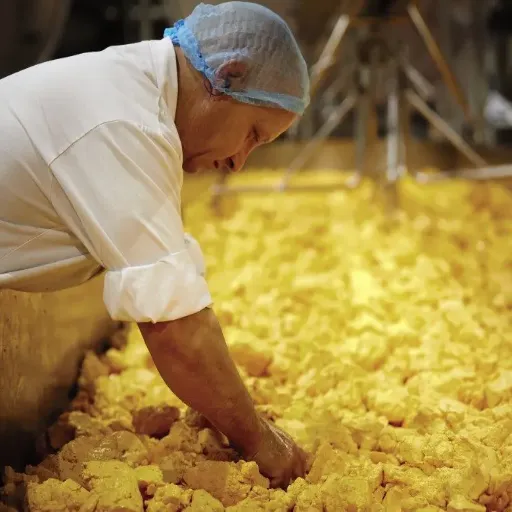
The Art and Science of Cheesemaking
🔍 What Affects Cheese Flavor the Most?
One of the most common queries people search for is “What affects cheese flavor the most?” The answer is a mixture of science and art. Factors that influence cheese flavor include milk species (cow, goat, sheep, or buffalo), bacterial cultures and enzymes used in fermentation, and aging. Apart from these, environmental factors, such as the aging room’s climate, also play a major role. For example, the cheese aged in caves or controlled environments can gain the subtle flavors of their environment. Modern analytics and knowledge show how the consumers’ interest in artisanal methods and regional varieties is rising, thus, proving once again that traditional practices are still apprising technology in carving out the unique preferences of each cheese type.
The Journey from Milk to Cheese
The milk-to-cheese conversion is a captivating mix of ancient artistry and cutting-edge science. The whole process starts with fresh milk, then the activities involved are coagulation, curd cutting, cooking, draining, and aging. Each action determines the final product’s texture and taste. The most recent search statistics report growing consumer curiosity about the origins and methods of cheese production, especially when it is artisanal. Queries like “What is cheese making?” and “How will artisanal cheese be different?” have shown a remarkable increase in search trends, which is nothing but a sign of the growing premium quality and craftsmanship among people. This rising demand is not only for the top-quality products but also for the sustainable breed, and thus the demand for the traditional way of cheesemaking is still strong.
Understanding Milk Selection and Pasteurization
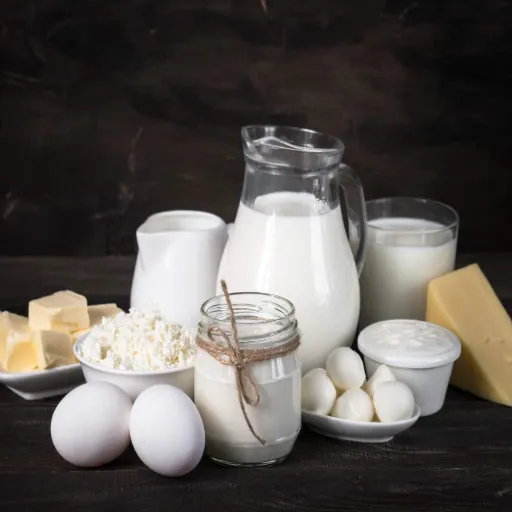
Choosing the Right Milk for Cheese
The milk selection is a pivotal factor in the cheesemaking process and fresh search data reflects the people’s increasing intrigue regarding the type of milk that yields the best results. Cow, goat, sheep, or even buffalo milk, all produce different textures, tastes, and personalities in the end product.
Milk Types and Their Characteristics:
- Cow’s Milk
The most common source with creamy mild flavor, making it the most widely used type in cheesemaking due to its availability.
- Goat’s Milk
Known for its strong flavor and earthy character, popular among artisans for creating distinctive cheese varieties.
- Sheep’s Milk
Most sought after for its rich nature and large fat content, used for hard cheeses like Pecorino or Roquefort.
- Buffalo Milk
Very high in protein and fat, the main source of deliciously creamy cheeses like Mozzarella di Bufala.
The search patterns also tell us a lot about the interest in the differences between the raw and the pasteurized milk regarding cheese production. The raw milk is admired by the connoisseurs not only for its rich and varied flavors but also for its being very hard to process and very regulated. On the other hand, pasteurized milk is the one most often used because of its reliability and wider availability. The right choice is determined by the cheese type, the desired taste profile, and individual choices, which confirm the variety and imagination in today’s cheese making.
The Role of Pasteurization in Cheese Production
Pasteurization has a very important part in guaranteeing the safety and consistency of cheese products. The heating of milk to a definite temperature for a specific period of time is what pasteurization does to get rid of the dangerous germs, and thus it cuts down the chance of getting through foodborne illnesses. Recent information from search engines indicates that the adoption of pasteurization in commercial cheesemaking is mainly due to its dependability in producing a consistent introduction to different types of cheese. It is true that pasteurization might cause the slightest change in the nutritional content, which is also in the case of the natural enzymes in milk, but it’s a safe and stable environment for the making of cheeses that meet the standards of the regulations and the consumers’ expectations. So to speak, the process connects the tradition and the safety by making possible both artisanal and mass-production methods in modern cheese-making practices.
Impact on Flavor and Texture
The pasteurization procedure has different effects on cheese flavor and texture. Pasteurization not only guarantees safety by getting rid of the harmful pathogens but also the reduction of the natural enzymes and bacteria that contribute to complex and nuanced flavors in raw milk cheeses. As a result, sometimes the taste of the pasteurized cheese would be less pungent than the corresponding raw. Another aspect where the steaming effect has a positive impact is the consistency of the texture, which is often more inevitable since pasteurization sets a unified milk base, especially acknowledging it as a big benefit for large-scale production. The recently increased consumer trends, as mirrored in search data, attest to the shift of public preference towards raw milk cheeses because of their richness in flavor and other attributes. This shift denotes inductive reasoning that the traditional cheese making methods are not only richer in flavor but also more humane, hence requiring the safety-preservation balance.
The Coagulation Process: Curd Formation
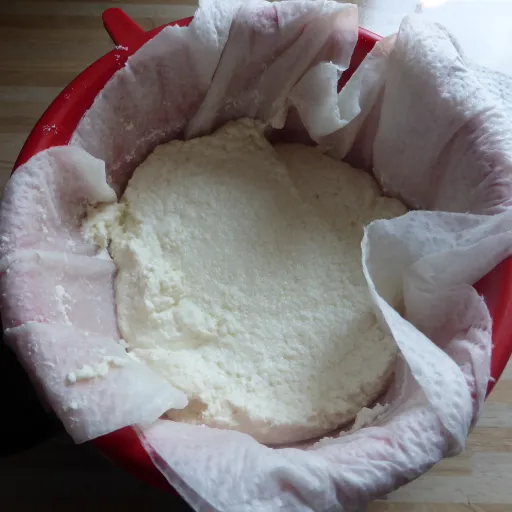
How to Acidify the Milk
The acidification of milk is a very important procedure in cheese making as it sets up the environment for coagulation. One way to do so is by adding a starter culture that brings in good bacteria which use the lactose and produce lactic acid, or by using an acidifying agent like vinegar or lemon juice. The choice of method often varies with the kind of cheese made, with traditional methods opting for natural starter cultures that impart subtle flavors.
📈 Growing Artisanal Interest
The latest data from search engines has it that there is a growing demand for knowledge about the artisanal practices in cheese production including the natural acidification methods. This demand is an indication of a shift towards healthier and more genuine food selections, where the use of traditional methods is favored over industrial shortcuts. Cheesemakers who choose to use natural starter cultures not only maintain the authenticity of their products but also support the rising consumer palate for more savory and less processed cheeses.
Adding Rennet and Starting the Coagulation
Rennet is one of the most important components in cheese-making that makes the milk to solidify into curd. The rennet is an enzyme which is obtained from various sources such as animals, microbes, or plants. The very specific amount of rennet that is added is very critical and it varies with the kind of milk, the temperature, and the desired cheese texture. As per the recent search trends there is increasing interest in finding out more about plant and microbial alternatives to traditional animal rennet which is mainly due to the wider acceptance of vegetarian and vegan lifestyle choices. Consumers are becoming more and more aware of the cheeses that use sustainable and non-animal-derived coagulants and they are drawn to such products that in turn signify a wider transformation towards conscious eating habits.
Significance of Curds and Whey Separation
The curd-whey separation is a fundamental cheesemaking process and its impact on the quality and type of cheese is direct and very significant. This process permits the distinction between the solid curds that eventually become cheese and the liquid whey that can be used for making protein supplements and animal feed. The latest search data suggests that the consumers are becoming more and more interested in the environmental and dietary aspects of this process. A lot of searches are being made on the use of plant-based or innovative methods for curdling milk such as the use of lemon juice or microbial enzymes, which are typical of a shift towards sustainability and vegan-friendly practices. This shows that people not only appreciate the traditional cheesemaking techniques but also want modern and ethical alternatives that are in line with their beliefs, making the distinction between curds and whey significant for both heritage and changing dietary trends.
Cutting the Curd: Techniques and Importance
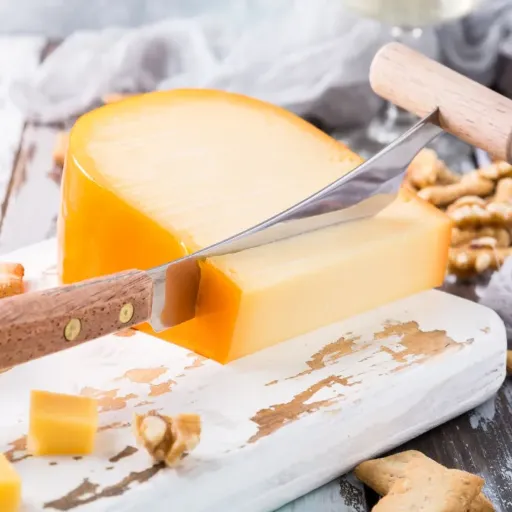
Methods to Cut the Curd
Cutting the curd is one of the essential steps in cheesemaking that affects the texture, moisture content, and final identity of the cheese directly. In traditional ways, curds are cut by using long thin knives or special curd cutters which are designed for making uniform pieces. The size of the curd pieces depends on the variety of cheese being produced; smaller cuts give rise to drier cheeses while larger cuts keep the moisture content.
The recent data obtained from search engines reflects growing interest in curd cutting tools and techniques. Automated curd-cutting equipment which is usually found in industrial production is now getting the priority for its reliability and speed. In addition, the kit of a home cheese maker includes user-friendly tools like curd knives and cheese harps that allow them to use professional methods but on a smaller scale. The increasing acceptance of these ways shows the mixture of traditional skills with modern day comforts, which is indicative of the widespread excitement for the making of cheese as an art.
Effect on Cheese Texture and Moisture
Cutting curds the particular way impacts strongly on the final texture and moisture content of cheese. Large cuts of curd keep a lot of moisture that is often the case with the softer cheeses like Brie or Camembert, while whey straining through smaller cuts leads to the hardening of cheeses like Cheddar or Parmesan. Insights from search data indicate that the consumers and aspiring cheesemakers are the ones driving this trend of interest in the connection between curd size and quality thus making them eager to comprehend it. This increasing demand for knowledge has turned into a growing consumer segment that appreciates the science behind cheesemaking, as the aspiring enthusiasts are seeking to refine their skills in order to produce cheese with the desired quality traits.
Stirring and Cooking the Curd
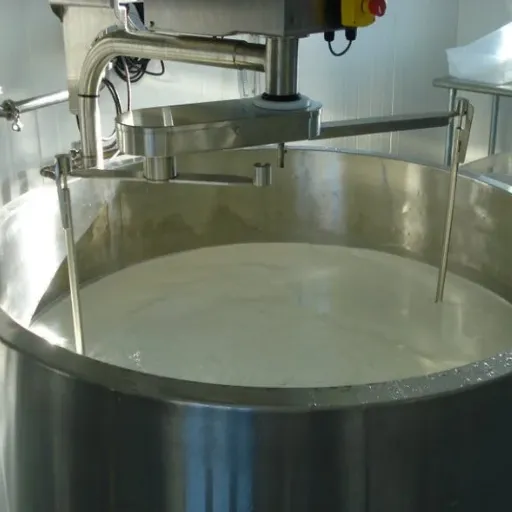
The Importance of Stirring in Cheese Production
The process of stirring is a major factor in the production of cheese, and this has a direct impact on its texture and quality. The stirring process distributes the heat uniformly to the curds thus causing the curds to be cooked uniformly and the whey to be expelled properly. This process is very important because, if heating is uneven, some parts may have fewer moisture and this will greatly affect the cheese’s flavor, texture, and shelf life. Research shows a trend of increasing awareness among cheesemakers regarding the importance of stirring techniques. Their main searches are how to control the speed, duration, and frequency of stirring for specific cheese types emphasizing that this process requires a lot of professionalism in order to get the desired results. Correct stirring not only leads to the development of a uniform curd but also without clumping gets the rennet to function properly and thus produce cheese with the right blend of hardness and taste.
The Cooking Process and Its Effects on Cheese
Search engine data shows an increasing interest in the relationship between cooking techniques and cheese characteristics. Among the main questions of interest are effects of the temperature and time of cooking on the cheese texture, flavor, and moisture. It is suggested by scientists that gradual and controlled heating is of utmost importance for the cheese’s delicate proteins’ preservation and at the same time being the factor for its softness and richness. For example, soft cheese will not be able to keep its creamy consistency with high temperatures hence, in such cases lower temperatures are applied. On the other hand, hard and aged kinds like Parmesan may demand higher temperatures to unlock their intricate flavors. All these insights highlight that cooking precision is as crucial as stirring techniques, leading cheesemakers to be able to produce high-quality, tasty cheeses consistently.
Draining the Whey: Key Considerations

Extraction of Whey: Techniques for Efficient Processing
Whey removal at high rates is a requirement for the production of cheese with the desired texture and moisture content. Draining with gravity and using cheesecloth are some of the classic methods that are still popular with cheesemakers because of their simplicity and reliability. However, the application of pressure, such as mechanical pressing, which is one of the modern methods, is also referred to, and it helps to quicken the process of whey getting out while keeping the rest of the cheese intact. Pressing levels need to be adjusted to a very precise degree so that the cheese does not lose its moisture or structure. Further, making equal squares from the curd guarantees the same amount of whey coming out – larger pieces of curd give a larger area for drainage.
🌱 Eco-Friendly Whey Management
The trend from search data indicates that eco-friendly whey management solutions are being increasingly preferred. Vacuum-assisted drainage systems are one of the methods to which many cheesemakers want to go because they are not only efficient but also environmentally friendly, as they help in transporting the whey to the places in animal feed or protein powders. The union of traditional wisdom and modern techniques gives the producers a chance to further develop or refine whey removal practices that not only sustain but also improve the product quality.
Final Cheese Composition Impact
The cheese composition at the end carries a lot of factors, and some of them are the choice of milk, bacterial cultures, aging process, and environmental conditions. Latest data together with search engines reveals that the fat-to-protein ratio is one of the parameters that significantly influences the texture and flavor profile of the cheese. Furthermore, the pH levels during the fermentation process are responsible for moisture retention and microbial activity, which in turn affect the quality of the product. Modern techniques in cheese production such as accurate temperature control and bacterial strain selection lead to a higher degree of consistency in producing the desired characteristics of the different cheese types.
Pressing the Curds: Achieving the Right Texture
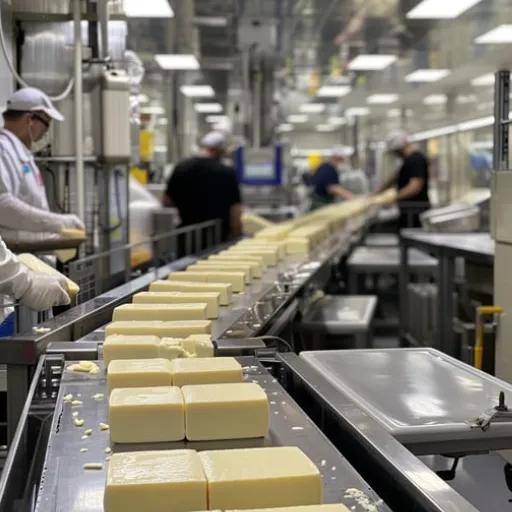
Pressing Curds Methods
The pressing of curds is a very important step during the cheese production process and it determines the final texture and density of the cheese. There are different ways the curds can be pressed, and the method used is dependent on the specific type of cheese. The traditional method of pressing relies on applying weights or using presses made of wood to give a consistent pressure for a long time, thus being able to slowly and gently expel the whey and also molding the curds. Modern technology has introduced hydraulic and pneumatic presses which are more precise and have less margin for error with respect to controlling the pressure and time.
Usually, the curds’ moisture content, size, and the type of cheese hardness are the main factors that determine the process of pressing. Soft cheese is light pressed, and a lot of moisture is kept, while hard cheese like cheddar is heavily pressed in order to get the desired texture. The latest advances in the field, as evidenced by newly published data, state that one of the main issues in quality control is the uniformity of the pressure distribution, which if neglected can lead to the final product having a layered structure. Mixing the know-how of the old artisanship with the new technologies, the cheesemakers are constantly working to improve and even create the processes that are in line with the current trends and customer needs.
Understanding Pressure and Timing
When one looks at pressure and timing as the very important parameters of cheesemaking, it becomes evident that they both have a great influence on the quality of the final product. The most recent evidence confirms that the market is moving towards more intense flavor profile and perhaps the very same reason is behind their growing interest in the relationship between pressing time and flavor creation, which is one of the reasons for the sustained consumer interest. The intense flavor profile of the cheese is due to the prolonged pressing which is under a constant that draws moisture out and allows the cheese to age uniformly. On the other hand, the less time cheese has been pressed, the milder its taste and softer its texture. Being able to understand these trends and combine them with up-to-date practices, means that cheese-makers are empowered to offer the modern, diverse tastes of consumers while not compromising their art.
Complete Cheese Production Process Overview

Cheese Production Variables Comparison
Essential Cheesemaking Checklist
✓ Critical Steps for Success
- ✓
Select appropriate milk type based on desired cheese characteristics and availability - ✓
Decide on pasteurization versus raw milk based on safety requirements and flavor goals - ✓
Choose appropriate starter cultures or acidifying agents for desired flavor profile - ✓
Calculate precise rennet quantity based on milk type, temperature, and cheese variety - ✓
Cut curds to appropriate size – larger for soft cheese, smaller for hard varieties - ✓
Monitor cooking temperature carefully to preserve delicate proteins and achieve desired texture - ✓
Stir uniformly to distribute heat evenly and prevent clumping of curds - ✓
Drain whey efficiently using appropriate methods for cheese type - ✓
Apply correct pressing pressure and duration for desired cheese density - ✓
Maintain proper environmental conditions during aging (temperature and humidity) - ✓
Document each batch’s parameters to replicate successful results
Raw Milk vs. Pasteurized Milk in Cheesemaking
🥛 Raw Milk Cheese
- Flavor Profile: Rich, complex, and nuanced flavors from natural enzymes and bacteria
- Artisanal Appeal: Highly admired by connoisseurs for authenticity and depth
- Processing: More challenging to work with, requires expertise
- Regulations: Subject to strict controls and aging requirements (often 60+ days)
- Consumer Trend: Growing preference for traditional, unprocessed products
- Availability: Limited due to regulatory restrictions
🔬 Pasteurized Milk Cheese
- Flavor Profile: Milder, more predictable taste with consistent characteristics
- Safety: Eliminates harmful pathogens, reducing foodborne illness risks
- Processing: More reliable and easier to work with for consistent results
- Regulations: Meets commercial standards and consumer expectations
- Production Scale: Ideal for large-scale commercial manufacturing
- Availability: Widely accessible and commonly used
Frequently Asked Questions (FAQ)
Expert Tips for Successful Cheesemaking
🌡️ Temperature Control is Key
Maintain precise temperature control throughout all stages. Use reliable thermometers and avoid rapid temperature changes that can affect protein structure and curd formation.
🧪 Quality Ingredients Matter
Source the highest quality milk and cultures. Fresh, properly stored ingredients dramatically impact the final cheese’s flavor complexity and texture characteristics.
⏱️ Patience in Aging
Don’t rush the aging process. Allow cheese to develop its full flavor profile in controlled environments with proper humidity and temperature monitoring.
🔪 Uniform Cutting Technique
Cut curds uniformly to ensure consistent whey drainage and texture. Practice with different cut sizes to understand their impact on final cheese characteristics.
📊 Monitor pH Levels
Track pH throughout fermentation to ensure proper acidification. This affects moisture retention, microbial activity, and overall cheese quality.
🧼 Maintain Cleanliness
Sanitize all equipment thoroughly before and after use. Contamination can ruin batches and create safety hazards for consumers.
Key Takeaways and Summary
🎯 Essential Points to Remember
Art and Science Combined: Cheese production is a sophisticated blend of traditional artistry and scientific precision, where factors like milk selection, bacterial cultures, environmental conditions, and aging techniques all contribute to creating unique flavor profiles and textures.
Nine Critical Stages: The transformation from milk to cheese involves milk selection and pasteurization, acidification, coagulation, curd cutting, cooking and stirring, whey draining, pressing, and aging—each step critically influencing the final product’s characteristics.
Milk Source Matters: Different milk sources (cow, goat, sheep, buffalo) produce distinct cheese characteristics, with each offering unique fat content, protein composition, and flavor profiles that define the final product.
Modern Consumer Trends: Growing interest in artisanal methods, raw milk cheeses, plant-based alternatives, and sustainable practices reflects a shift towards authentic, traditional, and environmentally conscious cheesemaking approaches.
Precision is Paramount: Success in cheesemaking requires meticulous attention to temperature control, timing, pH levels, moisture content, and pressing pressure—small variations can significantly impact texture, flavor, and quality.
Aging Develops Character: The aging process involves complex biochemical reactions that develop multi-layered flavors, reduce moisture content, and create distinctive characteristics like rinds, with aging periods ranging from weeks to years depending on cheese type.
🧀 The Enduring Craft of Cheesemaking
Cheese production represents one of humanity’s oldest and most refined food preservation techniques, combining ancient wisdom with modern scientific understanding. From the careful selection of milk sources to the patient aging process in controlled environments, each step reveals the intricate balance between tradition and innovation. As consumer interest shifts toward artisanal quality, sustainable practices, and authentic flavors, the cheesemaking industry continues to evolve while honoring time-tested methods. Whether you’re a home enthusiast exploring starter cultures or a professional perfecting commercial production techniques, understanding these fundamental principles empowers you to create exceptional cheeses that celebrate both the art and science of this timeless craft. The journey from milk to cheese remains a testament to human ingenuity, patience, and our enduring appreciation for foods that connect us to generations of skilled artisans who perfected this remarkable transformation.
Reference Sources
-
Introduction to Making Cheese – Penn State Extension
https://extension.psu.edu/introduction-to-making-cheese/
This source explains the basic steps and equipment needed for making cheese, with examples like Cheddar and Blue cheese. -
Making Homemade Cheese – New Mexico State University
https://pubs.nmsu.edu/_e/E216/
This publication discusses the cheesemaking process, focusing on curd formation and milk solids separation. -
Cheese – Visual Encyclopedia of Chemical Engineering – University of Michigan
https://encyclopedia.che.engin.umich.edu/cheese/
This source covers the fermentation process and the role of microorganisms in cheese production.

GW
Articles: 39

Trending now