Get in touch with Victorystar

How is Pineapple Juice Processed? Understanding Pineapple Juice Processing in the Food Industry

Contents
show
The Importance of Pineapple Juice in the Beverage Industry
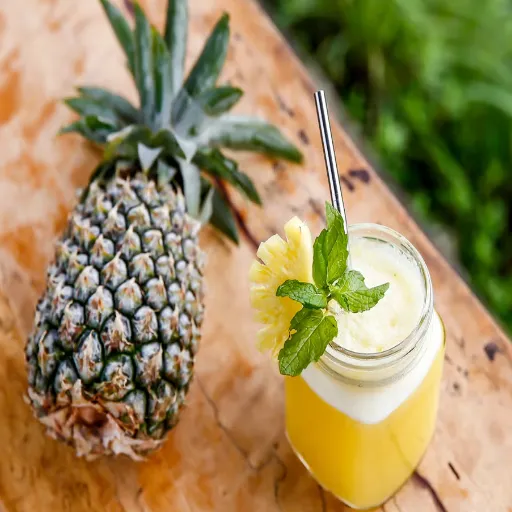
Growing Consumer Demand for Natural Beverages
The incremental consumer preference for natural beverages is indicative of a major shift toward health-conscious lifestyles. Recent data reveals a surge in search queries for terms like “natural drinks,” “healthy juices,” and “organic beverages” within the last few years. This upward trend proves that consumers are proactively looking for products without artificial ingredients and as close to nature as possible. Pineapple juice, with its consideration as a natural product high in vitamins and enzymes, fits perfectly into those considerations and stands out amid beverage industry competition. The synchronous relationship between consumer demand and product supply has led natural juices, including pineapple juice, to take center stage in fulfilling contemporary wellness-oriented priorities.
The Nutritional Benefits of Pineapple Juice
This refreshing drink is made of essential nutrients that support health and wellness. It serves as a great source of vitamin C, which supports the immune system in preventing illness. Pineapple juice also contains the powerful enzyme bromelain, which is thought to have anti-inflammatory and digestive effects. Search trends show growing interest related to bromelain benefits, with users frequently inquiring about how it assists digestion and helps in confronting symptoms from particular ailments, like arthritis. Pineapple juice is also rich in manganese, another essential nutrient for bone health and metabolism. Being nutrient-rich and imparting health benefits, pineapple juice has become a household word among health-conscious circles seeking to improve their nutrition.
Key Nutritional Components:
- Vitamin C: Boosts immune system function and prevents illness
- Bromelain: Provides anti-inflammatory and digestive benefits
- Manganese: Supports bone health and metabolic processes
Food and Beverage Uses
Over the years, pineapple juice has found versatile uses that cater to more and more consumers in the food and beverage industry. There has been consistent interest in the use of pineapple juice as a base for smoothies, cocktails, and marinades. Its natural sweet-tart profile works ideally for tropical-themed drinks like piña coladas and invigorating mocktails. Meanwhile, chefs use pineapple juice in sauces or glazes to tenderize meats using the enzymatic activity of bromelain. The growing trend for healthy plant-based diets has also led to increased use of pineapple juice in cold-pressed juice blends or wellness shots, where it pairs well with other nutrient-dense fruits and vegetables.
Major Steps in Pineapple Juice Processing
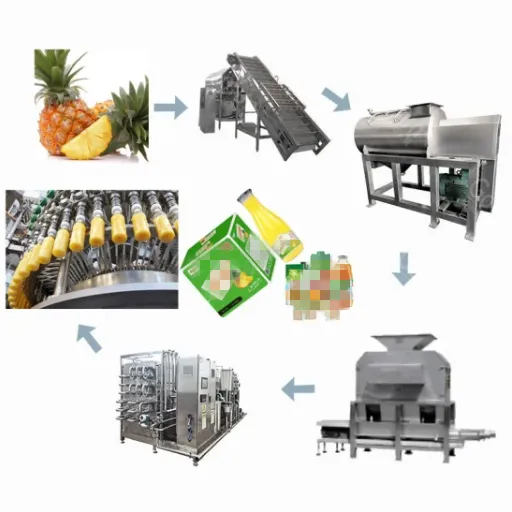
Step 1: Selecting the Right Pineapples
Pineapples are the first choice in juice-making. Fully ripe pineapples are ideal as they have greater sweetness and better flavor profiles. Select those fruits having yellow to golden color, and check for firmness—never let bruises or softness go unpunished. The crown leaves should be fresh and green without any hint of wilting. Lastly, a sweet fragrance from the pineapple base serves as a great acknowledgement of the seasoning of the fruit.
Based on the latest data from search trends, there is an increase in consumer interest related to guidance on how one can tell when a pineapple is ripe or unripe, underscoring the need to educate buyers about the visual and smelling tests. Industry information also points to a surging demand for organically grown, sustainably sourced pineapples from consumers more inclined toward health and environmental conscientiousness, thus influencing manufacturing practices. Proper selection would therefore have to agree with standards of flavor and with market standards of quality and sustainability.
Checklist for Selecting Quality Pineapples:
- ✓ Color: Look for yellow to golden hues indicating ripeness
- ✓ Firmness: Check for firm texture without bruises or soft spots
- ✓ Crown Leaves: Ensure leaves are fresh, green, and not wilted
- ✓ Aroma: Verify sweet fragrance from the base of the fruit
- ✓ Source: Prefer organically grown and sustainably sourced options
Step 2: Washing and Peeling Techniques
Proven methods detail washing and peeling pineapples to keep them clean and easy for preparation. It has been quite evident that pineapple lovers want to know how to safely and efficiently handle this exotic fruit. First, rinse the pineapple under running water to wash off dirt and any possible residue of pesticide. To increase hygiene, some recommend scrubbing with a fruit brush. Placing on a firm cutting surface, the pineapple is now ready to be handled. With a sharp knife, the crown and the base are cut so as to have a flat stable surface. Next, remove the thick skin by carefully peeling it down following the curvature of the fruit and trimming away those “eyes,” or tiny brown spots, in the process. These steps allow one to prepare fresh pineapple, starting hygienically, all ready for processing.
Step 3: Juicing Methods
Several efficient methods are available when extracting juice from pineapple, whichever one applies depending on the tools available and the desired outcome. Manual juicers and citrus presses are great for juice extraction, preferably when working with pineapple chunks. A blender would be a more versatile, contemporary alternative—the pineapple pieces get blended until smooth and then get strained through a fine-mesh sieve or cheesecloth for clear juice. For juicer machine owners, this method is perhaps the most convenient and least time-consuming, as juicer machines are aimed at separating the juice from pulp efficiently. The latest data from search trends indicates that various users tend to favor blenders due to their availability and multifunctionality, often choosing to consume the juice with pulp to gain added fiber and health benefits.
| Juicing Method | Advantages | Best For |
|---|---|---|
| Manual Juicer/Press | Simple operation, no electricity needed, traditional method | Small batches, home use |
| Blender + Straining | Versatile, retains pulp option, widely available | Home use, fiber-rich juice |
| Electric Juicer | Fast, efficient pulp separation, convenient | Regular use, clear juice |
Step 4: Filtering and Pasteurization Processes
Filtration and pasteurization are the backbone of quality juice production. Filtration refers to the removal of any solids, impurities, or particulates from the juice to develop a smoother product with a more appealing appearance. Depending on the scale of production and desirability of clarity, filtration can use fine filters or even more complex systems. Pasteurization, meanwhile, is heat treatment aimed at killing harmful microflora while maintaining taste and nutritive quality of the juice.
Based on recent records, most users often want to know whether these processes affect the nutritional value of the juice. Practically, while a minute quantity of nutrient loss can occur during pasteurization, the process is paramount for shelf-life extension and safety considerations. Along with cold filtration techniques being in vogue, more nutrients remain in these alternatives, along with upholding high standards of hygiene, reflecting consumer desires for minimally processed, nutrient-rich beverages.
Step 5: Packaging Solutions for Pineapple Juice
In packaging pineapple juice, selection is a key matter for retaining flavor as well as nutrition and safety while meeting consumer expectations. Data recently retrieved from search engine trends indicate growing attention to environmentally friendly packaging options, sustainability, as well as convenience-oriented designs.
A popular choice is aseptic carton packaging, which extends shelf life by avoiding any need for refrigeration until finally opened, thus ensuring quality and convenience. Glass bottles are considered among the highly searched options due to their recyclability and high-end appearance. Yet lately, the growing demand for sustainability has made plenty of interest go into biodegradable and compostable materials. Flexible packaging options such as pouches are trending in terms of consumer convenience, allowing easy portability with minimal use of materials.
Hence, whatever type of juice packaging one chooses, it must strike a harmonious balance between effective functionality, cost-effectiveness, and environmental considerations in order to address a market that is increasingly tilted in favor of health and planet consciousness.
Processing Equipment Used in Pineapple Juice Production
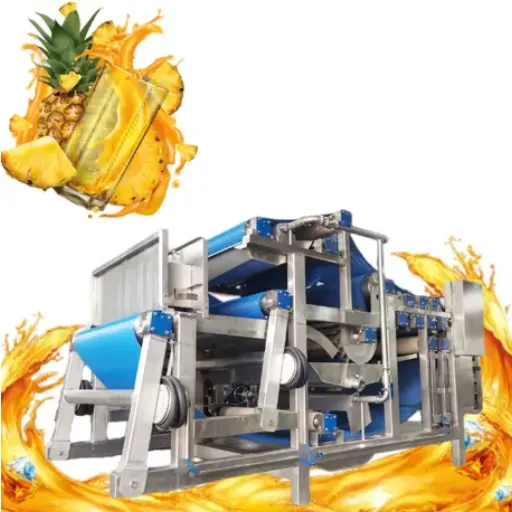
Types of Juice Extractors
Juice extractors are essential in pineapple juice production, ensuring efficient juice extraction while keeping the quality in check. The most common types of juice extractors used in the industry include:
1. Centrifugal Juice Extractors
These machines shred the fruit and then spin it at very high speed to separate juice from the pulp. Centrifugal juice extractors are very common because they are inexpensive, can process large quantities rapidly, and are straightforward to operate. However, they produce heat during operation, which might affect juice quality somewhat.
2. Masticating (Cold-Press) Juice Extractors
In extraction by masticating, the fruit is crushed slowly and pressed to squeeze out the juice. Because there is less heat production, more nutrients and juice yield are retained, thus providing a worthy opportunity for premium juices that need to be preserved in their nutritional capacity.
3. Pneumatic Presses
Pneumatic presses employ air pressure to squeeze juice out of fruits and are common in large-scale production. They are extremely efficient in extracting juice from fibrous fruits like pineapples while leaving few wastes behind and maintaining flavor and nutrient content.
4. Hydraulic Juice Presses
Hydraulic presses exert very high pressure for faster destruction and pressing of fruit with minimum oxidation and maximum freshness. They have applications wherein producing high-quality raw juice is of paramount importance.
Considerations for choosing one or the other extractor are scale of production, costs, or juice quality. For industrial-scale pineapple juice production, pneumatic and hydraulic presses are most preferable because they can handle high volumes without compromising the juice composition.
| Extractor Type | Key Feature | Production Scale | Nutrient Retention |
|---|---|---|---|
| Centrifugal | High-speed spinning | Small to medium | Moderate |
| Masticating | Slow crushing/pressing | Small to medium | High |
| Pneumatic | Air pressure extraction | Large-scale | High |
| Hydraulic | High-pressure pressing | Large-scale | Very high |
Operations of Pulping Machines
One of the crucial steps in fruit juice-making processes is pulping fruits into a fine pulp to allow the extraction of juice with minimum wastage of precious raw material. Pulping machines are capable of handling various fruits like pineapple, apple, and berries for the separation of seeds and skins from the juice. These modern treatment plants consist of pulping machines that, with their technologies and manufacturing materials, have been designed for higher efficiency levels to meet production needs of a varied nature. For instance, some machines may incorporate automated controls, while others may be made of stainless steel for durability and resistivity, and some others may have variable settings to suit different fruit textures. Decreasing manual labor and maintaining the consistency of pulp is, in fact, the primary function of pulp machines and is highly essential in juice production on an industrial scale to ensure quality and profitability.
Filtration Systems
Filtration is among the most important steps from a juice manufacturing standpoint for detoxification and ensuring that the final product meets high-quality standards. These systems act by advanced means to filter out particles, sediments, or residues using membrane filters, centrifugal force, or activated carbon. The rising consumer inclination to purchase beverages free from additives and contaminants is putting filtration at consideration for brands to remain competitive. In addition, reverse osmosis and ultrafiltration technologies allow producers to retain key nutrients and improve the taste of juices. Hence, the perfect combination of precision and efficiency retained by these methods ensures that manufacturers deliver clarity, uniformity, and adherence to industry laws.
Pasteurization Units
Pasteurization units have a crucial function in sustaining beverage safety and shelf stability. This process involves heating juice or other liquids to a certain temperature for a defined length of time to kill harmful microorganisms, while not affecting the product’s quality. Modern pasteurization units incorporate advanced sensors and automation systems to ensure precision temperature control and optimum energy use. Terms such as “gentle pasteurization” and “energy-efficient pasteurization” are catching attention, pinpointing an area of consumer interest in methods that retain natural flavors and nutrients while considering environmental impact. Essentially, these are measures brands undertake to comply with safety standards on one hand and cater to the evolving interest of a health-conscious populace on the other.
Challenges in Pineapple Juice Processing
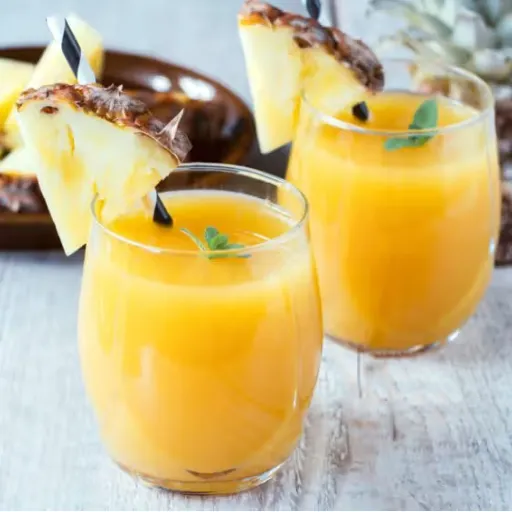
Challenge 1: Maintaining Consistent Quality
Assuring consistent quality in pineapple juice processing is a task that requires artistry in methods and innovation. The very fine point is to maintain sweetness, acidity, and color from the pineapple juice, after which standards for safety and quality are enforced. The challenge lies in maintaining the juice’s natural properties while properly pasteurizing it. Gentle pasteurization now has a major role in this. On the index of search queries, natural and minimally processed beverages have been gaining momentum. Search terms like “pure pineapple juice benefits” and “cold-pressed juice shelf life” hint that consumers are interested in high-quality, nutrient-rich products with very little processing. These demands therefore have to be met through further investments in technology and quality checks throughout the process to ensure that every bottle meets the expectations of increasingly discerning customers.
Key Quality Factors to Monitor:
- Sweetness levels and sugar content consistency
- Acidity balance and pH measurements
- Color uniformity across batches
- Nutrient preservation during processing
- Safety and microbial standards compliance
Challenge 2: Avoiding Contamination Risks
Contamination remains a major concern for most consumers when it comes to natural and minimally processed beverages, as can be inferred from frequent queries like “how to prevent juice contamination” and “safe juice storage tips.” The means to secure these products are strict hygiene standards and modern production methods. The technicalities involve cleaning and sterilizing equipment, maintaining cold-chain integrity during distribution, and sampling and testing for microbial loads. Clear labeling and adequate consumer awareness on proper storage and consumption can minimize risks as well. By proactively mitigating cases of contamination through scientific intervention and transparent communication, producers would be in line with consumers’ desire for safe beverages of superior quality.
Challenge 3: Addressing Shelf Life Concerns
When beverage shelf-life is being discussed, it is essential to consider how it affects product quality and consumer satisfaction. Customers are concerned about how to keep beverages fresh without compromising their taste or safety. To address this problem, manufacturers have shifted toward the latest preservation technologies such as aseptic processing and high-pressure processing (HPP), along with the use of natural preservatives, including antioxidants, that retard degradation. In packaging, oxygen-barrier materials and vacuum-seal containers are top-notch candidates for high preservation. Informing consumers on conditions under which products should be stored, like refrigeration and areas away from direct sunlight, also maintains the high quality of a product. By combining high-tech methods with clear consumer instructions, a good marketing system may solve the problem of shelf life favorably and address the ever-increasing demand for fresh products that last longer.
Best Practices for Extending Shelf Life:
- Aseptic Processing: Implement sterile production and packaging techniques
- High-Pressure Processing (HPP): Use non-thermal preservation methods
- Natural Preservatives: Add antioxidants to slow degradation
- Oxygen-Barrier Packaging: Select materials that prevent oxidation
- Consumer Education: Provide clear storage instructions and best-before dates
Ensuring High-Quality Pineapple Juice Production
Practice 1: Sourcing Fresh Pineapples
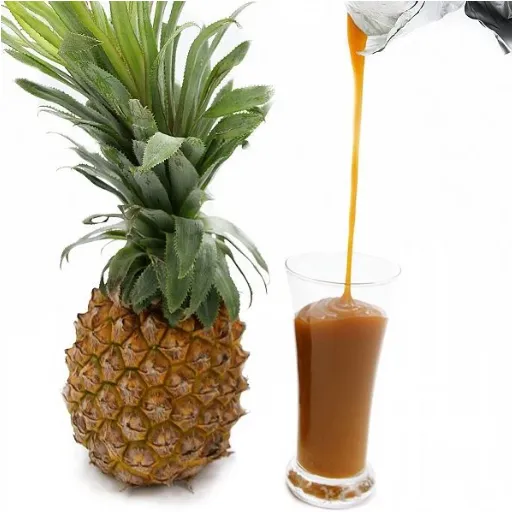
To obtain the highest-quality pineapple juice, it must be ensured that all pineapples are fresh and ripe when used to prepare juice. Ideally, pineapples should be sourced from regions that offer the best growing conditions, such as Costa Rica, the Philippines, or Thailand, where tropical conditions yield strong and flavorful fruits. When selecting, choose pineapples with a strong and fresh green top with a firm golden yellow body, which signifies ripeness. Recent data states that consumer awareness and demand for the organic and sustainably grown variety of produce are rising, obliging producers to work alongside farms that employ ethical and eco-friendly approaches. By considering these aspects, manufacturers will benefit from securing the freshest pineapples for premium juice content, giving them an edge with present-day consumer trends.
Top Pineapple-Producing Regions:
- Costa Rica: Known for premium quality and sustainable farming practices
- Philippines: Offers diverse varieties with rich flavor profiles
- Thailand: Provides tropical conditions ideal for sweet, juicy pineapples
Practice 2: Regular Equipment Maintenance
Maintenance of equipment for regular use is essential to operational ability and ensuring longevity, especially in an industry that involves food production such as pineapple processing. Having maintenance schedules prevents any unwanted delays, reduces repair costs, and ensures consistent product quality remains maintained. Given recent search engine data, interest is growing over sustainable and cost-efficient maintenance practices. Therefore, businesses should focus not just on the maintenance of machines through routine check-ups and cleaning but also on purchasing modern energy-saving machines that shall not need very frequent maintenance. With detailed data analysis, these companies can work on performance enhancement while at the same time meeting eco-conscious consumer demands.
Equipment Maintenance Tips:
- Establish and follow regular maintenance schedules for all processing equipment
- Conduct routine inspections to identify potential issues before they escalate
- Clean and sanitize equipment thoroughly after each production cycle
- Invest in energy-efficient machinery that requires less frequent servicing
- Train staff on proper equipment handling and basic troubleshooting procedures
- Keep detailed maintenance logs to track performance and predict service needs
Practice 3: Adherence to Food Safety Standards
According to emerging data from search engines, consumers increasingly prioritize food safety and hygiene when purchasing products. This underscores the necessity of maintaining trust by upholding food safety standards or else risk potential fallout. Adherence entails strict measures such as regular sanitation, proper food storage, and employee training on hygiene practices. In this regard, with appropriate tools such as real-time monitoring systems and advanced data analysis, businesses can prevent issues and ensure their compliance. Meeting these standards to protect public health is synonymous with building a good reputation for your company in an age where transparency and accountability are of utmost importance.
| Safety Standard Area | Key Requirements | Implementation Methods |
|---|---|---|
| Sanitation | Regular cleaning and disinfection of all equipment and surfaces | Scheduled cleaning protocols, sanitization logs |
| Storage | Proper temperature control and inventory rotation | Cold storage systems, FIFO practices |
| Employee Training | Comprehensive hygiene and safety education | Regular training sessions, certification programs |
| Monitoring | Real-time tracking of safety parameters | Automated monitoring systems, data analytics |
Frequently Asked Questions (FAQ)
How Are Pineapple Juices Processed in the Production Lines?
The process of making pineapple juice begins with the harvesting of ripe pineapples that are sorted according to quality. Once sorted, the pineapples can be peeled by using certain machines known as pineapple peeling and extractor machines. This machine will remove the hardness of the outer skin without damaging the softer inner flesh. After peeling, the pineapples are taken to the crusher for juice extraction; the juice then moves toward the juice processing line for a finer filtering stage to remove any traces of solid presence. Depending upon the end product, the extracted juice may be concentrated or pasteurized.
What Are the Major Steps in Pineapple Juice Processing?
Pineapple juice processing entails certain significant phases. Appropriately, once the pineapples have been harvested, they are checked for quality during sorting and thereafter brushed and sprayed by cleaning equipment to ensure cleanliness during pre-juice extraction operation. After the peeling and coring of pineapples, they are crushed for the juice. Subsequently, thermal treatment may pasteurize the juice to ensure microorganisms causing diseases are killed. At this point, the juice may be concentrated and packaged in aseptic aluminum-plastic composite bags, ready for distribution in international markets.
What Processing Equipment Is Used for Pineapple Juice?
The equipment involved in processing pineapple juice includes several machines classified to carry out different jobs along the line of production. Important equipment includes the peeling and extracting machine for pineapple to peel faster and juice processing equipment like a spiral juice extractor to extract the juice in the most optimal way. A heat exchanger is commonly used in thermal processing to sterilize juice. Vacuum degassing removes colloidal particles and prevents foaming during packing and sterilization, thus ensuring an excellently finished product.
How Is Juice Recovery Achieved in Pineapple Juice Processing?
Juice recovery is an important measure in pineapple juice processing to maximize yield, wherein every attempt is made to minimize waste. Secondary extraction is undertaken from any pineapple remnants after the initial extraction phase, sometimes through crushing or pressing. This ensures that much pineapple juice is achieved, and at the same time, the whole fruit is utilized. Subsequently, the recovered juice may be filtered or concentrated to acquire better quality and have a longer shelf life. It is in the very interest of the relevant industry that best juice recovery techniques be considered for economic and environmental sustainability.
What Are the Characteristics of Pineapple Juice?
The characteristics of pineapple juice are defined by such factors as its fabulous flavor, high sugar content, and nutrition. Flavored with vitamin C, it is one of the most popular drinks as a refreshing beverage. Its juices are sweet and acidic at the same time and therefore can be applied in diverse food processing operations, for example, canning pineapple and manufacture of other processed pineapple products. Depending on the variety of pineapple, such as Smooth Cayenne, and processing methods, the juice could display different types of characteristics, finally determining the sales appeal in both domestic and foreign markets.
What Are the Processing Techniques for Pineapple Juice?
Processing of pineapple juice is a combination of mechanical and thermal methods to ensure quality and safety. The entire procedure for making pineapple juice almost invariably begins mechanically by means of an extractor with a spiral mechanism; then a thermal method such as pasteurization is used to destroy pathogens. Pasteurization may be followed by concentration, which improves flavor and makes the juice last longer. Other processing techniques may include vacuum degassing to retain clarity and prevent foaming during packaging. Thus, processing techniques are powerful for the production of commercial pineapple juices that satisfy consumer expectations.
Reference Sources
- Pineapple Juice Concentrated by Osmotic Evaporation
This paper discusses the process of concentrating pasteurized pineapple juice using osmotic evaporation techniques for enhanced quality and shelf stability.
- The Effects of Pineapple Juice Multistage Evaporation
This study explores the use of multistage falling film evaporators for processing overripe pineapple juice to maximize efficiency and nutrient retention.
- Nonthermal Pasteurization of Pineapple Juice: A Review
This review covers nonthermal methods like high-pressure processing and UV treatments to ensure the microbial safety of pineapple juice while preserving nutritional value.
Key Takeaways
- ✓
Pineapple juice processing involves multiple critical steps from selection to packaging, each impacting final quality. - ✓
Modern equipment including pneumatic and hydraulic presses ensures efficient extraction while preserving nutrients. - ✓
Pasteurization and filtration are essential for safety and shelf life without significantly compromising nutritional value. - ✓
Consumer demand for natural, minimally processed beverages drives innovation in gentle processing techniques. - ✓
Sustainable sourcing and eco-friendly packaging are increasingly important for meeting market expectations. - ✓
Adherence to food safety standards and regular equipment maintenance are crucial for consistent product quality.

GW
Articles: 39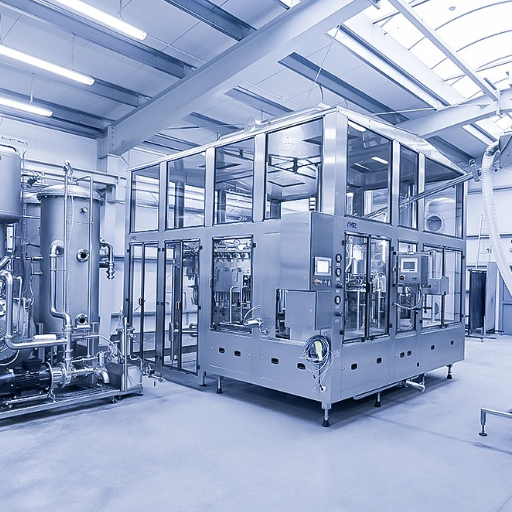
Trending now