Get in touch with Victorystar

Understanding What Is Pressed Coconut Water and Its Unique Health Benefits

Contents
show
It is said that coconut water is a natural hydrant and nourishment. But another kid on the block is pressed coconut water. This variation gives a much fuller taste and composition-wise little differences, making it quite attractive for the health-conscious. Yet what, exactly, differentiates pressed coconut water, and why has wellness interest picked up pace? Here is an analysis of pressed coconut water in all its aspects-the production process, nutrient breakdown, and the health benefits granted-from which one can draw a conclusion as to why this drink deserves to be at the forefront of one’s healthy lifestyle.
What is Pressed Coconut Water?
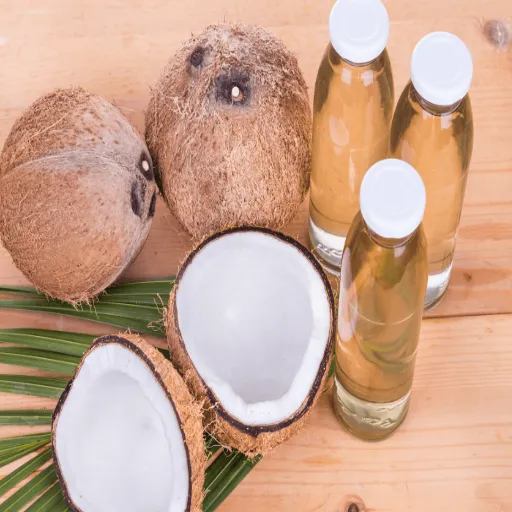
Definition and Process of Pressed Coconut Water
Pressed coconut water is more or less a nutrient-filled beverage formed after coconut water is blended with bottle-softened pieces of coconut flesh. Standard coconut water-from inside of a young green coconut, contains no more than that liquid-but pressed coconut water also has soluble elements from the pulp, and it is creamier with a rather fuller flavor. The process starts by cracking open the coconuts, breaking the hard tough shell, scooping out some soft coconut flesh, blending it with the clear water, and thereafter filtering the liquid. Usually, pasteurization and filtration come in as subsequent steps to ensure food safety and ample shelf life while conserving most of the natural nutrients within. It retains the electrolyte content such as potassium, magnesium, and sodium while also adding trace levels of dietary fiber and healthy fats from the inner meat of the coconut. This scrupulous approach to production has echoed deep-across the difference-making of pressed coconut water from ordinary coconut water, adding to its nutritionally diverse and busily adaptable appeal.
Comparison: Pressed Coconut Water vs Regular Coconut Water
Pressed coconut water and regular coconut water, while stemming from the same source, differ in taste, texture, nutritional profile, and processing methods. Pressed coconut water is derived from the mature coconut meat blended into the liquid, giving it a richer taste, a slightly creamy texture, and a more pronounced coconut flavor. This process retains additional nutrients such as medium-chain triglycerides (MCTs) and some dietary fiber, offering slight metabolic and digestive benefits.
On the other hand, regular coconut water is extracted solely from the liquid naturally present inside young green coconuts. It is lighter in flavor with a more transparent appearance and is primarily known for its electrolyte content, including potassium, sodium, and magnesium. Regular coconut water is well-suited for hydration and is often marketed as a natural alternative to sports drinks due to its low-calorie, sugar-conscious profile.
From a nutritional standpoint, pressed coconut water tends to have a slightly higher fat content due to its inclusion of coconut meat, whereas regular coconut water remains virtually fat-free. The choice between the two largely depends on individual palates, dietary preferences, and nutritional goals. While both offer hydration and essential nutrients, pressed coconut water provides a fuller nutritional spectrum at the expense of a marginally higher calorie and fat content.
Types of Pressed Coconut Water Available
Pressed coconut water is more or less a nutrient-filled beverage formed after coconut water is blended with bottle-softened pieces of coconut flesh. Standard coconut water-from inside of a young green coconut, contains no more than that liquid-but pressed coconut water also has soluble elements from the pulp, and it is creamier with a rather fuller flavor. The process starts by cracking open the coconuts, breaking the hard tough shell, scooping out some soft coconut flesh, blending it with the clear water, and thereafter filtering the liquid. Usually, pasteurization and filtration come in as subsequent steps to ensure food safety and ample shelf life while conserving most of the natural nutrients within. It retains the electrolyte content such as potassium, magnesium, and sodium while also adding trace levels of dietary fiber and healthy fats from the inner meat of the coconut. This scrupulous approach to production has echoed deep-across the difference-making of pressed coconut water from ordinary coconut water, adding to its nutritionally diverse and busily adaptable appeal.
???? Pure Pressed
Natural taste without additives, just coconut water and flesh blended together.
???? Flavored Options
Infused with tropical fruits like pineapple, mango, or passionfruit for variety.
???? Organic Varieties
Free from synthetic pesticides and fertilizers, meeting organic standards.
⚡ Enhanced Formulas
Fortified with additional electrolytes or vitamins for athletic performance.
Nutritional Facts of Pressed Coconut Water
Electrolyte Content and Health Benefits
This natural electrolyte water carries those few essential electrolytes- potassium, sodium, magnesium, calcium, and phosphorus- that bring their essence in sustaining life that include diverse physiological functions. High in potassium, it promotes cardiovascular health through the facilitation of muscle contraction and blood pressure regulation. Sodium and magnesium play a key role in fluid balancing and nerve cell operations, therefore hydrating the human body after severe exercises. Meanwhile, calcium and phosphorus go towards bone formation and metabolic activities.
Such studies have argued that coconut water can act like any other sports drink, with its electrolyte properties allowing the sport drink to assist in rehydration, but unlike sports drinks, coconut water is low in processed sugars and artificial additives. For those who seek the most nutritious form of hydration, pressed coconut water is a sustenance of natural electrolytes from which to restore later, support energy metabolism, and enhance well-being, placing more importance on it being balanced by a healthy diet.
High Potassium Content: Why It Matters
Potassium is essential for many physiological processes, including muscle contraction, nerve function, and fluid balance. It belongs to the family of essential minerals and electrolytes; thus, it must be obtained by way of the diet to meet the requirements of the body. A potassium-rich diet has been found to offset the negative effects that sodium may have on blood pressure, thus diminishing hypertension risks and cardiovascular disease. Of course, pressed coconut water is especially high in potassium-it often sports more per serving than regular sports drinks or even bananas, which are well-regarded as potassium-rich fruits-providing that much-needed replenishment of electrolytes lost through sweat and thereby enhancing performance and recovery. Furthermore, if potassium is adequately supplied, it will increase bone mineral density and reduce the formation of kidney stones, further emphasizing the importance of potassium for the walk of life.
???? Did You Know?
Pressed coconut water often contains more potassium per serving than bananas or traditional sports drinks, making it a superior choice for post-workout recovery!
Calories and Sugar Levels in Pressed Coconut Water
Being relatively low in calories in comparison with other beverages is one of the reasons people go for coconut water, whereas other beverages with substantially higher caloric values serve as an alternate option. On average, an 8-ounce glass of pressed coconut water will contain from about 45 to 60 calories, with the precise amount having variations from source to source and depending on the type of processing used. Additionally, coconuts have their natural sugars; a serving of pressed coconut water will mostly have 7 to 13 grams of sugar. This sugar that comes directly from the coconut is lesser processed compared to the added sugars used in many commercial drinks. However, if one keeps track of how much sugar they consume, these numbers may be important, especially if consumed in large quantities. Pressed coconut water offers a good mixture of hydration and nutritional simplicity, thereby being a good element of a well-balanced diet.
Nutritional Snapshot (Per 8 oz Serving)
45-60
Calories
7-13g
Natural Sugars
High
Potassium
Health Benefits of Coconut Water
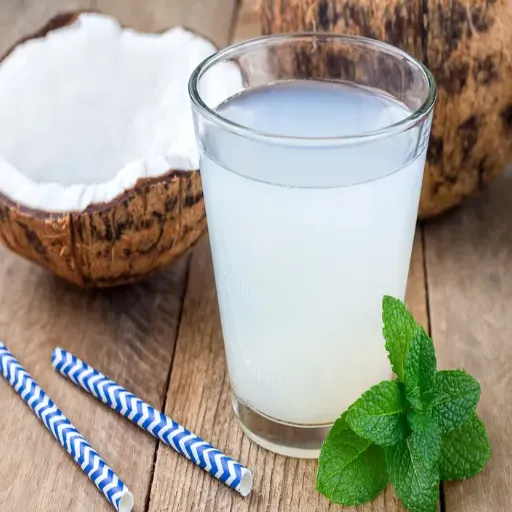 Hydration and Recovery Post-Exercise
In recent times, coconut water has risen to fame as a competing natural beverage for rehydration following exercise. Coconut water, with its electrolyte content comprising potassium, magnesium, sodium, and calcium, facilitates fluid balance and muscle function, which is paramount for post-exercise recovery. In contrast to most sports drinks wherein sugar and artificial ingredients usually predominate, coconut water contains little added sugar and few artificial ingredients and has an electrolyte composition that is comparable or superior to that of many commercial sports drinks. The potassium present in coconut water may range largely, somewhere between 250 and 600 milligrams per cup, depending on the brand and form of processing, and can alleviate muscle cramps and encourage cellular hydration. Further studies have also demonstrated that its low osmolality aids rapid fluid replenishment capability due to greater absorptivity in the gastrointestinal tract. For an endurance athlete or those partaking in long periods of activity, pure coconut water could prove an excellent natural solution for both hydration and nutrient replenishment.
????♂️ Perfect for Athletes
- Natural electrolyte replenishment
- Low in added sugars and artificial ingredients
- 250-600mg potassium per cup
- Optimal absorption for quick hydration
- Reduces muscle cramping
Potential Benefits for Digestion and Skin Health
It is an age-old medicine for digestion, as coconut water contains several metabolic enzymes such as catalase, phosphatase, and diastase, which help in the digestive process by acting on the food itself while it is in the GI tract. Being rich in potassium, it may aid in the smooth working of bowel movements and maintain the balance of electrolytes needed for digestion. Also, with its natural antimicrobial properties provided by lauric acid or similar compounds, it stands the chance of restoring digestive well-being by resisting an imbalance in gut bacteria.
Hydrating and loaded with nutritional value, coconut water is a very popular natural solution for skin health. It contains cytokinins, substances having anti-aging and cell-regeneration effects, thus possibly reducing fine lines while increasing elasticity. The antioxidants found in coconut water combat free radicals, solving the problem of oxidative stress that causes skin damage. Frosting on the cake is that it may be applied topically for its calming effect on irritation, inflammation reduction, and light astringent properties that improve skin texture. Staying true to these benefits, coconut water may serve as both an internal and external means to healthier skin.
???? Digestive Health
- Contains bioactive enzymes (catalase, phosphatase, diastase)
- Helps regulate bowel movements
- Antimicrobial properties from lauric acid
- Supports gut bacteria balance
✨ Skin Health
- Rich in cytokinins for anti-aging benefits
- Promotes cell regeneration and elasticity
- Antioxidants neutralize free radicals
- Soothes irritation when applied topically
How Pressed Coconut Water Supports Overall Wellness
Due to its particular combination of essential nutrients and bioactive compounds, pressed coconut water underpins much of the overall wellness concept. Being an electrolyte-rich waterway consisting of potassium, magnesium, sodium, and calcium, it is largely responsible for fluid balancing and providing adequate hydration needs after a bout of physical activity. Cytokinins found naturally in pressed coconut water have been reported in studies to retain anti-aging and anti-cancer properties. Meanwhile, lauric acid is fortified with medium-chain fatty acids bearing antibacterial and antiviral capacities, which are thought to sustain immunity and further help balance gut microbiome. The low calories and its own sweet flavor make pressed coconut water a healthy drink compared to sugar-rich ones, which goes a whole way in supporting weight and metabolic health. These factors make pressed coconut water a very adaptable, science-proven way for health and vitality promotion.
???? Key Wellness Benefits
????
Optimal Hydration
Maintains fluid balance
????️
Immune Support
Lauric acid properties
⚖️
Weight Management
Low-calorie substitute
????
Anti-Aging
Natural cytokinins
Popular Brands and Variations
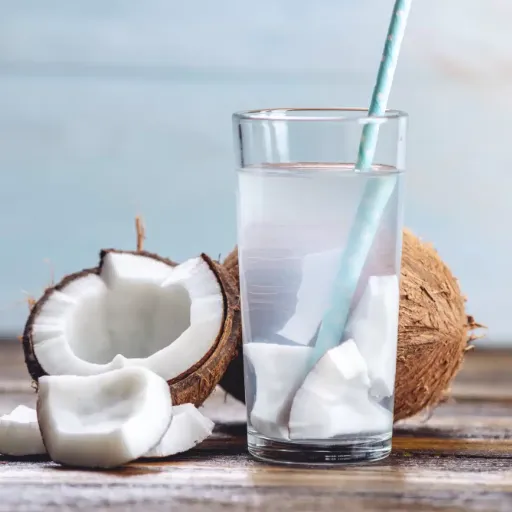
Exploring Vita Coco and Other Leading Brands
Vita Coco is an upwardly mobile name in coconut-water sales, ranking among the best in quality and transparency in the answers it provides. Founded in 2004, the company sources coconuts from farms that do sustainability work across the Philippines, Brazil, and Sri Lanka, thereby abiding by the best ethical practices and guaranteeing the best nutrient content. Vita-Coco Original is the most popular product, being a natural blend of electrolytes and a hydration solution that supports athletes, wellness buffs, and consumers in their day-to-day lives.
There also come variations in the Vita Coco line for pressed coconut water, flavoring varieties such as pineapple and peach mango, and sparkling coconut water. These variations confer choice to the customer with all the benefits of hydration and nutrient intake. Introduction of hard-to-come-by products like coconut oil and protein-enriched beverages stands testimony to the company’s innovative stance vis-a-vis consumer-health trends.
???? Vita Coco Highlights
- Founded: 2004
- Sourcing: Sustainable farms in Philippines, Brazil, and Sri Lanka
- Product Range: Original, pressed, flavored, and sparkling varieties
- Innovation: Coconut oil and protein-infused beverages
- Target Audience: Athletes, wellness enthusiasts, everyday consumers
Emerging Competitors and Innovations
With further advancement, other brands have sold greater into niche markets with new recipes and formulations. ZICO, standing for simply coconut water with no added sugar, targets a constituency committed to such concepts of simplicity and minimal processing. Harmless Harvest offers USDA-certified organic beverages, including a pink-hued coconut water, its coloration deriving from its unique natural antioxidant traits.
Additionally, brands such as C2O and Naked Juice cater to consumers looking for unique flavor profiles or blended beverages. These competitors contribute to a dynamic marketplace, each carving out a niche by leveraging sustainability, purity, or functional enhancements as core selling points.
This competitive landscape emphasizes the growing consumer demand for beverages that deliver hydration, functionality, and health-forward solutions without compromising on taste.
Organic Coconut Water vs Regular Coconut Water
Organic coconut water is obtained from coconuts grown without using any synthetic pesticides or fertilizers and without genetic modifications, all under strict guidelines on organic farming. This, in turn, assures that the final product remains in its natural state without any chemical residues-a point being heavily emphasized by the health-conscious. The organic way of farming generally promotes environmental sustainability by focusing much attention on soil health and biodiversity.
In an opposite manner, regular coconut water would supposedly refer to water extracted from coconuts that are conventionally grown using chemical inputs to increase yield and manage pests. While from the point of view of hydration and electrolytic content both organic and regular coconut water provide the same benefits, organic versions may be considered greener and perhaps safer through limited exposure to synthetic chemicals.
From a nutritional perspective, the composition of macronutrients in organic and regular coconut water is largely comparable, with essential electrolytes such as potassium, magnesium, and sodium present in both types. However, the whole farm-to-consumer canvas and eco-conscious approach to buying give organic coconut water an edge in the eyes of a growing number of discerning consumers willing to pay extra. This being an underlining mark of a bigger market phenomenon wherein ethical considerations enter more and more into purchase considerations.
Flavor Profiles: The Coconutty Taste Experience
The flavor of coconut water comes with subtle complexities, all fine nuances shaped along harvest time, coconut variants, and mode of production. Normally, there could be a mild sweetness set against an ever-so-slightly nutty and thinly tangy hint. Organic varieties are frequently sourced from younger coconuts and are thus more very fresh in taste and naturally sweet because of less intervention being done. Meanwhile, some conventional types use additives or at least keep through pasteurization-processes, which tend to dredge up a less potent flavor or less beautiful aroma. The environment where the coconuts grow or, in short, the terroir, is another element that heavily determines the taste, with tropical locales tending to develop a richer flavor complexity. Sensory diversity thus firmly advocates for a conscientious attitude toward understanding product origins and production techniques when judging coconut water.
How to Incorporate Pressed Coconut Water Into Your Diet
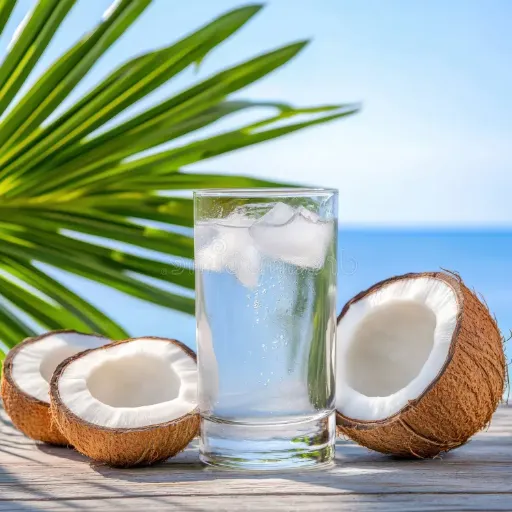
Delicious Smoothie Recipes Featuring Pressed Coconut Water
Pressed coconut water can work magic when added to a smoothie-for flavor, texture, and nourishment. For my taste, it pairs wonderfully well with tropical fruits such as mango, pineapple, and banana, making a smooth and sweet drink. Simple, yet highly nutritional, one cup of pressed coconut water with half a frozen banana, a handful of frozen mango chunks, and few ice cubes, blended, makes the yummy drink. Pressed coconut water waves the magic wherein it gives an amazing flavor that pairs well with the fruits and provides electrolytes and hydration.
Using pressed coconut water as the main base for green smoothies is yet another wonderful idea. One of my favorites consists of the following: 1 cup of pressed coconut water, a handful of spinach or kale, half a green apple, a small cucumber, and lime juice. You can also add half an avocado or some Greek yogurt for extra creaminess. The recipe makes a really good and nutritious thick smoothie that showcases the flavors of the pressed coconut water.
For an energy smoothie, use pressed coconut water with almond butter, cacao powder, and honey. Blend 1 cup of pressed coconut water, 1 tablespoon almond butter, 1 teaspoon cacao powder, half of a frozen banana, and a handful of ice cubes for a lush and energizing smoothie. The coconut water’s natural sweetness balances the richness of cacao, giving it a nice balance to its flavor. These recipes show just how versatile pressed coconut water can be and serve up tasty treats to reap from its unique taste and health benefits!
???? Tropical Fruit Smoothie
Ingredients:
- 1 cup pressed coconut water
- ½ frozen banana
- Handful frozen mango chunks
- Few ice cubes
Method: Blend until smooth for a creamy, naturally sweet beverage.
???? Green Power Smoothie
Ingredients:
- 1 cup pressed coconut water
- Handful spinach or kale
- ½ green apple
- Small cucumber
- Squeeze of lime juice
- Optional: avocado or Greek yogurt
Method: Blend for a vitamin-packed green smoothie.
⚡ Energy Boost Smoothie
Ingredients:
- 1 cup pressed coconut water
- 1 tbsp almond butter
- 1 tsp cacao powder
- ½ frozen banana
- Touch of honey
- Handful ice cubes
Method: Blend for an indulgent, energizing treat.
Using Pressed Coconut Water in Cooking and Baking
Pressed coconut water is extremely diverse. I’ve found that it is able to add sweetness and a slight nutty flavor stored during cooking or baking activities. In cooking, I generally use pressed coconut water while preparing soups, curries, and stews. It mingles well with every other cute thing in the kitchen, especially with a little spice, imparting a little depth into a Thai curry or even into an ordinary vegetable soup. Its great hydration ability coupled with natural electrolytes makes it an excellent ingredient to mix into marinades meant for either meats or tofu, enabling it to provide moisture while imparting intriguing flavors. Just like that, substituting pressed coconut water for regular water or broth in recipes can do wonders for a dish with almost no effort on your part!
The pressed coconut water offers a special nectarous note to cake batter or dough. I have used it instead of milk or any other liquid in pancake, cake, and muffin mixtures, which provide a light and tender texture, along with faint coconut flavor nuances. For example, combining pressed coconut water in a chocolate cake batter makes the chocolate richer yet balances the sweetness. It is also a great way to make dairy-free treats, as the water’s natural sweetness makes up for the absence of additional sweeteners in some recipes. Aside from enriching the glazes and frostings’ flavor, it also lends them shining and smooth qualities.
From an overall point of view, the water extracted from coconuts opens up immense possibilities of culinary and baking creativity while bringing in an authentic and nutritious spectrum of flavour to the most mundane recipes. Pressed coconut water is a customer-establishing ingredient for any chef who wants to build up an excellent reputation with tropical goodies and treats or admires a nutritious alternative.
???????? Culinary Uses
???? Cooking
- Soup and curry bases
- Stew enhancement
- Meat and tofu marinades
- Substitute for water or broth
???? Baking
- Pancake and waffle batters
- Cakes and muffins
- Dairy-free alternatives
- Glazes and frostings
Refreshing Drink Ideas for Hot Days
It is very important to stay hydrated on warm days, and there are very few drinks with the same refreshing prowess plus nutrition. One of the simple summertime treats I enjoy is made by mixing pressed coconut water with lime juice fresh from limes and a few mint leaves. This drink is thirst-quenching while also replenishing electrolytes because of the minerals naturally present in coconut water, so it is nice after spending long hours out of doors or working really hard.
A frequently prepared recipe I often whip up is a berry-flavored iced tea. First, brew your green tea and let it cool. Pour in fresh berries, such as strawberries, blueberries, and raspberries, with some honey for a slight sweetness. With that comes the antioxidants from the berries along with a hint of caffeine from the green tea, making the drink both energizing and nourishing.
A creamy yet refreshing delight is sometimes casting in the mixture alongside distilled coconut water, and blasting some tropical fruits like mangoes, pineapples, or maybe bananas with a little splash of unsweetened almond milk. Full of natural fruit sugars, fiber, and elements for hydration, this smoothie is perhaps one good, tasty way to keep oneself cool on hot days. It is through these drink options, I manage to vary my flavor and yet keep my body energized and hydrated throughout summer.
???? Summer Refreshment Ideas
???? Tropical Cooler
Pressed coconut water + fresh lime juice + mint leaves = Perfect post-workout refreshment!
???? Berry Iced Tea
Green tea + mixed berries + honey = Antioxidant-rich revitalization!
???? Creamy Tropical Blend
Pressed coconut water + frozen fruits + almond milk = Satisfying summer treat!
Reference Sources
- Pressed Coconut Water from Vita Coco – Organic Authority
This article discusses Vita Coco’s pressed coconut water, highlighting its eco-friendly production and health benefits. - Organic Pressed Coconut Water – Real Coco
A detailed description of how pressed coconut water is made by blending pure coconut water with freshly pressed organic coconut cream. - Coconut Water: Health Benefits, Nutrition and Uses – WebMD
This source provides an overview of coconut water’s nutritional value, including its electrolytes, minerals, and hydration benefits, which are also relevant to pressed coconut water.
Frequently Asked Questions (FAQs)
What is pressed coconut water and how is it made?
Pressed coconut water originates directly from fresh coconuts, having been extracted from the coconut flesh. The flesh gets pressed to release the water, which is then consumed, carrying with it many natural nutrients that coconuts have to offer. From the user’s point of view, pressed coconut water tastes fresher and contains little or no added sugar, unlike going-from-concentrate coconut water. This is beneficial for retention of potassium and high electrolyte content nice for hydration. Many brands such as Vita Coco claim to use real coconuts for a better flavor and nutritional profile.
What are the nutritional benefits of pressed coconut water?
When it comes to hydration, coconut water is rich with electrolytes and nutrients. They are high in potassium, which is crucial for proper muscle function and fluid control. Moreover, it is low in calorie content and generally not endowed with any sugar content; therefore, it is considered a healthier alternative to soda or sugary juices. Consumption of coconut water, which has vitamin C, strengthens the immune system, and the natural flavor of this water surely is refreshing on a hot summer day. Though seemingly just an opinion, often pressed types stand a chance of offering a punchier flavor and perhaps additional health benefits over the standard coconut waters.
How does pressed coconut water compare to regular coconut water?
How is pressed coconut water different from regular coconut water? It is mainly the extraction procedure, coupled with the flavor and nutrient considerations. Pressed coconut water is taken directly from fresh coconuts with more nutrients preserved and considered fresher in taste. Plus, regular coconut water sometimes may be from concentrate, thereby diluting the flavor and lessening the nutrition. In contrast, pressed coconut-water often has a shorter expiry period but offers a more profound coconut appreciation. Therefore, pressed coconut water is usually the choice considering an unfiltered coconut experience.
What types of coconut water products are available?
There are many types of products on the market, with pure pressed coconut water right on one end to flavored varieties at the other. Vita Coco, for example, offers plain and flavored varieties flavored by other fruit juices. Some of the products have some coconut puree or extra coconut for texture and flavor. Organic seems to be the latest trend, implying the consumer wants certified organic products. Coconut water with electrolyte additions is now available for athletes and those who need a thorough replenishment. Each variation differs in taste, sugar content, and nutritional benefits.
Can pressed coconut water be used in smoothies?
Pressed coconut water stands out as an excellent addition to a smoothie, offering a refreshing coconut note while keeping one hydrated. Its natural sweetness complements many fruits, providing an excellent base for tropical smoothie recipes. Most people like to use fresh pressed coconut water in preference to regular coconut water so as to give the taste and nutritional benefits of their smoothies a boost. If you wish to make it more creamy in texture and taste, throw in a little dash of coconut cream. Another point for the smoothies is that it contains low amounts of sugar, which makes sure that the smoothies stay healthy and energized.
What are the benefits of coconut water drinks?
Some things that coconut water drinks can do for you include hydrating and renewing electrolytes lost during exercise. The considerable potassium is a key element in blood pressure regulation and muscle functioning. Unlike many commercialized drinks, coconut water is low in calories and generally has very little added sugars; therefore, it can be an excellent thirst quencher instead of cola or energy drinks. The genuine taste of coconut water can definitely go down very well though, especially if served chilled. Its vitamin C and antioxidant properties make many believe that using it in their diets can greatly support overall health.

DU
Articles: 45


Trending now