Get in touch with Victorystar

The Ultimate Guide to Apple Juice Processing Line for Sustainable Juice Production

Contents
show
Apple juice is enjoyed by everyone, known for its gusty freshness and nutritional goodies. But have you ever thought about what it really takes to make that golden bottle of apple juice, all the while, trying to maximize the drink’s green footprint? Having said this, in an era when sustainability hits the most important mark, the food and beverage industries are taking on newer practices to fulfill this dual wish-list of green-conscious consumers. This itinerary takes a deep dive into the apple juice processing line, focusing on the confluence of contemporary technologies and sustainable solutions in making a juice with true class. Whether you are a professional in the industry or just an inquisitive onlooker wanting to know about the production processes behind their favorite drink, this article offers a comprehensive insight into sustainable closing of the gap between apple juice-from-farm-to-marketing, from apple sourcing to packaging of the final product.
Overview of Apple Juice Processing
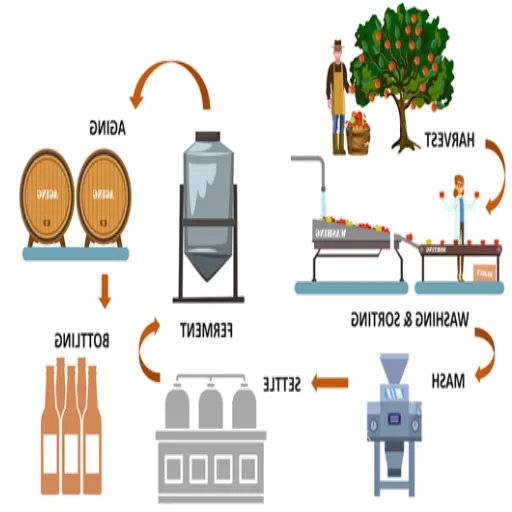
Understanding the Juice Production Process
The production process of apple juice begins with picking and sorting the very best fresh apples. The apples are then thoroughly washed to rid them of dust, residues, or impurities before they undergo the next step of processing. After washing, the apples are crushed in order to liberate the juice. This is done with specialized equipment that is intended to extract maximum juice with minimum wastage.
The next step in this process is filtering a juice to get out any residue and to ensure it will be standardized in texture. Depending on the target product, the juice can then be pasteurized to destroy pathogenic bacteria and thus to increase shelf life; it is necessary during all these operations to keep its original taste and nutritional value. Now technology is advancing to the point that higher pressure processing can be used as an alternative to thermal pasteurization with all the benefits of it being safe for the juice while brightening the taste and nutrient value of the juice.
At the moment, sustainability is considered at every step of production, with some producers collecting recycled water for use in one aspect or another, operating machinery that is less energy-hungry, or using by-products such as apple pulp for feeding livestock or composting. Other innovations in packaging aim to further the green practices, to see that the product wastes no time being an alien delight for customers but becomes an ally to sustainability.
Importance of Sustainable Practices in Apple Juice Production
Sustainable production engenders benefits for nature as well as for the industries. Through water recycling systems, producers reduce water consumption to great extents, which in turn are crucial to decreasing damage from water scarcity. An energy-efficient machinery will reduce the carbon footprints of the productions and thereby help to counter climate change. Further, the utilization of what were once considered wastes-as apple pulp-for animal feed or composting, alleviates waste disposal problems and supports the concepts of a circular economy. These businesses have a positive brand image, showing the consumer that the company is making efforts toward environmentally friendly operations, and have a higher long-term profitability mostly due to operational cost savings. Furthermore, these activities hold out the hope of fairly profitable eco-consciousism without sacrificing product quality.
Key Manufacturers in the Fruit Juice Processing Industry
Leading manufacturers innovate and deploy the highest technology levels as well as uphold the best in sustainability practices within the fruit juice processing industry. Brands such as Tropicana, famous for their fresh and natural juices, and Del Monte, which produces the broadest range of juice products, have given the consumer greater power to demand quality beverages. Minute Maid, on the other hand, earns its prominence through its multitude of flavor varieties and great global reach. Moreover, Döhler and ADM are two heavyweights that develop and supply integrated solutions for juice processing and ingredient supply. These manufacturers fast-track R&D and sustainability whilst maintaining optimized functionality, standards, and concerted efficiencies. Working together, they meet the shifting preferences of consumers while simultaneously maintaining an environmentally conscious mode of production.
Apple Juice Production Steps

Harvesting and Selecting Quality Apples
At the start of the process, apples undergo selection at peak ripeness to have an overriding flavor, sweetness, and acidity for juice production. Farmers watch the orchards with respect to their apple exhibited variety, climate conditions, and harvest timing; modern agricultural practices-precision agriculture tools and insights based on data-are used to determine the correct time for harvesting. Once selected, apples are passed through inspection for quality requirements that demand acceptance or rejection; damaged and under-ripe ones are discarded to ensure consistency of products. This careful selection stage is crucial to produce superlative apple juice that meets consumer satisfaction.
Washing and Preparing Apples for Juice Extraction
After carefully inspecting the apples, the next operation is thoroughly washing them to get dirt, debris, or contaminants away. This procedure is to make sure that the fruit is clean and safe for juice-making. New-age apple-washing systems employ a high-pressure water spray together with rotating brushes to have the fruit cleaned properly. Apart from water, sometimes food-grade sanitizers are used for the thorough sanitization of the apples without interfering with their taste or quality. This sheer washing is necessary from a sanitation standpoint and to ensure the freshness of the final product.
After the apples have been washed, they are prepared for juice extraction. This involves sorting them again to discard any unacceptable bruised fruits that somehow had missed the first inspection. Depending upon the approach and equipment used, the apples would then be chopped, crushed, or milled into a pulp for further juice extraction. Usually advanced machinery is used for consistent processing so as not to waste any juices while maintaining the maximum nutrients and flavor in the apples. Adequate preparation not only facilitates easier juice extraction but makes them better in terms of sensory qualities like taste and clarity.
Juice Extraction Methods
Modern methods of juice extraction combine some mechanical and technological means to ensure high efficiency and quality. A hydraulic press applies tremendous pressure on the prepared pulp to extract every bit of juice. All this means maximum juice from less pulp and minimal trauma to the juice with respect to flavor and nutritional qualities. The other popular approach, especially when it comes to industrial quantities, is centrifugal extraction, wherein pulp is spun at high rpm speed in a cylindrical drum so that juice gets separated from solid matter with the help of centrifugal force. Other recent innovations, including cold-pressing and enzymatic extractions, have come in favor for their ability to preserve the fresh flavor and main nutrients of the juice. Such systems, coupled with advanced filtration systems, hence aid in producing transparent, good-quality juice catering to consumer variations.
Juice Preservation Techniques
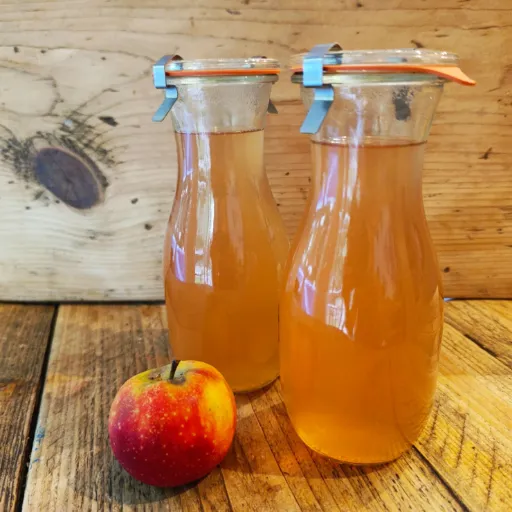
Pasteurization Methods for Apple Juice
It is an essential process to ensure that juice is safe and of good quality by destroying helpful microorganisms in apple juice and keeping its natural flavor and nutritional values. For pasteurization of juices, thermal or non-thermal methods can be used. Thermal pasteurization is done by heating the juice at a temperature for a fixed time. For the temperature at about 160°F (71°C), it is kept for 6 seconds, or if the temperature is 185°F (85°C), it remains there for 15 seconds, enough to reduce any pathogenic bacteria.
These newer methods being applied in non-thermal pasteurization, such as high-pressure processing and UV treatment, are gaining popularity due to their minimal effects on taste and nutrition. Intense pressure is utilized in HPP to destroy microorganisms without the use of heat, whereas in UV treatment, ultraviolet light is used to destroy harmful pathogens. The developments meet the modern-day requirements of consumers regarding the minimal processing of beverages with longer shelf lives, along with ensuring food safety standards.
Clarification Processes in Juice Production
Clarification is an essential stage of juice production to enhance the visual appeal and texture of the juice. It involves the removal of suspended solids such as pulp, pectin, starch, etc., from the juice so that it appears clear and equally consistent. Typically, enzymatic treatment is employed wherein enzymes such as pectinase degrade pectins and other complex molecules to aid in their extraction. The juice would then be subjected to filtration by ultrafiltration or microfiltration methods that separate solids depending on particle size while retaining nutrients and flavors. Also used is the centrifugation method which quickly separates solids from liquids via centrifugal force. This allows the entire process to give a product that consumers desire in clarity and quality while still conforming to nutritional criteria.
Packaging Solutions for Freshness Retention
Modern packaging solutions unveil a whole new avenue for preserving freshness and quality in juices. Multilayer barrier packaging materials, for instance, protect from oxygen and light that Basically impart changes in flavor and nutrient contents of juices. Aseptic packaging methods enable the juices to be sealed in sterile conditions, thereby gives longevity to their shelf life, without the intervention of preservatives. More recent styles of active packaging keep the juices fresh by absorbing oxygen or releasing natural preservatives. From the recording box of sustainable packaging, biodegradable materials and cartons made from recyclable materials seem to move upward because consumers demand products that are environmentally responsible while sustaining product integrity. Innovations are geared toward safe delivery of juices to consumers while ensuring they remain optimally tasty and nutritious.
Quality Control in Fruit Juice Processing

Testing and Ensuring Juice Purity
Ensuring the purity of juice is has an utmost importance in quality control in the fruit juice industry. Using advanced methods of testing, an analysis is made of the composition of the juice for contaminants or any additives that might compromise the quality. The typical techniques of high-performance liquid chromatography (HPLC) and mass spectrometry are meant to check levels having natural sugars, vitamins, and any possible residues. Microbial testing further assures the absence of harmful bacteria or pathogens in the juice. Typical sensory evaluation regimens for taste, smell, and color bonding ensure that the product meets the standards to be accepted for flavor and appearance. Such stringent tests, therefore, assure the customer with a product that is not just safe but almost has all the traits of fresh fruit.
Regulatory Standards for Apple Juice
The production of apple juice is regulated by stringent regulations so as to meet consumer safety needs and ensure adequate quality. The standards, which are formulated by national organizations such as the U. S. Food and Drug Administration (FDA) and the international Codex Alimentarius, provide explicit guidelines in different respects of the production process-from source to processing, packaging, and labeling. According to the FDA, the levels of pollutants such as arsenic and patulin must be kept below certain prescribed limits, with the latter being a toxin that may be generated in apple products. Testing must be performed regularly to ensure the limits still hold and are adequate in preserving the interests of public health.
Labeling requirements are also considered among the vital factors when it comes to apple juice regulations. Producers must state truthful labeling information when it comes to ingredients, nutritional values, and potential allergens. A false claim may be offered, for example, stating that the product is “100% pure,” when it is not, indeed, pure and it has additives or sugar added. Transparent labeling gives consumers confidence and makes it easier for people to decide for themselves as far as dietary necessity or preference.
Furthermore, regulations often require apple juice manufacturing units to implement HACCP (Hazard Analysis and Critical Control Points) systems. This preventive system identifies hazards to food safety and controls them at critical points during the production process. From sourcing good quality apples to ensuring that the end product is free from microbiologic contamination, measures instituting safety help boost market confidence. Together, these regulatory standards give apple juice a very good reputation in quality and promote public health objectives.
Consumer Preferences and Market Trends
The changing consumer preferences in apple juice label products have obviously swayed these consumers toward organic, natural, or sugar-free options. Health and wellness have found their importance among shoppers and transparency regarding source and ingredient materials or production methods holds their interest. Consequently, with a growing demand for sustainable packaging, many are considering recyclable or biodegradable materials. The growth in the premium apple juice segment is aged by the existence of willing customers paying the price for high-quality, cold-pressed types. Industry innovation also attests to changing tastes and demands with the introduction of functional apple juices fortified with vitamins and probiotics. These trends suggest the dynamics within the market as brands attempt to address the expectations of health conscious and environment-aware consumers.
Innovations in Apple Juice Processing

Emerging Technologies in Fruit Juice Production
During my inquiry over emerging technologies in fruit juice production, I have uncovered a strong inclination towards improving efficiency while retaining nutrients and characteristic juice taste. The exciting development is High-Pressure Processing. It is a non-thermal treatment in which high pressure is applied to kill pathogenic bacteria and thereby extend shelf life while preserving the original flavor and nutrition of juice. In contrast to conventional pasteurization, HPP carries out no manifestation of heat, which degrades juice quality. This technology has been embraced by several brands to appeal to those seeking minimally processed drinks.
Yet another breakthrough is the application of cold plasma technology. It is an innovative way to sanitize juices and packagings with ionized gases that provides a cleaner alternative to chemical treatments. Cold plasma is promising as far as reducing processing times and energy requirements while keeping food-safe. Also, membrane filtration techniques such as nanofiltration and reverse osmosis have emerged to concentrate and purify fruit juices better, yielding products of consistent quality with extended shelf life.
What strikes me here is the nexus between these technologies and the growing demand for clean-label products and eco-friendly mannerisms. Producers are increasingly adopting IoT and AI solutions to monitor quality and streamline production processes in real-time. These sophisticated tools boost operational efficiency while incurring less waste and energy consumption. The synergy of innovation with sustainability is truly captivating; the industry develops fruit juices satisfying present-day consumer considerations whilst promoting environmental stewardship.
Sustainable Packaging Solutions for Apple Juice
When it comes to sustainable packaging for apple juice, I feel the industry is making big strides with respect to innovating and utilizing green options. One of the most common solutions is the employment of biodegradable or compostable packaging materials made from plants, such as sugarcane fiber or corn starch. While these materials decompose outright, they theoretically lessen the volume of landfill waste and in turn, provide an environmental advantage to the disposal of such packaging. A bottle of the same brand packaging can equally claim to be a strong contender for packaging, putting the glass bottle right here with it, highly recyclable and may be reused a number of times without impairing the drink’s quality.
Starting with another interesting trend, I would say the bounce-back lightweight packaging design, which essentially offers less material volume. On one hand, companies work on developing thin plastic liners for cartons, on the other, the emphasis goes to recyclable paperboard. These changes result in a win on the reduction of carbon footprint due to their production and transportation, and a win on the circular economy by making it easy for the consumer to recycle packaging. Plus, some brands are trying out refillable packaging systems so the consumer can cut down on waste by reusing their own containers.
Through these sustainable packaging choices, the apple juice industry clearly maintains that it reduces the impact on environment while meeting the increased consumer demand for green options. Modern technology and conscious design have reshaped how we package and consume everyday products such as apple juice. These great advances, therefore, go off to build trust with consumers who are conscious of the environment and of course are a plus for the environment.
The Future of Beverage Industry: Trends in Apple Juice
In my opinion, the said apple juice industry has several trends forming its future, with consumer preference for health, sustainability, and innovation playing a pivotal role among the different trends. It is much in demand these days to market natural or organic apple juice. Recently, the consumers are becoming more health-conscious and thus seek out such beverages that do not contain added sugars, artificial flavoring, or preservatives. This clean-label philosophy should help the manufacturers to seriously look at the ingredients and focus on those that are great quality, perhaps even from farms in their own communities. Organic labeling is a major plus because they want to make sure that the product has no traces of pesticides or harmful chemicals.
Another important trend is sustainable manufacturing and packaging solutions. As the awareness of climate change and the environment is made louder, manufacturers would adopt more environmentally friendly manufacture methods using recyclable packages or biodegradable packages. Plant-based cartons, reusable glass bottles, or even edible packaging solutions are winning in popularity. Furthermore, some innovations that conserve water and energy during production assist manufacturers in lowering some significant parts of their carbon footprint.
Finally, technology indeed plays a vital role in renovating the apple juice segment. Enhanced processing techniques ensure better retention of flavor, nutrients, and freshness, giving a satisfactory product experience to consumers. There is also an upward trend of functional apple juice drinks introduced with special vitamins, probiotics, or botanical infusions to satisfy the wellness domain. Going by these trends, the future is reflected where the apple juice market thrives not just by satisfying the consumers’ needs but also in meeting health and environmental goals.
Reference Sources
- The Process and Benefit of the Apple Juice Processing Line – Tando Beverage
This source outlines the stages of apple juice processing, including washing, grading, and juice extraction. - Processing Apples into Juice – Alfa Laval
A detailed guide on high-quality continuous processing lines for apple juice concentrate. - Apple Juice Processing Plant – Scribd
This document describes the entire apple juice production process, from sorting and cleaning to juice extraction and clarification. - Apple Juice: Health Benefits, Environmental Impact – Beleaf Juice
A discussion on sustainable apple production and the growing demand for eco-friendly apple juice. - How to Make Apple Juice That Doesn’t Cost the Earth – The Guardian
A guide to producing apple juice sustainably, with tips on minimizing environmental impact.
Frequently Asked Questions (FAQs)
What is the process of apple juice production?
The process of producing apple juice starts with the selection of first-grade apples that are ripe and free of any blemishes. After washing and sorting, these apples are crushed to draw out their juice, which undergoes different treatments such as pasteurization to kill harmful organisms. The pasteurization process, in turn, combines with a preservation of flavor and nutritive value of the juice. Post-pasteurization, the juice is filtered to remove solid particles so as to produce a finer texture. Finally, it is bottled and bagged in boxes to allow for an extended shelf life while retaining all quality standards.
How do manufacturers ensure the quality of apple juice?
Maintaining quality standards in apple juice production involves implementing stringent procedures from procurement of raw materials up to packaging. Initially, the growers procure fresh apples at their best level of ripeness to flavor the juice. Then, throughout the process, machines are used to efficiently extract, pasteurize, and filter the ripe apple juice. The nutrient content and/or flavor profile are regularly checked to assure quality. For ensuring fresh and safe juice during storage, appropriate sealing methods are used, thereby protecting against contamination.
What machines are used in apple juice processing?
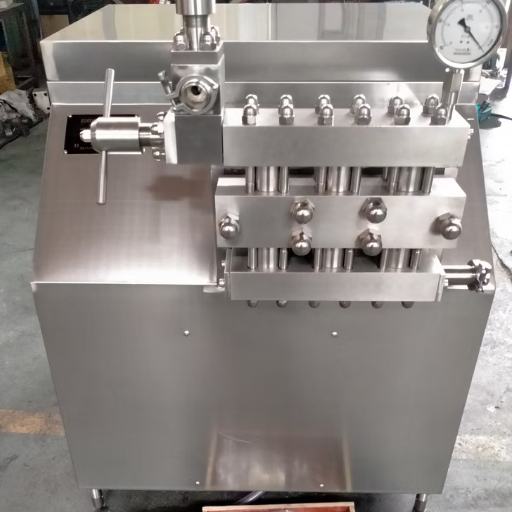
Various machines are useful for enhancing productivity and quality while processing apple juice. It starts with the crusher or press to extract juice from the apples. The pasteurization machine heats the juice to kill organisms so that the juice can retain its flavor. Filtration apparatus follows to clarify the juice from any particle. Following that is the bottling machine that is used for bottling either in glass or bag-in-box for giving the juice maximum shelf life. Each of these machines works in coordination within the fruit juice processing line.
What methods are used to preserve apple juice?
There are a variety of ways of preserving apple juice to retain its flavor and nutrition. Pasteurization, or heating to kill harmful organisms while preserving natural flavor, is one very common method. Another method is high-pressure processing, which extends shelf life while improving freshness by eliminating bacteria. Enzymes also play a role in enhancing clarity of juice by decreasing cloudiness. Proper packaging through vacuum-sealed containers or bottles then serves to avert spoilage so that the consumers can enjoy their freshly made juice at their leisure.
What is the shelf life of pasteurized apple juice?
Shelf life may vary depending upon conditions of storage and kind of packaging method used. Usually, when stored in a cool place away from light and kept jarred or sealed in containers, pasteurized apple juice will sell well for about 6-12 months. It is advisable to consume the juice within a week upon opening for the best taste and quality. Vacuum sealing and filtration techniques are processed in conjunction to maximize shelf life. Consumers should always check expiration dates and maintain proper storage temperatures to keep the juice fresh.
What factors affect the flavor of apple juice?
Besides the type of apples used, several other factors can affect the flavor of apple juice. Different varieties of apples differ in flavor profiles such as sweetness or tartness. Also, the level of ripeness of apples at processing time is very critical since overripe or underripe fruit can change some aspect of the juice’s taste. The extraction and pasteurization methods affect the flavor, that is, they can either build up or wash out delicate flavors. Lastly, any sweeteners or preservatives added during processing will also alter the taste profile. Manufacturers usually perform flavor tests first to be sure that the juice qualifies according to standards before packaging.

DU
Articles: 45
Trending now