Get in touch with Victorystar

The Ultimate Guide to Yogurt Processing Line

Contents
show
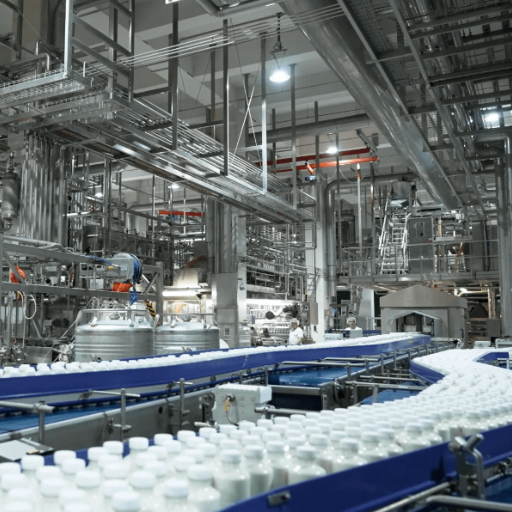
Yogurt has proved to be a common food item in almost all diets around the globe, with the main reasons for its being loved the rich and varied taste, creamy texture and the numerous health benefits. However, have you ever wondered how such a widely consumed product is made in the factories? The detailed tour of the yogurt processing line basically reveals a pretty remarkable mixture of science, technology, and skills that transform the basic ingredients into the tasty and versatile food that we all share and use in our daily lives. The following guide will take you through the critical stages, machines and techniques involved in yogurt production, thus giving you a good understanding of the business. The guide is designed to help you get the best out of the product regardless of whether you are a professional in the food industry, an investor or simply someone who is curious about the making process of yogurt. As a result, this comprehensive guide is bound to make you well aware of the contemporary yogurt manufacturing situation.
Introduction to Yogurt Production

History of Yogurt
The saga of yogurt rolls back to a very long time ago, and its first traces can probably be found in the area of Mesopotamia about 5000 BCE. The manner in which it was discovered is by and large thought to be that the early herders made yogurt by mistake when the milk they had stored in animal skins became fermented through the action of beneficial bacteria together with warmth and finally turned to yogurt. Thus, yogurt became known in different cultures and civilizations and later on turned to be an important food in places like Central Asia, the Middle East and Europe.
📊 Global Yogurt Production Statistics
The consumption of yogurt is still thriving nowadays, and worldwide production has been more than 24 million tons over the past few years according to the latest data. The modern industry’s innovations have made the yogurt-making process very elaborate, thus improving the taste, nutritional content, and shelf-life through the use of precise fermentation techniques and cutting-edge technologies.
Even though technological advances have been made, the core of yogurt as a nutrient-rich, probiotic-rich food is still the same as in ancient times. The remarkable coupling of tradition and modernity keeps yogurt as one of the most popular dairy products across the world, being appreciated for its health benefits and culinary adaptability.
Nutritional Benefits of Yogurt
Yogurt is a highly nutritional food and one of the main reasons for its beneficial impact on a balanced diet. It offers numerous health advantages that make it a valuable addition to everyday meals.
🥄 Key Nutritional Benefits
- High Protein Content: Supports muscle repair and growth while promoting satiety for longer periods
- Excellent Calcium Source: Essential for maintaining strong bones and teeth throughout life
- Vitamin D Fortification: Many varieties are enriched with Vitamin D to enhance bone health
- Probiotic Benefits: Contains live bacteria that facilitate healthy gut microbiome development
- Heart Health Support: Potassium-rich yogurt helps regulate blood pressure
- Weight Management: Regular consumption is associated with better weight control and reduced risk of type 2 diabetes
Latest studies have shown that consumption of yogurt regularly is associated with control over one’s weight and heart health, which is especially true if potassium-rich yogurt is consumed. These characteristics of yogurt combined make it a superfood, which is suitable for different types of diets.
Market Demand for Yogurt
The consumer demand for yogurt continues to rise continuously, mainly as a result of the health benefits and usage of yogurt that are becoming more and more known to consumers. The latest data from the world’s biggest search engine shows that queries related to “health benefits of yogurt,” “high-protein snacks,” and “probiotic-rich foods” have increased notably over the past few years, which is a clear indication of the growing interest in diets that take wellness into account.
📈 Consumer Trend Insights
The preventive health care and nutrition approach globally has led the consumers to functional foods for their general wellness which confirms the earlier trend. In addition, the softening of tastes, changing of dairy to plant-based alternatives, and modernize packing have collectively made yogurt a major protagonist in the health and wellness market for all ages, races, and places. The increasing interest indicates that yogurt will continue to be a leading health food for a long time.
Types of Yogurt
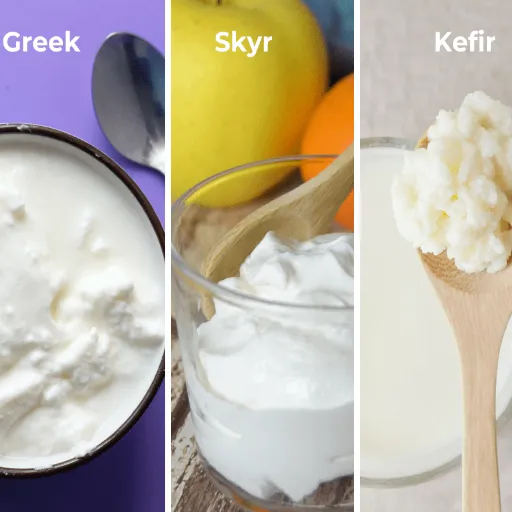
Traditional Yogurt vs. Greek Yogurt
If we look at the yogurt world, the traditional yogurt vs. Greek yogurt battle, the first differences one would notice are texture, nutritional aspects and production method. In the case of traditional yogurt, the process starts with milk fermentation with live bacteria, resulting in a product with smooth and creamy texture as well as nice and mild taste. Nonetheless, the creamy and smooth nature of traditional yogurt is still a hit among consumers who appreciate milder flavors.
Greek yogurt, on the other hand, is a yogurt that went through a process of additional straining to take out unnecessary whey causing it to have a thicker texture and a taste that is more tart.
Nutritional Comparison
| Feature | Traditional Yogurt | Greek Yogurt |
|---|---|---|
| Texture | Smooth and creamy, lighter consistency | Thick and dense, strained texture |
| Flavor | Milder, less tangy | More tart and pronounced |
| Protein Content | Moderate protein levels | Higher protein (nearly double) |
| Carbohydrates | Higher carb content | Lower carbohydrates |
| Calcium | Higher calcium (whey retained) | Lower calcium (whey removed) |
| Best For | Smoothies, dressings, desserts, bone health | Fitness enthusiasts, low-carb diets, high protein needs |
Lately, search trends have shown that there has been a huge increase in the number of searches connected to “how Greek yogurt is good for you”. This points out that a lot of consumers are becoming more and more aware of its health benefits like high protein content and its compatibility with a health-conscious lifestyle. At the same time, searches for “traditional yogurt recipes” reflect its great adaptability, since it is still the main ingredient in making smoothies, dressings, and desserts. Both products give rise to different uses and provide health benefits that are not exclusive, thus, their consumption can be dictated by one’s dietary and culinary needs.
Flavored Yogurt Variants
The trend of flavored yogurt has been on the rise and shows no signs of slowing down, as people see these products as a way of combining the best of both worlds – the health benefits and the taste of deliciousness. A survey done recently by search engines revealed that “best fruit-flavored yogurt” and “low-sugar yogurt options” were among the leading queries which indicates consumers’ desire for choices that are both health-oriented and indulgent.
🍓 Popular Flavor Categories
Classic Favorites:
Strawberry, Blueberry, Vanilla
Adventurous Blends:
Mango-Chili, Honey-Lavender
Health-Conscious:
Low-sugar, Sugar-free options
Plant-Based Flavored:
Non-dairy flavored varieties
Strawberry, blueberry, and vanilla are the most well-liked flavors among the majority, while on the other hand, some are adventurous enough to go for mango-chili and honey-lavender flavors just because of their unique blends. Besides, the survey also mentions the rise of flavored plant-based and non-dairy yogurts which signals the need for such products that cover the entire range of dietary needs. Flavored yogurt is still the go-to option that can accompany you during breakfast, as a snack, or even as a dessert that you do not have to feel guilty about.
Non-Dairy Yogurt Alternatives
There has been a big increase in the interest surrounding non-dairy yogurt alternatives as indicated by the latest data from search engines. A lot of people are looking for “best plant-based yogurts,” “vegan yogurt options,” and “lactose-free yogurt brands,” which all point to consumers who are more health and sustainability conscious.
🌱 Popular Non-Dairy Bases
- Almond Yogurt: Light and nutty flavor profile
- Coconut Yogurt: Creamy texture with tropical undertones
- Soy Yogurt: High protein content, closest to dairy texture
- Oat Yogurt: Mild flavor, smooth consistency, eco-friendly
Almond, coconut, soy, and oat are some of the most popular replacements, and each of them has its own unique flavor and texture that can fit with different people’s tastes. In addition, there is also a strong market for probiotics-fortified products which helps to indicate that consumers are getting increasingly aware of gut health. This whole scenario shows that the non-dairy sector needs to be quick on its feet with innovations in order to keep up with a clientele that is becoming more and more health-conscious and eco-friendly at the same time.
Essential Equipment for Yogurt Production
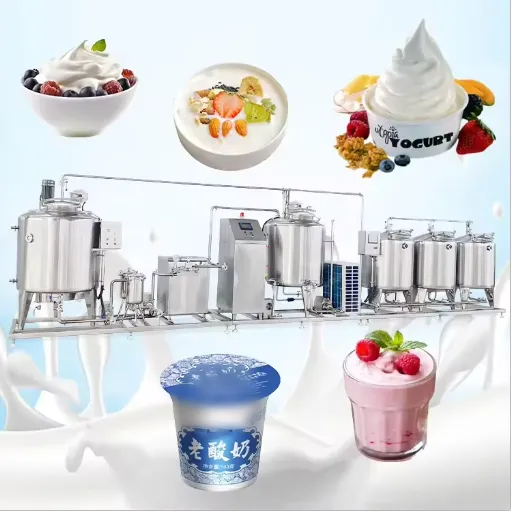
Yogurt Machines Overview
Yogurt machines are devices vital not only for commercial producers but also for home users who try to get the best possible yogurt quality. These machines keep the fermentation temperature constant and usually around 110°F to 115°F, which is optimum for the live cultures and yogurt-making or non-dairy milk-making process. New yogurt makers often have high-tech features like digital timers, several container choices, and pre-set programs for different types of yogurt.
🔧 Key Features in Modern Yogurt Machines
| Feature | Benefit | Consumer Priority |
|---|---|---|
| Digital Timers | Precise fermentation control | High |
| Multiple Container Options | Batch size flexibility | Medium |
| Eco-Friendly Design | Sustainable, energy-efficient | Very High |
| Non-Dairy Compatibility | Works with almond, soy milk | High |
| Easy Cleaning | Low maintenance, time-saving | Very High |
Search engine reports unveil the latest trends in yogurt machines for home use, pointing towards the growing consumer interest in compact and user-friendly machines. The search queries reveal that there is a consumer shift towards machines of eco-friendly design, energy-efficient operation, and non-dairy milk compatibility with almond and soy types. Furthermore, consumers are favoring machines that are simple to clean and do little in terms of maintenance, with time-saving being a major reason for this choice. This signifies that there is a slow but sure movement in the market towards yogurt-making factors that are sustainable, health-oriented, and customizable.
Pasteurization Equipment
Pasteurization equipment is an indispensable part of the yogurt-making process in both commercial and home-based operations. Search engines are indicating that consumers want pasteurization equipment that is small, user-friendly, and versatile for different dairy and non-dairy products.
⚙️ Modern Pasteurization Features
- Precise Temperature Controls: Advanced heating and cooling systems for optimal nutrient retention
- Energy Efficiency: Reduced power consumption for sustainable operations
- Easy Maintenance: Simple cleaning processes to minimize downtime
- Versatility: Compatible with both dairy and non-dairy products
The pasteurization machines which are the latest in the technology and have temperature controls for heating and cooling and are capable of retaining the nutrients have been the most searched the most. Moreover, energy use and cleaning ease are still very important factors for the consumers to consider. This shows that more and more buyers are becoming aware and thus demanding equipment that is eco-friendly and at the same time meets various dietary requirements.
Fermentation Tanks
Fermentation tanks are now in the spotlight more than ever, in fact, they are the ones to attract most searches among hobbyists, small-scale producers, and even large breweries. The latest data from search engines show that consumers keep looking for tanks which offer a good combination of functionality and price.
🔬 Fermentation Tank Considerations
Common Consumer Questions:
- “What is the perfect size of the fermentation tank for homebrewing?”
- “Which materials are the best for maintaining quality of fermentation?”
Popular Features:
- Stainless Steel Construction: Durability, low maintenance, quality preservation
- Temperature Control Systems: Precise handling for high-quality production
- Versatility: Suitable for craft beer, kombucha, wine, and yogurt production
Tanks made of stainless steel are becoming the first choice for producers for the reason that they are strong, easy to maintain and do not affect the quality of fermentation. Additionally, tanks with automatic temperature control are very much sought after as temperature management is very crucial in producing top-quality craft beer, kombucha, and wine. Therefore, the trends suggest that the consumers are looking for fermentation solutions that are very efficient, economical, and versatile.
Step-by-Step Yogurt Processing Methods

📋 Complete Yogurt Production Process
The yogurt production process involves several critical stages, each requiring precision and attention to detail. The following sections outline the complete workflow from milk reception to final packaging.
Step 1: Milk Reception and Quality Check
The processing of milk reception starts with the raw milk being delivered to the processing facility where it is subjected to a detailed quality check to ascertain its conformity with the required standards for yogurt production. The evaluation in this process includes checking the temperature, pH level, and the detection of any contaminants or impurities.
Quality Assessment Parameters
- Temperature monitoring and control
- pH level testing for acidity
- Contaminant and impurity detection
- Infrared analysis for rapid testing
State-of-the-art facilities utilize modern technology like infrared analysis and automated systems to perform the tests faster and more precisely, atthe same time, ensuring correct outcomes. Recent search data gives a hint that consumers are annually becoming more cognizant of the transparency and safety measures behind their food production processes making these quality checks necessary for both regulatory compliance and consumer trust. Thus, manufacturers keep on producing the same premium quality yogurts by following these rigorous standards.
Step 2: Pasteurization Process
Pasteurization is one of the vital operations in the yogurt-making process that is aimed at the destruction of bacteria and the production of safe final goods. The heating of milk is done during this operation until a certain temperature is reached for a certain period to kill the germs and at the same time, not to harm the quality of nutrition.
🌡️ Pasteurization Impact
| Aspect | Effect | Consumer Benefit |
|---|---|---|
| Harmful Bacteria | Eliminated completely | Enhanced food safety |
| Beneficial Nutrients | Preserved and protected | Nutritional integrity maintained |
| Taste Profile | Minimally affected | Original flavor retained |
| Product Safety | Significantly improved | Consumer confidence increased |
The information that was gathered from search engines shows that the consumers are still inquiring about the effects of pasteurization on the yogurt’s taste or health. The method used to answer the question about pasteurization is very clear—the process is very effective in killing all the bad microbes but at the same time preserves the good nutrients thus assuring safety and integrity of both nutrition. This step not only fulfills the legal requirements but also contributes to the trust that consumers have in the safety and quality of the yogurt they purchase.
Step 3: Fermentation and the Role of Starter Cultures
The fermentation process in yogurt production is a very significant step that induces the transformation of milk into the product that is tangy and creamy and adored by many. The transformation of milk into yogurt depends a lot on starter cultures, which come from the bacteria, Lactobacillus bulgaricus and Streptococcus thermophilus, which are called the good bacteria.
🦠 The Fermentation Process Explained
- Culture Addition: Starter cultures containing beneficial bacteria (Lactobacillus bulgaricus and Streptococcus thermophilus) are added to cooled milk
- Sugar Conversion: Bacteria consume milk sugar (lactose) and produce lactic acid as a byproduct
- Thickening Process: Lactic acid causes milk proteins to coagulate, creating thickness
- Flavor Development: Characteristic tangy taste develops through lactic acid production
- Time Duration: Fermentation typically takes several hours under controlled temperature conditions
The process of fermentation takes place when these organisms use the sugar (lactose) in milk and make lactic acid as a by-product leading to milk thickening and flavor development. The latest search data from engines suggests that many consumers are quite interested if the health benefits of yogurt get affected by the type of starter culture. The response is yes—specific strains can increase the yogurt’s probiotic content thus giving digestive health and even immune system benefits. The selection of quality starter cultures allows for the consideration of maximum fermentation keeping yogurt nutrient rich and flavorful that is loved by health-conscious people everywhere.
Step 4: Cooling and Packaging Techniques
Cooling and packaging are among the most important steps in the process that helps yogurt to keep its quality and prolong its shelf life. Many questions concerning how these methods can carry on the probiotic part of yogurt have been raised and these have been answered in the latest data from search engines.
❄️ Cooling & Packaging Best Practices
| Process | Purpose | Benefit |
|---|---|---|
| Rapid Cooling | Bring to safe storage temperature | Keeps living cultures intact |
| Airtight Containers | Prevent oxygen exposure | Protects probiotic viability |
| Light-Resistant Packaging | Block harmful UV rays | Preserves nutritional value |
| Proper Sealing | Maintain freshness and hygiene | Enhanced taste and texture |
Rapid cooling brings the yogurt to a safe storage temperature which is one of the steps that help keep living cultures intact. Packaging that is done properly, for instance, using containers that are airtight and that also resist light, will further prevent probiotics from being exposed to oxygen and harmful UV rays. The nutritional value of yogurt is preserved through these practices, but at the same time, taste and texture are improved, thus, they meet the expectations of health-oriented consumers.
Quality Control Measures in Yogurt Manufacturing
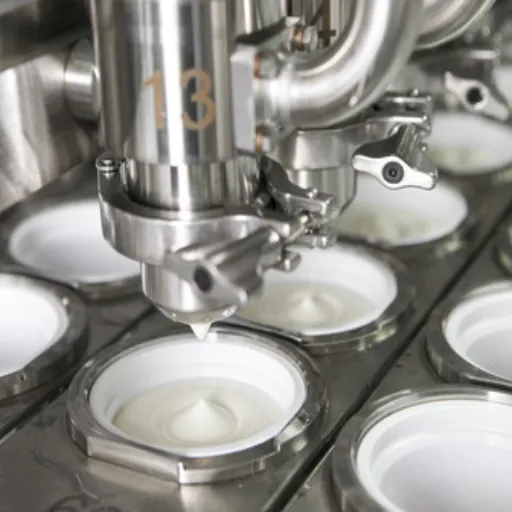
The Role of Quality Control
Quality control in the production of yogurt is of utmost importance as it guarantees that the end product is fit for human consumption in terms of safety, nutrition, and flavor, thus meeting both the legal requirements and the expectations of consumers. As per the latest reports, customers are finding healthier options and therefore more and more inclined to health-rich products, evidenced by the increasing popularity of searches for “probiotic yogurt” and “nutritious dairy alternatives”.
✓ Quality Control Benefits
- Eliminates chances of contamination and spoilage
- Facilitates compliance with safety regulations
- Enhances brand image among consumers
- Benefits manufacturers, bacteria (cultures), and customers alike
Quality control is a vital factor that benefits all parties involved. Quality protocols that are followed throughout the production process eliminate the chances of contamination and spoilage, thus facilitating compliance with safety regulations and even possibly enhancing the brand’s image among consumers in the food market.
Quality Control Tests that are Commonly Conducted
The highest possible quality is guaranteed in probiotic-rich yogurt and other nutritious dairy products through the implementation of different quality control tests by manufacturers.
🔬 Essential Quality Control Tests
1. Microbiological Analysis
Proves the presence and viability of live probiotic strains, ensuring the product delivers its intended health benefits
2. pH Testing
Monitors acidity levels which directly influence both taste and shelf life of the yogurt
3. Sensory Evaluations
Assesses taste, texture, and aroma as the overall quality relies on these factors and consumer expectations
4. Contaminant Testing
Rapid testing for pathogens and spoilage organisms using advanced analytical technology, reducing risk of recalls
The latest updates from search engines show a significant increase in consumer interest towards “probiotic benefits” and “safe, top-quality dairy”, thus shedding light on the transparency of quality throughout the production chain being one of the most important factors of the process. When rigorous quality control tests are implemented together with public demand insights, producers will be able not only to adhere strictly to safety standards but also to have their products in line with changing consumers’ priorities, thereby strengthening brand loyalty and market expansion as a result.
Maintaining Production Consistency in Yogurt
The maintenance of production consistency in yogurt is achieved through a process of balancing the use of high-quality ingredients and strict adherence to safety standards and precise processes. According to the latest data shared by search trends, consumers are getting more and more selective in their choices and are willing to pay for products that not only have a good taste but also reliable health benefits.
⚖️ Keys to Production Consistency
- Premium Quality Milk: Use only the highest quality raw materials
- Best Probiotic Strains: Select and maintain optimal bacterial cultures
- Precise Fermentation Control: Accurately control temperature and time conditions
- Routine Quality Testing: Verify nutrient composition and flavor profiles regularly
- Standardized Procedures: Follow consistent production practices throughout all batches
In order to supply such a high demand, dairy producers need to employ only the best quality of milk, to choose the most suitable probiotic strains, and to maintain temperature and precision of fermentation precisely. Routine quality control testing to check nutrient composition and flavor of the product could be a way to keep up with consumers’ expectations by doing so. If yogurt producers are to align their production methods with these considerations, consumers will always be convinced of the quality and health benefits of their favorite product.
Common Challenges in Yogurt Production
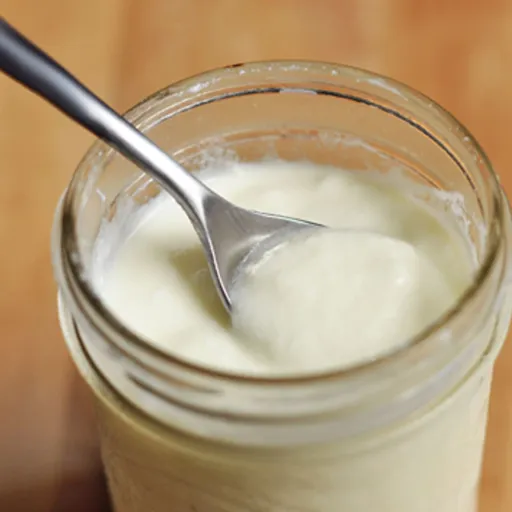
Handling Fermentation Problems
Most often, the fermentation problems that occur in yogurt production are caused by the activities of the microorganisms being out of balance, lack of proper temperature control, or the pH being outside the desired range. The latest figures from search trends indicate that many consumers are asking how producers manage to keep yogurt with the same texture and taste even under those difficult conditions.
⚠️ Solutions to Fermentation Issues
- High-Quality Starter Cultures: Use reliable, consistent bacterial cultures
- Temperature Maintenance: Keep consistent incubation temperature throughout fermentation
- Equipment Sanitation: Maintain rigorous cleaning protocols to avoid contamination
- Advanced Technology: Utilize modern fermentation monitoring systems
- Live Quality Control: Implement real-time monitoring throughout the process
The explanation would be through precise monitoring and control of fermentation. The procedure entails the application of starter cultures of high quality, the maintenance of the same temperature for incubation, and the sanitation of equipment to avoid contamination. The continuous development of fermentation technology and the installation of live quality control systems are also very important in this matter and help to make the final product both safe and palatable.
Handling Flavor Variability
Resolving flavor irregularity caused by fermentation requires a mixture of traditional and modern methods. One of the most successful techniques is to study the raw materials very closely, since the flavors are highly affected by them.
🎯 Strategies for Flavor Consistency
| Strategy | Method | Outcome |
|---|---|---|
| Raw Material Analysis | Close study of ingredient quality | Identification of flavor variations |
| Advanced Analytics | Gas chromatography, mass spectrometry | Detection and minimization of inconsistencies |
| Environmental Controls | Temperature, humidity, pH management | Uniform flavor profile |
| Predictive Analytics | Regional and individual preference fitting | Flavor personalization |
The use of modern analytics tools such as gas chromatography or mass spectrometry not only allows the manufacturers to identify but also to reduce the discrepancies in the raw materials. During fermentation the environmental controls such as temperature, humidity, and pH are the major factors that help to maintain a stable flavor profile. By analyzing the trends of search engine queries, the consumers’ interest in flavor personalization has been discovered in various aspects, and, therefore, predictive analytics that aligns flavors with the preferences of a certain region or even an individual might become a marketing tool. All these activities together give a guarantee for the reduction of the variability and at the same time, the satisfaction of the customers.
Issues Related to Packaging and Shelf-Life
Packaging has a very important function in the preservation of product quality and in the prolongation of shelf-life, especially when talking about fermented foods that are easily spoiled and ruined by bad packaging. The most recent search trends data shows consumers are getting more and more interested in sustainable and eco-friendly types of packaging.
📦 Modern Packaging Solutions
- Sustainable Materials: Eco-friendly packaging options that reduce environmental harm
- Oxygen-Absorbing Technology: Advanced materials that manage shelf-life by eliminating spoilage
- Moisture-Barrier Technologies: Prevent loss of flavor and texture degradation
- Product Safety: Packaging that ensures durability while maintaining freshness
- Consumer Trust: Elevates overall user experience through functionality and sustainability
The practices that are commonly used in packaging may be made more eco-friendly, but still product safety and durability are of utmost importance. To mention, high-tech materials such as oxygen absorbers and moisture barrier films can be utilized to completely manage shelf-life of the product through the prevention of spoilage and retention of flavor. Producers by linking the interests of consumers as evidenced by search trends with creative packaging solutions can gain a double win – sustainability and functionality, thereby, eventually, enhancing the overall user experience and trust.
Frequently Asked Questions (FAQ)
What is the yogurt production process?
There are multiple processes and techniques to be used in the making of yogurt, starting with the heating of milk to a very exact temperature. The heat treatment process destroys undesirable microorganisms and preps the milk proteins for bacteria action. After that, the milk is then cooled to a lower temperature and only after that, starter cultures with lactic acid bacteria are introduced. The bacteria in the culture then turn sugar in the milk (lactose) into lactic acid, which is the reason why yogurt has a sour taste. This process of fermentation lasts for a few hours usually, after that time yogurt is cooled down and may be mixed with flavors or packed as per the requirements.
What kinds of yogurt can be made?
Yogurt is available in various forms but the most common ones are regular, low-fat and Greek-style yogurt. The mentioned varieties vary among themselves in taste, look and texture owing to the different types of milk, fermentation procedures and time taken for fermentation. Greek yogurt is one of the varieties that is double-strained to become thicker and protein-rich. Besides these, there are also frozen, almond milk, and oat milk yogurts which target different groups of consumers with particular requirements. Consumers equipped with this knowledge will have no trouble finding the right option that best meets their needs.
How does fermentation temperature affect yogurt?
The temperature of fermentation is of great importance to yogurt making and it is a critical factor at the same time. High fermentation temperature results in faster fermentation due to a quicker lactobacillus growth but if the temperature is too high it will affect the yogurt quality in terms of both texture and taste negatively. Conversely, a lower fermentation temperature means longer process time but the yogurt is more attractive and flavorful. Thus fermentation temperature is a very important factor in the production of yogurt that is stable with the desired flavor and consistency.
What is the importance of starter cultures in yogurt processing?
Starter cultures are very crucial components of yogurt processing as they consist of live lactic acid bacteria which are responsible for the fermentation in the first place. The bacteria involved convert lactose into lactic acid which results in thickening of the milk and gives tartness to yogurt. Different yogurt starter cultures lead to different flavors and textures thus enabling the production of various yogurt products. Furthermore, to maintain consistent quality and stability during production.
Reference Sources
-
Shbenyou: This website provides detailed information about the yogurt processing line, including steps like milk reception, pasteurization, homogenization, fermentation, and packaging.
Visit the source -
Neologic Engineers: This blog offers a definitive guide to yogurt production, covering processes such as milk concentration, pasteurization, cooling, and inoculation with starter bacteria.
Visit the source -
Allpack China: This FAQ guide provides in-depth knowledge about yogurt manufacturing processes, equipment, and different types of yogurt.
Visit the source

GW
Articles: 39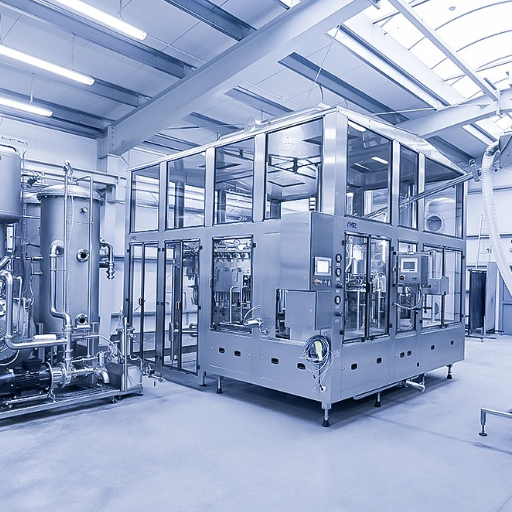
Trending now