Get in touch with Victorystar

Cans Carbonated Soft Drinks Production Line for sale
Level up your beverage business by embracing the finest canned carbonated soft drink production line. Efficient, reliable, turnkey equipment to raise production.
Scalable capacity from 5,000 BPH to 36,000 BPH with the automated machines to permit unparalleled efficiency.
CIP cleaning, filling, and packaging fully automate processes that minimize manual labor by 90% and eliminate errors.
Stainless steel construction and automated hygiene procedures meet food safety standards worldwide.
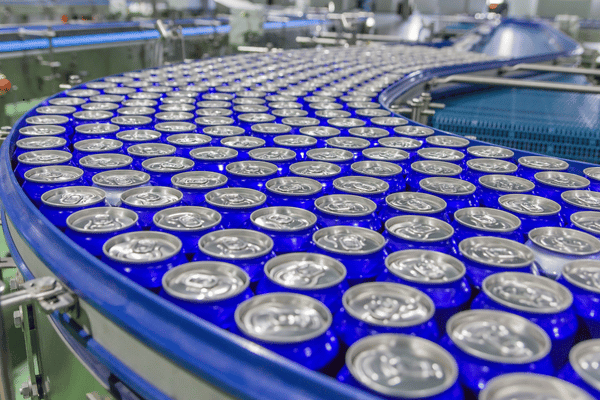
Static mixing, isobaric filling, and advanced sensor technologies maintain flavor consistency and quality from batch to batch.
An alternative changeover time will allow the use of various sizes of cans, bottles of PET, bottles of glass, and aluminum cans.
Real-time monitoring with predictive maintenance and data analytics will maximize optimization and minimize downtime.
Understanding Your Pain Points – And How We Solve Them
Our processing line deals with the most important pain points in beverage manufacturing, such as improving production efficiency, reducing downtime, or merely ensuring consistent quality in each batch.
Inconsistent CO2 levels risk complaints, returns, and brand damage in production.
✓ Our Solution: Advanced carbonation technology ensures ideal 3.5-5.0 gas volumes with automated pressure control and real-time quality monitoring.
Production losses stem from breakdowns, manual processes, and delays, impacting opportunities and profits.
✓ Our Solution: Automated production ensures 98% uptime; quick-change systems enable <15-minute format changes with minimal waste.
Manual inspections miss defects in high-speed production, harming brand reputation.
✓ Our Solution: Machine vision inspects 36,000 cans/hour for fill, seams, and defects with 99.9% accuracy.
Obsolete systems waste water, consume excess energy, and increase costs and pollution.
✓ Our Solution: Closed-loop water recycling cuts water use by 60%, energy-efficient components and heat recovery reduce energy costs by 40%.
Microbiological contamination risks massive recalls, lawsuits, and brand damage, alarming safety-conscious consumers.
✓ Our Solution: Automated CIP/SIP systems ensure pharmaceutical-grade hygiene with sterile filling, HACCP compliance, and sanitized production environments.
A rigid system limits flavor, size, and seasonal changes, risking lost revenue opportunities.
✓ Our Solution: Modular design supports 200ml-500ml cans, tool-free changeovers, and multi-recipes for sparkling water to energy drinks.
Canned Carbonated Soft Drinks Technical Specifications
| Specification Category | Details |
|---|---|
| Production Capacity | 2,000 - 36,000 cans per hour (customizable based on requirements) |
| Can Compatibility | Aluminum cans: 200ml, 250ml, 330ml, 355ml, 473ml, 500ml |
| Filling Accuracy | ±1ml (±0.3% of target volume) |
| Carbonation Range | 2.0 - 5.0 volumes CO2 (adjustable for different beverage types) |
| Filling Temperature | 2°C - 6°C (optimal carbonation retention) |
| Filling Pressure | 0.2 - 0.6 MPa (counter-pressure system) |
| Water Treatment Capacity | 1,000 - 15,000 liters per hour with multi-stage purification |
| Power Requirements | 380V/50Hz (customizable: 220V/415V, 60Hz available) |
| Total Power Consumption | 45-180 kW (varies by line configuration and speed) |
| Air Pressure Required | 0.6 - 0.8 MPa, consumption: 1.5-3.0 m³/min |
| Water Consumption | 1.5-2.0 liters per can (with recycling: 0.6-0.8 liters) |
| Dimension (L×W×H) | 25m × 8m × 4.5m (standard 24,000 CPH configuration) |
| Material of Construction | SUS304/316L stainless steel for all product contact surfaces |
| Control System | Siemens/Allen-Bradley PLC with 15" HMI touchscreen interface |
| Safety Features | Emergency stop systems, safety guards, interlocks, overload protection |
| CIP System | Fully automated Clean-In-Place with chemical dosing and temperature control |
| Inspection Systems | Machine vision for fill level, seam integrity, and defect detection |
| Seaming Technology | Double-seam roller with automatic adjustment and monitoring |
| Carbonation System | In-line carbonator with saturation control and degassing |
| Warranty | 24 months on equipment, lifetime technical support |
| Compliance Standards | FDA, CE, HACCP, ISO 22000, GMP certified |
| Installation Timeline | 6-8 weeks from delivery (includes commissioning and training) |
| Operators Required | 2-4 personnel per shift (depending on configuration) |
Performance Metrics That Matter
Considered the apex of contemporary beverage production technology, our Cans Carbonated Soft Drinks Processing Line offers producers of cola, soda, energy drinks, sparkling water, and carbonated beverages a turnkey solution characterized by the utmost efficiency and consistent quality service delivered by a reliable performance from small craft producers to the large scale industrial facilities.
18,000
Cans Per Hour Max
99.8%
Fill Accuracy
200-750ml
Can Size Range
24/7
Support Available
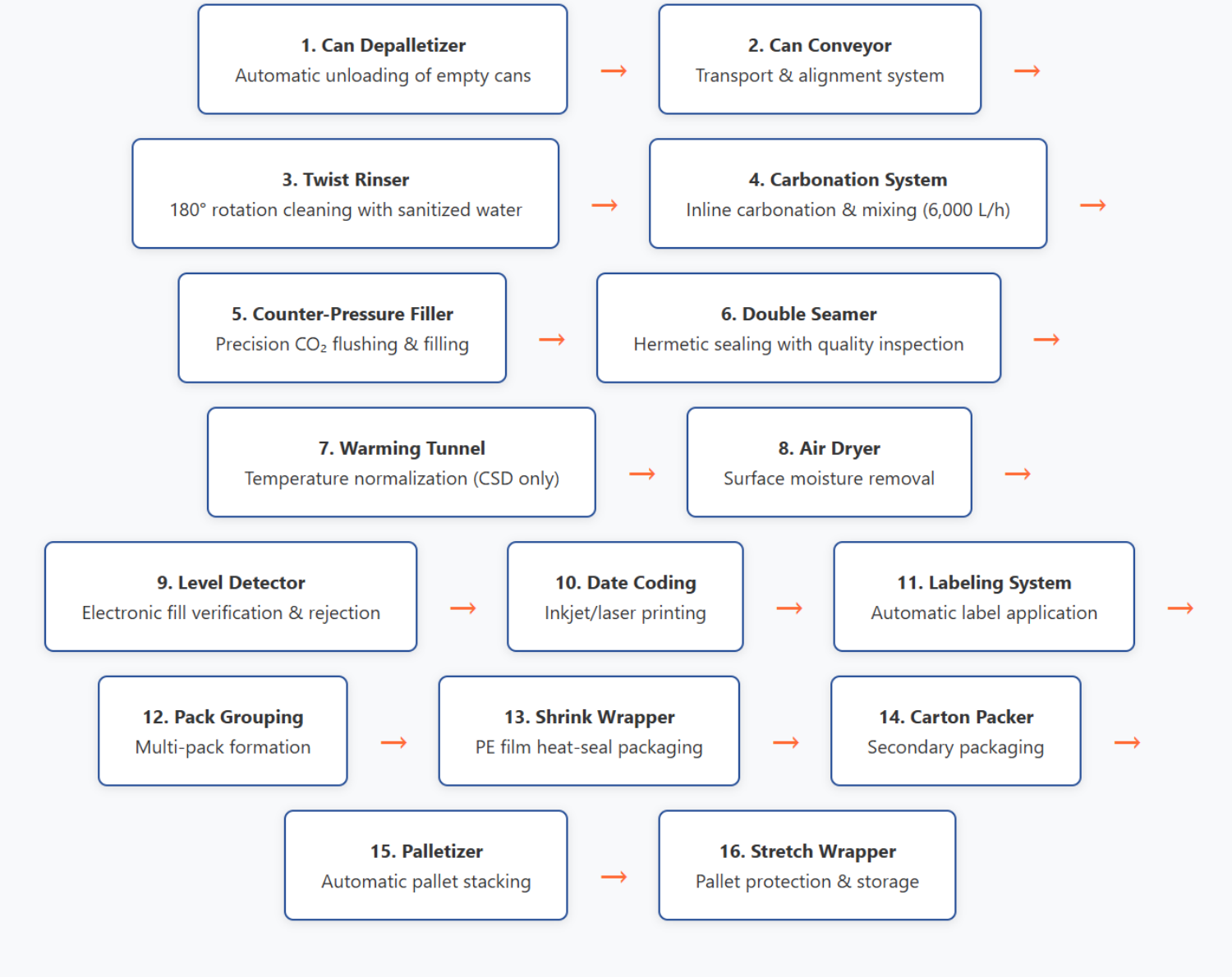
Cans Carbonated Soft Drinks Processing Line Flow Chart
Learn about the entire process of making canned carbonated soft drinks with our detailed processing line flow chart. Discover each step from water treatment to final packaging.
Applications for Cans Carbonated Soft Drinks Processing Line
Our completely autonomous line of cans and appertains for making carbonated beverages is exploited for a variety of cocktails manufactured in various ways.
01
Cola & Traditional Sodas
- Perfect for producing classic cola drinks, lemon-lime sodas, orange soda, and traditional carbonated soft drinks with consistent flavor and carbonation.
02
Energy Drinks
- The best option for the production of high-caffeine energy beverages with accurate carbonation control and mixing of ingredients to produce stable formulations.
03
Sparkling Water
- Natural or added flavor sparkling water, flavored seltzer, and carbonated mineral water of the highest quality can be produced.
04
Hard Seltzers
- Mentions alcoholic beverages including hard seltzers, alcoholic sodas, and carbonated cocktails (with proper licensing).
05
Fruit-Flavored Carbonated Drinks
- Offers a variety of fruity tastes such as orange, lemon, strawberry, apple, and tropical fruit along with carbonated drinks.
06
Sports & Isotonic Drinks
- Makes sparkling water for sports and isotonic drinks with electrolytes and energy-boosting ingredients.
Specific Use Cases
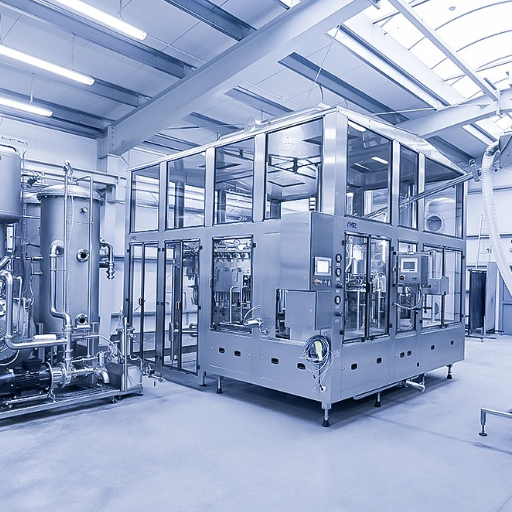
The Ultimate Used Beverage Equipment: Buying Guide for Beginners
Acquiring secondhand beverage equipment provides businesses with a cost-efficient solution to launch operations or increase their existing activities. The process…
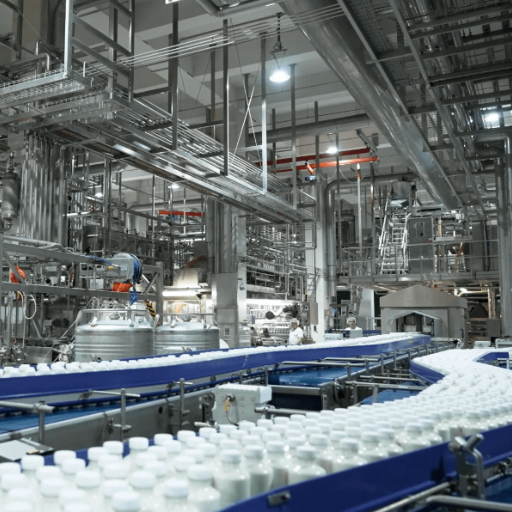
Predictive Maintenance in Beverage Manufacturing: A Game-Changer for Productivity
Predictive maintenance systems are changing how beverage producers manage their equipment performance and their production efficiency. This unique method uses…
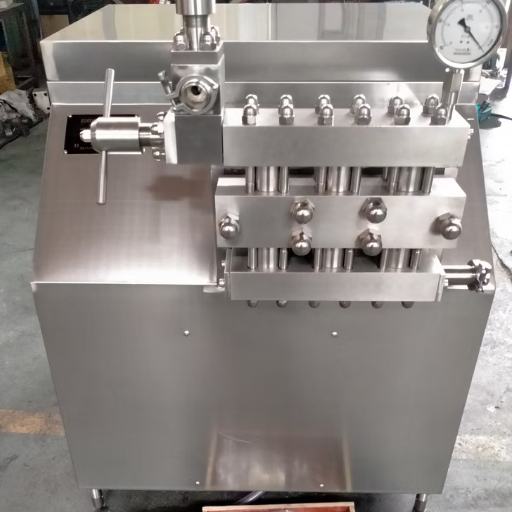
Homogenizer Selection for Beverage Production: Key Factors to Ensure Quality and Efficiency
The right homogenizer is a vital element in the success of the beverages produced by beverage manufacturers because if the…
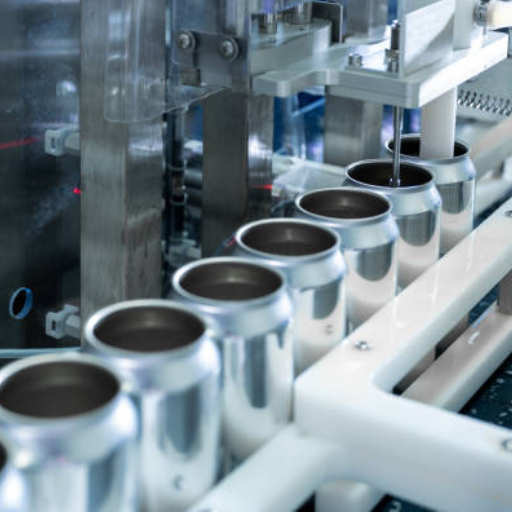
Beverage Can Filling Line Complete Guide: Ensuring Quality and Productivity
The Drinks Industry is a lot of action packed, effectively managed field. Efficiency and Quality are essential for every business…
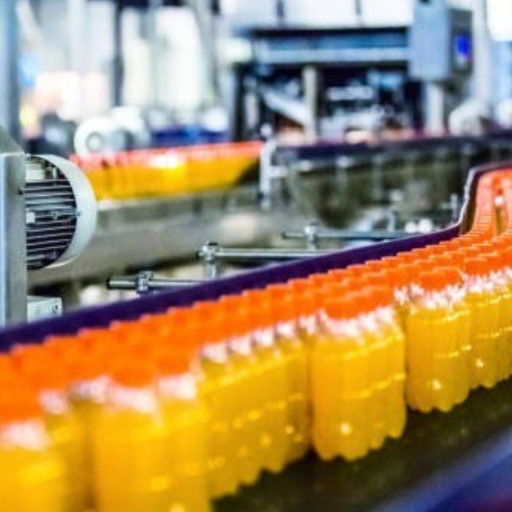
Energy Drink Production Line Setup: Ensuring Quality and Operational Excellence
The appropriate operational framework enables your business to achieve optimal productivity while creating products that fulfill customer needs for your…
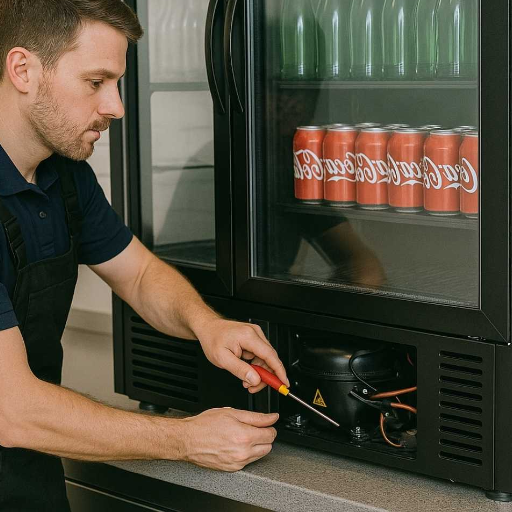
Preventive Maintenance for Beverage Equipment: Ensuring Longevity and Optimal Performance
The coffee shop which operates at full capacity and the bar and the restaurant need their equipment to be maintained…
Expert Guides to the Processing of Cans Carbonated Soft Drinks
How To Preserve Carbonation In A Can?
Keep the can of soda cold to maintain its carbonation with an appropriately fitted soda can lid or transfer it to a tightly sealed bottle and squeeze out the excess air.
How Long Will A Can Of Soda Stay Carbonated?
An opened pop generally stays carbonated for about 3-4 days, assuming it is sealed right and kept chilled, whereas the quality keeps decreasing slowly.
What Is The Process Of Making Carbonated Drinks?
The general method of putting soft drinks together involves purification of water, mixing of ingredients, carbonation by CO2 injection, bottling, capping, and finally, labeling.
Why Shouldn’t You Freeze Carbonated Drinks?
Carbonated drinks are not recommended to be frozen. This is because freezing expands the liquid, which then leads to pressure build-ups that cause explosions or untidiness.
How does a canning line work for carbonated beverages?
Carbonated-beverage canning lines comprise loading cans on a conveyor, filling the cans under pressure to maintain carbonation, lidding, washing, coding, pasteurizing, cooling, and quality inspection at each step.
What is the role of carbonation in carbonated drink production?
An important aspect of carbonation is the process of dissolving carbon dioxide into the liquid under pressure. This imparts a bubbly nature to the drink, improves its taste, and hence imparts refreshing qualities and sensory experience to the drinks.


What Our Customers Say
Learn how processing lines for Cans Carbonated Soft Drinks globally changed businesses for the better, achieving far more than anticipated.
Thrilled with our 12,000 CPH CSD canning line, we’ve cut product waste by 65%, boosted production efficiency from 78% to 94%, and improved profits. The accurate filling process and responsive technical support, resolving issues in just 30 minutes, have been key to our success.

Michael Rodriguez
Production Manager, Tropical Beverages Inc
The canon was the only solution which was affordable by that line. This was the perfect solution for our needs. The quick changeover capability allows us to run multiple flavors in the same day. Ours has been the case of running over 5 million cans with rejection rate less than 0.1%. The equipment’s cost was recovered in just 22 months!

Sarah Chen
Founder & CEO, Artisan Fizz Co
Our contract manufacturing facility offers maximum flexibility, handling energy drinks to sparkling water seamlessly with isobaric filling technology ensuring consistent carbonation. Installation was on schedule, and the commissioning team provided thorough operator training. Highly satisfied with the process—five stars!

James Thompson
Operations Director, Pacific Co-Packing Services
The 15,000 CPH high-speed line has operated reliably for three years, requiring only scheduled maintenance. Its energy efficiency saves $45,000 annually. A sensor calibration issue in year two was swiftly resolved by the support team.

Hans Mueller
Technical Director, European Soft Drinks GmbH, Munich
Frequently Asked Questions (FAQs)
This is a line composed of processes and equipment for the manufacturing, filling, and packaging of carbonated beverages. Usually, a carbonation system is present, as well as systems for mixing ingredients, filling cans or bottles, capping, and labeling, so that the production of fizzy drinks can be carried out efficiently.
Other important machinery includes carbonation tanks, mixing systems, filling machines, capping machines, and packaging solutions. Such components will correlate for a fully automated production line, thus improving efficiency and quality of output of carbonated drinks.
There are a number of other advantages of aluminum cans in the manufacture of beverages. Aluminum cans are lightweight, recyclable, shield the contents against light, and prevent oxidation. Aluminum cans thus preserve the quality and freshness of carbonated soft drinks and are the greatest choice in the beverage industry.
To optimize the production line, the beverage manufacturers can opt for high-speed production, automation, and high-quality machinery. These in turn can enhance the effectiveness of management and thus reduce the percentage of waste and improve the quality of carbonated soft drinks and other beverages.
The advanced equipment for filling carbonated soft drinks ensures precision and accuracy in filling, so the overfilling or underfilling of cans is prevented. Manufacturers may select from differing technologies-such as pressure filling or counter-pressure filling-according to their production needs.
In beverage filling, aluminum cans, glass bottles, and PET packaging are some of the commonly used packaging materials. Each packaging material presents some advantages, and its selection depends on the type of beverage, required shelf life, and consumer choice.
For a standard system, delivery takes 12-16 weeks from order confirmation, with an installation and commissioning method that takes another 6-8 weeks. It includes manufacturing, quality testing, shipping, installation, commissioning, and operator training alongside the final acceptance tests. Extra time may be needed for custom configurations depending on the specifications. We provide detailed project timelines with milestone tracking during the entire process.
Certainly, the carbonation system can fine-tune volumes of CO2 from 2.0 to 5.0 volumes. It has recipe management that stores parameters for beverage types, so reacting to demands for low-carbonation sparkling water (2.0-3.0 volumes) and high-carbonation energy drinks (4.5-5.0 volumes) takes just a few button presses. Changeover takes 10-15 minutes during which time the line is purged and calibration is verified.
Trending now