Get in touch with Victorystar

Predictive Maintenance in Beverage Manufacturing: A Game-Changer for Productivity

Contents
show
Predictive maintenance systems are changing how beverage producers manage their equipment performance and their production efficiency. This unique method uses data analysis to help organizations predict their equipment failures which helps them decrease downtime and cut expensive operation interruptions. The primary function of predictive maintenance systems extends beyond maintaining production operations because they create better product quality through their ability to monitor output consistency while decreasing maintenance expenses. The article will examine how predictive maintenance technology brings fundamental changes to beverage production processes by demonstrating its advantages and practical uses and the technological framework that supports this groundbreaking system. The upcoming information will show you how maintenance that uses a proactive method can boost productivity to its highest level.
Understanding Predictive Maintenance in the Beverage Industry
Definition and Importance of Predictive Maintenance
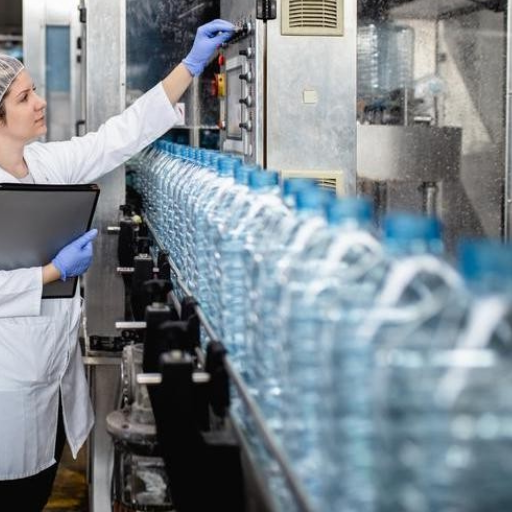
The practice of predictive maintenance uses advanced technology and data analysis to observe equipment status while forecasting upcoming failures. The combination of IoT sensors and machine learning algorithms with real-time data allows manufacturers to use predictive maintenance for solving problems which leads to less unexpected downtime and improved business operations. The beverage industry relies on this method because it ensures that machines function well which helps companies maintain their production capacity and meet their high-quality requirements. The implementation of predictive maintenance enables businesses to achieve better asset performance through resource conservation and waste reduction which serves as a vital method for boosting productivity and sustainability in contemporary manufacturing processes.
Key Components of Predictive Maintenance
From my understanding, predictive maintenance revolves around several essential elements which work together to track equipment condition while predicting future breakdowns. The first key component is real-time data collection which is achieved through advanced sensors and IoT-enabled devices. These tools continuously monitor parameters like vibration and temperature and pressure and humidity. This constant flow of data provides valuable information about equipment performance which helps establish normal operating conditions to identify anomalies. Data analysis serves as another critical component which uses artificial intelligence (AI) and machine learning (ML) technologies for its operations. After engineers gather the raw data they use advanced algorithms to process that information which helps them identify patterns that indicate potential problems. Maintenance teams use historical equipment data to create predictive models which help them estimate breakdown probabilities with high precision. Businesses can shift from reactive or time-based maintenance systems to a more financially efficient method which enables them to perform maintenance work in advance. Predictive maintenance needs strong visualization and reporting tools to function properly. The tools create user-friendly dashboards and reports which help decision-makers understand complex analytical data. The system enables efficient resource distribution through its maintenance scheduling components which deliver effective resource distribution and shorter downtime periods and better overall system dependability. Predictive maintenance enables industries to manage their essential equipment through its combination of real-time monitoring and advanced analytics and straightforward reporting mechanisms.
Benefits of Predictive Maintenance for Beverage Manufacturers
Beverage manufacturers receive multiple advantages from predictive maintenance which guarantees their operational continuity while improving their operational effectiveness. The combination of real-time monitoring with advanced analytics enables manufacturers to identify equipment issues before these problems result in costly equipment breakdowns. The proactive maintenance method enables companies to maintain their production output which allows them to meet customer demand. The process of predictive maintenance enables organizations to boost their energy efficiency while decreasing their environmental waste, which helps them achieve their sustainability targets that have become essential for their sector. The complete performance data enables beverage manufacturers to extend their critical equipment lifespan while decreasing maintenance costs, which enables them to keep their market dominance in a fast-evolving industry.
Challenges Facing the Beverage Manufacturing Sector

Unplanned Downtime and Its Impact on Productivity
The beverage manufacturing industry experiences its most serious operational challenge from unplanned downtime because unplanned downtime directly interrupts production processes and decreases total operational efficiency. The unexpected equipment breakdowns create a sequence of delays which result in extra labor expenses and the risk of product loss. Studies indicate that industries lose billions annually due to downtime, with manufacturing being one of the hardest-hit sectors. Frequent downtime creates financial losses which damage customer trust through delivery delays and restricted product access. The manufacturing sector increasingly adopts technology-driven solutions which use IoT-enabled sensors and advanced monitoring systems to optimize their operations. These tools help proactively identify potential issues which enables timely interventions that reduce production disruptions while increasing operational efficiency.
Common Barriers to Implementing Predictive Maintenance
The implementation of predictive maintenance faces multiple obstacles because it provides significant benefits. The primary obstacle requires businesses to spend substantial funds on advanced equipment and IoT sensors and the necessary technology integration. The upfront costs which small to medium-sized enterprises need to pay prove to be too expensive for many businesses. The second obstacle requires organizations to find specialized experts who can manage data and run predictive maintenance systems. The systems will remain underutilized because organizations lack the needed skilled personnel to operate them. The adoption process moves at a slower speed because organizations face internal resistance to change. Employees who have used traditional maintenance methods for their work will show resistance when they need to adopt technology-based solutions. The quality of data and its availability to users creates a crucial impact because incomplete or inconsistent data will obstruct predictive analytics accuracy which results in poor performance. The rising adoption of connected devices and systems creates a major cybersecurity threat because it expands the attack surface that hackers can use to steal data. Organizations need to create a strategic solution which combines three elements for effective barrier resolution. The solution requires organizations to invest in new technology while training their workforce and maintaining effective data management systems.
Comparing Reactive vs. Proactive Maintenance Strategies
Equipment and systems maintenance requires two distinct methods which are known as reactive maintenance and proactive maintenance. Reactive maintenance which people call “run-to-failure” addresses equipment problems after equipment breaks down. Although this method decreases initial expenses it results in higher repair costs and unexpected equipment failures and increases equipment deterioration throughout its lifespan. The method works best for systems which do not need constant operation because their breakdowns do not significantly affect their performance. Proactive maintenance stops problems from developing into operational problems which need to be fixed. The approach uses various preventive strategies which include regular inspections and planned maintenance work and advanced equipment monitoring through sensors and Internet of Things solutions. The practice of proactive maintenance makes unplanned downtimes less frequent while extending the useful life of assets and enhancing overall efficiency. The practice requires businesses to spend more money on equipment and employee development yet they will save money in future expenses and achieve better operational dependability. Organizations need to select their strategic approach based on three key elements which include financial resources and asset criticality and their business operational needs. Organizations are now using hybrid methods because these methods enable them to manage expenses while improving their performance and system reliability.
Technologies Driving Predictive Maintenance in Beverage Manufacturing
Role of Sensor Technology in Condition Monitoring
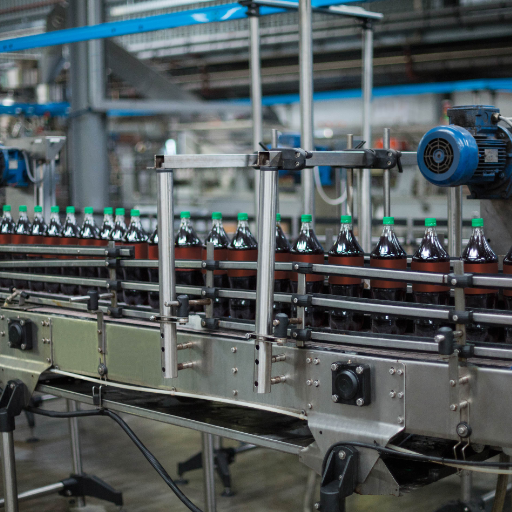
Sensor technology functions as a crucial component that establishes effective condition monitoring systems in beverage manufacturing facilities. The manufacturers use advanced sensors which include vibration sensors and temperature sensors and pressure sensors to gather real-time information about equipment performance and operational conditions. The system uses these sensors to monitor essential machinery and systems which will identify operational abnormalities and early component wear and equipment performance development. Vibration sensors enable detection of machinery imbalances or misalignments while temperature sensors enable identification of overheating problems which lead to equipment breakdowns. The system achieves complete sensor technology integration with IoT platforms which enables continuous data analysis to provide maintenance teams with usable operational insights. The system decreases emergency response times and decreases unexpected equipment failures while maintaining equipment performance at its highest level. The development of wireless sensor technology has created more affordable and flexible solutions for condition monitoring implementation which enables manufacturers to adopt predictive maintenance methods regardless of their business size.
Analytics and Data Interpretation for Effective Decision Making
Businesses can achieve strategic decision-making through their implementation of analytics and advanced data interpretation tools. Organizations can discover hidden opportunities through data analysis when they gather and analyze information from various sources. Modern machine learning algorithms combined with user-friendly dashboard systems enable users to view essential data in a format that enables effective decision-making. The system allows stakeholders to enhance their ability to forecast results and streamline operations while discovering new efficiency potential. Businesses can maintain operational flexibility by using current technological advancements together with their acquired knowledge of market trends and business requirements.
Integrating IoT and Machine Learning for Enhanced PDM
The combination of IoT and machine learning methods for predictive maintenance (PDM) has changed how industrial sectors monitor their equipment and strive to optimize its performance. The IoT devices create a continuous stream of sensor data which achieves real-time monitoring of industrial equipment through their collection of operational metrics from machinery and systems. The data when used with machine learning algorithms enables researchers to identify patterns and find unusual activities and forecast upcoming system failures. Organizations use predictive insights to decrease unexpected downtimes and cut down maintenance expenses while they work to boost their total operational efficiency. The use of these technologies enables ongoing business development while organizations use data to make informed choices which help them maintain their competitive edge in a fast-changing market.
Case Studies in Predictive Maintenance for Food and Beverage

Successful Implementations in Beverage Manufacturing
Predictive maintenance has achieved success in beverage manufacturing through its implementation of smart sensors and IoT technology which enables real-time equipment performance monitoring. Beverage companies use vibration analysis and temperature monitoring to identify early signs of machinery wear in their bottling lines and mixers. Some manufacturers have achieved substantial decreases in equipment downtime through their implementation of predictive analytics which enables them to conduct maintenance during periods when their production processes are inactive. The team utilized advanced algorithms to execute sensor data analysis which helped them identify patterns that demonstrated future failure possibilities. The beverage industry has experienced operational benefits from predictive maintenance because data-driven techniques enable organizations to reduce repair expenses while they enhance production output.
Lessons Learned from Industry Leaders
Beverage companies show that operational efficiency improves when they combine technological solutions with their business processes. The company uses predictive maintenance tools which operate with real-time information and advanced algorithms to minimize equipment downtime. Companies have also emphasized the importance of fostering a culture of innovation, encouraging their teams to experiment with emerging solutions to optimize production. Industry pioneers have developed cross-departmental collaboration systems which enable teams from engineering, data analytics, and supply chain departments to share their insights during decision-making processes. The strategies demonstrate that innovation and teamwork function as essential factors which help businesses to maintain competitiveness in fast-changing markets.
Measuring ROI from Predictive Maintenance Initiatives
When I assess the ROI of predictive maintenance programs, I start by selecting vital performance indicators which match the business objectives. The standard performance indicators include three main aspects: unplanned downtime reduction and maintenance cost reduction and extended equipment lifespan. The relationship between predictive maintenance and productivity improvement becomes evident through measurement of operational efficiency and output volume. I evaluate emergency repair reductions which lead to financial benefits that accumulate throughout the years. The evaluation requires me to include all initial costs which consist of predictive analytics software and sensor equipment and employee training expenses. The comparison of these expenses with the financial gains allows me to determine the net return on investment. The evaluation needs to include intangible advantages which include better safety and increased customer satisfaction due to decreased operational interruptions. The value of predictive maintenance increases through long-term advantages which include protecting essential assets and enhancing sustainability initiatives through efficient resource management. I implement a practical method which involves testing small projects before executing complete project rollout. The process allows me to enhance procedures while I establish achievable performance standards and measure the project’s comprehensive impact. The organization employs historical data and real-time analytics plus interdepartmental cooperation to create an accurate ROI assessment which enables data-driven choice-making that will benefit future business operations. Predictive maintenance functions as more than a method to decrease expenses by establishing dependable and flexible business processes.
Future Trends in Predictive Maintenance for the Beverage Industry
Emerging Innovations in Sensor Technology
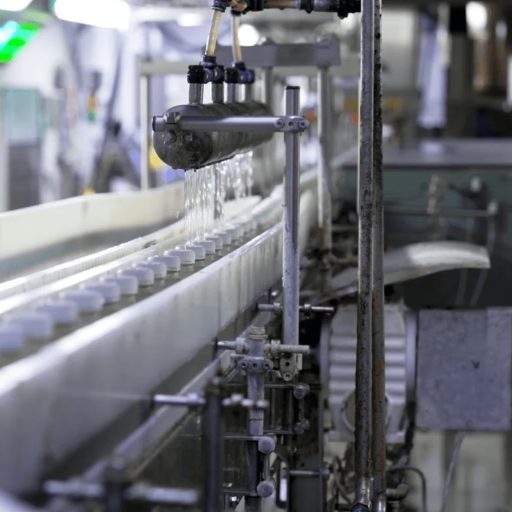
The beverage industry uses new sensor technologies to enhance its predictive maintenance capabilities through better equipment monitoring methods. Modern sensors are becoming increasingly compact, affordable, and capable of collecting vast amounts of data with enhanced accuracy. IoT-enabled sensors function as real-time condition monitoring systems that track essential metrics which include temperature and pressure and vibration and flow rates. The system uses wireless communication protocols to transfer data from remote locations to centralized systems for analysis purposes. The advanced sensors improve anomaly detection while providing predictive algorithms which forecast future problems that help decrease operational downtime and enhance business productivity. The beverage industry can achieve higher production reliability and reduced operational costs through these technological advancements which are currently transforming the industry.
The Shift Towards Prescriptive Maintenance Models
Businesses utilize prescriptive maintenance as their new operational strategy which employs advanced analytics and machine learning to create both predictions of future problems and instructions for their resolution. Businesses achieve accurate targeted solutions through the use of historical data and sensor feedback and real-time operational metrics. The approach establishes a maintenance culture which organizations can use to make educated choices while decreasing uncertainty. The beverage industry implements prescriptive models into its production systems to enable stakeholders to achieve better performance results while decreasing waste and increasing system reliability which creates a business advantage in a market that demands more.
Anticipated Changes in Regulatory Standards for Food Safety
Upcoming modifications to food safety regulations will focus on enhancing supply chain transparency and accountability standards. The new regulations will require operators to establish systems that allow immediate tracking of their products to handle contamination incidents and quality control problems. The implementation of blockchain technology will create an unchangeable tracking system which will monitor products throughout their entire journey from production to distribution. The development of new allergen labeling regulations and reduced chemical residue standards in food products will follow current consumer demands and public health requirements. The global community requires regulatory updates to handle climate change and its impact on food security. Standards will evaluate sourcing sustainability because it affects both environmental outcomes and food safety standards. International regulatory bodies should work together to develop common compliance guidelines which will benefit food companies operating worldwide. The upcoming modifications demonstrate a commitment to public health protection through technological advancements and changing consumer preferences.
Reference Sources
-
Evaluating the Effectiveness of Reliability-Centered Maintenance Programs in Food and Beverage Manufacturing Facilities
This study reviews the implementation of predictive maintenance and its impact on reliability in food and beverage manufacturing. -
IoT-Driven Real-Time Monitoring and Reject Analysis in Beverage Manufacturing: A Systematic Review
Research detailing the integration of IoT and predictive maintenance technologies in beverage production. -
Predictive Maintenance in the Food Industry: A Case Study Using Vibration Sensors and Machine Learning Techniques
A case study on implementing predictive maintenance using vibration sensors and machine learning in food production.
Frequently Asked Questions (FAQs)
What is predictive maintenance in beverage manufacturing and how does it differ from reactive maintenance?
The beverage industry employs predictive maintenance through its utilization of sensor technologies and vibration analysis together with data-driven analytics for predicting equipment failures which lead to unplanned operational interruptions. The maintenance costs increase and equipment downtime extends because reactive maintenance waits until equipment breaks down while predictive maintenance methods provide maintenance teams with essential information to schedule their repair work. The operational shift enhances operational efficiency while improving the efficiency of bottling lines and other machinery used in fast-paced production environments. Beverage companies achieve better operational efficiency and decreased energy consumption by using real-time data collection together with AI-driven predictive maintenance systems. The method of predictive maintenance protects product quality while maintaining smooth production operations and allows organizations to measure their maintenance optimization results.
How can vibration and temperature monitoring help-bottling lines avoid unexpected operations interruptions?
The system uses vibration and temperature monitoring to find initial faults in motors, gearboxes, and impeller assemblies before their complete breakdown occurs. The system uses wireless vibration sensors together with continuous condition monitoring to provide real-time data that AI algorithms and analytics platforms use to create predictive maintenance systems which detect equipment performance changes. Maintenance teams use the actionable insights to schedule lubrication and alignment and part replacement tasks which will happen during planned downtime to minimize operational impact. The method enables beverage manufacturers to maintain operational efficiency throughout their production process by using it across various production lines and production batches. The establishment of vibration and temperature monitoring systems provides manufacturers with an effective method to decrease expensive unexpected downtime while enhancing their production system dependability.
What role does data collection and digital transformation play in implementing a predictive maintenance solution?
Data collection serves as the essential base for predictive maintenance systems because it enables the acquisition of vibration and temperature and operational data which supports both machine learning and prescriptive analytics. The process of digital transformation connects multiple data streams with current operational systems which enables predictive maintenance to deliver actionable maintenance insights that directly impact maintenance operations and production planning activities. The beverage industry requires a scalable solution that must be designed to work with existing SCADA and ERP and PLC systems so that users will accept it while organizations can achieve concrete advantages. The presence of accurate data enables AI predictive maintenance systems to enhance maintenance efficiency while decreasing equipment downtime and boosting asset performance. The transformation process generates data-based decision making which assists beverage manufacturers in improving overall equipment effectiveness while maintaining product quality.
Can high-speed beverage production and small batch operations benefit from predictive maintenance as a cost-saving solution?
Yes—predictive maintenance is becoming cost-effective for high-speed production and small batch operations because businesses can implement scalable sensor systems to use cloud-based analytics which reduces their initial investment costs. Condition monitoring uses wireless vibration sensors to gather precise data about essential equipment assets including motors gearboxes and bottling lines because lubrication and contamination problems create the greatest potential for damage. The food and beverage industry achieves cost reductions through maintenance savings and production time improvements which beverage manufacturers obtain by preventing equipment failures and extending the useful life of their components. The measurable ROI is seen in higher OEE, fewer production schedule disruptions, and reduced energy waste across plants. Even smaller beverage manufacturers can adopt phased rollouts to match budget and operational needs while building predictive maintenance capabilities over time.
How do predictive maintenance solutions enhance product quality and food safety standards in the food and beverage sector?
Predictive maintenance maintains equipment performance and equipment cleanliness which leads to decreased contamination risks that endanger product quality and food safety. The system enables operators to detect faults in seals and bearings and impellers before these components produce leaks or particulate emissions that will contaminate batches. The maintenance team uses data-driven maintenance schedules to plan equipment lubrication and component replacements which helps maintain constant production conditions and protects the integrity of batches. Maintenance teams utilize quality control systems to establish connections between equipment performance metrics and production quality results which enables them to enhance operational procedures. The beverage industry uses predictive maintenance to achieve operational excellence while maintaining customer safety.
Which technologies and analytical methods power artificial intelligence systems that predict equipment failures in beverage manufacturing operations?
The key technologies of the system use three types of sensors which include vibration and temperature sensors and specialized acoustic sensors and utilize wireless vibration sensors for quick installation and the system uses edge computing and cloud computing to gather data while machine learning algorithms detect patterns and unusual behavior. The system uses machine learning models which process both historical data and current data to generate operational insights and maintenance guidance which helps businesses avoid unplanned operational interruptions. The system helps maintenance teams to monitor equipment conditions through its integration with current operational systems and condition monitoring tools which enables them to take preventive measures that enhance production line efficiency. The complete system uses hardware components and software solutions and analytical tools to create predictive maintenance systems which can be evaluated and expanded across different operational areas. The combined technologies enhance equipment dependability while decreasing maintenance expenses and ensuring continuous operation of manufacturing equipment.

DU
Articles: 45
Trending now