Get in touch with Victorystar

Plate Sterilizer for sale
With high-grade plate sterilizers, sterilization is safe, reliable, and efficient. Ideal for laboratory, medical, or industrial needs. Competitively priced!
Medical-grade UV-C lamps completely sanitized bacteria and viruses by destroying their DNA at the wavelength of 253.7nm.
Sterilization temperature of 125 to 137°Cwith very accurate control for the utmost bacterial elimination efficiency
Corrosion-resistant and easy to clean due to the food-grade stainless steel construction.
A programmable logic controller with a digital display available for fine cycle control and data logging.
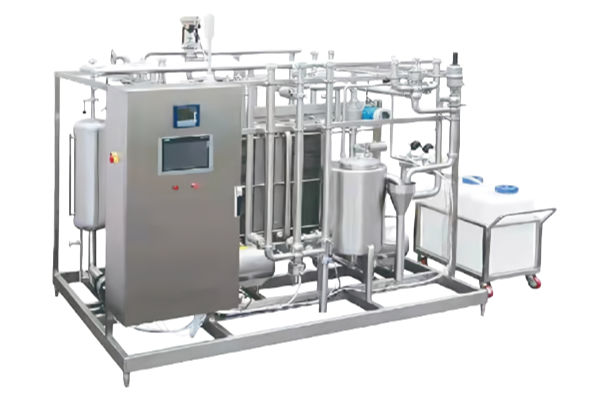
Full sterilization within 3-5 minutes per cycle; automatic shut-off mode provided.
Automatic locking of door in operation, overheat protection, and safety shut-off.
Provided in several capacities from 40-200 plates per cycle to fulfill the requirements of your business.
Sterilization without using chemicals; only UV light and heat are employed. Hence, the environment and workers remain safe.
Are These Kitchen Hygiene Challenges Keeping You Up at Night?
Would invisible bacteria, viruses, and pathogens on your plates that can seldom be removed by washing concern you? Are cross-contamination threats hurting the health of your family or customers?
✅ OUR SOLUTION: Quick exposure to advanced UV-C technology, killing 99.9% of all harmful microorganisms, including E. coli, Salmonella, and various viruses, therefore assuring that one’s tableware is bona fide hygienic in every usage.
Is it manual work for you to be sterilizing pots and pans by boiling water and using disinfectants that turn out not to be efficient after all? You cannot synchronize high-volume outputs in a restaurant or hotel?
✅ OUR SOLUTION: The sterilizing cycles are automated and will sterilize your plates in under 20 minutes for a capacity of about 60 plates at one go. Just set it and forget- it does not require manual actions.
Throwing away money for chemical disinfectants, high water usage, and electricity bills? For replacing plates damaged by harsh chemicals and heat?
✅ OUR SOLUTION: Energy-efficient electric heating with an efficiency of 90% for heat recovery. No chemicals needed, only electricity and water. A stainless steel body ensures durability and protects your investment.
Will flies, insects, or rodents contaminate your clean dishes if they dry in the open? Open storage might be exposing plates to bacteria or dust.
✅ OUR SOLUTION: The chamber has an enclosed sterilization sterilized design to exclude any pests. The plates are stored within so they can remain sterile until needed, thereby protecting hygiene standards 24/7.
Whether the health department standards stand in your way, or fines, or maybe an imminent risk of closure due to inadequate sanitation documentation, they all haunt your backside?
✅ OUR SOLUTION: The unit complies with international food safety standards. It has a state-of-the-art PLC control system with automatic temperature recording and documentation of cycles for easy auditing of certifications and compliance.
No more place for bulky sterilization equipment? Compact solutions without compromising on capacity and effectiveness?
✅ OUR SOLUTION: Vertical compact design (24″ x 21″ x 32″) offers application for close space allocation in kitchens. Double chamber models accentuate maximum capacity into minimum footprint. Super easy installation procedure: just plug and play option.
Plate Sterilizer Machine Technical Specifications
| Specification | Details |
|---|---|
| Capacity | 500 to 30,000 liters per hour |
| Material | Stainless steel (SUS304 or SUS316L) |
| Sterilization Temperature | Up to 137°C |
| Sterilization Time | 3 to 5 seconds |
| Heating Medium | High-pressure steam |
| Heat Exchanger | Plate heat exchanger with high heat recovery |
| Control System | Siemens PLC or similar advanced control systems |
| Applications | Milk, juice, beverages, vinegar, wine, and other fluid materials |
| Cooling System | Two-step cooling: preheating feed and ice water cooling |
| Automation | Fully automatic or semi-automatic operation |
| Cleaning System | Integrated CIP (Cleaning in Place) and SIP (Sterilization in Place) |
| Temperature Control | High precision for filling and exit temperature adjustment |
| Design Features | Compact structure, fine design, and automatic reflux for inadequate temperature or malfunctions |
| Maintenance | Regular cleaning of heat exchanger plates and inspection of rubber pads |
Performance Metrics That Matter
99.9%
Germ Elimination
125°C
Sterilization Temp
15-20min
Fast Cycle Time
304
Stainless Steel
Plate Sterilizer PDF
Perfect For Your Business
Trusted by leading establishments worldwide
01
Hotels & Resorts
Servicing breakfast, lunch, and dinner in heavy volumes with sterilization consistency throughout all outlets.
02
Restaurants & Cafés
Maintain impeccable hygiene within which people shall always come while scoring excellent health inspection ratings.
03
Hospitals & Healthcare
Meet strict medical facility requirements for sterilization of patient meal services.
04
Schools & Universities
Use sterilization to protect student health in cafeterias and dining halls entertaining hundreds every day.
05
Catering Services
Ensure hygiene consistency in multiple event locations with portable and large capacity machinery.
06
Food Processing Plants
Industrial capacity for operations on a large scale with continuous sterilization requirement.
07
Airlines & Transportation
Best for galley sterilization between quick cycles from one flight to another.
08
Laboratories & Research
Specialized sterilization for glassware, instruments, and equipment requiring aseptic conditions.
Why Choose Our Plate Sterilizer?
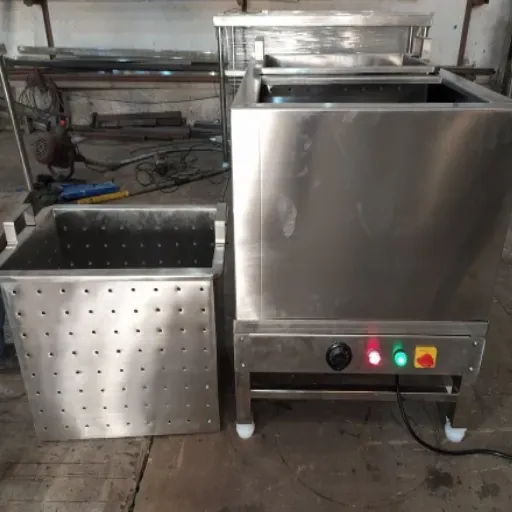
What is a Plate Sterilizer?
A plate sterilizer is an instrument used across multiple industries to guarantee cleanliness, safety, and efficiency when handling the most…
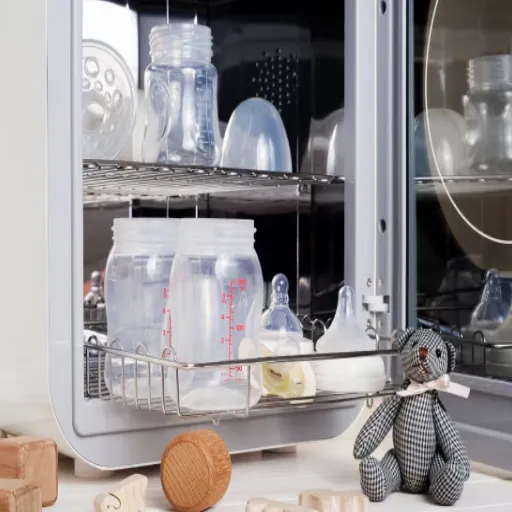
The Ultimate Guide to Plate Sterilizers: Sterilizing Petri Dishes, 96-Well Plates, and Laboratory Equipment
Sterilization is the cornerstone of any efficient laboratory workflow. Whether you are handling delicate biological samples or conducting intricate chemical…
Expert Guides to the Plate Type Sterilizer
Plate Sterilizer Price
Plate sterilizers are priced differently, depending on the manufacturer, brand, and features. The average plate sterilizer will set you back anywhere between $9,800 and $19,600. Your choice of a plate sterilizer depends quite a bit on price, so look at the various options before you’d purchase one.
How To Clean Sterilizer Plate
If you want to quickly clean your sterilizer plate and get rid of the more obstinate mineral buildup, use a natural descaling mixture like vinegar or lemon juice. Simply apply the solution and gently rub the area with a soft cloth before rinsing thoroughly. For heavy buildup, allow the vinegar or lemon juice to linger on the plate for around 10 minutes before scrubbing and rinsing. This system keeps your sterilizer sparkling clean and extends the life of the sterilizer, thereby maintaining hygiene.
How long do items stay sterile after autoclaving?
Depending on the type of autoclave packaging examined and proper storage conditions, sterilized articles can remain sterile for periods ranging between 30 days and 96 weeks. In case sterility for long periods is required, one should see to it that these items are kept in a clean, dry, and controlled environment.
What are the three types of sterilizers?
Steam sterilizers, dry heat sterilizers, and ethylene oxide (EtO) sterilizers constitute the three most popular kinds of sterilization units in medical and industrial applications. These sterilizers are necessary to adequately sterilize tools and equipment before by the appropriate person using them.
What not to put in a sterilizer?
Some materials should never go inside sterilizers, either due to a safety concern for the sterilizer or potential damage to the equipment. Plastics and rubber materials must never be sterilized, for they melt at sterilizing temperatures, or for they degrade. Also, any materials having chlorides or sulfates present in them must be kept out of the sterilizer. These could form corrosive byproducts that would destroy your unit. Knowing what not to put in a sterilizer is the best way to safeguard your equipment and provide effective sterilization cycles.


What Our Customers Say
Join thousands of satisfied commercial kitchen operators worldwide
“The plate sterilizer installation has brought perfect scores for three consecutive health inspections. The automatic temperature logging renders compliance documentation very easy.”

Michael Chen
Executive Chef
“A 45% reduction in dishwashing labor costs came about in the first six months. The ROI was so high that it amounted to the machine paying for on its own in under one year.”

Sarah Martinez
Restaurant Owner
“Dealing with 500+ students daily, we looked for reliability and speed. This machine gives us exactly that consistently, and the stainless steel construction has remained just fine.”

Robert Kim
Dining Services Director
“The energy efficiency of the sterilizers is phenomenal. Our utility bills ran into a huge dip, without ever compromising on sterilization standards. It is a win-win situation for us.”

Emma Thompson
Operations Manager
Frequently Asked Questions (FAQs)
A: A plate sterilizer is a mechanical device that carbuncles bacteria, viruses, and other microbes from plates and similar instruments. It adopts different sterilization techniques like steam or UV light to render hygienic surfaces meant for either food products or laboratory applications.
A: The sterilization machine imposes disinfecting and sterilizing actions by high temperature, steam, or ultraviolet light so that the surface gets rid of all microorganisms. Temperature and time intervals of the sterilizing procedure are well chosen to fit the sterilization activity precisely.
A: Stainless-steel-made sterilizers provide the advantages of being durable, corrosion-resistant, and easy to clean. The sterilizer made of stainless steel does not react, so it can safely sterilize equipment used in handling food products, thus assuring safety and hygiene.
A: Yes, multiple plate sterilizers can in fact be used for bottles. Models like the electric steam sterilizer for baby bottles were designed to safely and effectively sterilize feeding equipment.
A: A baby bottle steam sterilizer works by heating water to generate steam that kills bacteria and viruses. The steam then fills the surface of the bottle to provide thorough sterilization.
A: Size, power supply, sterilization approach, and its usability should be highlighted when it comes to buying a portable sterilizer. An ideal model will suit your individual needs but also sterilize effectively while on the go.
A: Yes, energy-efficient sterilization machines are designed to use minimal amounts of electricity while still achieving high requirements for sterilization. Select those models with energy-conserving features and heating systems whose designs promote less consumption of energy.
A: Clean and inspect sterilization equipment regularly; ensure that the components considered in your maintenance procedures are functioning, consult with and operate according to the manufacturer’s instructions, and so on. Proper care will conserve the life of the machine, thus giving it consistent working performance according to its specification.
A: The control system controls the temperature, pressure, and timing with respect to the sterilization in the sterilizing equipment. It basically ensures that the equipment stays within safe parameters so as to achieve effective sterilization and to provide a safe environment for both the machine and the articles that undergo sterilization.
Trending now