Get in touch with Victorystar

Plant-Based Beverage Guide: Coconut Drinks & Ready-to-Drink Manufacture

Contents
show
An explosion of plant-based beverages, and coconut beverages in particular, has effectively captured the global consumer market. Health enthusiasts have settled on coconut beverages because they are a versatile and shining example of a healthful and environment-friendly product choice. This article explores what goes into making ready-to-drink (RTD) coconut beverages by focusing on the most important processes in production, product innovation, and quality control. Whether you are a manufacturer, a product developer, or a marketer, the ensuing discussion provides deep insight into creating high-quality coconut beverages that please consumers and align with current trends.
Key Takeaway
The coconut beverage market is thriving due to a perfect intersection of nutritional density, functional hydration, and sustainable manufacturing practices that appeal to the modern, eco-conscious consumer.
Overview of Plant-Based Beverages
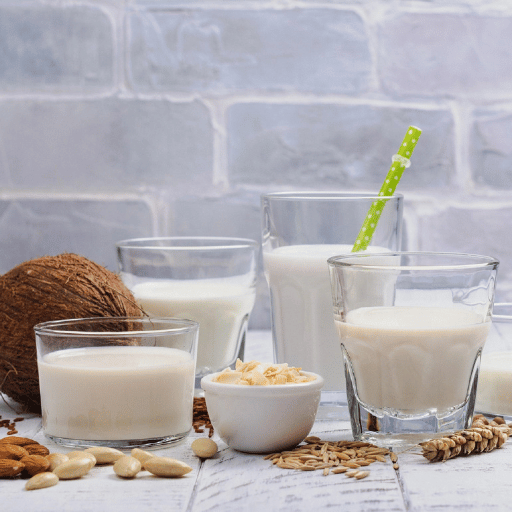
Plant-based beverages are composed of liquids extracted from plants and contain a wide variety of nutrients. They are derived from nuts, grains, seeds, and legumes. Some frequently consumed plant-based beverages include almond milk, oat milk, soy milk, and various types of coconut water. Primarily, this category of drinks serves individuals living lactose-intolerant, vegan, or health-conscious lifestyles. These beverages offer essential vitamins and minerals, along with significant amounts of protein and fiber, depending on their source. Sustainability is a main driver for this sector, as their production generally has a lower environmental impact compared to dairy alternatives.
What are Plant-Based Beverages?
Plant-based beverages are alternative drinks to cow’s milk, derived from sources such as soy, almonds, oats, rice, and coconut. The foundation of these beverages lies in the extraction of nutrients and flavors from plant sources, which are then blended with water and other ingredients to enhance taste, texture, and nutrition. They are highly versatile, catering to health-driven needs by providing naturally occurring proteins, vitamins, and minerals. Because of their culinary versatility and smaller carbon footprint, plant beverages represent a sustainable innovation in the global food and beverage realm.
Importance of Plant-Based Options in Today’s Market
Plant-based choices are incredibly important in today’s market because they meet key consumer requirements for health, sustainability, and ethical living. As the environmental impact of conventional animal agriculture comes under scrutiny, plant-based options offer reduced footprints regarding greenhouse gas emissions, water usage, and land use. Furthermore, they align with modern dietary trends by providing nutrient-dense options that do not contribute to rising cholesterol levels, while addressing dietary restrictions like lactose intolerance. Offering these options allows companies to transcend typical boundaries, forging innovation and market expansion in a fast-moving food arena.
Trends in the Beverage Industry
The beverage industry is seeing a significant shift toward health-conscious and sustainability-focused products. Functional beverages are now formulated with vitamins, probiotics, and adaptogens, creating a range that combines refreshment with tangible health benefits. Plant-based and low-sugar alternatives are being consumed at a faster pace due to growing awareness of personal health and environmental impact. Additionally, sustainability-focused packaging innovations are rising, with an increasing market for biodegradable or reusable materials aimed at lowering waste and carbon emissions. Strategies aligned with these market dynamics stand to gain a significant comparative edge.
💡
Pro Tip
To stay competitive, manufacturers should focus on “clean label” formulations—minimizing artificial additives and highlighting the natural origin of the coconut source.
Coconut as a Key Ingredient

Coconut, with its bountiful nutritional components and natural flavor notes, remains one of the most versatile ingredients in the plant-based beverage market. It is commonly used as a refreshing coconut water base for hydration or as coconut milk to lend a thick, creamy consistency to the finished product. These beverages are naturally lactose-free, making them excellent for lactose-intolerant individuals or anyone preferring dairy-free options. Coconuts require relatively few resource inputs compared to other crops, aligning well with sustainable consumption trends. Their prevalence and utilitarian value substantiate their place as a top choice for plant-based ingredients.
Nutritional Benefits of Coconut in Beverages
Coconut-based beverages offer numerous nutritional benefits for health-conscious consumers. These drinks provide “cool” calories and contain Medium-Chain Triglycerides (MCTs), a healthy fat type used for energy production and metabolic wellbeing. Unlike some dairy products, coconut beverages offer essential minerals like potassium, magnesium, and manganese, which are vital for maintaining electrolyte balance, bone health, and enzyme function. Many coconut drinks are also fortified with essential vitamins, such as B12 and D, to meet the nutritional needs of vegans, adding to the variety of health advantages in the industry.
Types of Coconut-Based Beverages
Coconut-based beverages come in different types suitable for unique consumption and dietary preferences:
- ✓
Coconut Water: The clear liquid from green coconuts; high in electrolytes and low in calories. - ✓
Coconut Milk: A thick, dairy-like liquid used for cooking, baking, and as a dairy substitute. - ✓
Coconut Cream: High-fat portion of the milk used in desserts, curries, and specialty drinks. - ✓
Coconut-Based Yogurts: Cultured coconut milk serving those with hypolactasia or dietary restrictions. - ✓
Coconut Smoothies: Blended drinks using water or milk bases combined with fruits and superfoods. - ✓
Flavored Coconut Beverages: Taste-enhanced options catering to consumers seeking variety.
Consumer Preferences for Coconut Drinks
Health, sustainability, and flavor profiles drive consumer preferences for coconut drinks. Health-conscious consumers prefer beverages that are natural hydrators, low in sugar, and rich in electrolytes or antioxidants. Many seekers of plant-based products choose coconut milk and cream as functional dairy substitutes. Consumer loyalty is also tied to responsible sourcing and the use of recyclable or biodegradable packaging. Furthermore, the availability of diverse formats—such as tropical and sparkling options—caters to a desire for variety. These factors shape the future market, highlighting quality, transparency, and versatility.
Manufacturing Process for Plant-Based Beverages
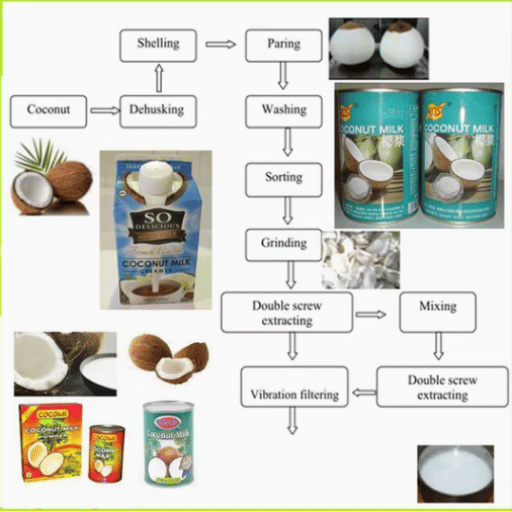
The production of plant-based beverages like coconut milk follows a structured procedure to ensure superior standards and uniformity. The process consists of the following major stages:
- 1
Raw Material Selection
High-quality coconuts are carefully picked and washed to remove all foreign matter. - 2
Grinding or Crushing
Raw materials are put through a grinder to extract essential oils and flavors, often mixed with water to create a slurry. - 3
Filtration
Solid particles are filtered from the slurry to produce a refined, clear liquid. - 4
Fortification and Flavoring
Nutrients (vitamins/minerals) and flavors are added for nutritional enhancement and taste. - 5
Homogenization
The product is processed to ensure a smooth texture and prevent separation during storage. - 6
Pasteurization
The beverage is sterilized or pasteurized to eliminate harmful microorganisms and extend shelf life. - 7
Packaging
Beverages are placed in sterile containers using aseptic technology to ensure freshness and safety.
Raw Material Sourcing and Quality Control
A critically important aspect of beverage production is the procurement of raw materials. Ingredients are sourced from approved suppliers conforming to strict industry standards for consistency and purity. Analytical techniques for chemical, physical, and microbiological analysis are applied to raw materials before processing. This ensures the composition is correct, contaminants are absent, and requirements are met. By maintaining strict regulations for sourcing and quality assurance, manufacturers ensure the safety of their commodities and consistency between different batches.
Advanced Production Techniques for Coconut Drinks
To optimize quality and productivity, manufacturers employ state-of-the-art techniques like Ultra-High Temperature (UHT) Processing and aseptic packaging. These methods ensure products remain sterile for longer periods. Other innovations include High-Pressure Processing (HPP), or “cold pasteurization,” which preserves natural flavor and nutrients by avoiding heat. Modern water filtration systems like microfiltration and reverse osmosis maximize extraction while reducing impurities. Additionally, automated mixing systems with exact controls prevent flavor inconsistencies. These technologies combined with rigorous quality assurance ensure industry standards are met.
Ensuring Consistency and Quality in Ready-to-Drink Products
Consistency and quality in ready-to-drink (RTD) products are achieved through stringent production methodologies, accurate ingredient standardization, and advanced quality assurance protocols. Key practices include the use of automated batching systems for precise formulation, real-time monitoring of Critical Control Points (CCPs), and rigorous microbial safety and shelf-stability testing. These efforts work together to ensure that each product batch meets the highest standards for regulatory requirements and consumer satisfaction.
Market Analysis and Consumer Trends
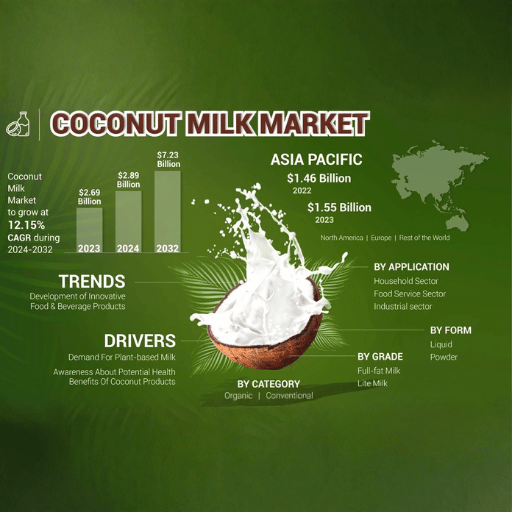
The Ready-to-Drink coconut beverage market is poised for growth due to increasing demand for natural hydration. Key trends include a preference for low-sugar and organic options, driven by health-conscious consumers seeking “clean-label” products. The global push for sustainability has impacted packaging, with brands increasingly using eco-friendly materials. Emerging markets in the Asia-Pacific and Latin America regions are also expanding due to the availability of raw materials and a growing middle class. Providing innovative formulations and eco-friendly practices is essential for maintaining market competitiveness.
Current Market Landscape for Plant-Based Beverages
Market growth for plant-based beverages is driven by health trends, environmental concerns, and dietary shifts. Many consumers seek milk alternatives due to lactose intolerance, vegan lifestyles, and perceived health benefits. While almond, oat, soy, and coconut are bestsellers, the landscape is expanding into pea protein and flaxseed-based drinks. Global demand is supported by product development focused on texture, taste, and fortification. Legislation regarding product labeling and standardization also plays a role in creating a level playing field. Brands must invest in R&D and sustainable supply chains to remain relevant.
Emerging Consumer Demands and Preferences
The consumer-driven market is focusing heavily on transparency, sustainability, and personalization. Transparency in labeling is crucial, with an emphasis on legible ingredient lists and clear sourcing practices. Environmental consciousness remains a priority, with customers demanding ecologically friendly packaging. Personalization has also led to a need for products tailored to individual health needs, dietary restrictions, or lifestyle preferences. To meet these demands, companies must foster innovation and use technology to deliver high-quality, affordable products that cater to these specific expectations.
Competitive Landscape and Key Players
The health and wellness industry is engaged in a fierce contest between large firms and emerging entities. Key players like Nestlé Health Science, Johnson & Johnson, and Herbalife challenge rivals with extensive product arrays and heavy R&D. Smaller entities like Beyond Meat and Vital Proteins gain traction by serving niche markets focused on sustainability and transparency. A competitive edge hinges on the ability to respond instantly to consumer trends, leverage advanced technology for development, and provide reputable options for environment-and-health-conscious consumers.
Challenges in Plant-Based Beverage Production

⚠️ Important Note
Managing the “separation” of coconut fats and liquids over time is one of the most significant technical hurdles in RTD coconut milk production.
Manufacturing plant-based beverages involves several constraints. One major obstacle is texture and flavor consistency, which can fluctuate based on raw material quality and local processing standards. Nutrition is another factor; protein levels must be carefully measured and sometimes fortified to compete with dairy. Preserving shelf life is also challenging; without effective stabilizers, plant-based drinks can spoil or separate quickly. Finally, managing costs is difficult due to the high price of premium raw materials and sustainable production processes. These issues must be addressed to create a competitive product array.
Scaling Up Production Without Compromising Quality
Growing a manufacturing business requires a combination of process improvement, tough quality control, and technological advancement. Standard Operating Procedures (SOPs) ensure consistency from material receipt to product dispatch. Automation systems improve precision and reliability while optimizing utility and reducing defects. Regular inspections keep products within tolerance. Furthermore, R&D considerations, supplier alliances, and sustainability initiatives ensure resources are secured without overlooking ethical or environmental concerns. These processes allow a manufacturer to scale while retaining product integrity.
Regulatory Standards and Compliance Challenges
Adhering to regulatory standards requires robust planning and the development of strategies to meet evolving mandatory requirements. This includes ISO certifications, FDA regulations, and regional environmental directives. Integration of a compliance management system ensures all processes—from sourcing to delivery—align with these rules. Challenges often arise from interpreting vague regulations, coordinating global supply chains, and documentation control. Utilizing automated monitoring systems and maintaining contact with regulatory bodies can reduce non-compliance risks and ensure continued operations.
Navigating supply chain complexities requires actionable direction. Businesses must emphasize holistic visibility by using cutting-edge tools like predictive analytics and real-time tracking. These technologies help recognize disruptions early and allow for mitigation planning. Building close relationships with suppliers and stakeholders increases resilience. Diversifying sources is also valuable to avoid overreliance on a single supplier during regional disturbances. Regularly reviewing company policies and contingency plans ensures adaptability in an ever-changing international landscape.
Reference Sources
- Atlante Food: Evolution of alternative drinks and target audiences.
- Ignition Industry Guides: Go-to-market strategies for beverages.
- Medium Article by Ronn Torossian: Beverage marketing strategies for 2024.
Frequently Asked Questions (FAQs)
| Question | Answer |
|---|---|
| What are plant-based milks? | Beverages derived from plants like nuts, seeds, grains, or legumes. |
| What are the main ingredients? | Almonds, soybeans, oats, rice, coconut, cashews, and hemp. |
| What equipment is needed? | Soaking tanks, grinders, pasteurizers, homogenizers, and filling machines. |
| What are the production benefits? | Health-conscious appeal, meeting dietary needs, and environmental compatibility. |
| What certifications are required? | Commonly Organic, Non-GMO, Vegan, and Allergen-Free. |

Candy
Articles: 37

Trending now