Get in touch with Victorystar

Recent Trends In Fruit And Vegetable Processing

Contents
show
The processing of fruits and vegetables is experiencing an amazing change driven by innovation, environmental sustainability concerns, and evolving health-oriented consumer needs. Global markets are increasingly turning toward fresher, more convenient, and environmentally friendly options, prompting the industry to embrace cutting-edge technologies and methodologies. From advanced preservation methods to upcycled food products, the landscape of fruit and vegetable handling, packaging, and serving is being transformed. This article explores the newest developments shaping the future of fruit and vegetable processing and their impacts on businesses, consumers, and the planet.
Overview of the Fruit and Vegetable Processing Market
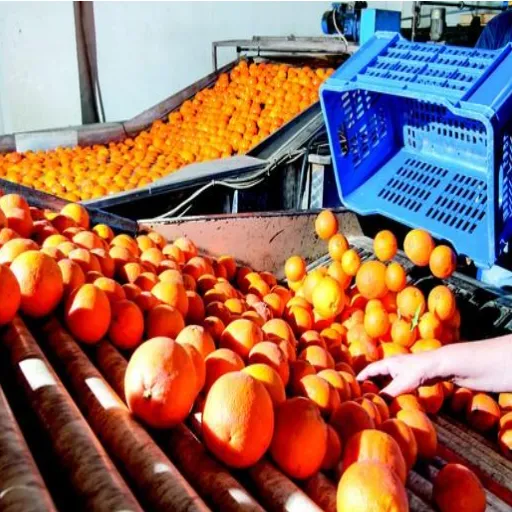
Current Market Size and Projections for 2025
The global fruit and vegetable processing market has experienced significant growth over the past decade, primarily driven by consumer demand for processed products with longer shelf lives, better quality, and greater convenience. In-depth market analysis reveals that the industry is projected to reach approximately $425 billion in 2025, maintaining a steady compound annual growth rate (CAGR) of around 7.0%.
📊 Key Market Statistics
- Market Value (2025): $425 billion
- CAGR: 7.0%
- Primary Growth Drivers: Advanced processing technologies, plant-based diet demand, waste minimization
These trends continue to influence consumer preferences and business approaches, making the fruit and vegetable processing industry larger and more innovative in terms of both sustainability and technological advancement.
Key Drivers Influencing Market Growth
1. Growing Demand for Convenience Foods
As people lead increasingly hectic lives, the demand for ready-to-eat or quick-to-prepare foods has become irreversible. Processed fruits and vegetables provide healthy, time-efficient options that meet the needs of modern families while maintaining nutritional value.
2. Popularity of Plant-Based Diets
Health consciousness and environmental awareness are driving more consumers toward plant-based diets. This trend is increasing demand for processed fruits and vegetables as foundational ingredients for products like smoothies, meat substitutes, and vegetable-based snacks.
3. Technological Advancements in Food Processing
Improvements in freezing, drying, and packaging technologies have enabled products with extended shelf lives while maintaining high quality. These developments preserve nutritional value and reduce food waste during processing operations.
4. Focus on Sustainability and Zero-Waste Practices
Growing environmental awareness has prompted companies to develop eco-friendly processing methods and creative uses for by-products, appealing to environmentally conscious consumers and reducing operational waste.
5. Health and Wellness Awareness
Increasing recognition of healthy eating benefits has driven demand for minimally processed fruits and vegetables without additives or preservatives. This trend aligns with consumer preference for clean-labeled products.
Market Research and Industry Analysis
Recent consumer behavior data reveals a gradual increase in demand for processed fruits and vegetables. Search volumes for terms such as “minimally processed vegetables,” “healthy fruit snacks,” and “organic food processing” have risen significantly, pointing to a major shift toward health-conscious and sustainable food choices. Regional search data also indicates growing demand in developing markets, creating new opportunities for industry expansion and product diversification. These insights emphasize the necessity of aligning product innovation with consumer preferences and market movements to maintain competitive advantage.
Innovations in Processing Technologies
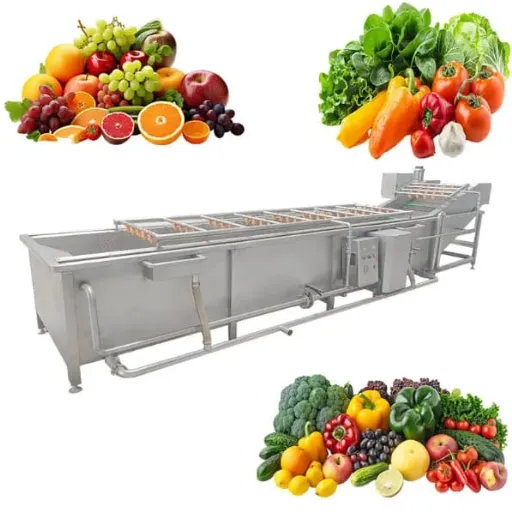
Emerging Processing Systems and Equipment
Recent years have witnessed transformative processing technologies that have revolutionized food production efficiency, quality, and sustainability. Among the most notable innovations are:
Consumer search data reveals considerable growth in interest for sustainable processing technologies and local food production systems. Queries for “eco-friendly food processing” and “automated sustainable packaging” indicate growing awareness of and demand for green practices. Industry leaders investing in the development and sustainability of processing systems will not only satisfy consumer needs but also gain competitive advantage in the rapidly rising market.
Deep Processing Techniques and Their Applications
Deep processing techniques involve advanced methods that transform raw materials into higher-value products with better quality and easier storage. Widely adopted techniques include:
High-Pressure Processing (HPP)
Safely eliminates pathogens using high pressure while maintaining nutritional value, making it ideal for health-conscious consumers seeking minimally processed options.
Extrusion Techniques
Effectively produces plant-based protein products, responding to trending searches for “best plant-based meat products” and attracting consumers considering meatless diets.
Fermentation
Adds unique flavors while enhancing wellness through increased probiotic content, supporting the rising concern for gut health reflected in searches for “fermented superfoods benefits.”
These processing techniques enable companies to align with changing customer preferences while remaining competitive in the marketplace. Consumer interest in “organic preservation techniques” mirrors the demand for less processed yet beneficial food products.
Minimal Processing Trends in the Industry
The application of minimal processing techniques such as cold-pressing, dehydration, and pasteurization is increasing as customers seek more natural and less altered food options. Search trends for “minimally processed foods” show explosive growth over five years, indicating that clean eating has become the prevailing trend among informed consumers.
💡 Consumer Insight
Frequently Asked Questions:
- “Is minimally processed food healthier?”
- “What are examples of minimal processing in food?”
These questions demonstrate consumers’ inquisitive attitudes and desire for transparency in ingredient sourcing and production processes.
The preference for less processed food aligns with overall health consciousness trends, where consumers demand transparent sourcing and production. Companies focusing on minimal processing can satisfy expectations for product quality while retaining natural nutrients, taste, and texture, successfully carving out niches in increasingly competitive markets.
Sustainability Initiatives in Fruit and Vegetable Processing
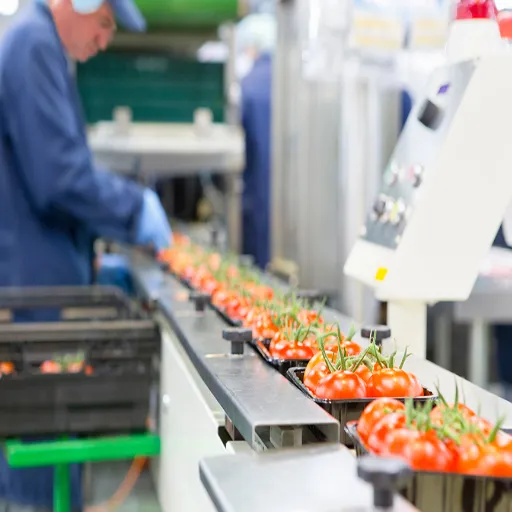
Environmental Impact and Sustainable Practices
The environmental impact of fruit and vegetable processing has become a critical industry concern. Primary challenges include waste generation and high water and energy consumption.
⚠️ Critical Environmental Challenge
Approximately 1.3 billion tons of food are lost globally each year, with a significant portion resulting from poorly managed processing operations.
Sustainable measures being implemented include:
- ✓ Water-Recycling Systems: Reducing water consumption and wastewater discharge
- ✓ Energy-Efficient Machinery: Adopting solar and biogas as clean energy sources to minimize fossil fuel dependence
- ✓ Waste-to-Value Conversion: Transforming waste products like peels and seeds into animal feed or organic compost
- ✓ Circular Economy Concepts: Implementing closed-loop systems that minimize environmental impact
These practices not only decrease negative environmental impacts but also provide companies with cost savings while becoming favorites among environmentally conscious consumers.
Consumer Demand for Eco-Friendly Packaging
Eco-friendly packaging has become essential as consumers recognize the plastic waste problem and its environmental consequences. Search data shows steady increases in queries for “biodegradable packaging” and “sustainable packaging solutions” over the past year, tracing back to consumer demand for environmentally friendly, sustainable packaging.
| Eco-Friendly Material | Applications | Environmental Benefits |
|---|---|---|
| Recycled Paper | Boxes, wrapping, labels | Reduces deforestation and landfill waste |
| Compostable Plastics | Food containers, films | Biodegradable, reduces plastic pollution |
| Plant-Based Materials | Trays, clamshells, bags | Renewable resources, lower carbon footprint |
Companies employing eco-friendly packaging methods will not only satisfy consumer demand but also strengthen their brand image in markets that are becoming increasingly sustainability-oriented.
Regulatory Compliance and Sustainable Standards
Fulfilling regulatory compliance and following sustainable standards are essential for companies pursuing environmental responsibility. Search data shows rising interest in “eco-friendly packaging regulations” and “sustainability certifications for businesses,” pointing to increasing awareness and compliance requirements.
📋 Key Regulatory Standards
- EU Single-Use Plastics Directive: Regulations limiting single-use plastic products
- FSC Certification: Forest Stewardship Council certification for sustainable materials
- Local and International Standards: Varying requirements across different markets and regions
When business packaging practices align with these regulations, companies can simultaneously achieve legal compliance, build consumer trust, and convey their dedication to sustainability.
Automation and Technological Advancements
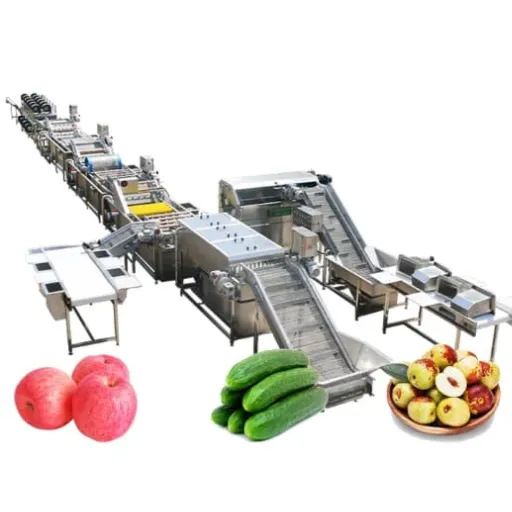
Adoption of Automation in Processing Lines
The adoption of automation in processing lines marks a major turning point, transforming how industries optimize production efficiency. Manufacturers are using robots, artificial intelligence (AI) systems, and Internet of Things (IoT) technology to streamline operations, reduce manual errors, and increase productivity.
🔍 Industry Question: “How does automation improve operational outcomes?”
The Answer: Automated systems process monotonous tasks quickly and accurately, allowing human capital to be redirected to higher-level activities. Key benefits include:
- AI-based quality supervision spots product flaws faster and more accurately than traditional methods
- Data analysis and predictive maintenance significantly reduce machine downtime
- Extended equipment lifespan through optimized operations
- Reduced defects and inconsistencies in production
Automation in processing lines not only reduces costs but also allows companies to meet increasing consumer demands with greater reliability and scalability. The efficiency these technologies provide is crucial for maintaining competitiveness in rapidly changing marketplaces.
Impact of Robotics on Production Efficiency
Robotics represents a major force transforming production efficiency across industries. The combination of state-of-the-art robots with AI and machine learning (ML) has enabled manufacturers to completely automate repetitive, error-prone tasks while enhancing precision and reducing human labor involvement.
📈 Productivity Impact Statistics
- Productivity Increase: Nearly 30% improvement in industries adopting robotics
- Production Capability: 24/7 operation cycles significantly increase output
- Cost Reduction: Lower labor costs while maintaining consistent, high-quality products
- Manufacturing Lead Times: Significant reduction in time from production to delivery
Sectors such as automotive and electronics have heavily invested in robotics for high-precision assembly and inspection, enhancing their capability to meet consumer needs. Robotics improves not only production quality but also speed and business responsiveness to market demands, securing long-term competitive advantages.
Integration of IoT in Processing Equipment
Internet of Things (IoT) technology integration in processing equipment has revolutionized the industrial landscape by enabling real-time monitoring, predictive maintenance, and seamless automation. IoT devices equipped with sensors collect vast amounts of data that are analyzed to improve plant performance and reduce downtime.
IoT applications are gaining strongest interest in food processing and pharmaceuticals. Benefits include:
- → Real-Time Monitoring: Continuous tracking of equipment performance and conditions
- → Error Reduction: Elimination of potential human errors leading to production inaccuracies
- → Workflow Acceleration: Speeding up entire production processes
- → Quality Consistency: Improved output quality and consistency across production runs
The alliance between IoT and processing equipment exemplifies the latest in digital connectivity, with continuous innovation in operational capabilities.
Market Trends and Opportunities
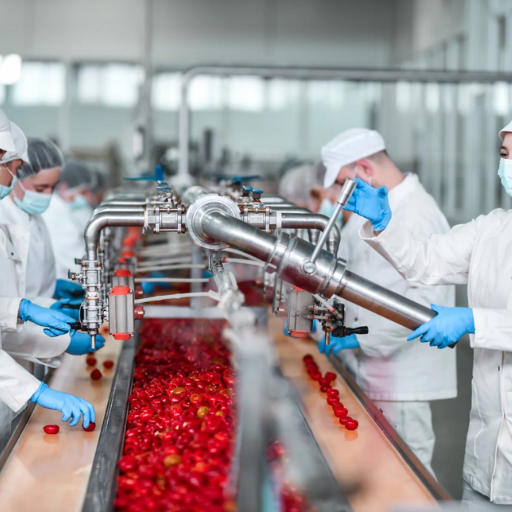
Shifts in Consumer Preferences for Healthier Options
Consumer search behavior highlights a pronounced shift toward healthier food and lifestyle choices. Terms gaining considerable traction include:
Plant-Based Diet
Growing consumer interest
Low-Sugar Snacks
Health-conscious choices
Sustainable Eating
Environmental awareness
This trend reflects heightened consciousness that food intake strongly influences health throughout life, with environmental factors increasingly affecting consumer purchasing decisions. Companies have golden opportunities to develop products suiting these preferences, including organic, vegan, and minimally processed offerings alongside mainstream products. By appealing to evolving consumer wants, market players can attract rapidly growing health-conscious buyers while building trust.
Global Trends Affecting the Fruit and Vegetable Processing Industry
The fruit and vegetable processing industry is being radically transformed by progressive global trends and evolving consumer behaviors:
Companies that quickly adapt to these changes can better anticipate customer requirements and emerge as winners in fast-paced global competition.
Forecasting Future Opportunities in the Market
Analysis of recent search data indicates strong consumer interest in sustainability and health-friendly products. Queries related to specific categories have shown consistent growth over recent years:
🎯 Growing Consumer Search Trends
- “Organic Produce”: Consistent upward trajectory indicating health-conscious purchasing
- “Plant-Based Snacks”: Reflecting dietary shift toward vegetarian and vegan options
- “Sustainable Packaging”: Environmental consciousness driving purchasing decisions
- “Local Food Sourcing”: Preference for high-quality, locally sourced products
- “Farm-to-Table”: Demand for transparency and shorter supply chains
Strategic Implication: Companies that are eco-friendly and health-oriented are optimally positioned to capture market share. Aligning product development with these preferences increases customer satisfaction and enables long-term growth in the competitive food processing industry.
Frequently Asked Questions (FAQ)
❓ What are the latest technological developments in processing fruits and vegetables?
The latest processing technologies for fruits and vegetables are primarily based on high-pressure processing and minimal processing concepts, which help create healthier products. These methods prolong the lifespan of fresh fruits and vegetables while retaining vital nutrients. There is a noteworthy trend toward adopting automated processing lines designed to deliver efficiency gains in the fruit and vegetable processing sector. The application of smart technologies in processing systems enables excellent monitoring and control, guaranteeing adherence to food safety norms. These processing technologies are becoming indispensable as consumers increasingly prefer fresher and healthier products.
❓ How is the market size for the global fruit and vegetable processing industry evolving?
The global fruit and vegetable processing market is on the rise, with its size expected to grow significantly due to increasing demand for ready-to-eat food products. Factors like urbanization, changing consumer lifestyles, and health concerns contribute to market growth. Recent market reports predict major advancement in the vegetable processing market size by 2025. The fruit and vegetable market is recording widespread acceptance of frozen vegetables and ready-to-eat food products. This rise indicates a trend toward purchasing convenient, high-quality food items, motivating processing companies to adapt their production practices accordingly.
❓ What are the key trends impacting the food industry regarding fruit and vegetable products?
Major trends influencing the food industry regarding fruits and vegetables include focus on sustainability and meeting food safety requirements. The demand for organic and local fruits and vegetables is growing stronger, making the production of processed fruits and vegetables more relevant. Another factor is the use of innovative flexible packaging that keeps products fresh. Analysts note that the fruit segment is especially large for juices, which are rapidly gaining popularity as consumers shift toward healthier beverage choices. These trends are rerouting the dynamics of processors’ operations and product presentations.
❓ What role does equipment play in the processing of fruits and vegetables?
Processing equipment is of utmost importance in fruit and vegetable processing as it guarantees production quality and efficiency. Equipment manufacturers are continually developing the latest technology that allows processing plants to work better and more efficiently. State-of-the-art equipment handles raw materials with minimal damage and generates the least waste. Automated processing systems ensure fast production and steady quality. As the industry increasingly adopts high-pressure and thermal processing, equipment’s potential to ensure food safety and regulatory compliance continues growing.
❓ How are fruit and vegetable processors adapting to market growth and trends?
Fruit and vegetable processors are adapting to market growth and trends by expanding their product ranges and investing in new processing technologies. Market expansion is causing processors to become more open to new products like ready-to-eat and frozen vegetable products. They are also improving quality by adopting strict food safety measures and enhancing production lines. Processors use market research reports to understand customers and fashion their strategies accordingly. This approach is the only means to remain competitive in the global fruit and vegetable processing industry.
Reference Sources
📚 University of Nebraska-Lincoln – Fruits and Vegetables Technology
This peer-reviewed teaching project portfolio discusses current challenges and advancements in the fruits and vegetable processing industry.
📚 University of Minnesota – Trends in Fruit and Vegetable Processing in North Carolina
This paper explores the growth and trends in the fruit and vegetable processing sector, with a focus on North Carolina’s industry over the last three decades.
📚 Oregon State University – Research and Education Needs of the Oregon Fruit and Vegetable Industry
This document highlights new technologies in fruit processing, preservation, and value-added product development, providing insights into industry advancements.

GW
Articles: 39
Trending now