Get in touch with Victorystar

Mango Juice Processing Line for sale
Implement cutting-edge processing technologies to transform processed mangoes to juice. This accomplishes your goal of sustainable quality for your business while optimizing efficiency.
The most advanced washing, sorting, and peeling systems in the industry keep processing fresh mangoes hygienically and meticulously, and conserve the real taste and nutrients of the fruit.
Modern pasteurization systems, along with aseptic packing, provide security and lasting preservation of the product without sacrificing flavor.
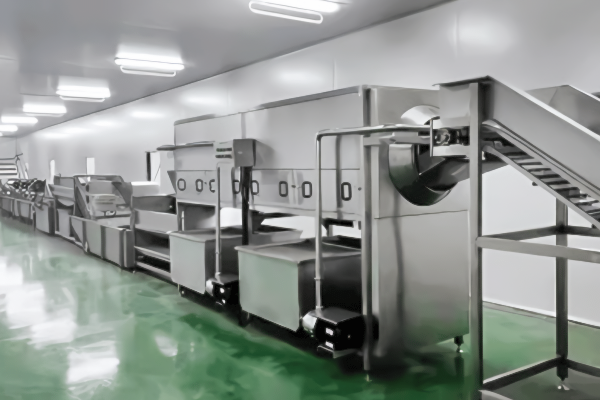
Cutting-edge technology in precision pulping and extraction guarantees the maximum yield of juice while preserving the real taste and nutritional value of quality mango juice.
Maximize operational efficiency close to 99.5% while processing over 5,000kg of mangoes per hour. Efficiently operate the mango processing while avoiding waste.
Juice Production Line Solving Your Production Challenges
Our processing line focuses on the most crucial pain points of mango juice production. We’ve provided impactful solutions on effectiveness, waste reduction, and profit improvement.
Quality variations from manual processing can impact customer satisfaction and harm a brand’s reputation.
✓ Our Solution: Real-time monitoring and automated quality control systems guarantee uniformity in every batch in terms of flavor, hue, and nutritional value.
Conventional approaches restrict output levels, failing to satisfy increasing market demand.
✓ Our Solution: High-speed processing line capable of 5000kg/hour throughput with continuous operation capability.
The necessity of a large workforce for manual processing incurs excessive operational costs.
✓ Our Solution: Labor requirements are reduced by 75% through full automation, thus decreasing operational costs.
Inefficient methods of processing result in a 20-30% wastage of a product. This greatly compromises the profitability of the product.
✓ Our Solution: Advanced extraction technology yields a profit with a 95% yield efficiency, minimising waste in the process.
Mango Juice Processing Machine Technical Specifications
| Material | mango |
|---|---|
| Processing capacity | 3T/day-1500T/day |
| Solid content | 10-20Brix |
| Concentrate concentration | 50~75Brix |
| Product packaging | Aseptic bag/Tetra Pak/Glass bottle/PET bottle |
| Production | Customized according to customer requirements |
Performance Metrics That Matter
Our cutting-edge Mango Juice Processing Line is equipped with the latest advancements in processing technology tailored for high-volume commercial production of mango juice. Leveraging over 15 years of experience in the field coupled with ongoing innovation, we provide fully integrated turnkey solutions for the conversion of fresh mangoes to high-quality juice products.
500+
Installations Worldwide
99.5%
Operational Efficiency
45+
Countries Served
98%
Customer Satisfaction
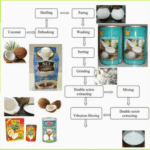
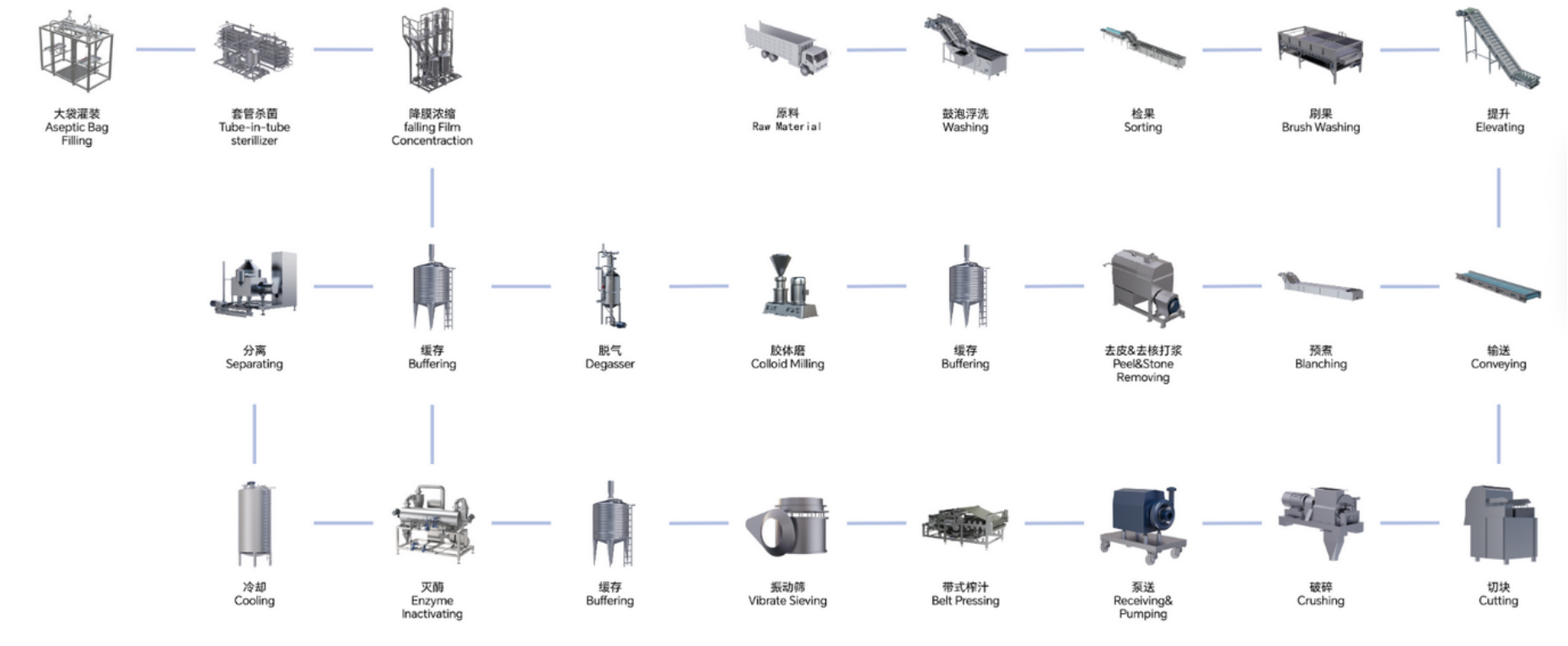
Mango Juice Processing Flow Chart
Understand the step-by-step process involved in the mango juice production flowchart, starting from fresh mangoes.
Applications for Industrial Mango Juice Making Machine
Versatile processing solutions for diverse industry applications and business models.
01
Large-Scale Juice Manufacturers
- Ideal for established juice businesses aiming to enhance production scalability and operational efficiency. Processes high volumes while maintaining consistent quality output.
02
Agricultural Cooperatives
- Perfect for cooperatives of farmers wanting to add value to their harvest of mangoes and implement other ways to earn money with mangoes through their processed products.
03
Export-Oriented Businesses
- Intended for firms pursuing international expansion that have stringent quality control demands and bulk order needs.
Functional Details of the Mango Juice Processing Line
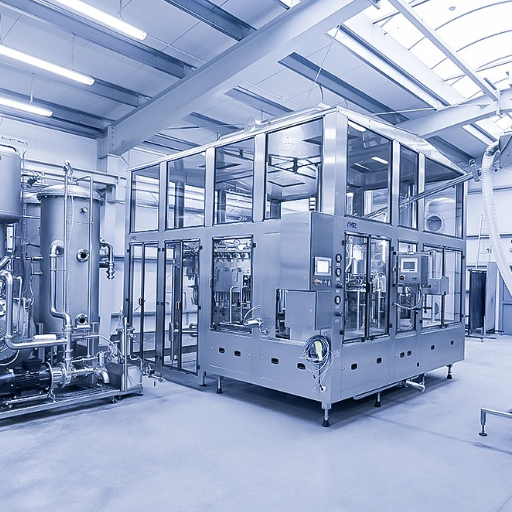
The Ultimate Used Beverage Equipment: Buying Guide for Beginners
Acquiring secondhand beverage equipment provides businesses with a cost-efficient solution to launch operations or increase their existing activities. The process…
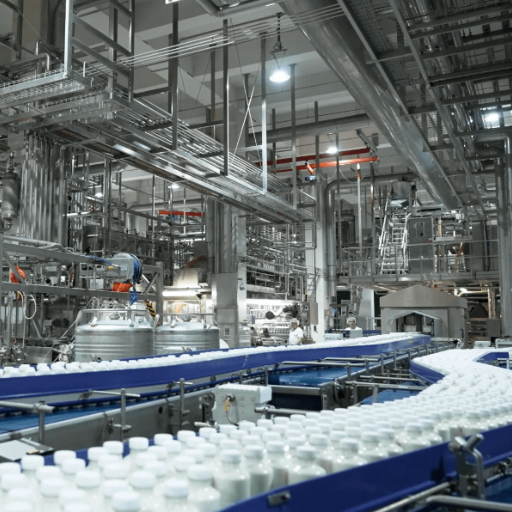
Predictive Maintenance in Beverage Manufacturing: A Game-Changer for Productivity
Predictive maintenance systems are changing how beverage producers manage their equipment performance and their production efficiency. This unique method uses…
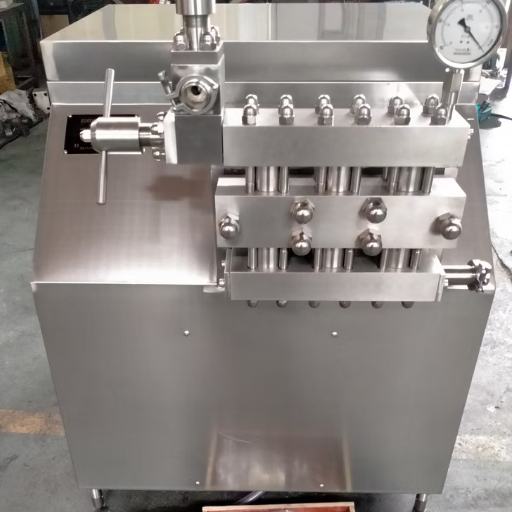
Homogenizer Selection for Beverage Production: Key Factors to Ensure Quality and Efficiency
The right homogenizer is a vital element in the success of the beverages produced by beverage manufacturers because if the…
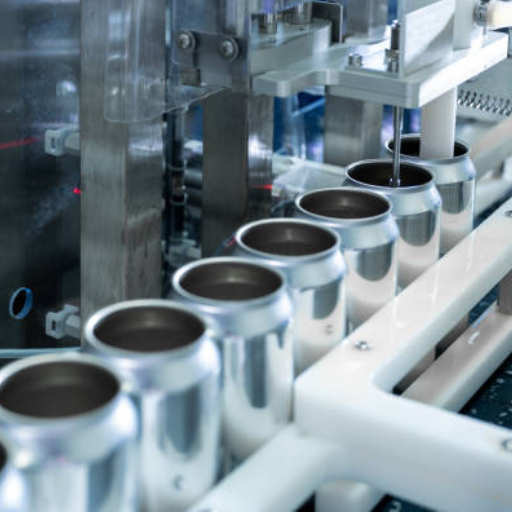
Beverage Can Filling Line Complete Guide: Ensuring Quality and Productivity
The Drinks Industry is a lot of action packed, effectively managed field. Efficiency and Quality are essential for every business…
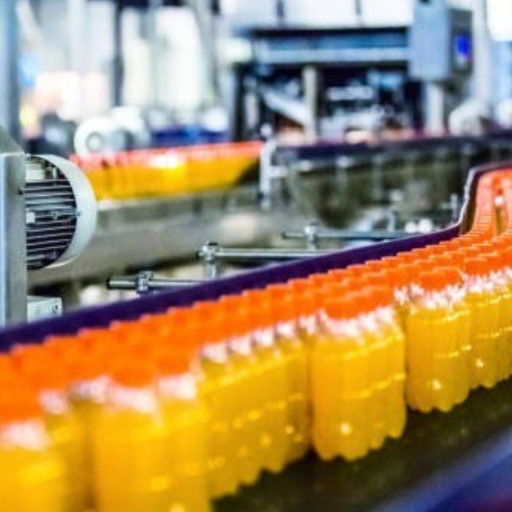
Energy Drink Production Line Setup: Ensuring Quality and Operational Excellence
The appropriate operational framework enables your business to achieve optimal productivity while creating products that fulfill customer needs for your…
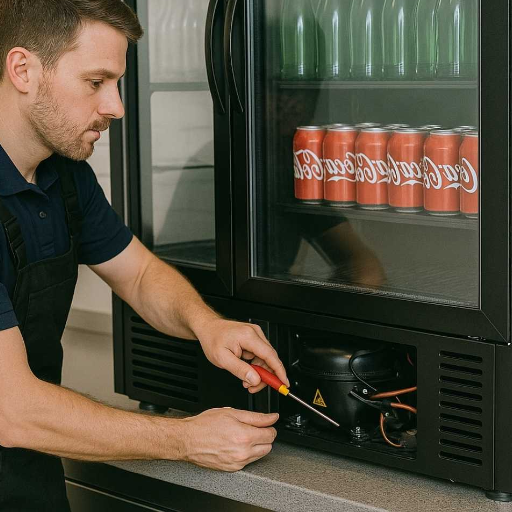
Preventive Maintenance for Beverage Equipment: Ensuring Longevity and Optimal Performance
The coffee shop which operates at full capacity and the bar and the restaurant need their equipment to be maintained…
Expert Guides to the Processing of Mango Juice
Mango Juice Making Machine Price
Fully automatic mango juice-making machines start at around $10,000, but there is a huge disparity in cost.
Mango Juice Processing Steps
The typical procedure for processing mango juice consists of the following stages: sorting, peeling, destoning, softening, pulping, homogenization, degassing, sterilization, filling, and packing.
How to Prepare Mango Juice
To make mango juice, combine ripe mango with water (or other liquid) and optional sugar or syrup for sweetness, and chill before serving.
What Is the Lifespan of a Juicer?
Different modalities, usage intensity, care, and clearance frequency all drive the uneven 5–10-year life cycle of an appliance.
How Much Does It Cost to Start a Juice Factory?
The initial investment needed to establish a juice factory would typically be between $45,500 to $347,000 which would depend on the size of the factory, the machinery the factory would need, and the operational systems required.
The Dos and Don’ts of Juicing
With regard to juicing, the dos include an 80/20 vegetable-to-fruit ratio, integrating different colors, and balancing with protein or fat, whereas the don’ts include avoiding meal replacements, throwing out pulp, and letting juice remain too long.
What to Do with Pulp from Juicing
Pulp from juicing can be reused creatively in recipes like bread, crackers, fruit leather, soups, or even as a compost ingredient.


What Our Customers Say
Learn how processing lines for mango juice globally changed businesses for the better, achieving far more than anticipated.
The processing line has revolutionized our capacity for production. We have increased our output by 300%, all the while ensuring the same level of quality. The return on investment was realized in 18 months.

Sarah Johnson
CEO, Tropical Fruits Inc.
The quality of the equipment remains exceptional, and the customer support given is outstanding. Thanks to automation, we have minimized our automation and mechanization service labor costs and have greatly improved the consistency of our end product.

Michael Chen
Production Manager
Response times from the technical support team are positive. Installation went without issue, and the instructions given were thorough. I would highly endorse this company.

Sophia Miller
Operations Director
“This processing line’s sustainability features complement our environmental goals. Our energy consumption has decreased by 30%, and the new water recycling system has been transformative for our operations.”

David Kim
Operations Director
Frequently Asked Questions (FAQs)
A mango juice processing line is a complete system designed for the production of mango juice from fresh mango fruits. Such a line entails the washing, peeling, depitting, pulp extraction, homogenization, and, eventually, the sterilization, filtration, and filling of the end product. The aim is to convert fresh mangoes into a juice beverage while observing quality and safety standards for shelf stability.
The mango juice production process is rather straightforward. After sorting and washing the fresh mangoes, the fruits are peeled and depitted. The pulp is then processed through a mango pulper machine, which extracts the mango puree. Thereafter, the puree is homogenized and sterilized to boost juice yield and safety. Finally, the juice is concentrated, if necessary, and, using an aseptic filling machine, the juice is filled into bottles.
A mango juice processing line comprises a series of different equipment including a sorting machine, washing machine, mango pulper, homogenizer, juice sterilizer, and filling machine. This equipment is essential to the processing of mangoes into juice, and contributes to the productivity of the processing plant.
Mango peeling and destoning consists of removing the outer peel and the seed. This is an important step, for it guarantees that only the edible pulp is used for juice extraction. This assists the process in improving the quality of the juice, and juice extraction is enhanced when the peeling and destoning process is performed thoroughly.
Mango juice processing equipment are made out of 304 stainless steel. This is common practice, as 304 stainless steel possesses adequate corrosion resistance, and is strong, durable and meets the standards required for hygiene in food handling. For 304 stainless steel to be used, it means the processing line is 304 stainless steel and safe. This also demonstrates that the equipment is built to last.
Determining the operation of a mango juice filling machine involves understanding the automated filling of processed mango juice containers of various sizes. For automated filling systems designed with size flexibility, the systems ensure the consumer-specified filling margin, hence, wastage is guaranteed to be minimal. The extension of the juice’s shelf life with the preservation of the juice’s freshness and taste is a result of the aseptic filling system incorporated in the automated systems.
The juice production benefits of a mango pulper are centered around the efficient extraction of mango puree and the resultant higher juice yield. The integrated capability of pulp processing within a pulper machine minimizes extraction waste and helps achieve a higher optimal juice extraction volume. In addition, the trimming of puree to a consistent grade and quality is a practical necessity, this is to assure the desirable quality of the puree beverage is maintained.
In a processing facility, safety measures encompass compliance with hygiene standards, sanitation of processing machinery, and routine maintenance inspections. It is important that all processing equipment be constructed of the appropriate and safe materials, such as stainless steel 304, and that all operational steps be designed to avoid contamination during the various stages of mango processing. Safety training of all mango processing employees is critical to the upkeep of processing standards.
Trending now