Get in touch with Victorystar

Pasteurized Milk Processing Line for Sale
Selling a complete pasteurized milk processing set. Get an efficacious yet dependable system for all your dairy production requirements.
More than 20 years of experience in all aspects of designing, manufacturing, and installing dairy processing equipment. We look at the problems that dairy producers undergo and provide solutions that actually work.
From the beginning, consultation, and designing to the installation, commissioning, and training, we do it all. You will get a complete production line ready for operations instead of just the equipment.
With thousands of installations in North America, Europe, Asia, and beyond, our equipment has been tested in varied operational and regulatory environments.
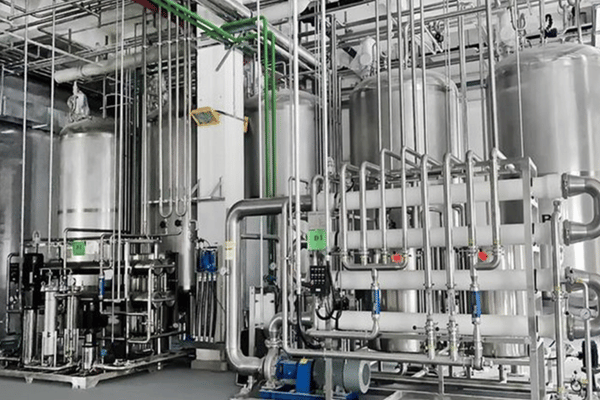
Pasteurizing, automation, and energy efficiency latest innovations are included in our equipment. Our equipment meets or exceeds all international standards, including FDA PMO, CE, and 3A Sanitary Standards.
We use high-quality SUS304 or SUS316L stainless steel for all food-contact surfaces. Also, internationally recognized branded components are installed in our machines, including Siemens, Mitsubishi, and Alfa Laval.
Prices within the reach of your budget without quality compromise. Energy-efficient and almost maintenance-free ensures a typical ROI of 18-36 months. Financing available.
Solving Your Dairy Processing Challenges
The dairy industry requires safety, efficiency, and compliance with low cost. Our Pasteurized Milk Processing Line caters to all these prerequisites.
Raw milk is a risk for contamination by dangerous bacteria like E. coli, Salmonella, and Listeria, posing serious health hazards. Contaminations can mean costly recalls and damaged brand images.
✓ Our Solution: Advanced HTST pasteurization at 72-85°C for 15 seconds is able to kill 99.9% of pathogens while preserving nutrients and flavors, and complies with FDA and Foreign Laws for Safety.
If the unpasteurized milk is contaminated with coliform, the milk could be spoiled and with more spoilage, the product would be wasted, bringing up distribution problems and another loss in the opportunity to make revenue.
✓ Our Solution: Our processing line provides a shelf life extension of 7-14 days (standard) or 10-30 days (ESL), enabling wider distribution and 40% reduction in waste.
Inefficient equipment, high energy consumption, maintenance costs, and labor charges eat into the profit margin.
✓ Our Solution: A plate heat exchanger with 80% energy recovery, automatic CIP systems, and a low-maintenance design lowers the operating cost by approximately 35%.
Market demands are in flux – production must be done with varying grades of whole milk, skim milk, yogurts, etc., without having to invest in different production lines.
✓ Our Solution: Having a multi-product facility enables the production of pasteurized milk, ESL milk, yogurt, and flavored milk on the same line, thus, maximizing the ROI.
Human intervention leads to varying quality-bulk product taste, texture, and customer satisfaction.
✓ Our Solution: PLC-based automation with online monitoring ensures uniform product quality for every batch by timely control of temperature, pressure, and flow rate.
Big and complex machinery demands a lot of floor space and complicated installation procedures.
✓ Our Solution: The modular design requires only 150-300 square meters, with easy installation and minimal civil work.
Detailed Technical Parameters
| Parameter | Details |
|---|---|
| Capacity | 500L/H to 50,000L/H |
| Sterilization Temperature | 72-75°C for 15-20 seconds (HTST method) |
| Material | SUS304/SUS316L stainless steel |
| Packaging Options | Bottles, pouches, gable-top cartons |
| Energy Recovery | Over 90% efficiency in heat recovery |
| Optional Features | Homogenizer, degasser, CIP cleaning system |
Important Performance Indicators
Learn how to assess and boost the efficiency and quality of your pasteurized milk processing line. Learn about critical performance parameters that you must track.
99.9%
Pathogen Elimination Rate
80%
Energy Recovery Efficiency
35%
Operating Cost Reduction
60%
Cleaning Time Saved
Diverse Applications of Pasteurized Milk Processing Line
Unlock the whole potential of a pasteurized milk processing line. Look into various applications and versatility with the dairy and food production sectors.
01
Whole Pasteurized Milk
02
Flavored Milk
03
Yogurt Base Production
04
ESL Extended Shelf Life Milk
05
Cheese Milk Preparation
06
Specialty Milk Processing
07
School & Institutional Supply
08
Organic Milk Production
09
Private Label Manufacturing
Specific Use Cases
The Ultimate Used Beverage Equipment: Buying Guide for Beginners
Acquiring secondhand beverage equipment provides businesses with a cost-efficient solution to launch operations or increase their existing activities. The process…
Predictive Maintenance in Beverage Manufacturing: A Game-Changer for Productivity
Predictive maintenance systems are changing how beverage producers manage their equipment performance and their production efficiency. This unique method uses…
Homogenizer Selection for Beverage Production: Key Factors to Ensure Quality and Efficiency
The right homogenizer is a vital element in the success of the beverages produced by beverage manufacturers because if the…
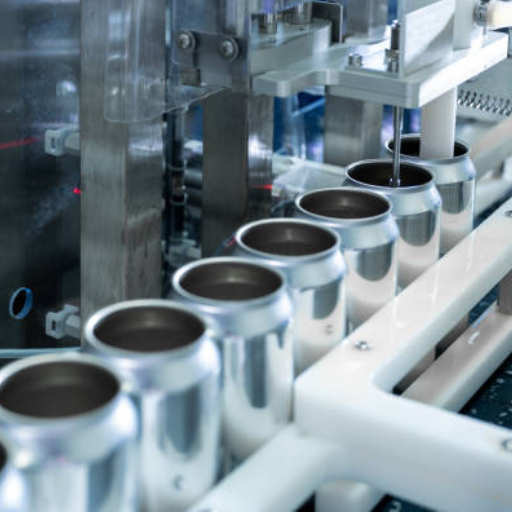
Beverage Can Filling Line Complete Guide: Ensuring Quality and Productivity
The Drinks Industry is a lot of action packed, effectively managed field. Efficiency and Quality are essential for every business…
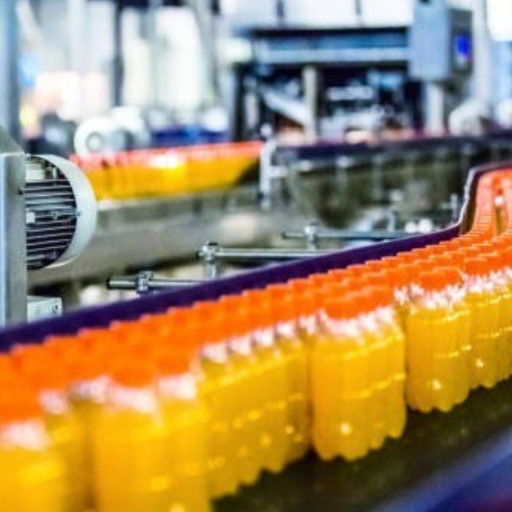
Energy Drink Production Line Setup: Ensuring Quality and Operational Excellence
The appropriate operational framework enables your business to achieve optimal productivity while creating products that fulfill customer needs for your…
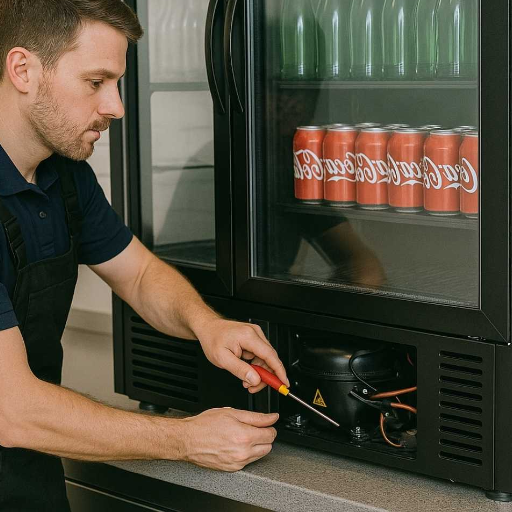
Preventive Maintenance for Beverage Equipment: Ensuring Longevity and Optimal Performance
The coffee shop which operates at full capacity and the bar and the restaurant need their equipment to be maintained…
Expert Guides to Pasteurized Milk Processing Line
What Are the Steps in Milk Processing?
The entire milk processing activity includes quality testing, separation of the cream from skimmed milk, pasteurization for bacteria arrest, homogenization for breaking fat globules, and storage until distribution.
What Is Pasteurization in Milk Processing?
Pasteurization in milk processing is that special heat applied to milk for a stipulated time so as to kill the harmful bacteria and provide for safety.
How Long Does It Take to Pasteurize Milk?
It takes 30 minutes at 63°C (145°F) or 15 seconds at 72°C (161°F) to pasteurize milk.
Milk Processing Machine Price
Milk processing machine prices vary widely, starting from around $959 for small pasteurizers to $18,000 or more for larger-scale types of equipment.
Milk Processing Equipment List
Milk processing equipment includes, apart from milk tanks, pasteurizers, cream separators, homogenizers, butter churns, cheese presses, milk coolers, and storage tanks.


What Our Customers Say
Satisfied clients sharing their experiences with our advanced Pasteurized Milk Processing Line and the quality results it delivers.
“This pasteurization line was installed six months ago, and the results have been wonderful. Energy costs are down by 32%, and this automated CIP system saves us 3 hours a day. Product quality has always been excellent with zero contamination issues. The return on investment took only 18 months!”

Sarah Mitchell
Production Manager, Green Valley Dairy, California
“Being a small family farm trying to go commercial, we wanted the equipment to be efficient but not intimidating. The 500L/H line suited our needs perfectly. Installation was quick thanks to its modular design, and training was very well done. We now produce pasteurized milk and yogurt, which keeps another revenue stream going for us.”

David Chen
Owner of Sunrise Organic Dairy, Oregon
“The system is exact and reliable, to say the least. We process 20,000 liters every day, and the consistency in performance is outstanding. It’s good to have automated alarms and real-time monitoring to address potential issues. Our rejection level has almost come to zero, and we’ve cleared all the regulatory inspections since their installation.”

Maria Rodriguez
Quality Assurance Director, Metropolitan Dairy Co., Texas
Frequently Asked Questions (FAQs)
Capacity depends on your daily milk production and processing goals. For small farms (50-100 cows), a 500-1,000L/H line is typically sufficient. Medium operations (100-500 cows) usually work with 2,000-5,000L/H, whereas large commercial dairy operations require 10,000-50,000L/H/H. Remember peak production periods and allow 20-30% buffer for growth. Our team can provide a free capacity assessment as per your specific situation.
Typical installation time is 2-4 weeks, depending on the complexity of the line and site preparation required. Equipment delivery takes place in 1-2 days, followed by mechanical installation of up to 7 days, electrical and piping connections for another 3-5 days, testing and commissioning for 3-4 days, and operator training for 2-3 days. We provide a detailed timeline during the design phase and can speed up this schedule if circumstances warrant. The installation could be further shortened by 30-40% by adopting pre-fabricated modules.
Energy (electrical, steam, and cooling water), cleaning chemicals (for the CIP system), routine maintenance, and labor. Since we have an 80% heat recovery system, energy costs are 30-40% less than those in a conventional system. Operating costs per day for a 5,000L/H line are $150-250 (excluding labor). Annual maintenance works to about 3-5 % of the value of the equipment. We provide a detailed costing projection during quotation.
Yes, financing options are available–the equipment may be leased (3-5 years), and a lease-to-own approach can be worked out along with agricultural finance institutions. Many customers qualify for USDA Rural Development grants and loans for dairy equipment. For payment, we can also set up a phased plan: 30% down, 40% upon installation, and 30% after commissioning. Please contact us, and we can discuss which style suits you best.
Daily: Automated CIP cleaning (by the system), visual inspection of gauges and displays. Weekly: Inspection of gaskets and seals, verification of calibration for sensors. Monthly: Lubricate pumps and valves, inspect electrical connections. Quarterly: Replace wear parts (gaskets, seals), inspection by a professional. Annual: Complete system audit and recalibration of all instruments. We offer maintenance manuals with all details, video tutorials, and annual maintenance contracts that include visiting the customer on-site.
Absolutely! Our processing line milkers work with cow, goat, buffalo, camel, and yak types. Variations in milk type may cause slight changes in pasteurization parameters (temperature and time), which vary according to the fat content and composition. But it is that very flexibility which allows quick parameter changes from the PLC control panel. We also undertake designing customizations to the line if you’re going to be frequently processing different types of milk.
Our equipment is certified to comply with: the FDA Pasteurized Milk Ordinance (PMO) for U.S. markets; CE marking for the European Union; 3A Sanitary Standards for dairy equipment; ISO 9001 for quality management; and ISO 22000 for food safety management. All food-contact materials are FDA-approved SUS304/316L stainless steel. We also offer complete documentation and certification packages to support your regulatory approvals and inspections.
In all modular designs, the concept of space efficiency is followed. Small lines (500-2,000L/H) require 150-200 m² of space, including auxiliary equipment. Medium lines (2,000-10,000L/H) need about 200-250 m² of space, and large lines (above 10,000L/H) require 250-300 m² of space. The height requirement is 4-6 meters. The choice of layout can be tailored for either L-shaped or linear configurations based on the existing architecture. We provide 3D layout drawings during the design phase to help you use your space optimally.
Trending now