Get in touch with Victorystar

the ultimate guide to orange juice processing line

Contents
show
Introduction to Orange Juice Processing
Significance of Orange Juice in the Beverage Industry
Orange juice holds a distinguished status in the beverage industry, being one of the most popular fruit juices worldwide. Modern-day market data seem to suggest that households regard orange juice as a mainstay product because of its high vitamin C content, refreshing taste, and potential health benefits. It goes without saying that people consider orange juice a natural option imbued with nutrients in place of sugary sodas or chemically synthesized beverage choices.
In concert with recent reports, worldwide orange juice consumption keeps increasing, with North America and Europe dominating demand. Hence, advancements in processing and packaging techniques could still maintain its quality while promoting shelf life. One cannot look at the beverage market without considering orange juice, that pinnacle of nutrition on the go meeting nutrition with consumer convenience.
Why Orange Juice Matters:
- High Vitamin C Content: Essential for immune system support
- Natural Alternative: Preferred over artificial beverages
- Global Popularity: Leading markets in North America and Europe
- Nutritional Benefits: Combines health with convenience
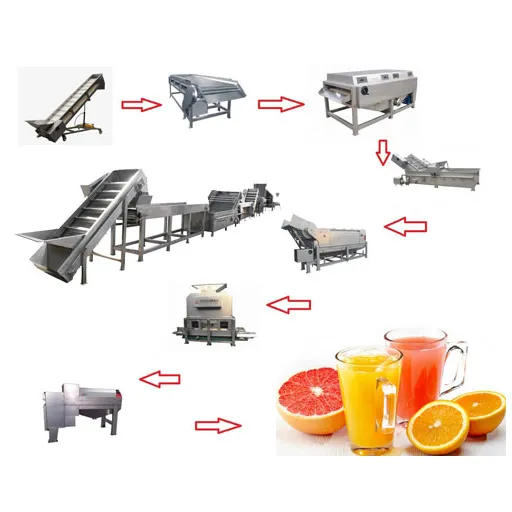
Overview of the Juice Processing Line
The juice processing line starts with carefully selecting and washing fresh oranges to ascertain their quality. The fruits are then moved to extraction units that separate the juice from the pulp and peel. Pasteurization techniques are used very carefully to kill harmful bacteria while keeping the natural flavor and nutritional value intact. Juice is then concentrated or blended based upon the type of product to be manufactured. The last packaging step is very crucial, congruent with the present methods of aseptic packaging so as to preserve juice freshness and maximize shelf life.
The data collected recently point to an increasing number of consumers seeking information about the sustainability of juice production. Many modern processing lines now claim their own eco-label down the dimensions of water efficiency, low-energy-consumption, or recycle by-products, such as orange peel for animal feed or essential oil recovery. The innovations, therefore, promote modernization while catering to the interests of a host of consumers demanding a green-juice-beverage option.
Key Stages of Orange Juice Production
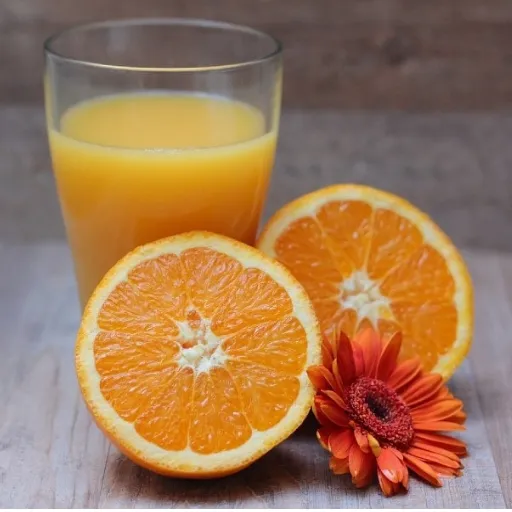
Most processes involved in orange juice production are common for various other juice-processing industries where modern technology connects with sustainable practices. The stages ensure that the juice stays as close to nature in flavor and nutritional condition while at the same time creating a minimum environmental impact.
Stage 1: Harvesting and Transportation
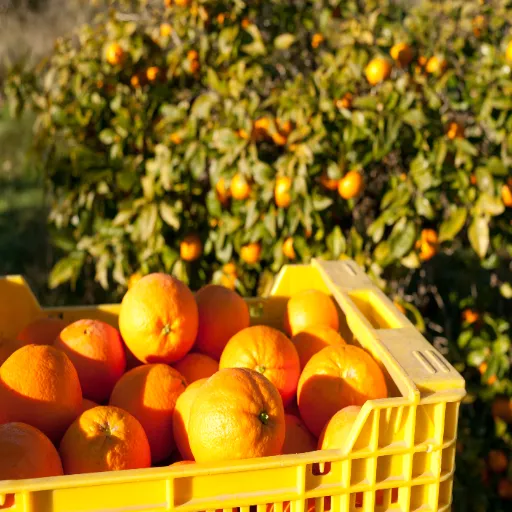
The oranges must be hand-picked at full maturity for maximum taste and quality. After the fruit has been harvested, it is transported to processing centers, usually located close to the principal growing areas so as to minimize carbon emissions from logistic operations.
Stage 2: Clean and Sort
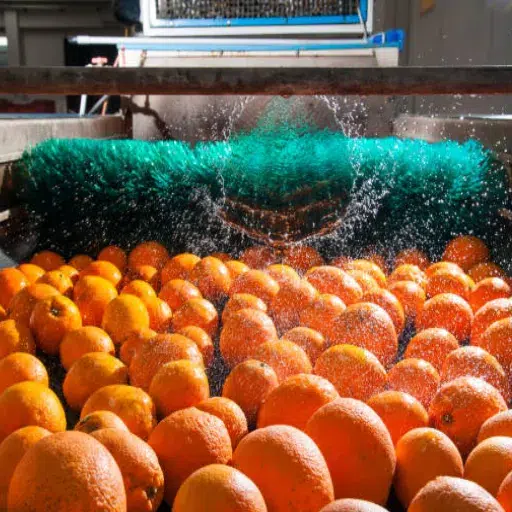
The arriving oranges are put through a wash to remove dirt, debris, and microbial contaminants. Then the oranges are sorted according to size, ripeness, and quality by use of an advanced optical sorting system, thus giving everyone optimum consistency of the final product.
Stage 3: Juicing
The orange is placed in the machine to extract juice by pressing or reaming. Modern extraction methods try to extract the maximum amount of juice with minimum wastage and residual peel, pulp, or seeds are utilized for byproducts such as animal feed, compost, or essential oil production.
Stage 4: Pasteurization
The juice is subjected to pasteurization aiming to destroy injurious organisms while elongating the shelf life. Pasteurization at low temperature is widely accepted just to make sure that nutrients and flavor are preserved in the juices.
Stage 5: Concentration (Optional)
For some orange juices, the liquid undergoes concentration whereby water content is removed. This lowers the volume for easier transport and storage. Upon retail, the juice is put back to its original state via water addition.
Stage 6: Packaging and Distribution
The final product is packaged in containers made of environmental-friendly material, mostly recyclable cartons, or bottles. There is increasing interest in sustainable packaging design, something consumers expect from brands nowadays. Then, the juice is dispensed to retailers across the globe, assuring the consumers receive their juice at its peak freshness.
One consideration that consumers usually raise is the environmental impact of orange juice production. According to recent data, it is a very popular trending research topic concerning juice production and sustainability. To meet consumer demand, several companies have gone green in their practices, conserving energy and recycling byproducts. Hence, through using orange peels as renewable resources to produce biofuels or compost, the industry addresses the problem of its considerable carbon footprints.
| Production Stage | Primary Action | Sustainability Practice |
|---|---|---|
| Harvesting | Hand-picking at full maturity | Local processing centers reduce carbon emissions |
| Washing & Sorting | Remove contaminants, grade quality | Water recycling protocols |
| Juicing | Extract juice via pressing/reaming | Byproduct recycling (animal feed, compost, essential oils) |
| Pasteurization | Destroy harmful microorganisms | Low-temperature methods preserve nutrients |
| Concentration | Remove water content | Reduced transport volume and energy |
| Packaging | Seal in containers | Recyclable materials, eco-friendly design |
Fruit Reception and Harvesting
Citrus Fruit Varieties Considered
Juices from varying citrus fruits may be produced to satisfy customer requirements and industrialize the processes for sustainability. According to relatively recent statistics, oranges still hold the top fruit for juice extraction since the fruits yield a great deal of juice and enjoy worldwide consumer preference. There are other fruits as well that are used extensively, such as lemons, limes, grapefruits, and mandarins. Each of these fruits brings with it a different taste profile catering to diverse palates and is hence blended in varying proportions in mixed citrus juices. Amongst other things, they can serve as potential sources of by-products in various green applications promoting sustainability for the maintenance of the industry.
Popular Citrus Varieties for Juicing:
- ???? Oranges: Leading choice for high juice yield and widespread popularity
- ???? Lemons: Provides tangy flavor for blended juices
- ???? Limes: Adds citrus brightness to mixed beverages
- ???? Grapefruits: Offers bitter-sweet complexity
- ???? Mandarins: Contributes sweet, mild flavor profile
Harvesting Techniques and Best Practices
For the efficient harvesting of citrus fruits, a few things should be taken into consideration. The traditional method of manual harvesting is just careful picking to avoid bruising the fruits. Sometimes the cutter-type devices are utilized to cut the stem cleanly so that the tree and the fruit can be saved for another harvest later. Meanwhile, mechanical harvesting is increasingly favored at the larger scale. Once the fruit has become fully mature, the machines with shaking and moving parts begin to do the dislodging from the trees, yet the machines need to be properly calibrated to avoid dislodging immature fruits.
Among other things, citrus harvesting demands consideration of timing and weather. The citrus fruits are usually picked throughout their prime harvest season, which depend mostly on ripeness and color, size, and balance of sugar and acid. Extreme heat in the afternoon can cause heat stress to the fruit and degrade the quality of the fruit; thus, fruits are preferably harvested either in the very early morning or late afternoon. Environment-friendly practices nowadays contend to enter the scene, such as throwing less waste while also using part of its organic waste, such as fallen leaves or maybe stems, for the life cycle of compost. This goes hand-in-hand with the trend for sustainable agriculture in the whole industry.
| Harvesting Method | Description | Advantages | Considerations |
|---|---|---|---|
| Manual Harvesting | Handpicking with clipper tools | Minimal fruit damage, selective picking | Labor-intensive, slower process |
| Mechanical Harvesting | Machine shaking/moving parts | Fast, efficient for large-scale operations | Requires calibration, may affect immature fruit |
Reception at the Processing Plant
Upon arrival at the processing plant, the freshly harvested product is put through several steps that are carefully laid down for maximum quality and efficiency. The initial step is to inspect the incoming lot for general condition against certain standards such as size, color, and level of ripeness. In some instances, depending on temperature, the produce is immediately put under a climatic chamber in order to check spoilage and keep away from any contamination. Modern and more automated systems are coming up in this initial sorting stage in order to increase speed, together with eliminating human error and thus maintaining consistency.
From inspection, the produce is thoroughly washed to eliminate dirt, pesticide, or residues. Modern facilities may incorporate water recycling protocols that are environmentally friendly in the spirit of sustainability practices. The washing is followed by the next operation: sorting and grading depending on metrics such as acceptability of texture, appearance, or presence of possible defects. The procedures are carried out through the assistance of data-driven algorithms and machine learning technologies in order to ensure higher accuracy. There has been an increase in search trends indicating an augmentation in the integration of AI in the food processing industry, improving production processes and quality assurance.
Through such procedures, the processing units fulfill consumer demands for a high-quality product while also keeping with the flow toward sustainable and technological agricultural methods.
Plant Reception Procedures:
- Initial Inspection: Assess size, color, and ripeness against quality standards
- Climate Control: Use climatic chambers to prevent spoilage
- Thorough Washing: Remove contaminants with water recycling protocols
- Automated Sorting: Employ AI and machine learning for precision grading
- Quality Verification: Final assessment before processing begins
Washing and Cleaning
Importance of Fruit Washing
Fruit washing is an essential process that one can think of to assure safety and quality of the produce in the hands of consumers. It gets rid of dirt, bacteria, pesticides, and any other contaminants that may have been clinging to the surface of the fruit during farming, transportation, and storage. Search engine data demonstrates an upward trend in queries related to safe fruit washing methods and how to wash fruits effectively, condemning the consciousness of the consumer towards food safety. Actually, proper washing would brighten the fruit a little; above all, it greatly reduces the danger of foodborne diseases, therefore advocating the importance of effective cleaning methods in domestic and industrial applications.
Equipment Used in Fruit Washing
The washing of fruits faces more or less unscrupulous equipment able to serve from the smallest household-oriented purchase to large industrial use. Domestic washing implements are commonly colanders, vegetable brushes, and lots of free running water to remove dirt and surface contaminants. One step ahead would be families opting for an ultrasonic fruit washer or food-grade sprays to boost toxins and bacteria removal.
Industrially, equipment of higher sophistication are employed, including bubble washers, high-pressure sprayers, and brush washing systems for mass produce. All these are geared toward ensuring uniform cleaning, maintaining the integrity of delicate fruit, and ensuring it meets industry standards of safety.
Along with this growing awareness made obvious by climbing search queries on safe fruit washing methods, these solutions serve as a critical response in addressing the pressing consumer demand for clean and safe produce. Simple solutions and high-tech solutions underline the paramount importance of actually carrying out washing procedures in the wake of a growing emphasis on food safety and hygiene.
| Application Level | Equipment Type | Primary Function |
|---|---|---|
| Domestic | Colanders, vegetable brushes, running water | Surface dirt and contaminant removal |
| Domestic (Advanced) | Ultrasonic washers, food-grade sprays | Enhanced toxin and bacteria removal |
| Industrial | Bubble washers, high-pressure sprayers | Uniform cleaning for mass production |
| Industrial | Brush washing systems | Delicate fruit integrity maintenance |
Cleaning Stages
Step 1: Preliminary Rinse
Give the fruits a good rinse under running water. This will remove the loose dirt and debris and a good number of contaminants on the surface. Avoid using soaps or detergents as these are not meant for food use and may leave behind some harmful residues.
Step 2: Gentle Scrubbing
For hard fruits such as apples or cucumbers, gently scrub using a clean produce brush. This method excels in the reduction of dirt and pesticide residues.
Step 3: Fruit-Specific Washes
According to recent search data, many users are looking for information on specialty fruit washes. These type of washes, usually natural versions, constitute yet another measure in breaking down wax coatings and chemical residues on fruits. Choose a fruit wash aligned with food safety guidelines and follow it with a thorough rinse.
Step 4: Cold Water Bath with Vinegar (Optional)
Another popular search query trend consists of an alternate-step procedure of soaking fruits in cold water with vinegar to aggressively remove bacteria and pesticides. Use the ratio of one part vinegar to three parts water; soak for approximately 10 to 15 minutes; then provide some final rinse.
Step 5: Drying
After the cleaning, allow the fruits to air dry or gently towel dry them using a clean towel. Proper drying can prevent the growth of bacteria during storage.
By following these procedures, consumers will have their fruits cleaned, safe, and ready to be consumed, thus alleviating the worries reflected in today’s search trends.
Sorting and Grading
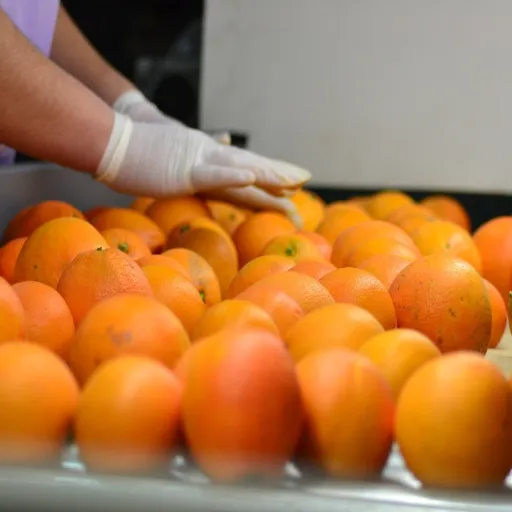
Criteria for Sorting Citrus Fruits
Various criteria will be set when sorting citrus, ensuring the fruits are in good and safe conditions, which coincides with current consumer concerns according to search data:
Essential Sorting Criteria:
Weight and Size
According to search trends, consumers are very interested in visually attractive produce. A standard size and shape refer to high-quality citrus fruits; otherwise, unusual shapes may warn of uneven growth or some slight trauma.
Color and Appearance of Rind
Reflective of search tendencies, buyers often ask how to identify ripe and fresh citrus fruits. Bright, evenly colored fruits (e.g., vibrant orange for oranges or yellow for lemons) are signs of ripeness, whereas blemished, bruised, or excessively coarse rinds may indicate such fruits are of inferior quality or have been mishandled.
Firmness
Generally, they are a little firm and give just a bit of yield when gently pressed. Searching for such properties probably arises when an individual fears very hard citrus, which may be dry, or very soft citrus, which may be rotting.
<h5style=”color: #943126; font-size: 1.1em; margin-top: 15px; margin-bottom: 10px;”>Weight
Consumers have been moved towards knowing about juiciness through search queries. Juicier fruits are heavier; hence that can serve as a very simple pre-purchase quality determining factor.
Freshness Indicators
An increase in the questions like “how to store citrus fruits” certainly points towards the interest in fresher produce. Good citrus fruit should smell lovely and have no signs of mold at the stem or blossom ends.
When these parameters are implemented, producers and suppliers shall therefore be able to give consumers what they expect in quality citrus fruits, the points directly taken from insights into search behavior.
Technologies Used for Sorting and Grading
Until recently, sorting and grading technology was considered just one of many crucial aspects affecting stable quality. Optical sensors, cameras, and AI are presently used in contemporary systems for very sharp grading based on size, color, and surface defects. Very fast, these technologies classify fruits according to various consumers’ demands, who desire appearance and freshness at purchase. Likewise, parameters of internal quality pertaining to sweetness and ripening levels are assessed by weight sensors and near-infrared spectroscopy; thereby, good estimation of taste and internal quality of the fruit is given.
Together with search engine data, it is seen that the interest of users with regard to terms like “how to choose fresh citrus” or “citrus fruit quality indicators” stresses the need for transparency. Using these technologies, the producers have the freedom not only to assure quality but to provide consumers with more detailed information about the fruit attributes, so that buyers can decide. This puts modern technology at the center of consumer expectations and elevates the level of trust and satisfaction in the citrus industry.
| Technology | Function | Quality Parameters Measured |
|---|---|---|
| Optical Sensors & Cameras | Visual inspection and categorization | Size, color, surface defects |
| AI-Powered Systems | Automated grading and sorting | Appearance, freshness, consistency |
| Weight Sensors | Mass measurement for juiciness | Weight, juice content estimation |
| Near-Infrared Spectroscopy | Internal quality assessment | Sweetness, ripeness, internal condition |
Impact on Juice Quality
The quality of citrus juice depends upon the freshness of the fruit, on its maturity, and its composition. Advanced technology, such as AI-powered sorting and spectroscopy, has made it possible to determine if a fruit fulfills its requirements in terms of sugar content or acidity level or any kind of defect before going for processing. Data trends of late have seen an evident ramp up in consumer interest in “how to improve juice flavor” and “natural juice extraction methods,” indicating fast-growing demand for premium-quality juice with natural taste. Quality controls during juice production can ensure these, and producers will thus produce products that meet consumer requirements as to taste and nutrition, with minimal wastage during production. This innovation is setting a higher standard for juice at a global level while also meeting industry standards and consumer searches.
Juice Extraction
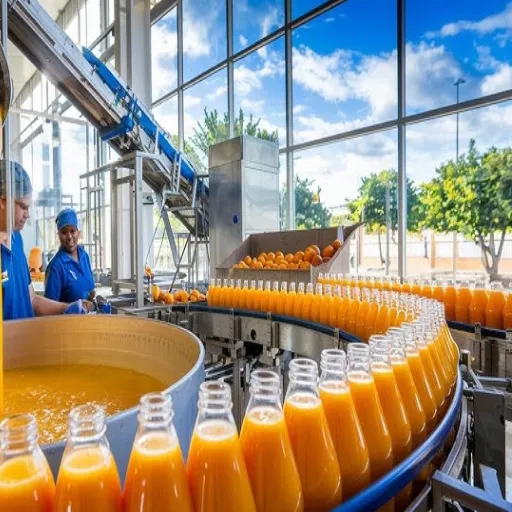
Juice Extraction Methods
The extraction technology has always incorporated both traditional and advanced technologies to make it more efficient with high quality. The few methods available in the marketplace are cold-press, centrifugal, and masticating, each bearing benefits of its own. Juice produced through various cold-pressing systems remains popular for nutrient preservation and maintenance of natural juice flavor, as seen in a stark increase in search data for cold-press juicing over the past months. Some argue centrifugal juicing, considered by many to be fast and efficient in extracting juice, might cause heat, thereby indirectly causing nutrition reduction. The masticating (slow) type has gained much popularity due to its ability to make juices from greens and softer fruits with minimal oxidation.
When examining search trends, what can be seen is an augmented consumer concern about issues of sustainability and health-conscious consumption, leading to interest in waste treatment and treating the produce so that it can retain its nutrition. Such trends give even more importance to improvements in extraction technologies that manufacturers strive to change their extraction procedures to suit newer market demands.
Comparison of Extraction Methods:
| Method | Speed | Nutrient Retention | Best For |
|---|---|---|---|
| Cold-Press | Slow | Excellent | Premium juice, maximum nutrients |
| Centrifugal | Fast | Good | Quick extraction, large volumes |
| Masticating | Moderate | Very Good | Greens, soft fruits, minimal oxidation |
Juice Processing Equipment
The juice-making industry has constantly evolved, as consumer interest in sustainable, healthful beverages gained prominence throughout years. Modern juice processing technologies encompass extraction by cold press, centrifugal juicing, and hydraulic pressing to guarantee the best extraction with the least oxidative action. From the search trends, which have shown sustainability and health as prime concerns of consumers, such technology easily rises to meet consumer tastes. For instance, cold-press juicers attract significant interest due to their ability to preserve key nutrients with the least energy input-a good fit for a green business as well as the consuming conscience.
Modern equipment thus allows manufacturers not merely to cover the issue of good quality juices, but also to deal with the bigger matters of minimizing waste and improving efficiency. Modern equipment is the medicine ensuring that the good equilibrium between technical innovation and consumer tastes exists in the future beverage market.
Factors Affecting Juice Yield
There are a number of factors that affect juice yield during processing, and knowing these enhances production optimization and quality maintenance. Some of the key ones are:
Key Factors Influencing Yield:
1. Fruit Quality and Variety
Fruit type and its freshness affect juice yield. Generally, ripe fruits with a high juice content, such as oranges or grapes, yield better than their underripe or overripe counterparts.
2. Processing Equipment
Efficiency in the extraction equipment is an important factor to consider in successful juice extraction, be it hydraulic presses or centrifugal machines. Advanced machinery extracts to the maximum possible extent with minimum waste.
3. Pre-Treatment Stages
Enzymatic pre-treatment or blanching will effectively soften fruit cell walls, resulting in more juice release during processing.
4. Moisture Content
Fruits that naturally have higher moisture content yield more juice and hence the selection becomes more significant.
5. Temperature and Storage Conditions
Properly managing the temperature of storage of fruits ensures retention of juice and impediment of spoilage.
According to the most recent data, optimization of these variables together with advanced technologies could contribute to a 10-20% increase in yields in certain cases. By embracing research and advancement in the industries, juice manufacturers can increase efficiencies and perhaps reduce waste to remain competitive in this fast-moving industry.
Filtration and Clarification

The Role of Filtration in Juice Processing
Filtration plays a central role during juice processing, as it guarantees the realisation of some sort of particle, sediment, or impurities in the final juice. According to the latest data, proper filtration processes improve the clarity, taste, and general quality of the juice, all important criteria consuming their effort and regulatory concerns. From morphological features such as clarity to activities which touch on microbial and contamination factors that influence the shelf life of juices, filtration is going for these attributes. The manufacturers now have new and advanced filtration technology; get their production organized with minimal wastage, so that consistency of quality is enhanced into a quality worthy of a consumer versus its competitor.
Clarification Techniques and Technologies
Being set for adequate clarity and human interface, juice clarification undergoes several advanced steps. Microfiltration, ultrafiltration, and reverse osmosis are utilized for filtration to remove suspended and colloidal matter from juice. These processes rely on a semi-permeable membrane that can keep the impurities back and allow the retainable taste and nutritional values of the juice to pass. Newer developments involve enzyme treatment processes whereby these enzymes serve to degrade pectin and other complex substances that may produce cloudiness and thus impart more transparency to the juice.
Using centrifugal force, an efficient separation proceduring solids from liquids is executed with the other major method. The method finds its application mostly in large production situations since it speeds up juxation while ensuring effectiveness at the same time. Sometimes fining agents like gelatin or bentonite aid a bit in precipitating unwanted components that can be washed away during the filtration process.
As consumer demand for attractive shelf-style products is soaring, these techniques together with data insights of modern analytical tools are ushering in an era of precision and optimization in juice clarification. By staying abreast of innovations, manufacturers are continually modernizing their methodologies to conform with industry standards while keeping sustainability and cost-effectiveness in perspective.
| Clarification Method | Technology Used | Primary Benefit |
|---|---|---|
| Microfiltration | Semi-permeable membranes | Remove suspended particles while preserving taste |
| Ultrafiltration | Advanced membrane filtration | Eliminate colloidal substances, retain nutrients |
| Reverse Osmosis | Pressure-driven membrane process | High-level impurity removal |
| Enzyme Treatment | Enzymatic breakdown | Reduce cloudiness, improve transparency |
| Centrifugation | Centrifugal force separation | Fast solid-liquid separation |
| Fining Agents | Gelatin, bentonite application | Precipitate unwanted components |
Clarity and Quality Assurance of Juice
Current trends in the industry state that consumers want transparency not only in the clarity of the juice but also in the processes behind its production. By adopting the newest juice-clarification technologies alongside data derived from analytical tools, manufacturers are becoming better acquainted with the wants and needs of a consumer for a product. Putting it into perspective, search data stresses terms like “natural juices,” “preservative-free,” and “sustainably produced,” hence a rising concern for the environment-based and health-conscious products of consumers. Businesses that respond by changing their own production philosophies and practices will therefore be putting the juices on their label as clear and as meeting proper quality standards that are meaningful to their target markets.
Consumer Priorities in Juice Quality:
- Natural Ingredients: Free from artificial additives
- Preservative-Free: Minimal chemical intervention
- Sustainable Production: Eco-friendly manufacturing processes
- Visual Clarity: Transparent, appealing appearance
- Process Transparency: Clear communication about production methods
Frequently Asked Questions (FAQ)
What are the different steps involved from start to finish in orange juice production?
From washing to pasteurization, orange juice production involves several processes. The oranges are washed with brush and spray cleaning machines to eliminate any dirt or unpleasant residue. They are then passed for sorting for quality through a rolling rail fruit sorting machine, ensuring only quality fruit gets through. During extraction, juice extractors separate juice from pulp really well and maximize juice yield. Post these extractions, the extracted juice is pasteurized, which involves heating the juice to a certain temperature to make it safe and extend shelf-life.
How is orange juice extracted from the fruit in the juice processing line?
In the orange juice processing line, the act of extraction takes place in specialized juice extractors that separate the liquid from the pulp and peel. Modern extraction equipment either presses or reams the fruits to yield maximum juice with minimum waste. Hexagonal presses or centrifugal extractors may be used for this purpose to ensure that the juice recovery is maximized. The juice so recovered is passed forward in the processing line for the next process of filtration and pasteurization.
What role does pasteurization play in orange juice processing?
In the processing line of orange juices, pasteurization is basically the assurance of juice safety. It involves heating the juice to a temperature that will kill any bacteria or pathogenic organisms existing within it. A proper pasteurization would keep the juice safe and present in terms of flavor and nutrients. It may also increase the shelf life, which is helpful for distribution and selling. To this day, some processors tend to use the cold pasteurization method of processing. So, yes, it is indeed one very prominent step involved in producing high-quality orange juice.
What kind of fruits are used in fruit juice processing?
There are many different fruits to choose from when making fruit juice; however, orange juice has always been considered one of the most sought-after juices in the market. Other usual fruit juices derive their fine qualities and taste from apples, grapes, and berries. The kind and quality of fruit used do affect the taste and quality of the finished product. High-grade fruits should be selected for a juice processing plant because it has a major role to play in the extraction of juice and pulp. Some processing methods may differ with the fruit, but basic steps remain almost the same in all juice production lines.
Which are the most important pieces of equipment to be found in the orange juice processing line?
The orange juice processing line requires the incorporation of certain specialized machinery to ensure efficient operation and yield the best product. Due to the importance of raw fruit handling, juice extracting, and pasteurization, all plant machinery must be manufactured to operate in parallel in-line flow and based on design parameters related to flow rate. The final stage involves packaging juices with filling and sealing machines. Stainless steel machines are used to ensure the highest standards for cleanliness and safety in processing.
Reference Sources
- How To Make Orange Juice (PDF)
This document discusses the importance of selecting high-quality oranges and the processes involved in both homemade and commercial juicing operations.
- 3 Fruit and Juice Processing (PDF)
This paper highlights the evolution and technological advancements in fruit and juice processing, including ultra-high temperature methods for preservation.
- Orange Juice Processing
A detailed discussion on the steps involved in orange juice processing, including single-strength juice production and quality control measures.
Key Takeaways
- ✓
Orange juice production involves six key stages from harvesting to distribution, each critical for quality and safety. - ✓
Advanced technologies like AI-powered sorting, optical sensors, and near-infrared spectroscopy ensure consistent fruit quality. - ✓
Multiple extraction methods (cold-press, centrifugal, masticating) offer different benefits for nutrient retention and efficiency. - ✓
Sustainability practices including byproduct recycling and water conservation are increasingly important to consumers.

GW
Articles: 39
Trending now