Get in touch with Victorystar

Tubular Sterilizer for Sale
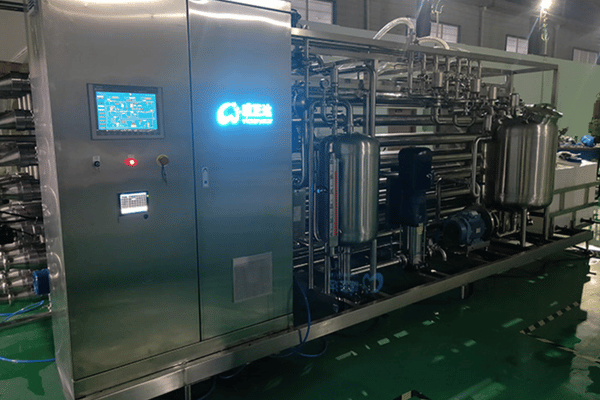
Industrial-grade tubular pasteurizers. They are designed to be high-performing and completely compliant with industry standards.
Solutions drawn up to suit your particular products, capabilities, and facility restrictions. Not a universal solution.
Service centers in key markets are the main reason for fast response times. A technical hotline that operates round the clock and a remote diagnostics capability are also available.
A typical period for return on investment is 18-24 months, achieved through energy savings, waste reduction, increased capacity, and no cold chain costs.
Complete assistance from market research and facility layout to installation, commissioning, training of operators, and maintenance that goes on forever.
Manufacturing certified to ISO 9001. Testing of all equipment prior to shipping. Strict quality control at all stages of production.
Training of operators on the spot, workshops for maintenance, guidance for process optimization, and thorough documentation in your language.
Solving Your Sterilizer Challenges
Discover solutions to common sterilizer challenges and implement efficient strategies with our guidance.
Traditional pasteurization methods cannot eliminate pathogenic bacteria, leading to product recalls, regulatory violations, and brand damage.
✓ Our Solution: UHT sterilization at 137-140°C for 3-5 seconds ensures complete commercial sterility of 99.9999% of the microorganisms, including spores and heat-resistant bacteria.
Refrigerated products have short shelf lives which lead to an increase in logistics costs, storage requirements and product waste.
✓ Our Solution: A shelf life of 6-12 months at room temperature, no cold chain requirement and a reduction of distribution cost of up to 40%.
Long heat treatment times obliterate vitamins, proteins and organoleptic qualities thus reducing the product’s attractiveness.
✓ Our Solution: The instantaneous high-temperature treatment maintains up to 95% of the nutritional content and at the same time preserves the real taste, aroma and texture.
The old sterilization equipment consumes a lot of energy which increases the operational cost and carbon footprint.
✓ Our Solution: The new heat recovery system allows up to 80% energy savings through the product-to-product heat exchange method.
Cleaning of equipment, fouling problems and maintenance interruptions happen often and thus hamper production efficiency.
✓ Our Solution: A mirror-polished tube-in-tube design reduces fouling to a minimum, and the integrated CIP and SIP systems make it possible to run continuously for more than 10 hours.
Compliance with the very strict FDA and international food safety regulations is a complex task that requires precise documentation and control.
✓ Our Solution: Completely automated PLC control with real-time monitoring, automatic data recording and compliance reporting that comes as a standard feature.
Tubular Sterilizer Machine Technical Specifications
| Specification | Value/Range |
|---|---|
| Processing Capacity | 1 - 30 tons/hour (customizable) |
| Sterilization Temperature | 90 - 150°C (typically 135-140°C) |
| Holding Time | 2 - 30 seconds (adjustable, typically 3-5s) |
| Temperature Precision | ±0.5°C |
| Heat Recovery Efficiency | Up to 80% |
| Continuous Operation Time | 10+ hours |
| Material Contact Surfaces | 304/316L Stainless Steel (mirror polished) |
| Heating Method | Indirect (steam to water to product) |
| Control System | Siemens/Mitsubishi PLC with HMI touch screen |
| Maximum Product Viscosity | Up to 10,000 cP (with appropriate design) |
| Particle Size Capability | ≤ 5×5×5 mm (solid content ≤ 30%) |
| Power Supply | 380V/50Hz (customizable) |
| Steam Pressure | 0.6 - 0.8 MPa |
| Cooling Water Temperature | ≤ 25°C |
| CIP Temperature | 80-95°C |
| SIP Temperature | 125-130°C for 30 minutes |
| Automation Level | Fully automatic / Semi-automatic options |
| Certifications | CE, ISO 9001, FDA compliant design |
Important Performance Indicators
Find out what the critical performance metrics for a Tubular UHT Sterilizer are. These metrics should be acknowledged as essential for the smooth operation, product quality, and reduction in processing time.
±0.5°C
Temperature Precision
99.9%
Microbial Reduction Rate
95%+
Nutrient Retention
98%
Equipment Uptime
Tubular UHT Sterilizer PDF
Applications for Tubular Sterilizer
Discover the versatile applications of tubular sterilizers —efficient, reliable sterilizers for food and beverage processing.
01
Dairy Industry
- Products: UHT milk, flavored milk, cream, yoghurt drinks, puddings, desserts, dairy-based beverages, infant formulas, protein drinks.
- Benefits: Offers a shelf life of about 6-12 months without refrigeration, maintaining protein structure.
02
Juice & Beverages
- Products: Fruit juices, vegetable juices, fruit purees, concentrates, nectars, smoothies with fruit pulp and fiber, multi-fruit blends.
- Benefits: Vitamin retention, authentic taste, and no need for preservatives.
03
Plant-Based Products
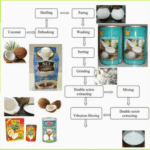
- Products: Soy milk, almond milk, oat milk, coconut milk, rice milk, pea protein drinks, hemp milk.
- Benefits: Protein stabilization, enzyme inactivation, and longer shelf life.
04
Coffee & Tea
- Products: Ready-to-drink coffee, tea beverages, coffee with milk, matcha drinks, and herbal infusions.
- Benefits: Flavor Preservation- The way-out Product-Ambient Storage.
05
Sauces & Condiments
- Products: Tomato sauce, pasta sauces, cream sauces, salad dressings, gravy, bechamel.
- Benefits: Handles high viscosity, maintains consistency, no separation.
06
Medical Nutrition
- Products: FSMPs, nutritional supplements, enteral nutrition, cancer patient formulas.
- Benefits: Strict sterility requirements are met, and preserving nutrients becomes critical.
Specific Use Cases
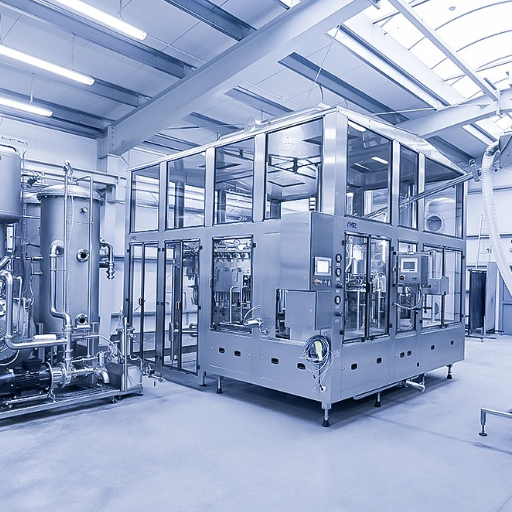
The Ultimate Used Beverage Equipment: Buying Guide for Beginners
Acquiring secondhand beverage equipment provides businesses with a cost-efficient solution to launch operations or increase their existing activities. The process…
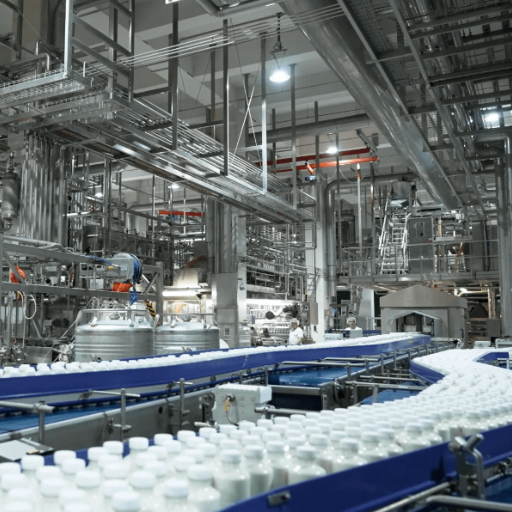
Predictive Maintenance in Beverage Manufacturing: A Game-Changer for Productivity
Predictive maintenance systems are changing how beverage producers manage their equipment performance and their production efficiency. This unique method uses…
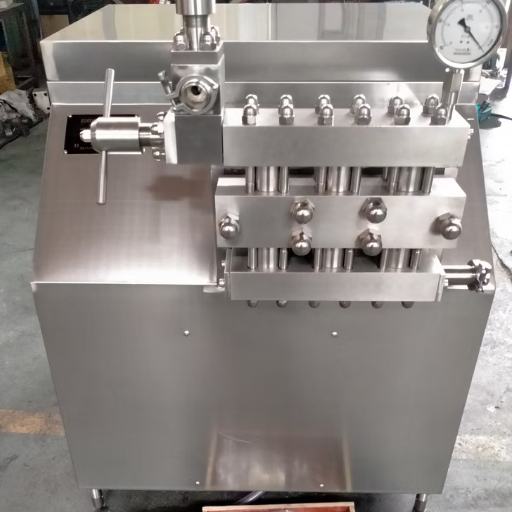
Homogenizer Selection for Beverage Production: Key Factors to Ensure Quality and Efficiency
The right homogenizer is a vital element in the success of the beverages produced by beverage manufacturers because if the…
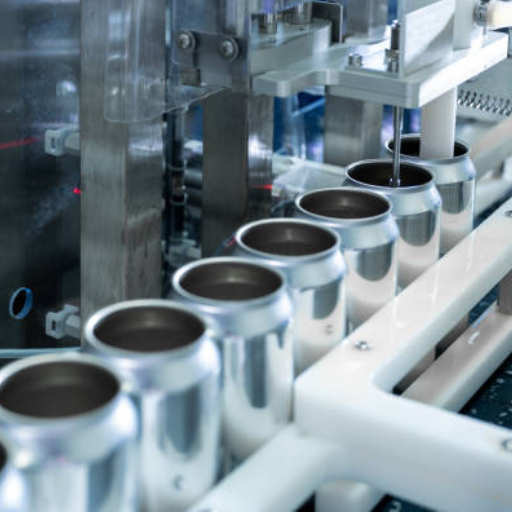
Beverage Can Filling Line Complete Guide: Ensuring Quality and Productivity
The Drinks Industry is a lot of action packed, effectively managed field. Efficiency and Quality are essential for every business…
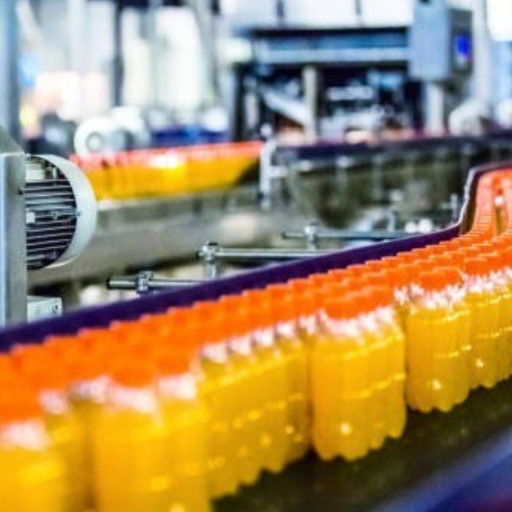
Energy Drink Production Line Setup: Ensuring Quality and Operational Excellence
The appropriate operational framework enables your business to achieve optimal productivity while creating products that fulfill customer needs for your…
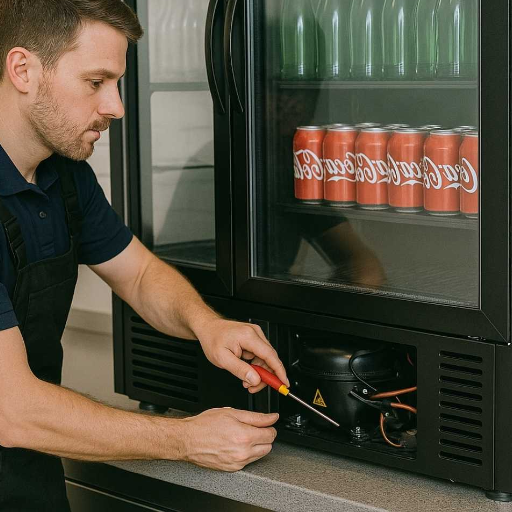
Preventive Maintenance for Beverage Equipment: Ensuring Longevity and Optimal Performance
The coffee shop which operates at full capacity and the bar and the restaurant need their equipment to be maintained…
Expert Guides to Tubular Sterilizer
Why Does Autoclaving Take 15-20 Minutes?
Depending upon the object to be sterilized and its size, autoclaving is done for 15-20 minutes to ensure the heat and moisture adequately penetrate all surfaces and interior areas of the items.
What Are the Fda Approved Methods of Sterilization?
Being FDA-approved sterilization methods are the following: moist heating (steam), dry heat, EtO (ethyl oxide) gas method, vapor hydrogen peroxide, radiation (gamma radiation and electron beam), and other methods such as ozone and chlorine dioxide dependent on material and application.
What Are the Three Types of Sterilizers?
The three main types of sterilizers are steam, dry heat, and ethylene oxide (EtO) sterilizers.
Which Bacteria Is Not Killed by Autoclave?
Prions, including the Creutzfeldt-Jakob disease type, and bacterial toxins such as Cereulide may even resist an attempt at destruction through autoclaving.
How to Use Sterilization Tubing?
In order to use sterilization tubing, place an instrument inside it, remove air by pressing it outward from the open end, and then seal it before sterilization.


What Our Customers Say
Hear it straight from the users! Discover what our clients love about the Tubular Sterilizer and enjoy honest feedback.
“The automation and reliability are the killers. It operates 24/7 with almost zero downtime. PLC gives us real-time monitoring and real confidence in process control and regulatory compliance.”

Dr. James Thompson
Operations VP, NutriTech Manufacturing
“Changing from batch to continuous UHT-treatment reduced the production time by 60%. The integrated CIP system saves us an hour per day. Great technical support and training from the team.”

Anita Patel
Plant Manager, Global Beverage Group
“Processing mango juice with high pulp content, there are no clogging issues. The tube-in-tube design is perfect for handling our product. Energy costs are down by 35%, and we have almost zero product waste.”

Carlos Mendez
CEO of Tropical Fruits International
Frequently Asked Questions (FAQs)
Pasteurization typically heats the product at 72-85°C for 15-30 seconds, killing most pathogens but requiring refrigeration and giving a short shelf life (days to weeks). UHT sterilization, on the other hand, heats the product to 135-150°C for 2-5 seconds, resulting in complete commercial sterility and a shelf life of 6-12 months at room temperature. Due to higher temperatures and faster heating & cooling times, UHT sterilization provides better nutritional and flavor retention.
Installation can take 2-3 weeks, depending on facility preparation and model complexity. Commissioning, including calibration, validation runs, and operator training, may take an additional 1-2 weeks. We provide detailed instructions about what your facility needs to prepare beforehand, so that downtime is kept to a minimum. Turnkey projects, including facility design, may take 3-6 months from contract to production.
Daily maintenance is minimal – just CIP cleaning cycles (automated). Weekly checks include inspecting seals and gaskets and verifying sensor calibration. Monthly preventive maintenance includes pump inspection and valve servicing. Annual maintenance consists of system inspection, seal replacement, and recalibration. Service contracts are available to undertake the preventive maintenance with visits.
Yes, absolutely! Our tubular design is perfect for particulate products. It can handle solid particles measuring up to 5×5×5mm with a solid content of up to 30%. This would be fabulous for pulp fruit, purees, vegetable-based sauces, and beverages with fruit bits. The tube-in-tube design works against clogging and gently treats the product. When higher particulate loadings are expected, the tube diameter can be customized accordingly.
Generally speaking, ROI is achieved by customers in 18-24 months, given the multiple avenues for cost savings: (1) 35-45% energy saving as compared to conventional systems, (2) zero cold-chain costs (which account for 40% of distribution costs), (3) 60% less product waste, (4) 45% increased production capacity, and (5) lower labor costs due to automation. The higher the volume, the quicker the ROI, ROI-potentially as fast as 12 to 15 months.
Yes, our equipment is fully compliant with FDA regulations concerning food contact surfaces (21 CFR Part 110) and is CE marked for the European market. All materials used are food-grade stainless steel 304/316L. The systems include HACCP-compliant features, including automatic documentation, temperature logging, and deviation alarms. We also provide comprehensive validation documentation and support throughout your regulatory submissions.
Standard Requirements: (1) Steam: 0.6-0.8 MPa pressure, capacity varies upon model size, (2) Power supply: 380V/50Hz (can be adapted to local power supply of other regions), (3) Cooling water: ≤25°C, 2-3 times product capacity flow rate, (4) Compressed air: 0.6 MPa for pneumatic valves, (5) CIP chemicals: conventional food caustic and acid. We will provide detailed utility specifications during the quotation phase.
Yes, the system is multiproduct. It must run through an automated CIP cycle between product switches (30-45 minutes). Such equipment may be used to process dairy products, juices, plant-based beverages, and sauces. The PLC system can store recipes for many products to facilitate swift changeovers. For optimal efficiency, schedule product runs with similar characteristics (e.g., viscosity, pH).
Trending now