Get in touch with Victorystar

Advanced Features & Technology Of Our Tomato Juice Processing Line
Explore our tomato juice processing line that utilizes advanced technology and yields maximal efficiency and hygiene, alongside high product quality, for your company.
Cloud-based dashboards are running 24/7 and provide direct access to production metrics from anywhere. Monitor temperature, vibrations, flow rates, and equipment statuses in the instant.
An AI-powered condition monitor tracks deviations that are critical enough to prevent equipment failures. It reduces emergency stoppages by 0.5-3% and costly interruptions in production.
Mechanical Vapor Recompression saves steam energy and reuses it with up to an efficiency of 98%, forfeiting nothing in product quality or color.
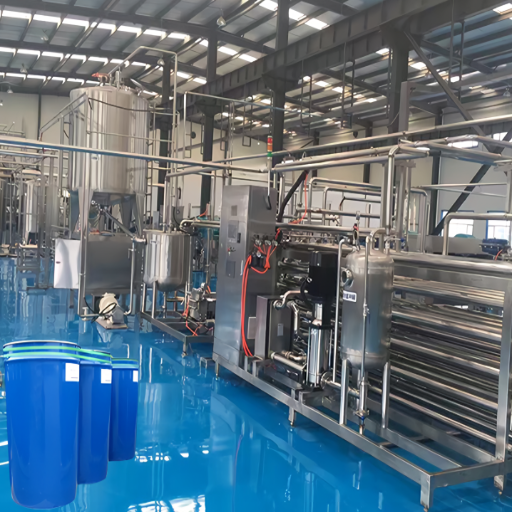
Automated parameter control optimizes extraction yield and monitors waste humidity to ensure the final product meets exact specifications for Hot Break or Cold Break processing.
Weekly expert reports give relevant suggestions for continuous improvements. Daily output targets set operational bottlenecks for optimization toward maximum efficiency.
Fully configurable from 3 up to 3,000 tons per 24 hours. Scale capacity with business growth or integrate individual machines into an existing line.
Your Challenges, Our Solutions
Your Pain: Peak season energy consumption drags costs through the roof, diminishing profit margin.
Our Solution: Being one of the most energy-efficient evaporators, advanced MVR (Mechanical Vapor Recompression) evaporators reduce steam consumption by nearly 98%, cutting natural gas costs by 90% and also lowering CO2 emissions significantly.
Your Pain: Poor juice extraction means wasting precious raw material and minimizing profitability.
Our Solution: High-tech turbo-extractors equipped with variable speed controls optimize the separation efficiency and provide a 0.5-2% increase in yield while reducing the moisture content of the rejected fraction to maximize the return on investment of the extractor.
Your Pain: Monitoring several processing steps, equipment stages, and performance indices will wear you out.
Our Solution: Web-enabled touch screen control systems enable remote monitoring and control from any device with e-mail notification of weekly performance reports and actionable insights from technical experts.
Your Pain: From short processing periods, extreme uptime is demanded; a breakdown at peak time and hurried repairs might cost thousands of dollars per hour.
Our Solution: With predictive maintenance systems driven by the IoT, the processes running on all equipment are monitored 24×7, and potential failures are flagged before they turn into a big issue. This ensures a 98% level of uptime from input to end-product and just 2% waste.
Your Pain: Difficulties in maintaining consistent juice quality across batches in terms of viscosity and Brix result in customer complaints.
Our Solution: Real-time monitor precision Brix balancing guarantees uniformity of quality. Hot Break and Cold Break preserves natural flavor to an extent.
Your Pain: Greater pressure by regulators and sustainability concerns for curbing emissions and wastes.
Our Solution:The inflammation of quality comprises minimal thermal stress on the product and the emission of greenhouse gases is kept low by electrically powered evaporation technology.
Detailed Technical Specifications
| Category | Details |
|---|---|
| production line | Tomato juice processing line |
| material | fresh tomatoes |
| Final Product | Concentrated tomato paste, tomato juice, tomato paste, tomato drink |
| production capacity | Raw fruit processing capacity: 1T/H-30T/H |
| Packaging | Semi-finished products (original sauces, original juices) are packaged in aseptic large bags. |
| Finished product packaging includes bag-in-box, PET bottles, glass bottles, metal cans, gable-top boxes, and stand-up pouches. |
ROI & Business Benefits
Typical payback period: 18-24 months
Average operational savings considered from energy cut, higher yield, lower waste, and reduced maintenance costs. Many end-users report a return on their investment within the first two production seasons.
98%
Energy Cost Reduction
40%
Labor Cost Savings
90%
Lower CO2 Emissions
60%
Faster Cleaning Time
<2%
Production Waste
24/7
Continuous Operation
Tomato Juice Processing Flow Chart

Industry Certifications & Standards
ISO 9001:2000
Quality Management
HACCP
Food Safety System
CE Mark
European Compliance
FDA
US Standards
EHEDG
Hygienic Engineering
FSSAI
Indian Standards
Product Applications
Our tomato juice processing line produces premium products of varied markets:
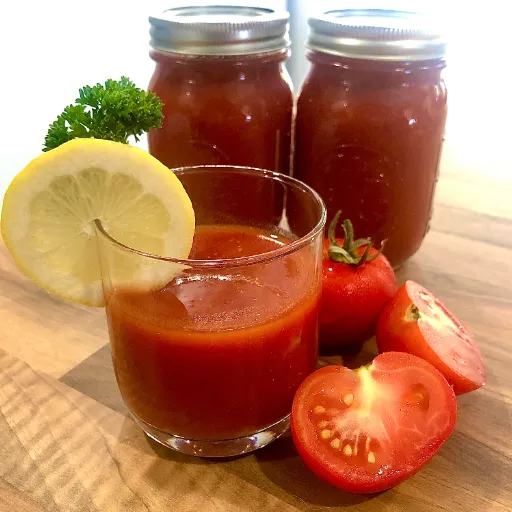
The Ultimate Guide to Tomato Juice Processing Line
Tomato juice has been one of the very main things in the kitchen as well as the drinks of many…
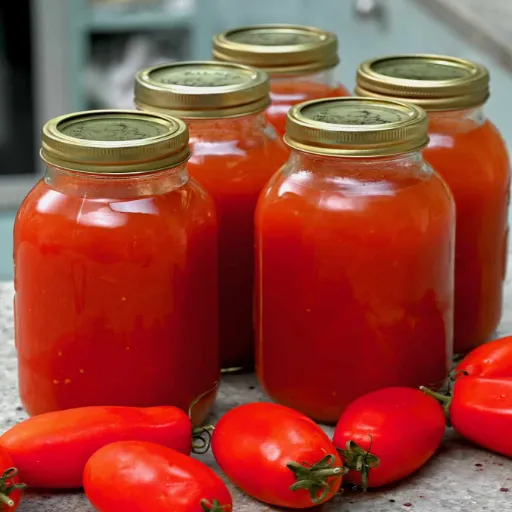
Tomato Juice Processing Steps: From Fresh Tomatoes to Canning Tomato Juice
Discover the art and science behind transforming farm-fresh tomatoes into delicious, shelf-stable juice Tomato juice, a mighty drink and healthy…
Expert Guides to Tomato Juice Processing
Tomato Juice Processing Time
The canning process for tomato juice may have different processing times. Usually, it is processed for about 20 to 40 minutes. The variation essentially depends upon the jar sizes used (pints or quarts), canning method employed (water bath or pressure), and adjustments for altitude, because the higher the elevation, the longer it must be processed in order to be safe.
Tomato Juice Processing Equipment
For high-quality tomato juice production, specialized processing equipment is required. This usually consists of mechanisms for cleaning, sorting, and crushing fresh tomatoes and beating, concentrating, and sterilizing juice. Also, major machines include evaporators for concentration and aseptic filling systems for the assurance of product quality and shelf life. Moreover, advanced control systems aid in integrating and simplifying the complete production process.
How long do you process tomato juice?
To process and can tomato juice usually takes somewhere between 20 and 40 minutes. This time shall also depend on the size of your jars, your method of canning (meaning either water bath canning or pressure canning), and any altitude adjustments you may have to make.
How many pounds of tomatoes make 1 quart of juice?
If fresh tomato juice is homemade, it takes about 3 to 3.5 pounds of fresh tomatoes for one quart. Keeping this in mind will help you to make a healthy batch of delicious tomato juice, whether canning, juicing, or cooking.
Does tomato juice need to be pressure canned?
Don’t worry, you don’t have to pressure can tomato juice! You may go ahead and water bath can tomato juice but make certain to acidify it first. Add lemon juice or citric acid just for safe processing. Pressure canning is always an option, but as long as you acidify the tomato juice correctly, water bath canning is perfectly acceptable.
What’s the healthiest tomato juice to drink?
A tomato juice, beneficial for your health, should have fewer added salts and sugars. Instead, it must be laden with essential nutrients such as vitamin C, potassium, and antioxidants like lycopene. A nutritional deficiency prevents tomato juice from keeping heart health, giving an immune boost, and acting as a strong antioxidant, which is necessary for complete well-being.
Is Tomato Juice Good for You?
Certainly! This marvelous drink is a power pack of several benefits. Tomato juice is loaded with essential vitamins such as A, C, and the B vitamins, alongside essential minerals like potassium. Moreover, it serves as a good source of strong antioxidants, with lycopene being about the best, and it greatly enhances heart health and strengthened immunity. The process of consuming tomato juice on a daily basis could also aid in diminishing the existence of chronic diseases. Thus, whenever you think of a healthy drink, think of tomato juice!
How Long Does Tomato Juice Last?
From 12 to 18 months is the typical shelf life of a canned tomato juice when unopened and kept in a cool, dry place. After opening, refrigeration should be done, and the juice should preferably be consumed within 2 to 3 days to retain its optimum quality and safety. Having information on how long tomato juice can be stored is helpful in reducing waste and enjoying fresh taste.


Trusted by Industry Leaders
See how our clients achieve operational excellence:
“Not only did the processing line increase our efficiency by 45% while drastically cutting down labor costs, but the NSF certification also gave us the confidence of food safety compliance.”

Sarah Johnson
Operations Director
“ROI was realized in merely 16 months. These engineered systems and hygienic designs have altered the way we produce, thus affecting our market competitiveness.”

Michael Chen
CEO
“Very excellent technical support and dependable equipment. In two years of operations, equipment has had zero unplanned downtime. Highly recommended to all serious processors.”

Roberto Martinez
Plant Manager
Frequently Asked Questions (FAQs)
A: This tomato juice processing line is the complete setup for producing juice from fresh tomatoes. To be specific, it mainly consists of five separate sections: pre-washing and sorting, processing, sterilization, filling, and packing. The production line is designed for maximum efficiency and meets industrial demand.
A: The tomato juice processing equipment consists of machines such as sorting systems, paste processing machines, and aseptic filling units. Thus, for processing the tomatoes into juice, the system ensures that the product is of the highest quality and will last for longer.
A: Yes, customization is possible for tomato juice production lines. Depending on the size of production and specific requirements, you are free to choose between machinery, levels of automation, or processing technologies for integration into a turnkey project appropriate for you.
A: Both lines deal with tomato-based products. The sauce production line makes tomato sauce or ketchup whereas the tomato juice processing line produces juice. Each line and its particular equipment are optimized for the specific end product.
A: Many of the tomato juice processing lines today are designed with the aim of saving energy. For instance, through energy-efficient machinery and production technologies that keep energy consumption at a minimum and production and processing at a high level of efficiency.
A: Research and Development (R&D) are important, first of all, in improving tomato juices processing technology. Further innovations may bring about changes in processing techniques. Thus, there may be improvements in the quality of product, the formulation or flavor of products, or even the development of a new mix-all of which are beneficial to both manufacturers and consumers.
A: UHT Treatment would eliminate bacteria from the tomato juice, making it safe to drink. Moreover, the sterilization process will also ensure that changes affecting the storage life of juices without any help from preservatives or additives, so UHT sterilization is also highly valued in the food and beverage industry.
A: Generally speaking, the filling process on the tomato juice processing line is carried out by an aseptic filling machine. This machine fills bottles or containers with sterilized juice so as to eliminate any possible contamination and hence keep the product safe and of high quality.
A: High-quality tomato-processing equipment enhances both durability and efficiency. Such equipment is designed to withstand harsh operating conditions, thus reducing maintenance costs and contributing to greater overall efficiency of the processing line.
Trending now