Get in touch with Victorystar

Beer Production Line for sale
Automation in brewing brings along a series of benefits like exact measurement of ingredients, monitoring of temperature and control of quality. This not only saves time but also gives room for imagination and new ideas to come up.
Through the use of IoT sensors, the automated systems have improved the efficiency, quality, and the creative process in the cleaning of the equipment as well as the real-time monitoring.
The artificial intelligence enhances the recipes, accelerates the fermentation process, anticipates the repair, and creates the tastes based on the consumer’s tastes.
The production lines can be easily modified and expanded to cater to different breweries and beer styles with the help of stackable and plug-in components.
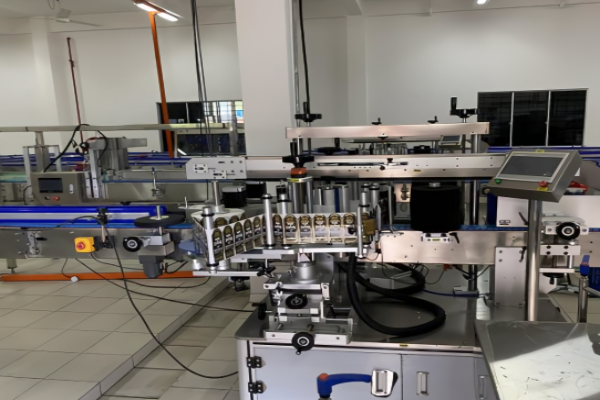
The production units that are environmentally conscious make use of energy-efficient methods, water recycling, and biodegradable packing materials which lead to less pollution and meet the desired standard of quality.
It is possible to pack both cans and bottles with features like airtight sealing, prolonged shelf life, and high-speed mass production capabilities.
Integration of workflows has increased the speed of operations, minimized the number of mistakes, and taken over the whole process beginning with the intake of raw materials to the final packaging.
Are These Pain Points Holding Your Brewery Back?
We recognize the intricate difficulties Brewery manufacturers encounter in the current competitive environment.
Manual temperature control and timing variations lead to batch inconsistencies, which can be harmful to your brand reputation and customer loyalty.
✓ Our Solution: PLC-controlled systems with ±0.2°C temperature accuracy guarantee that every batch is produced according to your specifications.
Energy-inefficient machines, high water consumption, and a great deal of manpower make it difficult to run a profitable business. Old systems consume 30-40% more resources than their modern counterparts.
✓ Our Solution: Heat recovery systems and automation are mechanisms that cut down operating costs by 35-40%.
The old machinery makes the whole production line slow and inefficient, causing you to miss out on the market and eventually put a stop to the business growth altogether.
✓ Our Solution: The modular setup facilitates gradual capacity increase parallel to business growth.
Old machines keep breaking down, thus the maintenance team is always busy; the long downtimes during peak period result in loss of sales.
✓ Our Solution: Top quality SUS316L construction that guarantees 99.5% uptime reliability and 2-year warranty.
In the absence of real-time monitoring and automation, it is impossible to see the most important brewing parameters.
✓ Our Solution: Installation of a monitoring system that logs data in real-time and automates controls, along with remote access.
Very tough to comply with stringent food safety, environmental, and quality standards if one is using the old systems.
✓ Our Solution: The necessary FDA and EU certifications with all the paperwork and clean-in-place systems.
Beer Processing Line Technical Specifications
| Parameter | Small Craft | Regional Brewery | Industrial Scale |
|---|---|---|---|
| Brewhouse Capacity | 5-10 HL per batch | 15-30 HL per batch | 30HL and above per batch |
| Annual Production | 1,000-3,000 bbl/year | 5,000-20,000 bbl/year | 50,000-500,000+ bbl/year |
| Batches per Day | 1-2 batches | 2-4 batches | 4-8+ batches |
| Packaging Speed | 1,000-5,000 cans/hour | 5,000-20,000 cans/hour | 20,000-100,000 cans/hour |
| Floor Space Required | 2,000-5,000 sq ft | 5,000-15,000 sq ft | 15,000-100,000+ sq ft |
| Water Consumption | 3-5 L water per 1L beer | 2.5-4 L water per 1L beer | 2-3 L water per 1L beer |
Performance Metrics That Matter
The brewing industry is extremely competitive and thus, it is efficiency, quality, and sustainability that are of utmost importance. The advanced technology beer production lines used at our company are not only equipped with the latest Industry 4.0 technologies such as AI-powered process optimization, IoT monitoring, and automated quality control systems but also with decades of engineering excellence. Regardless of whether you are a craft brewery wanting to scale up or an industrial producer looking to upgrade, our all-inclusive turnkey solutions always render outstanding results.
99.9%
Daily Capacity Range
99.5%
Product Consistency
45+
Energy Savings
24/7
Global Technical Support
Beer Production Line Flow Chart
Check out the marked visible flow diagram, explaining every stage of the beer manufacturing process, covering all raw components till fermentation processes and bottling.

Applications for Beer Production Line
Our flexible production systems are capable of supporting the whole range of beer styles and carbonated drinks, from classical brewing methods to the most creative craft innovations.
01
Lagers & Pilsners
- Bottom-fermented beers including Pilsner, Helles, Bock, and American Lager. Precise temperature control (8-12°C) ensures crisp, clean flavor profiles.
02
???? Ales & IPAs
- Fermented ales on top including Pale Ale, IPA, Double IPA, Brown Ale, and Porter. Wide fermentation profiles provide room for various hops and yeast strains.
03
Stouts & Dark Beers
- Imperial Stout, Oatmeal Stout, Milk Stout, and sturdy porters. Special tools are in place for brewing of high-gravity and for complex grain bills.
04
Wheat Beers
- HHefeweizen, Witbier, American Wheat, Dunkelweizen. Equipment designed for high-protein grains and specialized yeast handling.
05
Specialty & Sour Beers
- Berliner Weisse, Gose, Lambic, and barrel-aged beers. Equipment designed for isolating wild yeast fermentation and blocking the entry of other strains of yeasts.
06
Flavored & Fruit Beers
- Infused fruits, flavored beers with spices, and other innovations in flavoring. Adjustable dispensing systems for natural extracts, fruit purees, and adjuncts.
Specific Use Cases
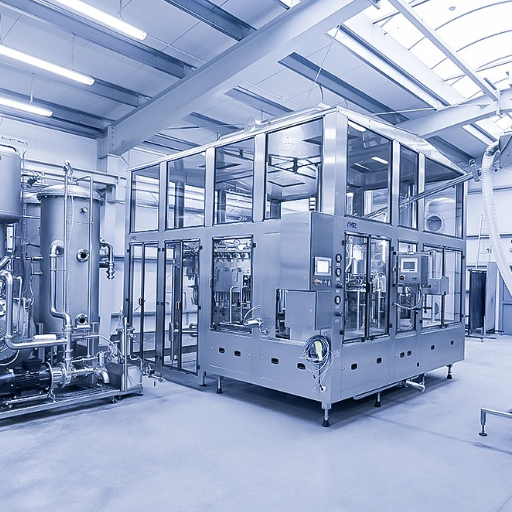
The Ultimate Used Beverage Equipment: Buying Guide for Beginners
Acquiring secondhand beverage equipment provides businesses with a cost-efficient solution to launch operations or increase their existing activities. The process…
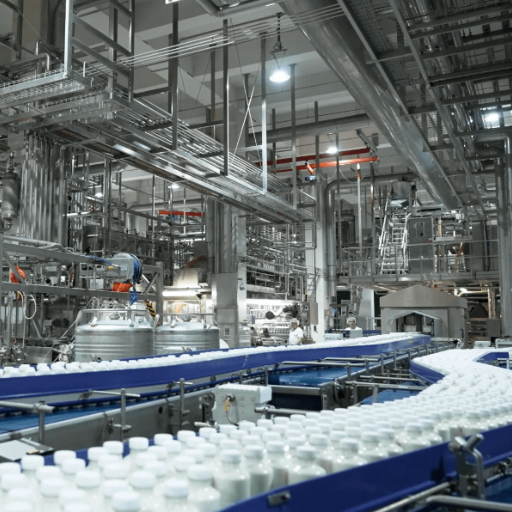
Predictive Maintenance in Beverage Manufacturing: A Game-Changer for Productivity
Predictive maintenance systems are changing how beverage producers manage their equipment performance and their production efficiency. This unique method uses…
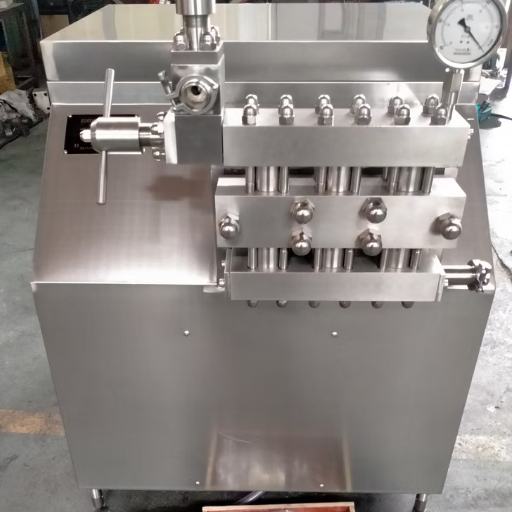
Homogenizer Selection for Beverage Production: Key Factors to Ensure Quality and Efficiency
The right homogenizer is a vital element in the success of the beverages produced by beverage manufacturers because if the…
Beverage Can Filling Line Complete Guide: Ensuring Quality and Productivity
The Drinks Industry is a lot of action packed, effectively managed field. Efficiency and Quality are essential for every business…
Energy Drink Production Line Setup: Ensuring Quality and Operational Excellence
The appropriate operational framework enables your business to achieve optimal productivity while creating products that fulfill customer needs for your…
Preventive Maintenance for Beverage Equipment: Ensuring Longevity and Optimal Performance
The coffee shop which operates at full capacity and the bar and the restaurant need their equipment to be maintained…
Expert Guides to the Processing of Processing Beer
What Is The Process Of Beer Production?
The manufacturing process of beer involves malting, milling, mashing, lautering, boiling, fermenting, conditioning, filtration, and packaging.
What Two Beers Mix Well Together?
A Black and Tan is a mixed drink containing two beers meant to be combined: Guinness and a pale ale or lager.
What Are The 7 Steps Of Brewing Beer?
Brewing beer happens in 7 steps – malting, brewing, fermenting, filtering, conditioning, and packaging.
What’s The Healthiest Beer To Drink?
The healthiest beer to drink often include Budweiser Select 55, Dogfish Head Slightly Mighty Lo-Cal IPA, or Guinness, which are lower in calories and alcohol content among the options.
What Are The 3 C’s Of Beer?
The trinity of beer in food pairing comprises Cut, Complement and Contrast. They serve as guidelines to harmonious and enjoyable pairings.
What Is 90% Of Beer?
90% of beer is water, which serves as its primary ingredient
Which Beer Has The Highest Alcohol Percentage?
By 2025, the Samuel Adams Utopias has been crowned beer with the highest ABV, staggering as a rare 30%.


What Our Customers Say
Learn how processing lines for the Beer Production Line globally changed businesses for the better, achieving far more than anticipated.
The production line installation increased our brewing capacity by 300% and energy costs dropped by 42%. The AI-based process control removed the batch variations entirely and our customers have experienced the difference in consistency. The ROI within the 18 months was already higher than our expectations.

Michael Chen
Head Brewer, Pacific Coast Brewing Company
The modular design allowed us to start with a 20HL system and gradually expand to 50HL during two years without losing any functionality. The predictive maintenance system has saved us from three major breakdowns that would have caused us weeks of downtime. Technical support is excellent – they are available around the clock and resolved a minor issue remotely in 30 minutes.

Sarah Williams
Operations Director, Mountain View Craft Brewery
We were facing the issue of inconsistent carbonation levels and wasting the product. The new filling line with a flowmeter has brought down our rejection rate from 3.2% to 0.08%. The automated quality control system prevents problems by detecting them first. We have already cut our costs by more than $180,000 annually just because of the reduced waste.

James Rodriguez
Quality Manager, Artisan Ales Ltd
We, as a new brewery, needed reliable equipment that could also support our experimentation with different recipes. The recipe management system has a storage of all our formulations and the one-touch changeover between beer types allows us to serve 12 different beers at once. The HMI is designed so user-friendly that it takes less than a day to train new employees.

David Kim
Founder & Brewmaster, Urban Hops Brewing
Frequently Asked Questions (FAQs)
The term beer production line refers to a set of processes and machines that are connected with each other and are responsible for the whole cycle of beer production from brewing to distribution in a streamlined manner. Brewed drinks usually consist of brewing equipment, fermentation vessels, and packaging systems for bottling or canning the beer, which altogether maintain the efficiency of the beer production process.
The production of beer is a complex process that involves several operations: soaking the malt in water to produce the sweet liquid called wort, boiling it with hops, fermenting it with yeast, and finally conditioning and putting the beverage in containers. An essential part of the entire process is brewers’ use of first-rate brewing tools since each step is critical for the beer’s flavor and quality.
The most important equipment for a brewery includes a place for mashing and boiling (a brewhouse), fermentation tanks for the activity of the yeast, a cooling system for the control of temperature, and packaging machines such as beer filling machines and labeling machines. All these instruments together guarantee a seamless and efficient production pipeline.
Fermentation is a necessary step where yeast is changing sugars of the wort into alcohol and CO2. This process has a great influence on the final character of the beer in terms of taste, smell, and quality, and indeed, the right fermentation equipment and controlling systems are required to keep the yeast in the best possible conditions for its growth.
Automation in the production of beer is a gainful step that offers not only the main control over the processes, including temperature regulation, and filling but also the involuntary cleansing of the equipment. Moreover, the automated systems are slower to increase the production capacity but they do shorten the labor costs, hence, the breweries may put the emphasis on the quality and innovation of their craft beer=production.
Canning and bottling are two different techniques for packing beer. Beer in cans is usually lighter, easier to carry and less susceptible to spoilage from light exposure. In contrast, bottled beer has a modern-day appeal and may help in the perception of quality. However, both methods need to have machine for filling and capping which are assigned to beer only.
Cleaning In Place (CIP) cleaning systems are very useful for keeping the breweries clean and germ-free. They are automated systems and leave no part to be cleansed and sanitized as they are the same used for disassembling, cleaning, and reassembling. CIP systems circulate hot water, cleaning agents, and sanitizers to clean and disinfect all the surfaces, thus the system assures that no contaminants are on any surfaces, which is necessary for maintaining the quality of beer.
Trending now