Get in touch with Victorystar

The Ultimate Guide to Tomato Juice Processing Line

Contents
show
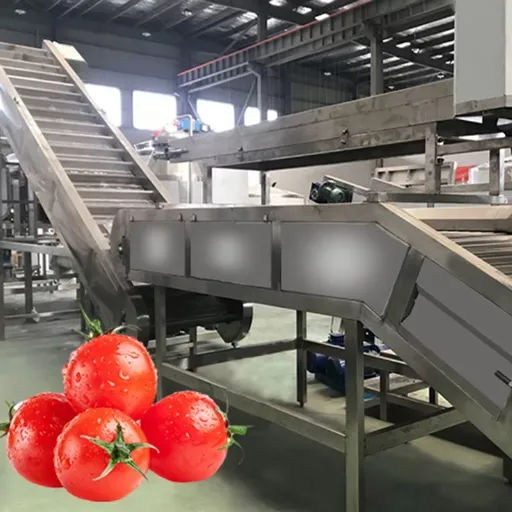
Tomato juice has been one of the very main things in the kitchen as well as the drinks of many people around the globe due to its nice flavor, health advantages, and its use in many types of dishes. Compression of the juice from the ripe tomatoes to the bottle in shops is a fact most people do not know. We will take you through the entire tomato juice processing line and will explain the intricate steps and modern technology that make it possible for fresh tomatoes to turn into your favorite premium-quality juice. It doesn’t matter in which group you are: a pro in the food industry, an entrepreneur in search of processing solutions, or simply an inquisitive foodie. This text offers an all-encompassing view of the tomato juice production method, accentuating the major phases, devices, and practices that work. Hence, prepare yourself for the wonderful world of tomato juice processing!
Introduction to Tomato Juice Processing
Overview of Tomato Juice
Tomato juice is a beverage that is largely consumed across the globe because of its great taste, nutritional value, and the wide range of uses it has. Tomato juice is rich in nutrients such as vitamin C, potassium, and vitamin A, which is why many people have it as their daily drink to boost their health.
📊 Growing Consumer Interest
Recent data from search engines has revealed that the number of times “health benefits of tomato juice” and “tomato juice recipes” have been searched for has been consistently on the rise, which is a sign of the growing global awareness and interest towards this product.
Popular Uses: The tomato juice that is consumed as a solo drink, a soup base, or a cocktail like the classic Bloody Mary still has wide appeal to audiences worldwide.
Importance of Processing Technology
The processing technology is the heart of a quality, safe, and nutritious tomato juice product, adapting to the increasing demand shown by search trends.
⚙️ Key Processing Technologies:
- Cold Pressing: Preserves natural flavor and nutritional content
- Pasteurization: Ensures food safety and extends shelf life
- Vacuum Concentration: Maintains health benefits while reducing volume
- Modern Innovations: Enable manufacturers to produce consistent high-quality products meeting consumer expectations
These techniques help keep the natural flavor and health benefits of tomatoes intact while lengthening the shelf life of juice products, making it easier for consumers who prioritize convenience without giving up on nutrition.
Market Trends and Consumer Demand
From the most recent data acquired from search engines, there is a clear rise in searches for “healthy beverages,” “nutritional benefits of tomato juice,” and “immune-boosting drinks.” This signifies that more and more people are opting for health-conscious products.
📈 Consumer Priorities & Industry Response:
| Consumer Expectation | Industry Strategy |
|---|---|
| Health benefits (vitamins, antioxidants) | Emphasize nutritional content on labels |
| Natural, minimally processed ingredients | Use cold pressing and minimal additives |
| Transparent sourcing | Provide clear information about origin and production |
| Sustainable production practices | Implement eco-friendly methods and packaging |
The increase in awareness about the significance of nutrition and wellness is one of the factors behind this consumer shift. Therefore, producers are coming up with branding that is transparent, sustainable, and makes health claims to assure that their products are the same as the expectations of the changing market. This compatibility with consumers’ priorities makes tomato juice and similar drinks strong candidates in the growth of the health and wellness industry.
Fresh Tomato Selection and Preparation
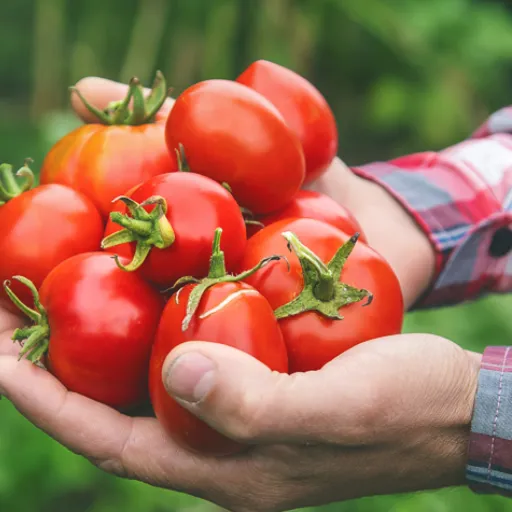
Selection of Tomato Varieties
The proper tomato varieties choice is a decisive factor in the production of top-quality tomato juice. Based on recent trends and search engine insights, the market is increasingly turning to heirloom and Roma tomatoes, not so much for their natural sweetness but for superb flavor profiles.
| Tomato Variety | Key Characteristics | Juice Quality Benefits |
|---|---|---|
| Heirloom Tomatoes | Great taste, vivid colors, balanced acidity | Perfect for blended juice with superior quality and flavor complexity |
| Roma Tomatoes | Thick structure, low water content | Creates more concentrated and thick juice |
💡 Pro Tip: Mixing these varieties or picking one based on the taste you like the most can guarantee a drink that is full of nutrients and excellent in taste.
Fresh Tomatoes Pre-Processing
Fresh tomatoes pre-processing is a must if the very best juice with the right flavor and texture is to be made. Start with the ripest and the most perfect ones because they not only taste better but also have more nutrients.
🔪 Pre-Processing Steps:
- Thorough Cleaning: Clean tomatoes thoroughly with running water until no earth, pesticides, or other residues are left
- Blanching (Optional for Thinner Juice): Dip tomatoes into boiling water for about 30 seconds to 1 minute, followed by putting them in cold water to facilitate easy peeling of the skins
- Seed Removal: May add to the juice’s consistency, especially for those who like drinking smoother beverages without any hint of bitterness
- Cutting into Small Pieces: Helps better blending or juicing, thus minimizing the loss of natural nutrients during extraction
Such simple yet effective pre-processing techniques are the ultimate steps to getting fresh juice of the highest quality from tomatoes.
Raw Material Quality Control
The quality of raw materials is the determining factor in yielding tomato juice of superior class. The first step in this is to choose ripe tomatoes with no blemishes which provide the best flavor and nutrient content.
✓ Quality Control Criteria:
Rejection Criteria:
- Tomatoes affected by mold
- Visible bruises or damage
- Overripeness that impairs taste
Consumer-Driven Priorities:
- Growing concern about pesticide presence in food products
- Sourcing of organic or pesticide-free tomatoes as main priority
Quality Assurance Methods:
- Regular visual inspections
- Laboratory testing to sustain quality standards
The measures taken by producers not only allow them to keep the quality of the product but also to stay in line with current health-conscious consumer trends.
Tomato Juice Processing Steps
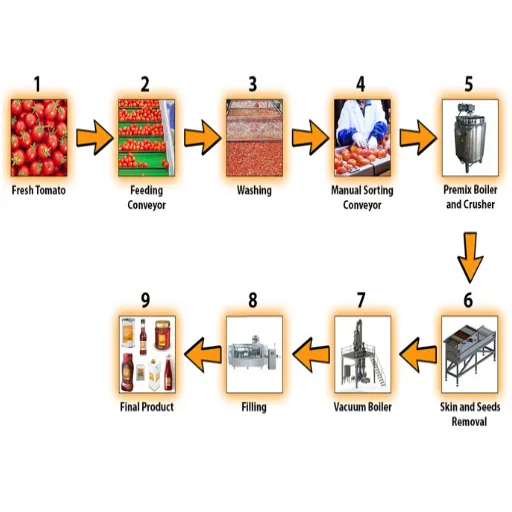
Washing and Sorting Tomatoes
Thoroughly washing and sorting the tomatoes is the first step in tomato juice making process which guarantees both cleanliness and quality. Washing tomatoes is a way of getting rid of dirt, debris, and pathogens that could potentially contaminate the tomatoes.
🚿 Washing & Sorting Methods:
Washing Technologies:
- High-pressure water systems
- Food-safe washing machines
- Advanced eco-friendly washing technologies (reducing water waste)
Sorting Options:
| Method | Advantages | Considerations |
|---|---|---|
| Automated Sorting | Time-saving, sensor recognition | Cannot guarantee only best tomatoes selected |
| Manual Sorting | More reliable, higher quality assurance | Extra costs involved, justified by quality |
🌍 Sustainability Focus: Latest data from search engines indicates that consumers are placing more and more importance on advanced, eco-friendly washing technologies and reduction of water waste in food processing. This reveals that sustainability is crucial for both product quality and production methods along with environmental goals.
Crushing and Grinding Process
The crushing and grinding process plays a significant role in breaking down raw materials into smaller portions to control the flow of handling and improve the consistency of the end product. Data from latest research supports the claim that consumers are increasingly willing to pay for a blend of efficiency and environmental responsibility.
♻️ Sustainable Crushing & Grinding Strategies:
- Production Plant Layout Modification: Optimize workflow for efficiency
- Energy-Efficient Equipment: Select machinery that reduces power consumption
- Renewable Energy Integration: Incorporate solar, wind, or other renewable sources
- Advanced Optimization Technologies: Use AI and automation for process improvements
- Results: Reduction in energy requirements and waste while aligning with consumer preference for greener operations without compromising product quality
Juicing Methods: Cold Press vs. Hot Break
A constant debate of cold press or hot break is still happening in juicing methods with their different unique benefits.
Recent search trends show that consumers are increasingly looking for cold press juices because of their nutrition and health benefits. Yet hot break is still an important method in industrial applications where stability and efficiency are the main factors. It all boils down to the purpose of the application—whether it is for personal use and health benefits are prioritized or for commercial production where durability and scalability are more relevant issues.
Creating Tomato Paste and Puree
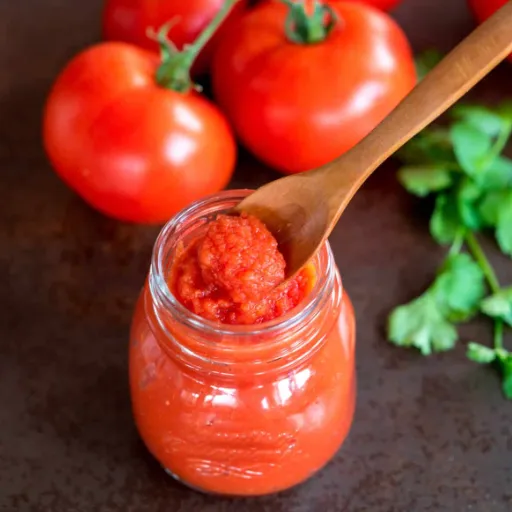
Tomato Paste vs. Puree: The Differences
Tomato paste and tomato puree are not only different in texture, but also in concentration and culinary use.
| Characteristic | Tomato Paste | Tomato Puree |
|---|---|---|
| Texture | Thick, concentrated | Smooth, less concentrated |
| Water Content | Very low (few percent) | Moderate |
| Flavor Intensity | Intense, concentrated | Mild tomato flavor |
| Best Uses | Stews, sauces, casseroles requiring strong tomato taste | Soups, broths, lighter dishes |
🔄 Recipe Substitution Tips:
Recent search trends indicate that users are very much looking for the best ways to substitute these products in recipes:
- Paste to Puree: If a recipe calls for tomato puree and only tomato paste is available, dilute the paste with water to resemble the consistency of a puree
- Puree to Paste: If puree is called for but paste is used, more seasoning or ingredients may be needed to counter the strong flavor
The two products are versatile kitchen-wise and can enhance many dishes depending on the desired flavor outcome.
Tomato Paste Production Techniques
Tomato paste is produced by reducing water content and intensifying the flavor through concentrating the tomatoes. The industrial process involves several carefully controlled steps to ensure quality and consistency.
🏭 Industrial Production Process:
- Selection & Preparation: Choose ripe tomatoes, then wash and sort them carefully
- Steaming: Steam tomatoes to facilitate peeling
- Skin Removal: Remove skins after steaming process
- Grinding: Grind tomatoes into a pulp
- Cooking & Reduction: Gradually cook to remove water, creating a thick, rich concentrate
- Filtering: Filter mixture to eliminate seeds and any other solids for smoothness
- Sterilization & Packaging: Sterilize paste and prepare for storage
🏠 Homemade Method (Popular Search Query):
Based on most recent search data, many people are curious about how to make homemade tomato paste. While industrial processes use sophisticated machines, a simpler method at home can be used:
- Chop tomatoes and cook slowly on low heat
- Stir continuously to avoid burning
- Continue cooking until most of the liquid has evaporated
- Blend the mixture for smoothness
- Strain again for an even smoother paste
This method, though labor-intensive, gives individuals the chance to savor a fresh, homemade version of tomato paste.
Usage of Tomato Pulp in Processing
Tomato pulp is a by-product in food processing that can be used in different ways creatively. The newest data from search engines shows that one of the most asked questions is, “What can leftover tomato pulp be used for?”
♻️ Creative Uses for Tomato Pulp:
Culinary Applications:
- Base for soups, sauces, or stews
- Provides flavor and nutrition to various dishes
- Can be dehydrated into homemade tomato powder for natural seasoning
Practical Applications:
- Skincare treatments using natural antioxidants and vitamins
- Reduces food waste while maximizing culinary and practical benefits
By saving tomato pulp from going to waste and using its benefits to the maximum, people can reduce food waste and be very creative in the kitchen.
Canning and Bottling Tomato Juice
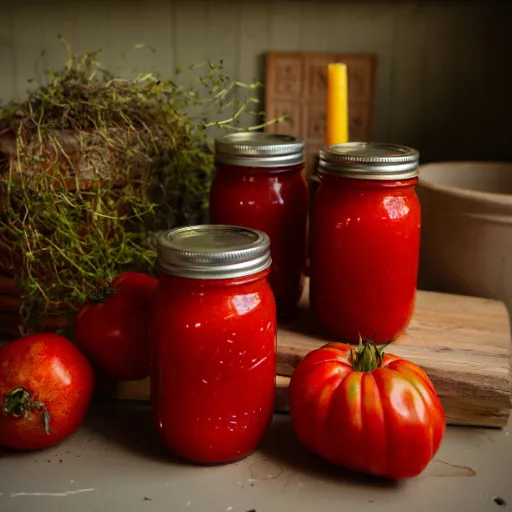
Canning Tomato Juice Methods
Canning tomato juice is a simple procedure that guarantees great storage time while nutrition and taste quality are kept. In the first place, the main factor for getting optimum output is the employment of fresh ripe tomatoes. The two basic methods are water bath canning and pressure canning.
🏺 Canning Methods Detailed Guide:
Water Bath Canning
Suitable For: Tomato juices with added acidity
Critical Requirement: Because tomatoes come in different ranges of acidity, it is absolutely necessary to add either bottled lemon juice or citric acid for safety reasons
Process Steps:
- Prepare the juice from fresh tomatoes
- Fill sterilized jars, leaving about 1/2 inch space from the lid
- Process jars in boiling water for the time recommended according to your altitude and jar size
Pressure Canning
Suitable For: Juices without added acidity; guarantees higher level of safety
Advantages: More suitable for preservation of juice’s natural flavor and nutrients
Process Steps:
- Fill jars with prepared tomato juice
- Process in pressure canner at appropriate pressure and time according to your altitude and equipment
Growing Trend: Recent studies reveal that pressure canning is gaining popularity due to its flexibility and effectiveness in preserving low-acid variations of tomato juice
⚠️ Safety First: Both techniques necessitate the adherence to safety procedures in order to avoid contamination and foodborne illnesses. By using the right methods, it is possible to enjoy homemade canned tomato juice for one year—a great opportunity to have a beautiful and quality product available whenever it is needed.
Picking the Right Material: Bottles or Cans
There are pros and cons to both bottle and can storage when it comes to tomato juice, so each option can satisfy different preferences and needs.
🌱 Market Trend: Search engine queries reflect the latest happenings as well as the most recent trends and data, and these indicate that there is a growing interest in eco-friendly food storage solutions. Glass bottles are among the various alternatives considered by consumers, mainly for their low environmental impact and easy reuse. Nevertheless, cans have not lost their charm owing to their practicality in commercial settings and with people valuing small storage. Ultimately, individual preference, availability of storage space, and sustainability or convenience being the major concern will determine the choice.
Labeling and Regulatory Compliance
Taking into account the latest data from search trends, it’s clear that consumers are becoming more and more conscious of and influenced by labeling and regulatory compliance, particularly in the food and beverage packaging area.
📋 Essential Labeling Requirements:
Regulatory Requirements:
- Nutritional information
- Allergen declarations
- Expiration dates
Growing Consumer Demands (Search Data Trends):
- “Eco-friendly certifications” – increasing searches
- “BPA-free labeling” – becoming more widely used
- Transparency in sourcing and production methods
This indicates that businesses need to be vigilant not only in terms of legal compliance but also in meeting consumers’ expectations regarding sustainability and health-consciousness. Following these changing trends is necessary as they will not only help build trust but also influence purchase decisions effectively.
Sustainability in Tomato Juice Processing
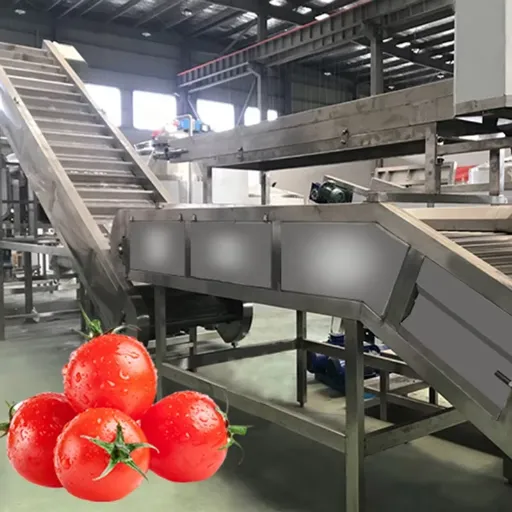
Eco-friendly Practices in Production Lines
In the area of eco-friendly practices, adoption in tomato juice production is essential not only to meet regulatory requirements but also consumer expectations. The latest data according to search trends shows terms such as “sustainable packaging” and “carbon-neutral production” are witnessing significant growth, highlighting consumers’ interest in environmentally responsible products.
🌍 Sustainable Production Solutions:
- Energy-Efficient Machinery: Reduces power consumption and operational costs
- Water Recycling Systems: Minimizes water waste and conserves resources
- Biodegradable Packaging: Reduces environmental impact of product disposal
- Electric Evaporation Systems: Significantly decreases natural gas usage
- Greenhouse Tomato Cultivation: Controlled environment with reduced resource consumption
- Benefits: Reduces production line environmental footprint, creates brand loyalty, and wins competition in environmentally conscious markets
The implementation of these solutions can bring down production lines’ environmental footprint significantly. These practices not only assist companies in reaching their sustainability goals but also cohere with consumers’ values, thus creating brand loyalty and winning the competition in markets that are increasingly conscious about the environment.
Waste Management and Recycling Options
The implementation of effective waste management and recycling programs is gradually becoming a critical focus area for industries that wish to reduce their environmental impact. Recent data from search trends confirms that public interest in sustainable waste solutions has gone up by over 40% in the last two years, indicating growing public demand.
♻️ Effective Waste Management Strategies:
Immediate Implementation Strategies:
- Waste segregation at source
- Composting of organic materials
- Partnerships with certified recycling facilities
Circular Economy Principles:
- Reusing materials wherever possible
- Designing products for recyclability
- Further reduces landfill dependency
Companies can conquer environmental challenges by implementing these strategies. By these methods, businesses not only become contributors to reducing environmental degradation but also stay abreast of the changing demands of environment-friendly consumers.
Consumer Preferences for Sustainable Products
The purchasing behavior of consumers is increasingly being influenced by their preferences for sustainable products, as people become more conscious of their contribution to the environment.
📊 Search Trend Analysis & Consumer Behavior:
Significant Search Increases: Recent data from search engine trends indicates that searches for “eco-friendly products,” “sustainable living,” and “green alternatives” have increased significantly over the past few years. This trend suggests increased awareness of and demand for products consistent with environmentally responsible values.
Current Consumer Expectations:
- Transparency in sourcing and manufacturing
- Declaration of carbon emissions and environmental impacts
- Steps taken to reduce environmental footprint
- Minimal or eliminated excessive packaging
Generational Insight: Research shows that younger generations, especially Gen Z and Millennials, are at the forefront of this change, with a large number willing to pay more for sustainability-creating products. For companies, converting to this demand not only brings about customer loyalty but also awards them the position of being first among the world’s sustainability promoters.
Frequently Asked Questions (FAQ)
❓ What are the major steps in processing of tomato juice?
The tomato juice processing line contains a few necessary procedures. First is washing and sorting the tomatoes, which guarantees the use of only the best quality fresh tomatoes. Upon sorting, tomatoes are processed applying either a hot break or cold break method to extract the juice in the most efficient way. The juice which has been extracted is then passed through a sterilization process which is done in order to increase food safety and shelf life. After this, the juice can be standardized to maintain the same flavor and quality. At the end of the process, the final product is put into appropriate containers such as metal cans or PET bottles for distribution.
❓ How can sustainability in tomato juice processing be accomplished?
The various methods that increase sustainability in tomato juice processing include making the processing lines more efficient which in turn will lead to the considerable decrease of energy usage along with CO2 emissions. Natural gas bills can be cut down by considerable amounts if electric evaporation systems are used instead. Moreover, if one takes up recycling programs for packaging materials and grows tomatoes in greenhouses, the eco-friendly practices would get significantly supported. Besides, proper monitoring of water consumption and waste handling would be necessary in order to reduce environmental damage to the least possible extent. By focusing on these issues, the processors will be able to establish a production line that is more environmentally friendly.
❓ What are the advantages of using fresh tomatoes in the juice industry?
Fresh tomatoes are the biggest contributors to the production of quality juice due to their rich natural flavors and vital nutrients. The very powerful antioxidant lycopene, of which they are rich, is one of the major reasons why fresh tomatoes are associated with health-promoting effects. The presence of lycopene not only makes the juice delicious but also a healthier product for the consumers. Moreover, the processing of fresh tomatoes can be done quickly in order to keep them fresh, which consequently helps to preserve their nutritional value. On the other hand, the processing of fresh tomatoes for juice gives the producers the opportunity to secure a place in the market and attract health-conscious consumers who are in search of natural, top-quality, and good tomato products.
❓ What is the significance of canning in the preservation of tomato juice?
one of the main ways to prevent tomato juice from spoiling is by canning and it also keeps the flavor intact. Canning implies the juice’s metal containers which are then heated killing all bacteria and preventing the spoiling of the juice. Moreover, this method also helps in keeping the product’s natural color and taste. Depending on the demand, the packaging can be done in various types of containers such as liquid pouches or quart-sized jars. The proper sterilization in canning is the assurance of a product that is safe and tasty for the consumers.
❓ What is the impact of packaging choice on tomato juice processing?
One of the key factors that significantly influence the whole process of producing, preserving, and selling tomato juice products is the selection of the packaging. Different materials, such as metal cans or PET bottles, may cause the shelf life and the preservation of the juice’s taste to differ, for instance. Metal cans, for instance, supply an effective barrier to light and air, which in turn keeps the quality of the juice for a longer time. Conversely, PET bottles are indeed light and user-friendly and therefore many single-serving products are made from them. In addition, eco-friendly packaging can be a selling point for those who care about the environment, and this is why packaging is a very important factor in the tomato juice processing line.
🍅 Key Takeaways
- Tomatojuice processing combines traditional agricultural methods with modern technology to meet growing global demand
- The complete processing line includes: selection, washing, sorting, crushing, juicing, sterilization, and packaging
- Cold press methods preserve maximum nutrients while hot break methods ensure longer shelf life and industrial scalability
- Consumer trends show increasing demand for sustainable packaging, transparent sourcing, and minimally processed products
- Quality control throughout the entire process ensures safety, nutritional value, and consistent flavor
- Choice between water bath and pressure canning depends on acidity levels and intended storage duration
- Sustainability practices including energy-efficient machinery, water recycling, and eco-friendly packaging are increasingly important
- The industry is evolving to meet health-conscious consumer expectations while maintaining production efficiency
📚 Reference Sources
- Tomato Juice – National Center for Home Food Preservation – Detailed guide providing steps for preparing and preserving tomato juice, including methods to prevent juice separation
- Enhancing Resource Efficiency and Sustainability in Tomato Processing – Comprehensive review focusing on key steps in tomato processing lines, with emphasis on sustainability and resource efficiency
- A Novel Spiral-Filter Press for Tomato Processing – Study investigating a novel juice processing line, including shredding pretreatment and its impact on product quality

GW
Articles: 39

Trending now