Get in touch with Victorystar

Exploring Traditional and Modern Methods on How to Pasteurize Milk Properly

Contents
show
As one of the most essential safety processes in the history of food safety, milk pasteurization prevents all harmful bacteria from growth. Pasteurization basically involves applying heat, which inactivates pathogens while preserving its nutrients. From commercial processes to home pasteurization techniques, this is an all-in-one guide presenting traditional and modern ways of food safety.
Important Safety Note: An array of harmful pathogens can accompany raw milk, including Salmonella, E. coli, and Listeria. The Centers for Disease Control and Prevention (CDC) reports that unpasteurized dairy products cause three times more hospitalizations than any other source of foodborne diseases. Learning about how to properly pasteurize keeps your family safe yet preserves the flavor and nutritional benefits of milk.
Understanding Pasteurization
What is Pasteurization?
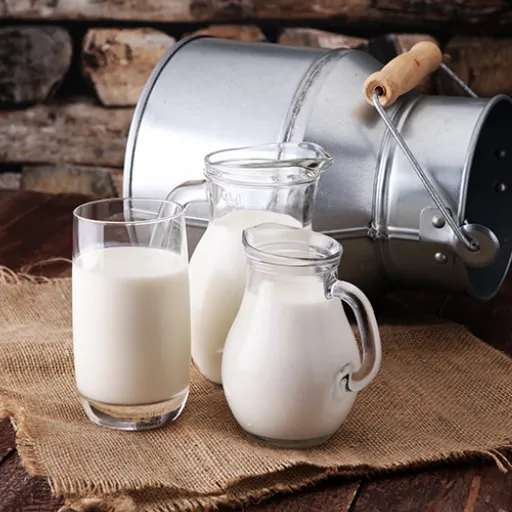
Pasteurization is a heat treatment process that destroys pathogenic microorganisms in milk without significantly altering its nutritional composition or taste. Named after French scientist Louis Pasteur, this method applies controlled heat for specific time periods to eliminate bacteria, viruses, parasites, molds, and yeasts that could cause illness.
The process works by denaturing proteins in harmful microorganisms, effectively killing them while preserving beneficial nutrients. Unlike sterilization, which destroys all microorganisms, pasteurization targets only disease-causing pathogens while maintaining milk’s quality characteristics.
History of Milk Pasteurization
Louis Pasteur developed the original pasteurization process in 1864 to prevent wine and beer spoilage. The technique wasn’t applied to milk until the 1890s when dairy-related diseases became a significant public health concern. Before pasteurization, milk-borne illnesses like tuberculosis, diphtheria, and typhoid fever were common.
Commercial milk pasteurization began in the United States around 1895. By the 1950s, most developed countries had implemented mandatory pasteurization laws for commercially sold milk. This widespread adoption dramatically reduced dairy-related illness and death rates, making pasteurization one of the most successful public health interventions in history.
Importance of Pasteurization in Food Preservation
Pasteurization serves multiple critical functions in food safety and preservation:
- ✓Pathogen Elimination: Destroys disease-causing bacteria, viruses, and parasites that naturally occur in raw milk.
- ✓
Extended Shelf Life: Reduces spoilage bacteria, allowing pasteurized milk to remain fresh longer than raw milk.
- ✓
Quality Maintenance: Preserves milk’s nutritional value, including proteins, vitamins, and minerals, while improving digestibility.
- ✓
Public Health Protection: Prevents outbreaks of foodborne illnesses, particularly protecting vulnerable populations like children, elderly, and immunocompromised individuals.
Types of Pasteurization Methods

Traditional Pasteurization Techniques
Low Temperature, Long Time (LTLT)
Also known as batch pasteurization, LTLT method heats milk to 145°F (63°C) and maintains this temperature for 30 minutes. This traditional approach allows for careful temperature control and is commonly used for smaller-scale operations.
The LTLT method requires constant stirring to ensure uniform heat distribution. Temperature accuracy is crucial—even slight variations can compromise effectiveness or damage milk quality.
Holder Pasteurization
A variant of LTLT, holder pasteurization maintains milk at 145°F for exactly 30 minutes in specialized holding tanks. This method ensures complete pathogen destruction while minimizing heat damage to proteins and vitamins.
Modern Pasteurization Technologies
High Temperature, Short Time (HTST)
The most common commercial method, HTST pasteurization heats milk to 161°F (72°C) for 15 seconds. This process uses continuous flow systems with precise temperature and time controls, making it efficient for large-scale production.
HTST pasteurization preserves more vitamins and produces better-tasting milk compared to older methods. The rapid heating and cooling minimize heat damage while ensuring safety.
Ultra-High Temperature (UHT)
UHT processing heats milk to 280°F (138°C) for 2-5 seconds, creating shelf-stable products that don’t require refrigeration until opened. This method destroys all microorganisms, including spores, extending shelf life to several months.
While UHT milk is extremely safe and convenient, the high heat can slightly alter taste and reduce some heat-sensitive vitamins.
Ultra-Pasteurization
This method heats milk to 280°F for 2 seconds, then rapidly cools it. Ultra-pasteurized milk requires refrigeration but lasts longer than conventionally pasteurized milk. It’s commonly used for cream and specialty dairy products.
Comparing Methods: Batch vs. Continuous Pasteurization
Batch methods work well for home pasteurization and small dairies, while continuous systems suit commercial operations processing thousands of gallons daily.
How to Pasteurize Milk at Home
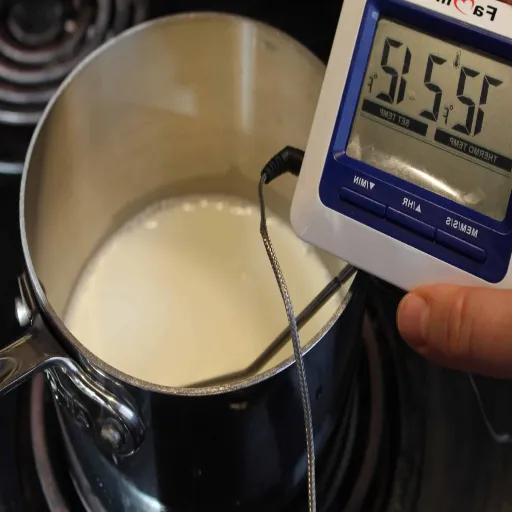
Essential Equipment for Home Pasteurization
Basic Equipment Needed:
- Heavy-bottomed saucepan or double boiler
- Accurate thermometer (digital preferred)
- Long-handled spoon for stirring
- Timer
- Ice bath setup for rapid cooling
Optional Equipment:
- Instant-read thermometer
- Heat diffuser plate
- Multiple smaller containers for portioning
Pro Tip: Choose stainless steel or enamel-coated pans to prevent reactive materials from affecting milk taste. Avoid aluminum pans, which can impart metallic flavors and react with milk’s acidity.
Step-by-Step Guide to Pasteurizing Raw Milk
1Preparation Phase:
- Clean and sanitize all equipment with hot, soapy water
- Rinse thoroughly to remove soap residue
- Set up ice bath for rapid cooling
- Measure desired quantity of raw milk
2Heating Process:
- Pour raw milk into heavy-bottomed saucepan
- Place pan over medium-low heat
- Insert thermometer, ensuring it doesn’t touch the pan bottom
- Stir constantly to prevent scorching and ensure even heating
- Monitor temperature closely as milk approaches target temperature
3LTLT Method at Home:
- Heat milk to exactly 145°F (63°C)
- Maintain temperature for 30 minutes, stirring occasionally
- Monitor temperature continuously—don’t let it drop below 145°F
- Adjust heat as needed to maintain consistent temperature
4Cooling Phase:
- Remove pan from heat immediately after time expires
- Place pan in prepared ice bath
- Stir milk continuously to accelerate cooling
- Cool to 40°F (4°C) as quickly as possible
- Refrigerate immediately
5HTST Approximation at Home:
- Heat milk to 161°F (72°C)
- Maintain temperature for exactly 15 seconds
- Remove from heat and cool rapidly in ice bath
- Stir constantly during cooling to prevent skin formation
Common Mistakes to Avoid When Pasteurizing Milk
❌ Temperature Control Errors:
- Using inaccurate thermometers
- Allowing temperature to drop during holding time
- Overheating, which damages proteins and creates off-flavors
- Insufficient heating time, leaving pathogens viable
❌ Contamination Issues:
- Using unclean equipment
- Adding unpasteurized ingredients after treatment
- Cross-contamination from raw milk containers
- Inadequate hand hygiene during process
❌ Cooling Mistakes:
- Slow cooling allows bacterial growth
- Insufficient final temperature (should reach 40°F)
- Storing at incorrect temperatures
- Using contaminated storage containers
📝 Process Documentation:
Always record times and temperatures for each batch. This documentation helps identify problems and ensures consistent results.
Benefits of Pasteurized Milk

Health Benefits of Consuming Pasteurized Milk
Disease Prevention
Pasteurization eliminates pathogens responsible for serious illnesses including listeriosis, salmonellosis, and campylobacteriosis. These infections can cause severe complications, particularly in vulnerable populations.
Nutritional Preservation
Properly pasteurized milk retains 99% of its nutritional value. Essential nutrients including calcium, protein, vitamins A, D, and B12 remain largely intact through the heating process.
Improved Digestibility
The heating process partially denatures proteins, making them easier to digest for some individuals. This can reduce digestive discomfort in people with mild lactose sensitivity.
Consistent Quality
Pasteurization eliminates naturally occurring enzymes that cause rapid spoilage, ensuring consistent taste and quality throughout the product’s shelf life.
The Role of Pasteurized Milk in Food Safety
Pasteurized milk serves as a foundation for food safety in numerous applications:
Dairy Product Manufacturing
Cheese, yogurt, ice cream, and other dairy products rely on pasteurized milk as a safe starting ingredient.
Food Service Operations
Restaurants and institutional kitchens use pasteurized milk to prevent foodborne illness outbreaks.
Vulnerable Population Protection
Hospitals, schools, and nursing homes require pasteurized dairy products to protect high-risk individuals.
Supply Chain Safety
Pasteurization allows for safer transportation and storage over longer distances and time periods.
Consumer Preferences: Pasteurized vs. Raw Milk
Market research indicates that over 99% of consumers choose pasteurized milk, primarily for safety reasons. However, a small but dedicated group prefers raw milk, citing taste preferences and perceived nutritional benefits.
Challenges and Considerations in Milk Pasteurization
Understanding the Risks of Raw Milk Consumption
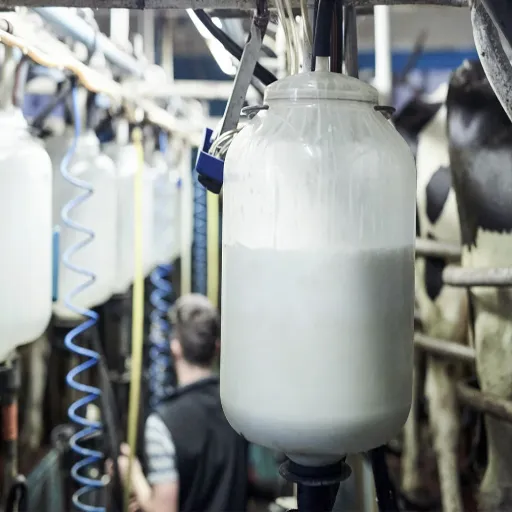
The CDC reports that raw milk is 150 times more likely to cause foodborne illness than pasteurized milk. Between 2007 and 2020, raw milk caused 202 disease outbreaks, resulting in 2,645 illnesses and 228 hospitalizations.
High-Risk Pathogens in Raw Milk:
Campylobacter
Most common cause of bacterial diarrhea
Salmonella
Causes typhoid fever and gastroenteritis
E. coli O157:H7
Can cause kidney failure
Listeria monocytogenes
Particularly dangerous for pregnant women
Mycobacterium bovis
Causes tuberculosis
Vulnerable Populations at Greatest Risk:
- Pregnant women and unborn children
- Children under 5 years old
- Adults over 65 years old
- People with compromised immune systems
Regulatory Standards for Milk Pasteurization
FDA Requirements
The Food and Drug Administration mandates specific time-temperature combinations for milk pasteurization. Commercial dairies must follow the Pasteurized Milk Ordinance (PMO), which sets standards for equipment, processes, and testing.
State Regulations
Individual states may impose additional requirements beyond federal standards. Some states prohibit raw milk sales entirely, while others allow limited direct-from-farm sales.
International Standards
The Codex Alimentarius provides global guidelines for milk pasteurization, though individual countries may set more stringent requirements.
Testing and Verification
Commercial operations must conduct regular testing to verify pasteurization effectiveness and monitor for post-pasteurization contamination.
Future Trends in Milk Production and Pasteurization
Emerging Technologies:
• Pulsed electric field treatment
• High-pressure processing
• Ultraviolet light pasteurization
• Ohmic heating systems
Sustainability Focus
New pasteurization methods aim to reduce energy consumption while maintaining safety standards. Heat recovery systems and renewable energy integration are becoming more common.
Quality Enhancement
Advanced monitoring systems provide real-time data on temperature, time, and flow rates, ensuring optimal pasteurization conditions.
Consumer Education
Ongoing efforts focus on educating consumers about pasteurization benefits and addressing misconceptions about raw milk safety.
Reference Sources
How to pasteurize milk at home – MyHealth Alberta – Provides a step-by-step guide for home pasteurization using traditional heating methods.
Home pasteurization of raw milk | OSU Extension Service – Explains the process of heating and cooling milk for safe home pasteurization.
Top 4 Methods of Milk Pasteurization – Discusses common pasteurization methods, including High Temperature Short Time (HTST) and other techniques.
Pasteurization Methods – Organic Valley – Highlights traditional and modern pasteurization methods, focusing on HTST and its benefits.
A 100-Year Review: A century of dairy processing – Reviews advancements in dairy processing, including the evolution of pasteurization technologies.
Frequently Asked Questions (FAQs)
❓ What is the pasteurization process for milk?
Pasteurization involves treating milk with heat to accomplish the killing of pathogenic bacteria from it. The temperature to which milk is heated has to be at least 161°F (72°C) for a minimum of 15 seconds in the High-Temperature, Short-Time (HTST) pasteurization procedure. To be effective, the treatment must be applied to each and every particle of milk-to kill bacteria of concern such as salmonella and listeria. Rapid cooling of the milk follows the heating step to quickly terminate the cooking process. Besides assuring milk safety and thereby protecting public health, the method also provides for storage of the product.
❓ How can I pasteurize milk at home?
Whole pasteurization of milk can be done at home by using a double boiler or a cooking thermometer. Fresh milk is heated gently in a double boiler to avoid any burning or scorching. Meanwhile, the temperature can be closely observed with the help of a thermometer: above 161°F for a duration of 15 seconds, or 145°F for at least 30 minutes. Gentle stirring is necessary during heat-up to keep the temperature distribution even. The cooling of the milk is done quickly right after pasteurization through pouring it in a clean container and setting the container in an ice bath. This is also quite effective with small batch sizes and guarantees the milk becomes safe to drink.
❓ What are the benefits of pasteurized milk?
Pasteurized milk enjoys several benefits typical of any precore; however, its prime attributes concern its safety and shelf life. Adverse bacterial contamination, including campylobacter and salmonella, which are guilty of milk spoilage and claimed to be disorders in human beings on consumption, are killed by pasteurization. Furthermore, pasteurization acts against spoilage by imparting a much longer life to milk and other dairy products. Pasteurized milk retains most of its nutritional value when it comes to vitamins and minerals, with added emphasis on safety. Hence, pasteurized milk can be a safer option for pregnant women and people with weakened immune systems.
❓ How does pasteurization affect the nutritional value of milk?
Pasteurization can have a minor influence on milk’s nutritional value, but these changes are inappreciable. The procedure mainlytargets harmful bacteria and pathogens, all the while retaining essential nutrients, for instance, calcium, and vitamin D. While some heat-sensitive vitamins may be decreased to a certain extent, pasteurized milk still retains good nutritional value with the decrease. Researchers have found that benefits to health from being able to consume safe milk free from pathogens far outstrip the little loss in nutrient value. Hence, people of any age can certainly get nutrients from pasteurized milk.
❓ What temperature is required for pasteurization of milk?
Pasteurization can have a minor influence on milk’s nutritional value, but these changes are inappreciable. The procedure mainlytargets harmful bacteria and pathogens, all the while retaining essential nutrients, for instance, calcium, and vitamin D. While some heat-sensitive vitamins may be decreased to a certain extent, pasteurized milk still retains good nutritional value with the decrease. Researchers have found that benefits to health from being able to consume safe milk free from pathogens far outstrip the little loss in nutrient value. Hence, people of any age can certainly get nutrients from pasteurized milk.
❓ Can UHT milk be considered pasteurized?
UHT milk, also known as ultra-heat-treated, is pasteurized to a special degree. It has very brief exposure to very high temperatures of over 280°F (138°C) for just a few seconds in order to kill pathogenic bacteria and thereby increase permanence. Thus, they do not have to be refrigerated before use for a few months, facilitating consumer convenience. UHT milk packs in almost all the nutrients and hence makes a great safe household alternative.

DU
Articles: 45

Trending now