Get in touch with Victorystar

Advanced Dairy Processing Line Solutions
The technologies utilized in our dairy processing lines redefine industry benchmarks in efficiency, quality, and sustainability.
UHT sterilization, automated CIP systems, and proper temperature control promote the 99.99% elimination of pathogens, preservation of product integrity, and maintenance of product nutrition.
Homogenizers engineered for 3500 bar of pressure and centrifugal separators that extract 99.8% of the fat for the product quality to be outstanding.

Vertical speed control, regenerative heat exchangers, and hibernation mode technology offer energy savings of 18% and idle period energy savings of 80%.
Flexible and confined space designed equipment skids coupled with targeted modular arrangements provide rapid reconfiguration for diverse product lines, including plant-based alternatives.
Dairy Processing Line Solving Your Production Challenges
Advanced solutions for modern dairy processing pain points
Designed systems automate routine tasks, avoid manual processes, and eliminate unnecessary costs.
✓ Our Solution: Incorporating AI into completely automated PLC control systems removes manual bottlenecks and enhances productivity by 40%.
Manual processes increase mistakes and errors, which undermine product quality and product traceability.
✓ Our Solution: Every batch produced benefits from real-time monitoring, which guarantees consistent quality and complete traceability.
Increased operational costs and environmental footprint result from high energy usage and waste generation.
✓ Our Solution: Environmentally friendly systems utilizing 90% heat recovery and water recycling systems reduce the negative impact on the ecosystem by 60%.
Dairy Processing Machinery Technical Specifications
| Equipment Component | Specifications | Performance |
|---|---|---|
| Pasteurizing Unit | 72°C for 15 seconds | Up to 25,000 L/h capacity |
| Plate heat exchangers | 99.99% pathogen elimination | |
| 90-94% energy recovery | ||
| Homogenizers | Variable pressure stages | Superior texture control |
| Up to 3500 bar pressure | Enhanced product stability | |
| High-pressure processing | ||
| Centrifugal Separators | Operating at ~55°C | 99.8% fat extraction efficiency |
| Variable speed control | 500-12,000 L/h capacity | |
| Automatic cleaning | ||
| Membrane Filtration | Ultrafiltration, nanofiltration | 98%+ protein retention |
| Reverse osmosis systems | 1,000-10,000 L/h capacity | |
| Multi-stage processing | ||
| CIP Systems | Closed-loop design | 50% carbon footprint reduction |
| Automated chemical dosing | 10,000 m³ water savings/year | |
| Water recovery technology | ||
| Control Systems | PLC and SCADA integration | Real-time monitoring |
| IoT sensor networks | 12% downtime reduction | |
| AI-powered analytics |
Performance Metrics That Matter
25,000
Liters/Hour Capacity
99.8%
Fat Separation Accuracy
100+
Patents Held
18%
Energy Savings
Dairy Processing Steps
Discover the key activities in dairy processing, starting from the farm until the final product reaches the consumer.

Diverse Applications of Dairy Processing Line
The flexibility of our processing lines accommodates a wide variety of dairy products as well as new market segments.
01
Liquid Dairy Products
- Pasteurized milk, ESL products, lactose-free dairy, and premium drinking milk with extended shelf life.
02
Cultured Products
- Yogurt, fermented milk products, probiotic drinks, and other specialty applications of cultured dairy.
03
Powders & Concentrates
- Milk powder, whey protein concentrates, instant formula, and nutritional powder components are standardized for particular concentrates.
01
Frozen Desserts
- Ice cream, frozen yogurt, gelato, and premium formulations for frozen dairy desserts.
05
Infant Formula
- Infant nutrition products involve specialized and stringent quality and safety requirements in processing.
06
Prepared Foods
- Dairy products, smoothies, blended beverages, and other prepared applications.
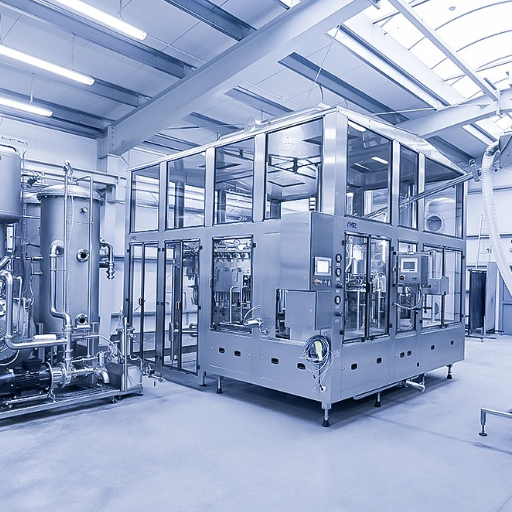
The Ultimate Used Beverage Equipment: Buying Guide for Beginners
Acquiring secondhand beverage equipment provides businesses with a cost-efficient solution to launch operations or increase their existing activities. The process…
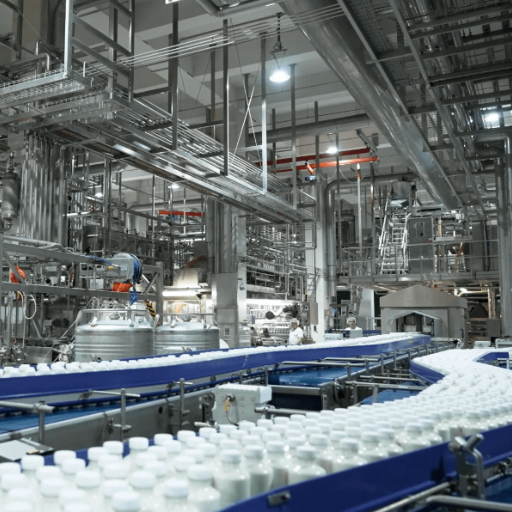
Predictive Maintenance in Beverage Manufacturing: A Game-Changer for Productivity
Predictive maintenance systems are changing how beverage producers manage their equipment performance and their production efficiency. This unique method uses…
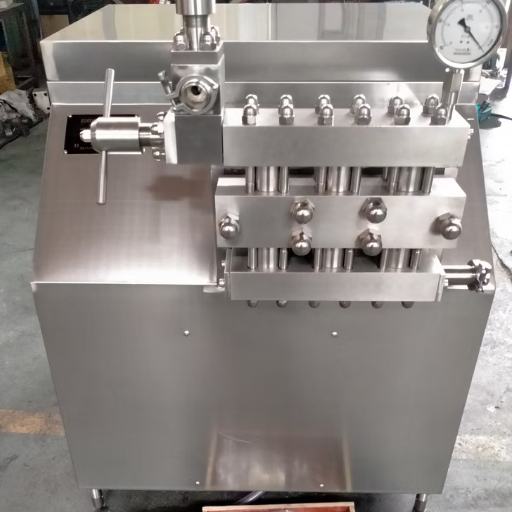
Homogenizer Selection for Beverage Production: Key Factors to Ensure Quality and Efficiency
The right homogenizer is a vital element in the success of the beverages produced by beverage manufacturers because if the…
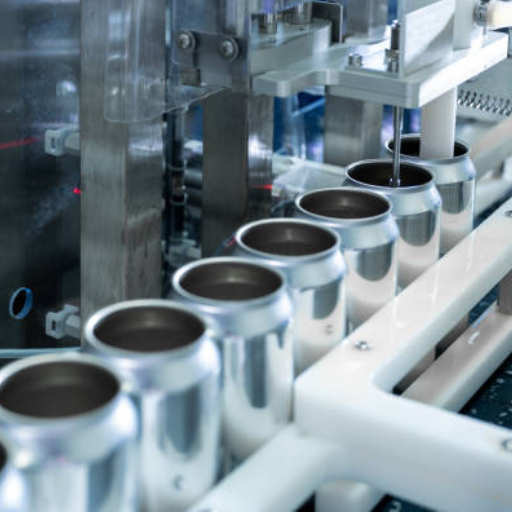
Beverage Can Filling Line Complete Guide: Ensuring Quality and Productivity
The Drinks Industry is a lot of action packed, effectively managed field. Efficiency and Quality are essential for every business…
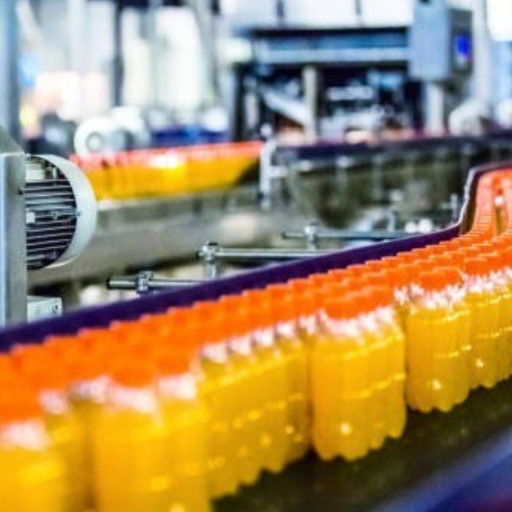
Energy Drink Production Line Setup: Ensuring Quality and Operational Excellence
The appropriate operational framework enables your business to achieve optimal productivity while creating products that fulfill customer needs for your…
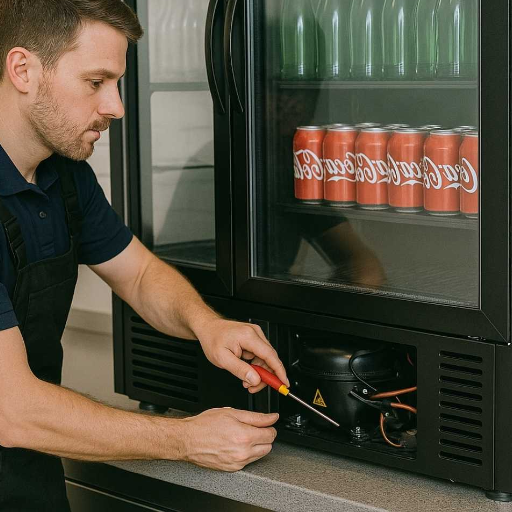
Preventive Maintenance for Beverage Equipment: Ensuring Longevity and Optimal Performance
The coffee shop which operates at full capacity and the bar and the restaurant need their equipment to be maintained…
Expert Guides to the Milk Processing Line
What Is Dairy Processing
The processing of dairy products encompasses changes made to raw milk to manufacture cheese, butter, and yogurt. The incremental changes that raw milk goes through include pasteurization, homogenization, and separation. All these steps guarantee the safety and quality of the final product.
Dairy Processing Plant Cost
A dairy processing plant’s cost is quite diverse as per its size and equipment, ranging from around $31,000 for small-scale plants, to more than $1.5 million for big plants.
What is pasteurization in one line?
Pasteurization entails heat treating food and drink products in order to kill dangerous microorganisms to guarantee product safety and prolong shelf-life.
What are the 6 major categories in the dairy group?
The dairy section comprises six primary categories: milk, yogurt, cheese, lactose-free milk, calcium-fortified soy milk, and milk-based desserts, and includes desserts made from milk.
What are the techniques of dairy processing?
The methodical processing of milk into quality dairy products requires pasteurization, homogenization, fermentation, standardization, and cooling.
CIP Cleaning Processes in the Dairy Industry
In the dairy industry, CIP involves automated or semi-automated internal cleaning without dismantling, typically following a five-step procedure: pre-rinse, caustic wash, intermediate rinse, final rinse, and sanitizing rinse.
A1 vs A2 Milk: What’s The Difference?
A1 and A2 milk differ in their beta-casein protein composition. While A2 milk only consists of A2 protein, which is reputed to have a more digestible and less discomforting protein composition than A1 milk, A1 milk contains A1 protein.


What Our Customers Say
Counted on for Outstanding Performance and Reliability by Preeminent Global Dairy Producers.
“The predictive maintenance system has transformed our operations; we have reduced unplanned downtime by 12%, and our production efficiency is at an all-time high. Definitely worth the investment.”

Sarah Johnson
Plant Manager, Alpine Fresh Dairy
“We experienced minimal disruption during installation in our existing facility due to modular design. Product consistency improvement has been significant at 99.8% fat separation accuracy.”

Robert Williams
CEO, Premium Dairy Solutions
“I have streamlined the steps in the processing sequence while also making enhancements. Due to the more gentle approach to processing, the quality of our sheep cheese has improved. “

Cotti Agricoltura
Operations Director
“We purchased the cheese kettle to allow production of almost all dairy products. Exceptional, due to broad experience coupled with advanced energy and technology efficiency.”

David Kim
Operations Director
Frequently Asked Questions (FAQs)
A dairy processing line involves a sequence of machinery and a set of procedures designed to convert raw milk into a variety of dairy items, including yogurt, cheese, and pasteurized milk. Certain stages of the line consist of receiving milk, pasteurization, homogenization, and filling and packaging.
Pasteurization entails the application of heat to destroy pathogenic microorganisms in milk and dairy items. In a dairy processing plant, pasteurization involves heating raw milk to a specific temperature for a set period and then rapidly cooling it.
Dairy processing equipment features consist of pasteurizers, homogenizers, filling, and packaging machinery. Pasteurizers provide the necessary safety for the food, and homogenizers enhance the texture and uniformity of the final product.
During each stage of the processing line, automation systems take control of the reception, processing, and packaging of milk. This effectively streamlines the operational processes and systems, contributes to and promotes food safety, and ensures the consistency of the quality of the products that are produced for different batches.
Food safety regulations for the dairy processing industry include the pasteurized milk ordinance, along with various regulations and guidelines issued by the FDA. These regulations facilitate the sanitary production of dairy products to ensure that the risk of contamination is significantly reduced.
Determining the operation of a mango juice filling machine involves understanding the automated filling of processed mango juice containers of various sizes. For automated filling systems designed with size flexibility, the systems ensure the consumer-specified filling margin, hence, wastage is guaranteed to be minimal. The extension of the juice’s shelf life with the preservation of the juice’s freshness and taste is a result of the aseptic filling system incorporated in the automated systems.
Aseptic packaging entails the practice of ensuring that dairy products are filled and sealed in sterile conditions, thereby preventing any contamination of the products. This practice not only elongates the shelf life of UHT milk but also allows it to be distributed without refrigeration.
In dairy processing, the CIP system is of great importance as it provides the sanitation of the entire system without breaking it apart. This is done fully automated through the use of hot water, combined with the disinfecting and cleaning products which ensures the system is cleaned.
Trending now