Get in touch with Victorystar

The Ultimate Guide to Cheese Production Line

Contents
show
Cheese is not only a favorite food but also a worldwide culinary necessity with a very interesting and complicated production process. The first thing each type of cheese tells is a tale of its production line that has been designed so well. The present guide outlines the complex world of cheese production, revealing the steps, technology, and artistry that convert milk into the richly flavored blocks, wheels, or wedges we love. The article will extensively cover all the traditional techniques that are in the past to the modern ones that are driving the production efficiency and consistency that are required in cheese-making. Get ready to uncover the mysteries of cheese-making and to understand the very thin line that separates science and art in this ageless practice.
Introduction to Cheese Making
What is Cheese?
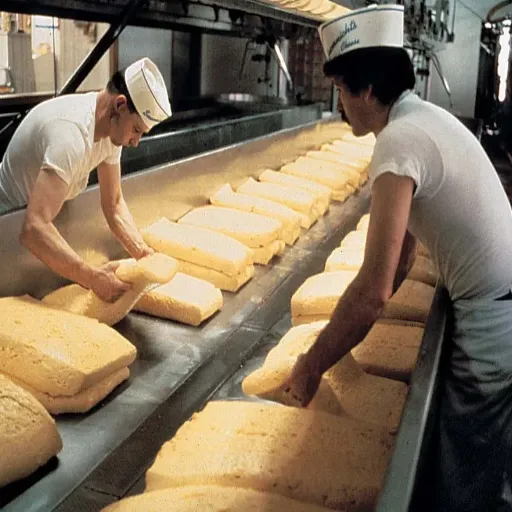
Cheese is a product of dairy obtained by coagulating the proteins of milk (casein mostly) to form solid matter. The process is usually done by curdling the milk by adding rennet or acid and separating the solids (curds) from the liquid (whey). Even though its earliest production is believed to be over the period of history, cheese has become such a pluralistic food with more than 1,800 types recognized all over the world. Cheese varies not only in taste but also in texture and appearance depending on the factors like the source of milk (cow, goat, sheep, or buffalo), the aging process, and the use of additives such as herbs or spices. Besides its versatility and rich flavor, cheese is also a major source of nutrients that are protein, calcium, vitamins, and healthy fats so it is used in both culinary creations and daily diets worldwide as a staple.
The Importance of Cheese in Culinary Arts
Cheese is a necessary thing to have in the culinary arts, it is a major component of dishes in different cultures and cuisines. As per the most recent statistics from the search engine trends, searches for topics like “cheese recipes” and “the best types of cheese for cooking” are consistently high, which indicates its universal appeal. Cheese’s capacity to change its nature allows it to be used in both savory and sweet recipes, creamy pasta sauces to cheesecakes, and so on. The melting quality of cheese, its ability to stretch, and the providing of a flavorful contrast have made it the most preferred ingredient in dishes such as pizza, fondue, and gourmet sandwiches. Whether it is the main ingredient or just a topping, cheese has the power to complexity a dish by imparting depth, texture, and richness. Its role in the culinary world is undoubtedly the best, where the blend of tradition and innovation is done to make people enjoy the taste.
Overview of the Cheese Making Process
Cheese-making is both an art and a science that gives birth to a wide variety of flavors and textures that are all unique. It starts off with milk, which can either be from cows, goats, sheep or any other animal, and the milk is then either very carefully pasteurized or sometimes even raw in the case of the traditional methods used. Adding a starter culture to the milk is the first step which aids in fermenting the lactose into lactic acid. It is a very important step because it lays the foundation for the cheese’s taste. Next, rennet, which is a major enzyme, is added to make the milk coagulate and form curds and whey.
After the curds are separated from whey, the next step will be cutting and molding curds, draining, and sometimes pressing, according to the type of cheese. The next step is the aging or ripening period during which factors such as temperature, humidity, and time work together to the cheese’s unique taste and texture. The time needed for aging varies among different cheeses and ranges from a few weeks for soft cheeses to several years for hard and aged ones.
📊 Modern Consumer Trends
The latest data from search trends show that questions about artisanal and lactose-free cheese processes have become more popular among consumers. This trend reflects the rise of consumer interest in eco-friendly and dietary-specific cheese production. Besides, searches indicate a growing interest in plant-based cheese substitutes, which closely resemble the original process, however, instead of dairy milk, they use nuts or oats as ingredients. This trend marks the fact that while the classic methods still receive great appreciation, the modern cheese-making landscape is continuously being shaped by innovation.
Types of Cheese and Their Production

Types of Cheese Overview
There is a broad range of cheese types, each with its own unique flavor, texture, and way of making it. It is safe to say that soft and creamy cheeses, like brie and camembert, and hard and strong-tasting cheeses, like cheddar and gouda, are still the kings and queens of the cheese world conquering new markets every day. But the latest search data indicates that non-traditional cheeses, such as plant-based ones, are steadily becoming more popular. These substitutions not only appeal to vegans and lactose-intolerant people but also address environmental and dietary concerns. Besides that, searches show a rise in interest in artisanal cheeses which points toward a growing public appreciation of small-scale, handcrafted, and locally-made varieties. So, this data highlights the cheese industry’s constant dynamic evolution where the consumers’ preference is the driving force behind both innovation and a celebration of traditions.
Artisan vs. Factory Cheese
The topic of artisan vs. factory cheese usually revolves around quality, production methods, and consumer preferences. The most recent data from search engines indicates that artisan cheese is slowly pulling the consumers’ attention. The searchers are more and more indicating a need for the real, locally made cheeses that have based their production on the traditional skills and have developed their own flavor profiles. The trend aligns perfectly with a broader cultural movement that emphasizes sustainability and transparency in the food industry.
However, on the other hand, factory cheese is still holding its place because of its price, uniformity, and easy access. The search patterns also refer to its connection with people’s focused lifestyles, as factory cheese is mostly linked with fast foods and easy to prepare meals. To sum up, the decision between artisan and industrial cheese is very much defined by the consumers’ values. Still, the search data is pointing to the fact that more and more people are turning to the artisan side if they are after quality and the story of the food. At the same time, the pathway is still bustled by mainstream domestic and busy persons for whom price is an important factor.
Popular Cheese Types and Their Distinctive Production Methods
Every cheese is different from the others, with different tastes and preparation methods. The latest data from search engines indicates that some cheeses are consistently favored worldwide:
- Mozzarella
Still people’s favorite due to its usage in pizzas and salads. The process involves stretching and kneading fresh curd in hot water until the resulting cheese has the characteristic smooth texture and elasticity.
- Cheddar
Known as “sharper with age,” Cheddar undergoes a “cheddaring” process which involves the stacking and turning of blocks of curd to leach whey making it a firm and flavorful cheese.
- Brie
The superb French soft cheese, first choice for charcuterie boards and baked recipes. The process involves the addition of certain strains of mold to develop a creamy and soft center and a white bloomy crust.
- Gouda
Famous for its buttery sweetness, applying a unique waxing method to seal moisture and preserve the signature texture throughout the aging process.
These worldwide champions inherit the artistry of the craft along with the modification of culinary techniques that are characterized by the wide acceptance of the flavors that different people like, which is shown by the increase of online interest in the varieties of artisan cheese.
The Cheese Production Line Setup
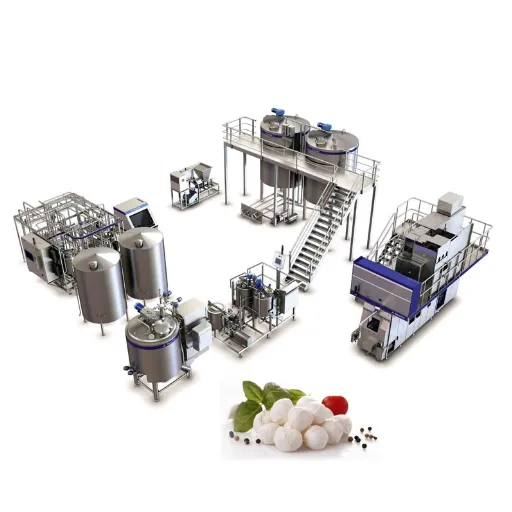
Essential Cheese Making Equipment
To conduct cheese making successfully, one has to rely on a whole range of tools and equipment that are very specialized, and these start from the making of curd to the curing of the cheese. The cheese molds that are used to shape and compress the curds are among the most important pieces of equipment. Other important tools are thermometers, which make sure that the temperatures during the enzymatic process are very accurate, and cheese presses, which give the curd its final texture and at the same time remove the extra whey. On top of that, pasteurizers used for high-quality milk ensure that safety standards are met while aging racks offer the perfect condition for cheeses to mature.
🏠 Home Cheesemaker Trends
Recent search engine data has shown that home cheesemakers are inclined to search for starter kits, cheese cloths, and digital thermometers that are within a reasonable price range, which may be the case because these tools are versatile and practical for beginners. Vacuum sealers are also among the most searched items since they help in the better and longer preservation of cheese made in an artisanal manner. There is a rising consumer interest in cheese making tools that are simple and efficient because of the trends.
Production Line Configuration for Cheese Manufacturing
From search engine data, it can be inferred that the production line configuration according to customer wants is the integration of different tools and equipment that are aligned to the thing that people like most. The line should be built around small-scale and artisanal cheese manufacturing and include such things as milk pasteurizers, curd cutting tools, and cheese presses as the mainstay. Moreover, the inclusion of such items as digital thermometers and vacuum sealers which are affordable but also versatile is very important because these are in great demand by both home cheesemakers and small producers alike. Adjustable cheese molds and efficient packaging stations can also contribute to improved workflow and meeting consumer demand for practical solutions. Manufacturers can achieve it by incorporating these elements, creating production lines that are optimized for the preference of the customers for accessible and high-quality cheese making tools.
Automation in Cheese Production
The cheese production automation has completely changed the way the industry operates; it merges the traditional cheese making methods with advanced technology in a way that the whole process becomes faster and the quality remains very high. In recent data obtained from search trends, it was found that there is an increasing interest in automated solutions like robotic curd cutters, automated brining systems, and precision aging chambers. It is true that these innovations reduce labor requirement and still get what is desired in terms of taste, texture, and hygiene being the same. While the integration of automation is in place, the growing demand for artisanal cheese quality can be met; at the same time, the high scale and speed required in the modern market can be addressed. Automation is thus a tool for small manufacturers as well as large cheese makers; it can be viewed as a connector between the two worlds of tradition and technology, thereby allowing them to be competitive in the fast-changing industry.
Cheese Production Process

Steps in Making Cheese
Going the modern method, cheese production has benefited a lot through automation that gives the possibility of temperature, pH, and moisture controlling with great precision throughout these stages. Recent trends indicate that consumers are increasingly interested in homemade cheese-making kits which show not only the growing consumer’s desire to explore traditional practices in their own way but also the technological advancements in equipment that are facilitating home production of such products.
The Role of Curd in Cheese Making
The decent curd is the backbone of cheese making as it is the foremost layer of milk transformation into different cheeses. Quality of curd among cheesemakers is no secret and it is from this step that they determine progressively what the texture, taste, and quality of the cheese will be. The consumers also seem to be appreciating this aspect more and more as they are getting more curious about making their own cheese with search engines revealing the increasing amount of inquiries about curd-making techniques, its culinary uses, and homemade cheese recipes. This indicates that there is a growing curiosity of the public who are inquiring about mastering this fundamental element, as home cooks and enthusiasts seek to blend age-old methods with modern approaches for artisanal cheese-making.
Factors Influencing Cheese Quality
The type of milk is one of the most important determinants of the quality of cheese, since its composition in terms of fat and protein content is the basic source of the final product’s textural, taste and aroma properties. Moreover, the various ways in which curd is formed including the controlling of the temperature and using specific bacteria play an important role in determining the characteristic flavors and the quality of different cheese kinds. The main impacting factors for the cheese’s taste profile and quality are the aging period and the environmental conditions such as humidity and temperature. Recent data indicates that searches for artisanal cheese techniques are rapidly growing suggesting that consumers are eager to acquire the skills to control these factors and thus produce high-quality cheese with in-home meticulously. It also indicates that there has occurred a major transition in consumer’s preferences from largeness to precision and traditional craftsmanship in cheese-making.
Hygiene and Safety in Cheese Manufacturing

Importance of Hygiene in Cheese Production
Hygiene is considered as a vital factor in cheese manufacturing process to the safety and quality of the final product. Contaminants or poor sanitary measures may result in the formation of dangerous bacteria which is a serious health risk for the consumers. It is very important to apply strict cleanliness guidelines, like sterilizing machinery, air quality control, good storage conditions, etc., during all stages of the production process. According to search data, there is a significant rise in the number of people searching for “hygienic cheese-making practices,” which indicates that more and more consumers are interested in knowing about safety measures in artisanal production. This is a trend that has emerged because both home cheese-makers and professionals are making a conscious effort to give priority to health and meet the high standards expected in food preparation.
Best Practices for Maintaining Food Safety
For the safety of food to be kept at the highest level in cheese-making, it is very important to implement proper hygiene methods all through the process. Some of the best practices are as follows:
🧼 Sanitize Equipment Thoroughly
All utensils and machines used in cheesemaking must go through a thorough cleaning and disinfecting process after every use in order to avoid the bacteria that cause infection. Regularly check for leftover materials or any damage that might foster the growth of bacteria.
✅ Use Quality Ingredients
Always get your milk and other ingredients from vendors that you trust and only use high-quality pasteurized milk. This greatly reduces the risk of letting harmful microorganisms enter the cheese-making process.
🌡️ Control Temperature and Humidity
Temperature and humidity need to be very accurately monitored and regulated so that the conditions in the cheese factory are hygienic for fermenting and maturing the cheese. If there are any fluctuations in these factors, it can result in either bacterial growth or spoilage.
👤 Practice Personal Hygiene
Cheese-makers should always wash their hands frequently, wear clean protective garments, and avoid product handling when sick. Personal hygiene is a very effective means to prevent contamination.
📈 Understand Consumer Awareness Trends
Data showing a rise in interest regarding “hygienic cheese-making practices” indicates an increased consumer focus on health and safety issues concerning food. This trend can be advantageous to producers because they can build trust through information on their adherence to hygiene practices, and thereby enhance their brand image.
By using these best practices accompanied by an acute awareness of the increasing consumer interest in safety and hygiene, cheese-makers will be able to produce confidently high-quality and safe products that are in line with both the professional standards and the consumer expectations.
Regulations and Standards in Cheese Manufacturing
Regulatory controls and standards concerning cheese manufacturing vary from one country to another, but they all aim at the same target, which is, to provide the consumers with safe and high-quality dairy products. For instance, in the United States, the production of cheese is under the control of the FDA, that stipulates the pasteurization, selection, and labeling of milk and other related aspects. Regulation regarding the use of pasteurized milk is the dominant one in the fight against harmful pathogens, with some exceptions for raw milk cheese aged for over 60 days. The European Union, on the other hand, applies strict hygiene and quality regulations through the EFSA that require testing for microorganisms and providing a traceability certificate.
🔍 Consumer Safety Awareness
A growth in the number of searches related to “safe cheese production” and “cheese hygiene standards” has been observed recently indicating that the consumers are getting more concerned about food safety. The data points out the necessity for cheese manufacturers not only to comply with the legal requirements but also to effectively communicate these efforts to their audience. Thus, keeping track of global safety standards, applying advanced testing technologies, and having open supply lines are the main requirements to both meet the regulatory and consumer expectations.
Comprehensive Equipment Comparison
Cheese Production Checklist
✓ Essential Steps for Quality Cheese Production
- ✓
Source high-quality milk from trusted suppliers (cow, goat, sheep, or buffalo) - ✓
Conduct pasteurization according to safety standards (or use raw milk for specific traditional cheeses) - ✓
Add starter cultures to initiate acidification and develop flavor foundation - ✓
Introduce rennet or coagulant to form curds and separate whey - ✓
Cut curds to appropriate size based on desired cheese moisture content - ✓
Heat and stir curds gently to promote whey separation - ✓
Drain whey thoroughly to achieve desired cheese consistency - ✓
Mold and press curds with appropriate pressure for compactness - ✓
Apply salt directly or through brining for flavor and preservation - ✓
Age cheese in controlled environments monitoring temperature and humidity - ✓
Maintain strict hygiene protocols throughout all production stages - ✓
Package properly using vacuum sealing or appropriate wrapping methods
Artisan vs. Factory Cheese: A Detailed Comparison
🧀 Artisan Cheese
- Production Method: Small-scale, handcrafted with traditional skills
- Quality: Unique flavor profiles with authenticity and character
- Sustainability: Often emphasizes local sourcing and eco-friendly practices
- Transparency: Direct connection to producers and production story
- Consumer Appeal: Growing interest in authenticity and craftsmanship
- Price Point: Generally higher due to labor-intensive processes
🏭 Factory Cheese
- Production Method: Large-scale, automated manufacturing processes
- Quality: Consistent, uniform flavor and texture across batches
- Accessibility: Widely available in supermarkets and retail stores
- Convenience: Perfect for fast foods and easy-to-prepare meals
- Consumer Appeal: Preferred by busy, price-conscious consumers
- Price Point: More affordable due to economies of scale
Frequently Asked Questions (FAQ)
Key Takeaways and Summary
🎯 Essential Points to Remember
Art Meets Science: Cheese production is a sophisticated blend of traditional artistry and modern technology, requiring precise control of temperature, pH, moisture, and timing throughout a multi-stage process that transforms milk into over 1,800 recognized cheese varieties worldwide.
Nine Essential Steps: The cheese-making process follows a carefully orchestrated sequence—milk preparation, acidification, coagulation, curd cutting, heating and stirring, whey draining, shaping and pressing, salting, and aging—each step critically influencing the final product’s texture, flavor, and quality.
Critical Equipment: Successful cheese production requires specialized equipment including cheese vats, thermometers, curd cutters, presses, molds, pasteurizers, and aging racks, with growing consumer interest in affordable starter kits for home cheesemaking.
Hygiene is Paramount: Food safety in cheese manufacturing demands rigorous hygiene protocols including equipment sanitization, quality ingredient sourcing, precise temperature and humidity control, and personal hygiene practices to prevent contamination and ensure consumer safety.
Consumer Trends: Modern consumers show increasing interest in artisanal, plant-based, and lactose-free cheese options, reflecting broader movements toward sustainability, dietary accommodation, and appreciation for traditional craftsmanship in cheese production.
Automation and Innovation: While preserving traditional methods, the cheese industry increasingly adopts automated solutions such as robotic curd cutters, automated brining systems, and precision aging chambers to enhance efficiency, consistency, and quality while meeting modern market demands.
🧀 The Future of Cheese Making
The cheese production industry stands at a fascinating crossroads where centuries-old traditions meet cutting-edge technology. As consumer preferences continue to evolve—demanding greater transparency, sustainability, and dietary diversity—cheese manufacturers must balance the artisanal qualities that make cheese special with the efficiency and consistency required for modern markets. Whether you’re a home enthusiast exploring starter kits or a commercial producer investing in automated systems, understanding the fundamental principles of cheese-making remains essential. The growing interest in hygienic practices, artisanal techniques, and plant-based alternatives demonstrates that cheese production will continue to innovate while honoring its rich heritage. This ultimate guide serves as yourcomprehensive resource for navigating the complex yet rewarding world of cheese production, ensuring that whether you’re crafting small batches at home or managing large-scale operations, you have the knowledge to create exceptional cheese that meets both traditional standards and contemporary expectations.
Expert Tips for Successful Cheese Production
🥛 Start with Quality Milk
The foundation of great cheese is high-quality milk. Source from reputable suppliers and ensure proper storage temperatures. Fresh, properly handled milk significantly impacts the final product’s flavor and texture.
🌡️ Master Temperature Control
Invest in accurate thermometers and monitor temperatures closely throughout the process. Even small temperature variations can dramatically affect curd formation, texture, and flavor development.
📝 Keep Detailed Records
Document every batch including ingredients, temperatures, timing, and environmental conditions. This allows you to replicate successes and troubleshoot issues effectively.
⏰ Practice Patience
Rushing the aging process compromises quality. Allow cheese to mature properly in controlled environments, resisting the temptation to sample too early. Great cheese requires time.
🔬 Understand Your Cultures
Learn about different starter cultures and their effects on flavor profiles. Experiment with various combinations to develop unique characteristics in your cheese.
🧼 Prioritize Sanitation
Never compromise on cleanliness. Establish rigorous cleaning protocols for all equipment and surfaces. Contamination can ruin entire batches and pose health risks.
💧 Monitor Moisture Levels
Control moisture content through proper curd cutting, stirring, and pressing. This determines whether your cheese will be soft, semi-hard, or hard, affecting both texture and shelf life.
🎓 Continue Learning
Join cheesemaking communities, attend workshops, and study different techniques. The craft of cheesemaking is vast, and there’s always something new to discover and master.
Cheese Types by Aging Period
Troubleshooting Common Cheese-Making Issues
❌ Problem: Curds Won’t Form
Possible Causes: Milk temperature too low, old rennet, ultra-pasteurized milk
Solution: Ensure milk reaches proper temperature (usually 86-90°F), use fresh rennet, avoid ultra-pasteurized milk
❌ Problem: Cheese Too Crumbly
Possible Causes: Over-acidification, insufficient moisture, excessive pressing
Solution: Monitor pH levels, reduce draining time, apply less pressure during pressing
❌ Problem: Cheese Too Soft or Rubbery
Possible Causes: Under-acidification, too much moisture retained, improper heating
Solution: Extend acidification time, cut curds smaller for better whey drainage, adjust cooking temperature
❌ Problem: Mold or Unwanted Bacteria
Possible Causes: Poor sanitation, contaminated equipment, improper storage conditions
Solution: Sterilize all equipment thoroughly, maintain proper aging room conditions, monitor regularly
❌ Problem: Bitter or Off Flavors
Possible Causes: Contamination, over-aging, improper salt levels, bacterial issues
Solution: Ensure sanitary conditions, follow aging guidelines, measure salt precisely, use quality cultures
Reference Sources
- DT Food Machine
This guide explores commercial cheese-making equipment, specifications, and production lines, focusing on boosting efficiency with modern dairy processing machines.
- MKT Dairy
Offers insights into industrial cheese production, emphasizing the continuous adaptation required in cheesemaking and the artistry involved in the process.
- Munchery
Provides an overview of cheese production, including types of cheese, their origins, and artisanal methods, along with recipes for making cheese.

GW
Articles: 39

Trending now