Get in touch with Victorystar

Tomato Juice Processing Steps: From Fresh Tomatoes to Canning Tomato Juice

Contents
show
Discover the art and science behind transforming farm-fresh tomatoes into delicious, shelf-stable juice
Tomato juice, a mighty drink and healthy at the same time, is one of the few drinks that has become a must-have in every household across the world. Still, have you ever thought about the process of its making? The selection of the best tomatoes through various farm processes and private cans at the supermarkets with the best vacuum sealing is where the journey of tomato juice parallels that of ancient techniques and modern technology. In this article, you will get a thorough overview of the entire tomato juice production process and a sort of backstage pass to witness how those luscious tomatoes turn into the delicious, long-lasting juice that you indulge in. If you are a foodie who wants to know the secrets behind everything or just thinking of trying out your own tomato juice, the easy-to-follow guide will not only provide you with the needed knowledge and inspiration but also the delight coming from learning about the art and science of tomato juice production.
Harvesting and Sorting Fresh Tomatoes

Best Practices in Harvesting Tomatoes
The harvesting of tomatoes at the right time and in the right mode is very crucial to ensure their highest quality for juice making. According to experts as well as the latest data, tomatoes should be harvested at peak maturity when their color turns bright red and they yield just a little to gentle squeezing.
???? Critical Harvesting Guidelines:
- Timing: Harvest early in the morning when temperatures are cooler and tomatoes are less likely to wilt
- Weather Conditions: Avoid harvesting during very hot spells or very wet weather, as this affects moisture content and increases chances of spoilage
- Handling: Keep tomatoes safe from bruising or damage throughout the process
- Sanitation: Clean and sanitize picking materials or gloves to protect the fruit
- Cutting Technique: Cut tomatoes neatly from the vine to maintain their integrity
- Immediate Sorting: Separate those with defects such as cracks and molds from good ones to keep quality juice production on track
Sorting Tomatoes for Quality
Tomato sorting, when combining traditional principles with new-age data insights, must be perfected. Data trends from search engines show that when consumers buy tomatoes, they rate freshness, appearance, and flavor highly.
✓ Quality Sorting Criteria:
| Quality Factor | What to Look For |
|---|---|
| Color | Vivid, uniform color indicating ripeness |
| Firmness | Firm but with some give to the touch |
| Surface Quality | No spots or deformities present |
| Technology | AI sorting machines improve efficiency and accuracy |
When modern techniques are combined with diligent manual inspection, they allow for a level of quality that satisfies consumer standards and industry demands.
Know Your Tomatoes
Tomatoes come in thousands of varieties depending on regional culinary methods and consumers’ personal preferences. According to recent data in search trends, several types have gained popularity for their unique characteristics.
| Tomato Variety | Key Characteristics | Best Uses |
|---|---|---|
| Cherry Tomatoes | Sweet flavor, small size | Salads, snacking |
| Roma Tomatoes | Thick flesh, meaty texture | Sauces, juice production |
| Heirloom Tomatoes | Unique shapes, vivid colors, rich history | Specialty dishes, fresh eating |
| Campari Tomatoes | Balanced sweetness and acidity | Versatile culinary applications |
| Grape Tomatoes | Sweet-tart balance, oblong shape | Salads, roasting |
Understanding diverse tomatoes helps meet various taste needs and maintain suitable choices for culinary purposes.
Washing and Preparing Tomatoes
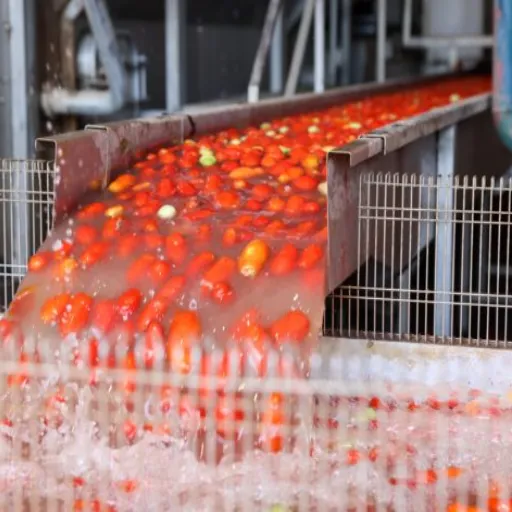
Best Washing Methods
Before using tomatoes, they should be washed in order to assure cleanliness and safety for consumption. A common query searched on search engines is, “What is the best way to wash tomatoes?” Simple, yet effective steps provide the answer.
???? Step-by-Step Washing Process:
- Initial Rinse: Run the tomato under cold water, rubbing gently with your hands to remove dirt or contaminants that might adhere to the surface
- Safety Note: Do not use soap or bleach, as they are not safe to be used with food
- Deep Cleaning: For added cleansing, soak the tomatoes in a solution of three parts water to one part vinegar for several minutes—especially good for stripping away pesticides and bacteria
- Drying: Dry with a clean towel before slicing or processing
Employing these methods ensures that the tomatoes are free from any impurities and ready to go into the dish.
Preparing Tomatoes for Crushing
Go for ripe and blemish-free tomatoes as these will yield the best texture and flavor. After cleaning the tomatoes thoroughly as given above, take off their stems and cores to avoid hard or bitter bits.
???? Preparation Techniques:
Blanching Method (Optional for Skin Removal):
- Briefly boil the tomatoes
- Plunge them into an ice bath to loosen their skins
Crushing Options:
- Food Processor or Tomato Mill: Most efficient method for even texture
- Hand Crushing: For a more rustic form with chunkier texture
This versatility allows crushed tomatoes to fit into all manner of culinary uses, from sauces to soups to stews.
Importance of Cleanliness in Processing
Maintaining cleanliness during tomato processing for safety and quality is of paramount importance. According to the latest data from search engines, safe food preparation has secured the highest degree of importance, since more and more consumers are querying Internet sites related to food safety.
⚠️ Critical Sanitation Measures:
- Proper Washing: Thoroughly wash tomatoes to remove surface contaminants
- Equipment Sterilization: Sterilize all equipment prior to use
- Clean Environment: Maintain a clean working environment throughout processing
- Bacterial Prevention: Protect against Salmonella and E. coli contamination
- Special Attention: Particularly important for products like crushed tomatoes where long cooking times may not be strictly followed
Giving preference to hygiene not only justifies modern culinary standards but also preserves the prime flavors of whatever one is preparing.
Crushing and Pulping Tomatoes
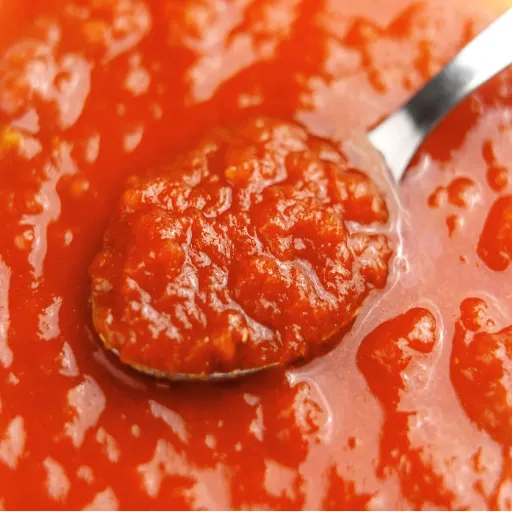
Methods for Crushing Tomatoes
Several methods can be used to crush tomatoes according to the equipment at hand and the required consistency.
???? Pro Tip: As witnessed in frequent search terms, many users seek faster ways to process huge harvests during peak tomato season. For such cases, investing in specialized equipment like juicers with special pulp attachment components or heavy-duty food mills is highly recommended. With proper equipment and technique, maximum flavor and less waste can be achieved.
Methods of Pulping for Tomato Juice
According to latest search data, many users want to know how to make smooth, pulp-free tomato juice while retaining nutrients and flavor. Combining high-power blenders with very fine mesh strainers constitutes the most efficient method.
???? Pulping Process Steps:
- High-Speed Blending: Fresh, ripe tomatoes are blended at high speed to create a liquid consistency
- Straining: Pass the mixture through a very fine mesh strainer or cheesecloth to separate pulp from juice
- Automated Options: Food mills or juicers with pulp separation settings save time while ensuring uniform texture
- Best Results: Use fresh tomatoes straight from the vine for optimal flavor and nutrient density
Choosing the Right Equipment
When attempting to prepare tomato-based recipes or extract juice from fresh tomatoes, it is very essential to choose just the right equipment for the best result.
⚙️ Equipment Selection Guide:
Popular Electric Options:
- Electric juice extractors with advanced pulp separation
- High-power food processors
- Benefits: Fast operation, easy cleaning, preserve natural flavor and nutrients
Sustainable Manual Options:
- Hand-crank food mills
- Benefits: Cost-effective, sustainable, no electricity required
- Decision Factors: Kitchen setup, frequency of use, budget, and sustainability priorities
Pre-heating and Refining Tomato Juice
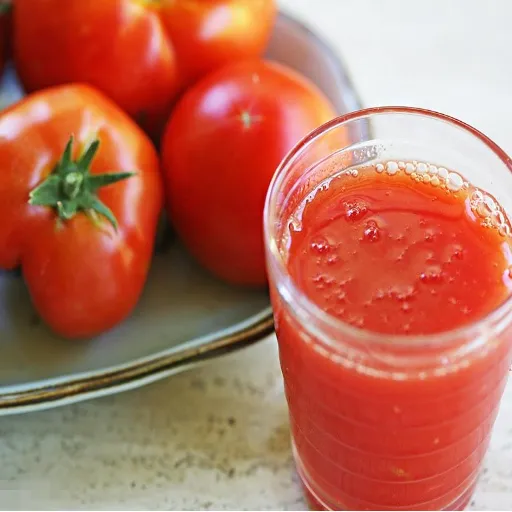
Why Pre-heating Is Essential
Pre-heating of the tomato juice is necessary to ensure safety and quality. Modern search data reports that pre-heating works to inactivate enzymes that cause spoilage and flavor deterioration.
????️ Benefits of Pre-heating:
- Enzyme Inactivation: Prevents spoilage and flavor deterioration
- Color Preservation: Maintains the bright, vibrant color of tomatoes
- Nutritional Value: Preserves important nutrients during processing
- Contamination Prevention: Kills hazardous microorganisms before further processing or storage
- Consumer Appeal: Highly appreciated by home producers who value both freshness and longevity
Refining Processes for Smooth Juice
The refining processes are responsible for imparting a very silky texture to tomato juice. After pre-heating, several techniques can be employed to achieve the desired smoothness.
✨ Refining Techniques:
- Initial Straining: Pass tomatoes through a food mill or fine mesh strainer to remove seeds and skins, leaving only pulp and juice
- Advanced Blending: Use high-power blending or special juicing machines to eliminate remaining fibrous material
- Settling Method: Chill the juice to allow remaining solids to settle at the bottom for easy filtration
- Final Filtration: Remove settled solids to achieve a perfectly smooth texture
When incorporated, these refining procedures will increase the smoothness and texture alongside the culinary pleasure in using the juice for recipes.
Maintaining Nutritional Value
One common question is, “Does the cooking process destroy the nutrients in tomatoes?” According to recent data retrieved from search engines, the answer involves understanding the balance between nutrient preservation and enhancement.
???? Scientific Insight: Research shows that lightly cooking tomatoes may be the best option as it allows for preservation of most nutrients in tomatoes while simultaneously triggering health benefits from lycopene that becomes more bioavailable. For increased retention of nutrition, juice can be prepared from fresh and ripe tomatoes while keeping the cooking time to a minimum, ensuring utmost taste and nutrition.
Pasteurization of Tomato Juice
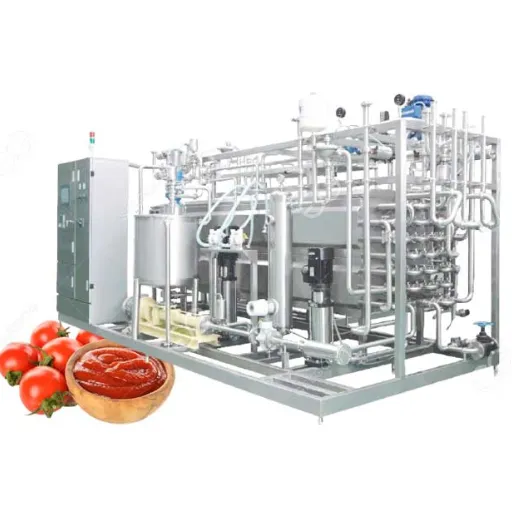
Understanding Pasteurization Methods
Pasteurization of tomato juice is the safety procedure done to extend the shelf life while doing minimal damage to the nutrient content. It requires heating the juice at certain temperatures for certain durations to kill off harmful microorganisms while retaining its flavor and nutritional quality.
| Pasteurization Method | Temperature | Duration | Key Benefits |
|---|---|---|---|
| Batch Pasteurization | 185°F (85°C) | 1-2 minutes | Traditional method, suitable for smaller batches |
| Flash Pasteurization | 200°F (93°C) | 30 seconds | Better preserves heat-sensitive nutrients like vitamin C; recommended for high-nutrition juice |
⭐ Recommendation: Research highlights that flash pasteurization better preserves heat-sensitive nutrients such as vitamin C, which forms the basis for recommending flash pasteurization in producing highly nutritive tomato juice. Through the selection of appropriate pasteurization methods and conditions, safety can be balanced with quality preservation of the juice.
Quality Control During Pasteurization
Quality control during pasteurization must be ensured to protect safety and quality of the final output. It is of utmost importance that temperature and time parameters be strictly monitored because a minute variation can reduce the efficiency of pasteurization.
???? Quality Control Measures:
- Temperature Monitoring: Strict monitoring of temperature parameters throughout the process
- Time Tracking: Precise timing to ensure effective pathogen destruction
- Automated Control Systems: Advanced technology provides uniformity and accuracy
- Real-Time Sensors: Continuous temperature monitoring during pasteurization
- Microbial Testing: Conducted before and after pasteurization to ensure pathogen destruction
- Nutrient Retention: Testing to confirm preservation of beneficial nutrients
According to the latest information from various sources, including top search results, flash pasteurization combined with good quality control is purported to enhance the nutritional value and shelf-life of juice products, emphasizing the blending of recent techniques with established safety measures to yield high-quality nutrient-rich beverages.
Shelf Life and Safety Impact
Talking about flash pasteurization in the context of shelf life and safety, the most recent data from search engines emphasizes the advantages it offers: it kills pathogens of harm and keeps the least nutrient degradation, hence ensuring safety and quality.
???? Pasteurization Benefits:
- Pathogen Elimination: Effectively destroys harmful microorganisms
- Minimal Nutrient Loss: Preserves nutritional content through controlled heating
- Extended Shelf Life: Decreases microbial activity for longer storage
- Reduced Preservatives: Requires minimal chemical preservatives
- Product Integrity: Maintains taste, color, and texture throughout shelf life
- Consumer Safety: Ensures beverages are safe to drink and nutritious
This merge of food safety and shelf life extension retains the credit of being the most sought after pasteurization method in the beverage world.
Aseptic Packaging and Canning Tomato Juice
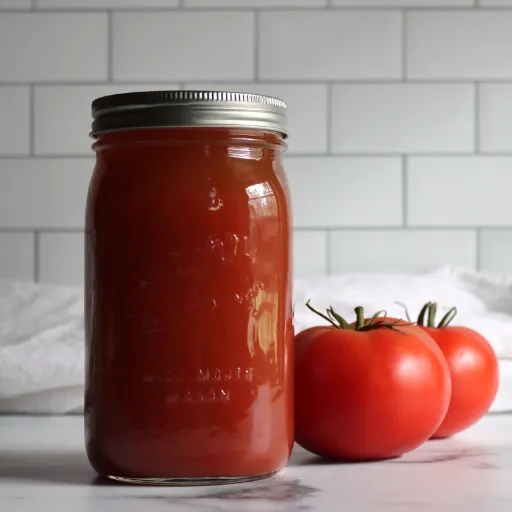
Options for Aseptic Packaging
In the food and beverage industry, aseptic packaging is a state-of-the-art solution to ensure product safety and prolong shelf life without requiring refrigeration. Various options are available for aseptic packaging, each directed toward a different product type and application.
???? Industry Trend: With a recent inflection in demand for aseptic packaging, the spotlight is currently on sustainability and convenience. Search trends reveal that both consumers and manufacturers are prioritizing sustainable practices and innovative packaging methods. This change explains the allure for package designs combining technological functions and environmental responsibility, making flexible aseptic packaging essential in food processing and distribution.
Water Bath vs. Pressure Canning for Tomato Juice
Depending on the acid level and the safety requirements, tomato juice may be water bath canned or pressure canned. Recent search data indicates vigorous consumer interest in the proper and safe home canning processes, especially for high-acid foods like tomatoes.
???? Canning Methods Comparison:
Water Bath Canning
Best For: High-acid foods (tomatoes with added acid)
Process:
- Add sufficient acid (lemon juice or citric acid) to tomato juice
- Bring water to a boil
- Submerge jars for the period required by the recipe
Advantages: Simple method, popular due to ease of use
Pressure Canning
Best For: Low-acid or borderline low-acid tomatoes
Process:
- Uses hot steam under pressure
- Raises temperature to levels that kill all harmful bacteria
- Effectively eliminates Clostridium botulinum
Requirements: Special machinery and careful observation
Safety: The only necessary preservation method for non-acidified tomatoes
⚠️ Safety Note: Search trends reveal growing interest in pressure canning among consumers who desire accurate ways to preserve their produce. While a mild taste difference in favor of fresh-from-the-garden tomatoes remains important, considerations include ingredient choice, taste preferences, and available equipment. For reassurance, many canners prefer pressure canning whenever there is doubt about acidity levels.
Labeling and Storage Tips
In maintaining the quality and safety of home-canned tomatoes, proper labeling and storage play crucial roles. According to the newest data from search trends, many people frequently ask, “How should I label and store canned tomatoes for best results?”
????️ Best Practices for Labeling:
- Label each jar with contents and date of canning
- Include any additional ingredients used
- Use waterproof labels or write on lids with permanent markers
- Ensure information won’t smudge over time
???? Optimal Storage Conditions:
- Location: Cool, dark place such as a pantry or basement
- Temperature: Around 50 to 70 degrees Fahrenheit
- Avoid: Direct sunlight, heat, and moisture
- Shelf Life: Average of 12 to 18 months when properly stored
- Regular Checks: Inspect seals periodically to prevent spoilage
Following the above-listed guidelines will assure you of maintaining your preserved tomatoes’ safety and taste for an extended period.
Frequently Asked Questions (FAQ)
❓ What are the steps to making tomato juice?
Fresh tomatoes must be selected to prepare tomato juice at home. The tomatoes should be washed and cut into quarters before putting them into a large pot over medium heat until they soften. For juice, use a sieve or food mill to process the tomato mixture while removing seeds and skins. If you intend to store the juice, you may want to add two tablespoons of bottled lemon juice to each quart to ensure proper acidity and safety. Pour the tomato juice into sterilized jars, leaving 1 inch headspace. Seal and process in a boiling water canner for 35 to 40 minutes, depending on your altitude.
❓ What is the traditional method to preserve tomato juice via canning?
Canning tomato juice is an excellent means of preserving it. Prepare the juice by cooking and straining fresh tomatoes as described. When filling your jars, remember to add some salt and citric acid per quart for taste and safety. Process jars in a water bath canner for 40 minutes for quarts, observing proper headspace. Refer to the National Center for Home Food Preservation for safe canning practices. This will preserve the enjoyment of homemade tomato juice far beyond the harvesting season.
❓ Can I freeze tomato juice instead?
Freezing tomato juice is another easy way to preserve it besides canning. After the juice is made, it must be cooled completely before pouring into freezer-proof containers, leaving some empty space for expansion. It can also be frozen in pint or quart bags for easier portioning. This method retains most of the fresh flavor, along with its uses in soups, sauces, or drinks. Just remember to put the date on the containers for tracking purposes.
❓ Any recipe notes for homemade tomato juice?
When making your own tomato juice at home, it is best to use a combination of several tomato types to maximize flavor. You may also experiment with spices and herbs to develop your own recipe. If you want the juice to be particularly sweet, a little sugar could be added during the cooking process. In any case, bottled lemon juice or citric acid must always be used as recommended to ensure the canned juice has a safe acidity level. Think about how rewarding it could be to make your own tomato juice, especially if you grow your own tomatoes!
❓ How do you best ensure safe acidity in canned tomato juice?
Proper precautions ensure that an adequate level of acidity exists in canned tomato juice. Add two tablespoons of bottled lemon juice or half a teaspoon of citric acid per pint to the juice prior to processing to prevent growth of harmful bacteria during storage. Acid level is critical for preservation, especially with lower-acid foods like tomatoes. Always follow the directions you find in resources such as the National Center for Home Food Preservation to maintain acidity levels correctly. Furthermore, adjust your processing times for your altitude accordingly.
???? Key Takeaways
- Tomato juice production combines traditional harvesting practices with modern processing technology for optimal results
- The complete process involves: harvesting, sorting, washing, crushing, pre-heating, refining, pasteurization, and packaging
- Cleanliness and sanitation are paramount throughout all processing stages to ensure food safety
- Flash pasteurization provides the best balance of safety and nutrient preservation
- Light cooking enhances lycopene bioavailability while preserving most nutrients
- Choose between water bath and pressure canning based on acidity levels and safety requirements
- Proper acidification is critical for safe home canning of tomato juice
- Sustainable packaging options are increasingly important to both consumers and manufacturers
???? Reference Sources
- Tomato Juice – National Center for Home Food Preservation – Detailed guide providing steps for preparing and canning tomato juice, including washing, trimming, crushing, and processing
- How to Preserve Tomato Juice – Safe Food & Water – Resource explaining how to acidify and preserve tomato juice using canning or freezing methods
- Selecting, Preparing, and Canning Tomatoes – Comprehensive guide on canning tomatoes and tomato juice, including safety tips and step-by-step instructions

GW
Articles: 39

Trending now