Get in touch with Victorystar

How Pineapple Juice Is Made In Factory: The Process of Pineapple Juice Processing

Contents
show
Pineapple Harvesting and Preparation
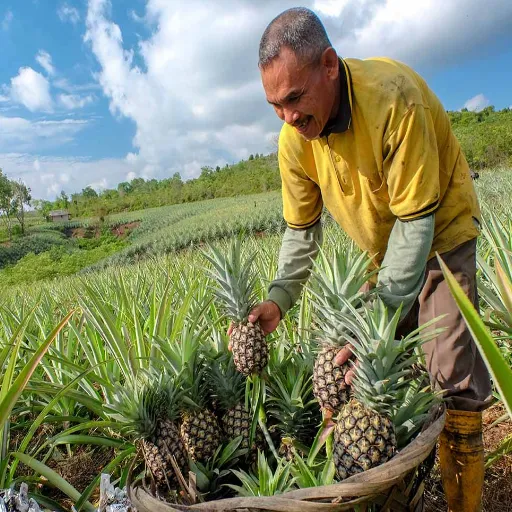
Understanding Pineapple Cultivation
Pineapple cultivation, undoubtedly, starts with placing considerations on proper circumstances. Pineapples basically need tropical-to-subtropical weather with temperature fluctuations between around 20 °C and 30 °C (68-86 °F). The preparation of the soil includes coating it to drain well, being on the sandy side, and enriched with organic matter for the good growth. Pineapple plants are grown largely through the use of crowns, slips, and suckers grown with care in many aspects such as proper spacing and sunlight. Data stay newly emerging and indicate the time a pineapple takes to mature-and that is between 18 and 24 months-from flowering to harvesting, depending on the variety and environment.
While more emphasis is placed on sustainability in pineapple farming, many producers carry out organic practices that include reducing water consumption by way of efficient irrigation. Among the contemporary agricultural advancements, worldwide research stresses farming techniques to increase pineapple yields and pest resistance. These methods produce excellent quality products and also promote environmental sustainability in the long run.
Optimal Growing Conditions:
- Temperature: 68 to 86°F (20 to 30°C) for ideal growth
- Soil Type: Well-drained, sandy texture enriched with organic matter
- Propagation: Using crowns, slips, and suckers with proper spacing
- Maturity Period: 18 to 24 months from flowering to harvest
- Sustainability: Efficient irrigation and organic farming practices
Techniques of Harvesting Quality Fruit
Harvesting of pineapples at the right time ensures good quality and possible sweetness. According to recent data, pineapples should be harvested at the initial onset of a color transition of their external appearance from green to a golden yellow, typically denoting ripeness. Producers generally depend on visual inspection combined with the firmness of the pineapple when deciding on the harvest window. Drone and AI-based monitoring system implementations have been suggested recently for the precise evaluation of maturity, which might end up reducing a lot of waste and maintaining quality. After harvest, proper handling also retains the taste and texture of the fruit—transportation with care and storage under cool temperatures.
| Harvesting Indicator | Method | Technology Used |
|---|---|---|
| Color Transition | Visual inspection for green to golden yellow change | Traditional observation |
| Firmness Test | Physical assessment of fruit texture | Manual testing |
| Maturity Evaluation | Precise assessment of ripeness levels | Drone and AI-based monitoring systems |
From Plantation to Processing Factory
Transporting pineapples from the farm to the processing factory requires planning in the utmost way to keep them fresh and to maintain quality. Pineapples should preferably be transported in ventilated containers to allow free passage of air and to avert excessive heat and ensuing spoilage. Another means of ensuring that the fruit is transported at proper cool temperatures is to use refrigerated trucks of the right temperature, usually about 7-10°C (44-50°F), for maximum uptake. Also, to avoid bruising and damage to the fruit during transport, cushioning materials can be used. According to data available in various search results, there is thus the need for proper coordination of logistics and appropriate monitoring tools such as GPS tracking, to achieve timely delivery and quality control through the supply chain. These methods ensure that pineapple factories constantly receive pineapples suitable for processing at the highest standards.
Transportation Best Practices:
- ✓ Use ventilated containers for proper air circulation
- ✓ Maintain refrigerated temperatures at 7-10°C (44-50°F)
- ✓ Utilize cushioning materials to prevent bruising
- ✓ Implement GPS tracking for real-time monitoring
- ✓ Coordinate logistics to minimize transport time
Pineapple Juice Processing Steps
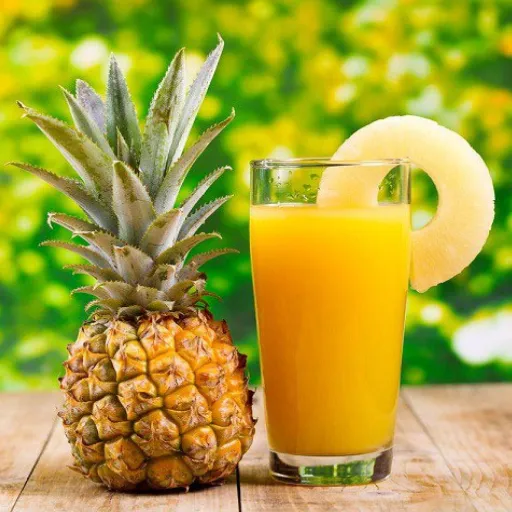
Step 1: Washing and Sorting Pineapples
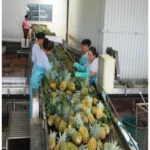
The preparation of pineapple juice begins with the fetching of the fruit and proper cleaning to rid it of any impurities. Washing of the pineapples may involve the use of high-pressure showers or cleaners specially provided for the purpose to remove any dirt, pesticides, or residues on the outer skin. The sorting is also important, whereby pineapples are graded by size, ripeness, and quality so that they conform to standards of processing. According to more recent information, advanced sorting technologies involving AI-powered cameras and sensors are more commonly used to detect defects and carry out fruit sorting with an even greater efficiency. Such automation assures consistency in sorting, reduces wastage, and thus improves the quality of juice procured.
Modern Sorting Technologies:
- High-Pressure Washing Systems: Remove dirt, pesticides, and surface residues effectively
- AI-Powered Cameras: Detect visual defects and assess quality automatically
- Sensor Technology: Grade fruits based on size, ripeness, and quality parameters
- Automated Sorting Lines: Ensure consistency and minimize human error
Step 2: Peeling and Preparation
After the pineapples have been washed and sorted, they go through the peeling process with advanced pineapple peeling machinery. These are heavy-duty machines meant to remove the tough outer jail while trying to retain as much juicy flesh as they can. We all know that modern peeling equipment ensures that very little fruit goes unaccounted for and is scooped up completely. This step needs to run smoothly so that good profit margins can start accumulating, and only the best fruit material can get into juice extraction. The second round of cleaning follows the peeling stage to ensure the complete removal of debris so it can go into extraction.
Step 3: Juice Extraction Methods
The juice extraction is a vital step in the process for making pineapple juice, with regard to the amount and quality of juice obtained. Current methods that are used for extraction are combinations of mechanical pressing with enzymatic treatments. Mechanical methods for extracting juice include crushing and pressing such that maximum juice extraction is guaranteed with least pulp residue. Other treatments that enrich the process are enzymatic treatments, which act in breaking down the cell walls of the fruit to release more juice and impurities.
A frequent concern is production efficiency and quality of the product. The combination of these modern techniques with automated systems powered by AI helps to optimize the extraction process. Those systems may quickly change pressure levels, check enzyme activity, and detect inconsistencies on-the-fly. This achieves better recovery of juice but also helps in retaining natural tastes and nutrients all cherished by consumers, so they end up with a better product.
| Extraction Method | Process Description | Key Benefits |
|---|---|---|
| Mechanical Crushing | Physical breakdown of fruit to extract juice | Maximum juice retrieval, minimal pulp |
| Pressing | Application of pressure to squeeze out liquid | Efficient juice separation from solids |
| Enzymatic Treatment | Enzyme application to break down cell walls | Increased yield and improved clarity |
| AI-Optimized Systems | Automated monitoring and adjustment | Real-time optimization, quality control |
Step 4: Filtration and Clarification of Juice
Filtration and clarification are priority processes while making high-quality juice. It involves suspensions, pulp, and other impurities being separated from clear and attractive styles of juice that sustain the juice’s natural flavor and nutritional values. Modern methods like ultrafiltration and crossflow filtration are used for timely clarification. These systems are fine membrane-bound, allowing for the separation of minute particles adorning non-gross loss of beneficial elements found in the juice. The enzymatic action is complementary to it: it weakens the fibrous material, raises the juice’s smoothness, and increases its clarity. The utmost synergy assures that in appearance, this product will meet consumer expectations of purity and top-level quality for beverages.
Advanced Filtration Technologies:
- Ultrafiltration: Uses fine membranes to remove microscopic particles
- Crossflow Filtration: Prevents membrane clogging through tangential flow
- Enzymatic Treatment: Breaks down fibrous materials for smoother texture
- Membrane-Bound Systems: Retains beneficial nutrients while removing impurities
Juice Processing Equipment
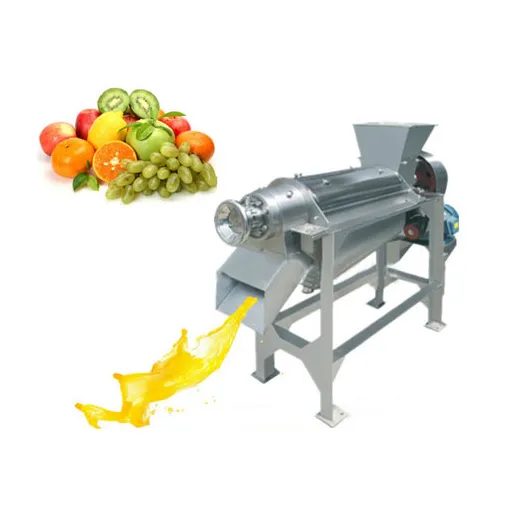
Modern Equipment Used in Juice Extraction
Modern juice extraction consists of many processes, each of which needs specialized equipment for maximum efficiency, quality, and environmental sustainability. Some of the more modern kinds of equipment include:
1. Hydraulic Presses
These machines expel juice with minimum oxidation, imparting natural flavors and nutrients. The process is very useful in the production of cold-pressed juices, which are highly valued for their premium quality and nutritional retention.
2. Centrifugal Extractors
Using centrifugal force, these juicers separate juice from the pulp at high speed and are preferentially used for large-scale production. Their efficiency makes them ideal for high-volume manufacturing operations.
3. Decanter Centrifuges
These are used in clarifying juices by separating suspended solid matter efficiently so as to yield a liquid end-product that is transparent and sufficiently refined.
4. Membrane Filtration Systems
Advanced membranes are used for selective filtration whereby certain impurities are removed while components such as vitamins and minerals are retained, ensuring the final product maintains its nutritional value.
5. Enzymatic Treatment Systems
This particular enzyme application serves for softening fibrous materials so that an increased yield of juice and better clarity may be obtained during extraction.
According to recent search trend data, a rising number of people are searching for sustainable and energy-efficient juice processing equipment. Smart technologies are increasingly used by companies after the incorporation of sensors and AI for monitoring and controlling the juice-extraction process. These innovations help in waste reduction, lowering energy consumption, and ensuring greater consistency in the product itself, thus respecting the consumer’s need for high-quality drinks and the industry’s goal to go environment-friendly.
| Equipment Type | Primary Function | Production Scale | Key Advantage |
|---|---|---|---|
| Hydraulic Presses | Cold-press extraction | Medium to large | Minimal oxidation |
| Centrifugal Extractors | High-speed separation | Large-scale | Rapid processing |
| Decanter Centrifuges | Juice clarification | Industrial scale | Clear, refined product |
| Membrane Filtration | Selective filtration | All scales | Nutrient retention |
| Enzymatic Systems | Fibrous breakdown | All scales | Increased yield |
Pasteurization—What It Is and Its Role in Juice Processing
In reality, pasteurization is essential in juice preparation to assure that the product is safe for consumption and has a longer storage life. It is a heat treatment by which microorganisms that constitute health hazards or contribute to spoilage of juice, such as bacteria, yeasts, and molds, are inactivated. According to the latest data, search query trends point to increased interest in the so-called “cold pasteurization” or similar processes, such as High-Pressure Processing (HPP), which preserves nutrients and flavors more than would conventional thermal methods. Consumers, therefore, associate these processes with natural or minimally processed beverages. Hence the juice manufacturers are able to produce juices that are safe, of good quality, and nutritious through pasteurization partnered with modern technological means.
Comparison: Traditional vs. Modern Pasteurization
| Method | Approach | Nutrient Retention | Flavor Preservation |
|---|---|---|---|
| Traditional Thermal | Heat treatment | Moderate | Good |
| High-Pressure Processing (HPP) | Cold pasteurization | High | Excellent |
Quality Control Measures in Juice Production
On quality control, juice production is given paramount importance for product safety, consistency, and consumer satisfaction. According to the latest thinking, ever-increasing importance is being given to transparency and indisputable quality assurance by consumers in the arena of food and beverage manufacturing. Correspondingly, juice producers have taken such steps as would satisfy those expectations.
Key strategies have been identified to include microbial testing to detect pathogens, strict pH monitoring, and filtration techniques for the removal of impurities. With the rising acceptance of HPP processes, the interest now lies in retaining the natural flavors and all nutrients of the juice while delivering microbial safety. When traceability systems are introduced into this picture, digital platforms are utilized to offer end-to-end tracking of ingredients, from source right through to the final product. These advances in quality control make for compliance with very strict safety standards and go a long way in cultivating trust among health-conscious consumers who desire high-quality, minimally processed juices.
Essential Quality Control Measures:
- Microbial Testing: Regular screening for pathogens and harmful bacteria
- pH Monitoring: Strict control of acidity levels for safety and taste
- Filtration Analysis: Verification of impurity removal effectiveness
- HPP Validation: Ensuring proper application of high-pressure processing
- Digital Traceability: End-to-end tracking from source to final product
- Nutritional Testing: Verification of vitamin and mineral content
Final Stages of Pineapple Juice Production
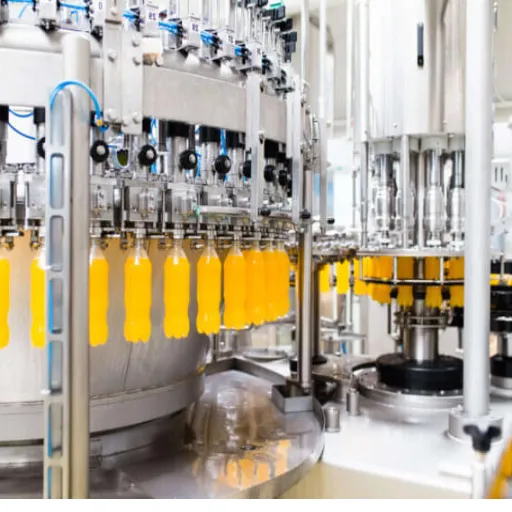
Packing and Packaging Techniques
In modern pineapple juice packing, techniques are used mainly for preservation and sustainability. Upon processing and filtering the product, it is poured into sterilized containers in airtight conditions so that there may be no compromise in freshness and possible contamination of the product. Usually, the packaging considered includes glass bottles, which are recyclable and also retain the fresh taste of the juice, and aseptic cartons, which could extend the life of the product without being in a refrigerated state. With the increasing awareness about the environment, lots of packaging companies are now shifting to biodegradable or eco-friendly packaging materials to cut carbon footprints.Moreover, improvements in vacuum sealing and tamper-evident caps add to the security of the product during transport and storage. All in all, the efforts combine efficient, safe, and sustainable packaging of the product to uphold commercial and consumer values.
| Packaging Type | Key Features | Environmental Impact | Shelf Life |
|---|---|---|---|
| Glass Bottles | Recyclable, retains fresh taste, premium appearance | Highly sustainable | Moderate |
| Aseptic Cartons | No refrigeration needed until opened, lightweight | Moderate | Extended |
| Biodegradable Materials | Eco-friendly, compostable, reduces carbon footprint | Highly sustainable | Variable |
| Vacuum-Sealed Containers | Airtight, tamper-evident, prevents contamination | Moderate | Extended |
Storage & Distribution of Pineapple Juice
Storage and transportation for this product must be done following proper procedures to maintain pineapple juice’s quality. Industry insiders are of the opinion that once chilled, an optimum temperature range of 32°F to 40°F (0°C to 4°C) must be maintained for keeping it away from spoilage. Contrarily, shelf-stable items sit at normal room temperature until they get opened due to the application of improved packaging techniques such as aseptic processing.
This distribution system aims at avoiding delays as well as exposure to extreme temperatures. Some are insulated, and refrigerated trucks are common to ensure juice integrity during transport. On the other hand, the consumer’s concern for sustainable distribution methods emerged, and companies today Initiated resolving this problem by optimizing delivery routes and using a vehicle that’s powered by renewable energy.
Using best practices and modern technology, producers strive to stay environmentally conscious all along the way until consumers receive the pineapple juice.
Storage and Distribution Guidelines:
- Temperature Control: Maintain chilled products at 32-40°F (0-4°C)
- Insulated Transport: Use specialized containers to maintain temperature integrity
- Refrigerated Vehicles: Deploy temperature-controlled trucks for distribution
- Route Optimization: Minimize delivery time and fuel consumption
- Renewable Energy: Adopt eco-friendly vehicles for sustainable distribution
- Real-Time Monitoring: Track temperature and location throughout the supply chain
Ensuring Freshness and Shelf Life
Freshness and shelf life are very critical aspects for maintaining the highest quality standards and providing consumers with an opportunity to enjoy such quality products. To achieve such goals, producers have instituted protective instruments and specific quality control measures. One of the oldest and most effective methods is pasteurization; it eliminates unwanted contamination while preserving the juice’s inherent taste. Another method to increase the shelf life is airtight sterile packaging such as Tetra Paks that prevents air intrusion and contaminants from getting in.
Based on recent search data, many consumers often inquire about optimal storage methods for pineapple juice. For this reason, one ought to store the unopened juice bottle in a cool, dark place away from sunlight. Once opened, keep it under refrigeration and consume within 7 to 10 days to ensure good quality. Given an integrated approach comprising innovative processing and storage instruction, producers align with both industry technical requirements and consumer expectations.
Tips for Maintaining Juice Freshness:
- Store unopened bottles in cool, dark places away from direct sunlight
- Keep temperature consistent to prevent quality degradation
- Refrigerate immediately after opening
- Consume opened juice within 7-10 days for optimal quality
- Check expiration dates and best-before labels regularly
- Use clean utensils to prevent contamination when pouring
Frequently Asked Questions (FAQ)
How is pineapple juice made in a factory?
There are production processes involved in processing pineapple juice by the factory. Accordingly, fresh fruits are received, inspected, and sorted so that only premium-grade pineapples feed the processes. The pineapples are then peeled utilizing advanced pineapple peeling machinery so that only the outer skin is taken off while maximum retention of the juicy flesh of the pineapple occurs. The peeled pineapples are crushed to extract the juice, sterilized to prevent the growth of any harmful bacteria, and then sent through an automated filling procedure into containers to keep the fresh state, and they are ready to be shipped after that.
How is pineapple juice processed on a production line?
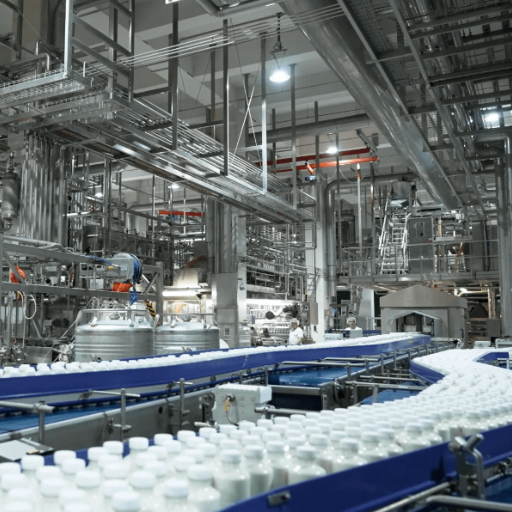
Pineapple juice processing on a production line is a well-orchestrated arrangement. The production lines are equipped with high-tech machinery that automates much of the work from peeling to juicing. After peeling, the pineapples are thoroughly washed for cleaning purposes. Juice extraction takes place in huge juicing machines which work on several pineapples at a time so as to have a quick and uninterrupted flow. After juice extraction, it is then filtered and pasteurized so as to increase its shelf life and make it safe for consumption.
What equipment is used in pineapple juice processing?
Owing to so many required steps, the whole juice processing line needs many different machines that work to increase efficiency and quality. Of major importance are pineapple peelers, juicers, and sterilizers. First, the peelers remove the hard outer shell of the fruit; the juicers finally separate the juice from the pulp. The pasteurizers are then used run after pasteurization to kill any pathogens that might harm human consumption. They are then filled with juice for sale by automated filling and packaging systems.
Do pineapple juice factories offer tours that show the making of pineapple juice?
Certainly, several pineapple processing plants offer factory tours to the curiosity of visitors in the workflows of juice production. Such tours give the opportunity to look at the whole procedure-from when the fresh fruits arrive to the packaging of the product itself. Visitors are made conversant with the machines in operation and see all processes involved that assure best production of pineapple juice. These tours sometimes end with tastings, when visitors get to taste some juice that is extracted and bottled right away.
What is the need for sterilization in pineapple juice processing?
Sterilization is critically relevant in pineapple juice making, for it ensures the safety of the consumption of the juice and also extends the existing shelf life. This process entails heating the juice to a defined temperature by which any form of bacteria or harmful enzyme that could spoil the product would be killed or inactivated. This step is very important to maintain the quality and freshness of the juice so that it can be stored and kept for longer without deterioration. If done well, sterilization safeguards consumer health and also elevates juice quality, therefore being a very important part of the juice manufacture process.
Complete Production Flow Chart
| Stage | Process | Equipment/Method | Purpose |
|---|---|---|---|
| 1 | Harvesting | Manual/drone monitoring | Select ripe, quality pineapples |
| 2 | Transportation | Refrigerated trucks (7-10°C) | Maintain freshness during transit |
| 3 | Washing & Sorting | High-pressure washers, AI sensors | Remove impurities, grade by quality |
| 4 | Peeling | Automated peeling machines | Remove skin, preserve flesh |
| 5 | Juice Extraction | Hydraulic presses, centrifugal extractors | Extract maximum juice yield |
| 6 | Enzymatic Treatment | Enzyme application systems | Break down cell walls, increase yield |
| 7 | Filtration & Clarification | Ultrafiltration, crossflow systems | Remove particles, clarify juice |
| 8 | Pasteurization | Heat treatment/HPP systems | Kill microorganisms, ensure safety |
| 9 | Quality Control | Laboratory testing, pH monitoring | Verify safety and quality standards |
| 10 | Packaging | Automated filling, aseptic packaging | Preserve freshness, prevent contamination |
| 11 | Storage | Temperature-controlled warehouses | Maintain product integrity |
| 12 | Distribution | Refrigerated trucks, optimized routes | Deliver fresh product to consumers |
Reference Sources
- Pineapple Juice Concentrated by Osmotic Evaporation
This paper discusses the process of concentrating pasteurized pineapple juice using osmotic evaporation techniques for enhanced quality and shelf stability.
- Enzymatic Added Extraction and Clarification of Fruit Juices
This document provides insights into enzymatic processes used in fruit juice extraction and clarification, which are relevant to pineapple juice production.
- Fruit Juice – Visual Encyclopedia of Chemical Engineering
This source explains the general processes involved in fruit juice production, including milling and extraction methods applicable to pineapple processing.
Key Takeaways
- ✓
Factory pineapple juice production involves 12 distinct stages from harvesting to distribution, each critical for quality. - ✓
Advanced technologies like AI-powered sorting, automated peeling, and enzymatic treatments maximize efficiency and yield. - ✓
Modern pasteurization methods, including HPP, preserve nutrients and flavors while ensuring microbial safety. - ✓
Sustainable practices in cultivation, processing, and packaging address environmental concerns and consumer demands. - ✓
Quality control measures including microbial testing, pH monitoring, and digital traceability ensure product safety. - ✓
Temperature-controlled storage and distribution maintain juice integrity from factory to consumer.

GW
Articles: 39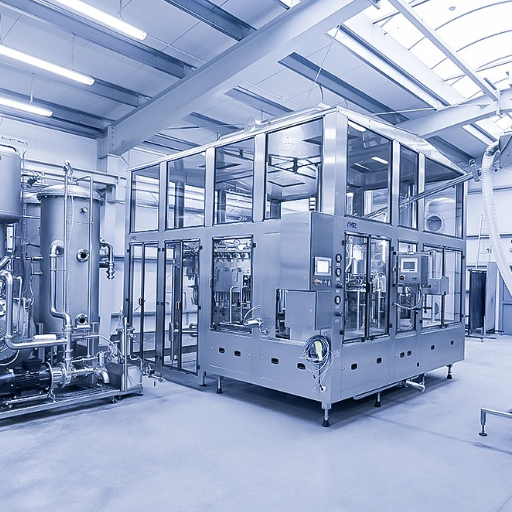
Trending now