Get in touch with Victorystar

How Is Orange Juice Processed: Understanding the Journey from Orchard to Glass

Contents
show
Discover the fascinating transformation of fresh oranges into your favorite morning beverage
They say from the zest of unripe oranges to the simple joy of drinking orange juice, it is a marvelous process wherein colorful fruits are transformed into one of the most cherished beverages in the world. Besides this lie the intricacies of a carefully choreographed process, matching the working of immediacy from nature with applied science and technology. Let’s take you behind the scenes to know the process of making orange juice full of flavor, nutrients, and freshness. So just get ready to dive into that long chain coming from the orchard all the way to your kitchen counter, less the shed light on how these oranges are harvested, how exactly the juice extraction occurs, or how does it remain fresh-tasting.
The Journey of Orange Juice
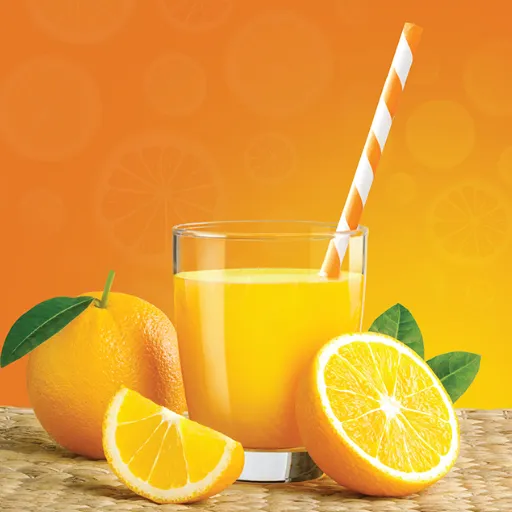
An Overview of Orange Juice Production
Orange juice production is a marvelous process in which traditional agricultural techniques are blended with cutting-edge technologies to fulfill worldwide demand. The production starts with oranges being carefully cultivated and then harvested by hand in Brazil and Florida, the two world centers of orange production. From these sites, the oranges are moved into plants where they undergo stringent cleaning and quality checks.
Modern machinery is then used to extract the juice, profiting from every ounce of juice while keeping the passage efficient between removal of the juice, peel, and pulp. The juice is then pasteurized to kill bacteria and give it shelf life while maintaining nutritional texture as opposed to storage nutrients. For concentration, the orange juice is stripped of water through the evaporation process, which reduces the volume for easy storage and transportation. Water is usually added back to the concentrate at the distribution centers prior to packaging.
???? Modern Industry Trends
Recent data indicate a marked change in demand, with customers increasingly favoring sustainably sourced orange juice. Consequently, producers are practising eco-friendly methods, mainly diverting water in processing or using renewable energy in their facilities.
Besides, the popularity of freshly-squeezed, non-concentrated juices has been increasing with health-conscious trends, and this reflects a demand for pure, minimally processed juice. The interplay among natural harvesting, modern technologies, and consumer-driven innovations guarantees that every glass of orange juice is fresh, sustainable, and flavorful.
The Importance of Quality in Juice-making
Juice quality is vital. It is a huge factor in taste, but bigger in human consumerism of retail power concerning health and environmental sustainability. From recent analytics brought forward by trends and reports, it has been evident that there is an upswing in interest concerning search terms such as “cold-pressed juice”, “organic juice”, and “sustainable juice practices.” Consumers have begun to research products with natural ingredients over artificial ones, with an increased focus on eco-friendly production.
✓ What High-Quality Juice Entails:
- Minimal processing time from harvest to bottle
- Advanced processing technology to retain nutrients
- Little to no preservatives in the final product
- Transparent sourcing that builds consumer trust
Key Processes of Orange Juice Production
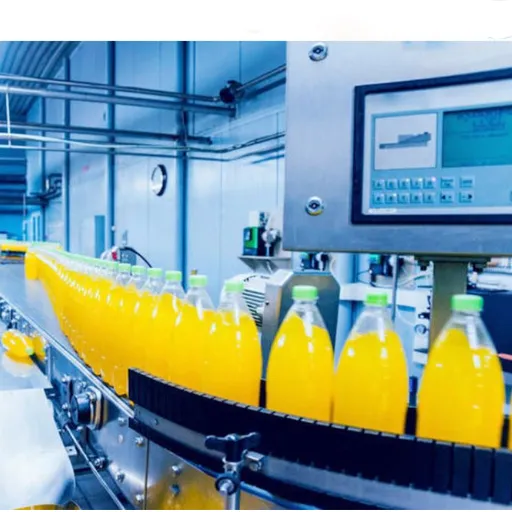
The production of orange juice is subjected to and undergoes very basic procedures to maintain a high-quality product worthy of consumers’ expectations. First, ripe oranges are carefully hand-picked usually during their respective peak seasons to have the optimal flavor and nutrient content. On being fetched, the citrus fruit is transported to respective plants where it is washed thoroughly and graded for quality.
The process of juicing is basically the extraction of juice from the fruit by mechanical means that preserve the pleasure of the natural taste and nutrient profile. Some of the more modern technologies, such as pasteurization, kill the harmful micro-organisms, preserving the freshness of the juices. Further processing by concentration and freezing might be utilized for those juices to enhance a longer storage life, hence shipping into broader markets.
???? Consumer Concerns & Industry Response
Via recent consumer search data, people mainly concern themselves about preservatives and additives in orange juices. Many brands are working toward this transparency by:
- Minimizing preservatives in their formulations
- Offering 100% pure juice options
- Retaining natural flavor and appeal to health-conscious buyers
Innovations like these combine convenience with quality, meeting the expectations set by the modern consumer.
Harvesting and Initial Processing
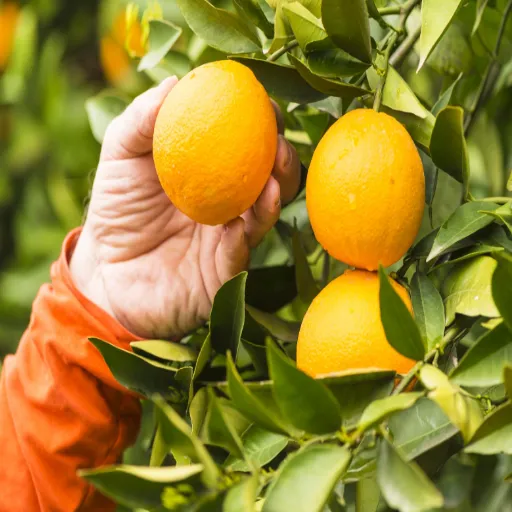
Selecting the Right Orange from the Orange Tree
Choosing the right oranges for juice production has great bearing on flavor and quality. According to studies on consumer search data, many consumers are interested in how selection affects the finished product.
???? Key Factors in Orange Selection:
| Factor | Importance |
|---|---|
| Ripeness | Indicated by color and firmness; ensures optimal juice content with minimal bitterness |
| Juice Content | Higher juice content means better yield and efficiency |
| Sweetness | Determines the natural taste profile without added sugars |
| Variety | Valencia oranges are preferred for their sweet taste and excellent juice content |
If all these factors are considered during the harvest, producers will allow the consumers to expect the true natural taste and nutritional value of their juice.
Harvesting for the Optimum Quality of Juice
To attain the best standards in juice production, employing advanced harvesting methods becomes imperative. Harvesting time is of utmost importance as far as consideration for picking assures that oranges are plucked at least attained their peak ripeness to maximize sweetness and satisfy flavor requirements.
???? Modern Harvesting Approaches:
- Precision Agriculture: Using satellite images and monitoring soil conditions across orchards helps chart crop health and determine the best harvest time
- Handpicking: Remains the choice for highest-grade juice, ensuring minimal damage and retaining natural nutrients and fruit integrity
- Gentle Mechanical Harvesters: Slowly being accepted as an in-between option that produces fast results without compromising quality
By juxtaposing more traditional methods against technology-driven ones, producers ensure the fruits maintain their natural character yet with great efficiency, ready to satisfy the ever-growing consumer demand for fresh and flavorful juice.
Initial Sorting and Cleaning of Oranges
Sorting and cleaning the initial oranges are crucial steps in the production of high-quality orange juice. The inspection seeks to weed out any fruit that is damaged, unripe, or overly ripe; such fruits affect the flavor and consistency of the juice.
⚙️ State-of-the-Art Sorting & Cleaning Technologies:
- Optical Scanners: Quickly identify and discard fruits that don’t measure up to quality standards
- Machine Vision Systems: Advanced technology to sift through large volumes efficiently
- Water Washing/Spraying: Removes dirt, pesticides, and surface residues
- Food-Safe Detergents: Followed by thorough rinsing for hygiene
- Eco-Friendly Solutions: Water-recycling systems maintain hygiene while supporting sustainability
When combined with rigorous sorting and cleaning technologies, producers get the assurance that only the best oranges enter the juice-making process, starting the way to superior juice.
Juice Extraction Techniques
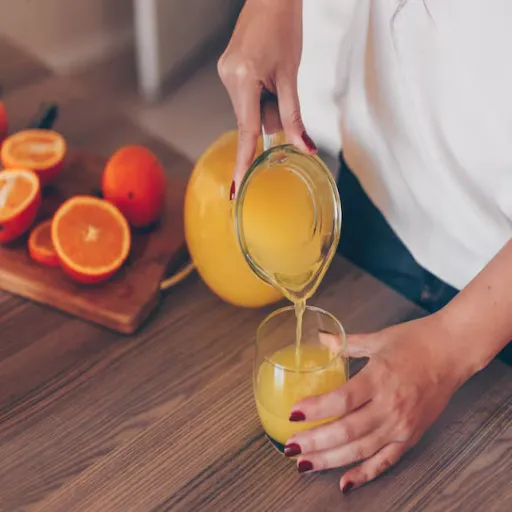
Methods of Juice Extraction in Processing Plants
Modern juice extraction methods in processing plants use advanced technology with the foremost aim of providing efficiency-oriented quality and minimum waste. Two main processes are mechanical extraction and enzymatic extraction.
| Extraction Method | Process | Benefits |
|---|---|---|
| Mechanical Extraction | Uses juice extractors, presses, or reamers to squeeze juice from pulp | Fast, reliable, ideal for high-volume production |
| Enzymatic Extraction | Applies natural enzymes to break fruit cell walls | Increases juice yield, maintains nutritional value |
| Cold Pressing | Prevents oxidation and heat exposure during extraction | Retains vitamins, minerals, and natural flavors for premium juice |
???? Innovation Spotlight: In some plants, automation and AI-based systems are installed to check fruit quality, maximize extraction rates, and minimize energy consumption. These innovations create value based on consumer need for fresh, sustainable, and high-quality juice products.
Understanding Pulp and Its Role in Orange Juice
Pulp consists of little fibrous chunks coming from the orange’s flesh in the process of making juice. Pulp is vital for texture, taste, and nutritional value of the juice. According to the latest search data, consumers are often found asking if pulp has any health benefits.
???? Health Benefits of Pulp:
- Dietary Fiber: Assists in digestion and promotes satiety
- Natural Antioxidants: Contains flavonoids that enhance immunity and cell health
- Authentic Experience: Attracts consumers seeking a healthy and pure drinking experience
Note: Personal preference separates opinions, with some preferring the smoothness of pulp-free juice for ease of drinking.
Juice vs. Orange Concentrate: What’s the Difference?
The main distinction between orange juice and orange concentrate is in their processing methods and freshness. Fresh orange juice is obtained straight from the orange and put through very little treatment so the natural taste and nutrient profile remain. Being very rich in natural vitamins, minerals, and enzymes, it is most favored by health-conscious consumers.
On the other hand, orange concentrate goes through the extra process of dehydration to form a condensed variety of juice. This concentrate is stored and shipped in the best manner since it occupies less space and has a longer life span. Water is added back to the concentrate before consumption to simulate regular juice.
Search data reveal a high number of searches on how vitamins fare in the retention comparison between the two, with fresh juices having a slight advantage over concentrates with vitamin C. But both options are open for being part of a healthy diet, depending on individual preference, priority, or availability; hence it rests upon personal choice.
Quality Control and Testing
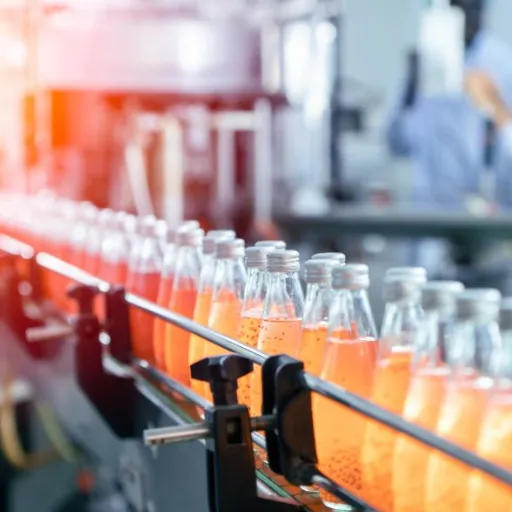
Ensuring Safety and Quality in Orange Juice Processing
Orange juice processing needs to be observed with respect to the highest safety and quality standards. Consumer awareness regarding nutritional queries between fresh juice and concentrate is on the rise. The most common questions, according to recent search data, have to do with whether orange juice from concentrate is of the same safety and quality standards as fresh juice.
???? Quality Assurance Standards:
- Pasteurization: Juice samples are pasteurized to eliminate pathogens
- Regular Testing: Continuous testing for contamination throughout production
- Regulatory Compliance: Adherence to food safety rules and standards
- Nutrient Preservation: Advanced processing techniques reduce nutrient losses
- Transparency: Clear communication builds consumer trust and confidence
While fresh juice may retain slightly more vitamins, like vitamin C, juice from concentrate is another safe, convenient, and nutrient-filled choice for consumers. Addressing these issues transparently builds consumer trust and confidence.
Laboratory Testing of Juice Purity
Laboratory testing is essential in preserving the purity and safety of juices as it works to analyze various compositions and identify potential contaminants in them. Modern methods permit very precise measurements in juice components like sugar, vitamins, and organic acids.
???? Advanced Testing Technologies:
- HPLC (High-Performance Liquid Chromatography): Precise measurement of juice components
- MS (Mass Spectrometry): Identifies potential contaminants and adulterants
- Spectroscopic Analysis: Quickens assessment processes
- Molecular Analyses: Detects excess sugars, synthetic chemicals, and other impurities
By utilizing these technologies, expert producers can support claims of product authenticity and provide more transparency to the supply chain.
Impact of Quality Control on Commercial Orange Juice
The perception and marketability of commercial orange juice largely rest on quality control. It should assure consumers that the finished product always meets the safety, nutritional, and flavor standards that they desire and require.
???? Consumer Demand Trends:
- More consumers are demanding traceability in their food products
- Growing search trends for “natural” and “pure” orange juice
- Advanced technologies confirm juice authenticity and prevent adulteration
- Companies investing in quality control build consumer confidence while meeting regulatory standards
With regard to building a more health-aware and more informed consumer base, companies investing in quality control processes may seize the confidence of these customers in addition to complying with the regulatory standards.
Packaging and Distribution
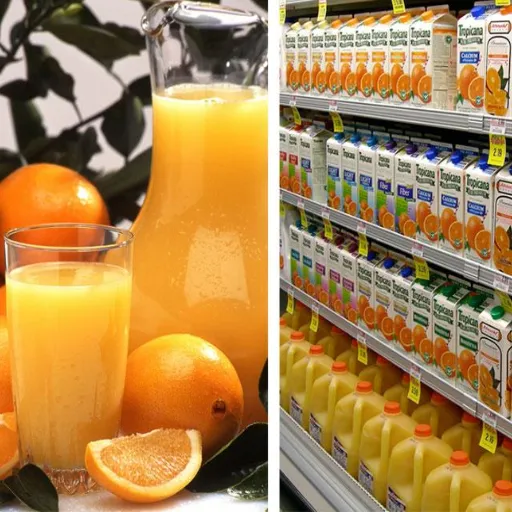
Packaging for Freshness and Shelf-life
Innovative methods of packaging have been developed so that orange juice can retain its freshness and shelf life. Aseptic packaging and vacuum sealing are the methods used in order to prevent exposure of the juice to air and contaminants, thereby preserving the juice’s nutrients and flavor.
The search data also shows a steady rise in curiosity for “cold-pressed juices,” pinpointing quality maintenance as a requisite through minimal processing. Packaging systems that support cold chain logistics—bin systems with insulation or state-of-the-art cartons with barrier layers—are crucial in maintaining consumer expectations of final products that are considered “fresh” and “unadulterated.”
⚡ Strategic Insight: Producers’ strategy combines airtight packaging tempered with temperature control to confirm the dual demands of consumers: longer shelf life and “natural” juice have taken forefront in consumer marketing decisions.
Distribution Channels for Orange Juice
Minute Maid and several other reputed companies in the orange juice industry use multiple distribution channels, ensuring optimal distribution to consumers:
???? Primary Distribution Channels:
1. Retail Outlets
- Supermarkets and general merchandise outlets (Walmart, Target)
- Major food outlets with high consumer traffic
2. Convenience Stores
- Critical for single-serving formats and on-the-go consumers
3. Online Shopping Platforms
- E-commerce portals such as Amazon
- Direct-to-Consumer (D2C) platforms
- Subscription-based services and home delivery facilities
4. Food Service Sector
- Restaurants and hotels
- Institutional buyers with bulk quantity requirements
5. Local & Sustainable Channels
- Partnerships with local retailers
- Farmers’ markets for eco-conscious consumers
Recent research information shows the emerging importance of local supplies and sustainability in consumer thinking. This trend has thus seen companies such as Minute Maid explore partnerships with local retailers and farmers’ markets to target the eco-conscious consumer directly. Companies are changing their systems of distribution to try and cater to these demands so as to have an ability to adapt to changing consumer preferences as well as to increase market reach.
Marketing and Selling Orange Juice to Consumers
An analysis of recent trends has shown a surge in searches regarding health-conscious product choices, local sourcing, and environmentally sustainable options. To assure that manufacturers market and sell orange juice aligned to these trends, they should strive for transparency and quality.
???? Effective Marketing Strategies:
| Target Audience | Key Messaging |
|---|---|
| Health-Conscious Buyers |
|
| Eco-Conscious Consumers |
|
| Community-Focused Buyers |
|
As the interests of consumers grow, brands that get out ahead with messaging will be looked on as trusted choices in an increasingly competitive marketplace.
Frequently Asked Questions (FAQ)
❓ How is orange juice made from oranges?
Normally, producers pick ripe fruits of an appropriate kind and quality for the orange juice. Next comes the washing of the fruit to make sure that there is no dirt on it. The whole fruit is used in extracting juice, a process carried out in commercial plants where the oranges are simultaneously squeezed and the juice separated from the pulp. Pasteurization stages may then follow juice extraction, with the purpose being to kill bacteria and offer some stability in shelf life. Fresh juice can be enjoyed immediately, while some undergo further processing into merchant frozen concentrated orange juice.
❓ What is the process of extracting orange juice?
Juice extraction takes juice from fruits. The process entails washing the oranges and sorting them by quality. Then, fruit is cut and pressed to liberate juice. Some processors try to segregate pulp and juice so as to clarify it. Thereafter, the juice is loaded into containers and may be heated for pasteurization to guarantee safe drinking, or it may be stored chilled. The juice is stored for the purpose of selling it as fresh orange juice or is frozen into concentrates for further uses. All steps are taken to retain the taste of the orange and the nutritional value of the natural orange juice.
❓ What happens during pasteurization of orange juice?
Like other food product systems, pasteurization subjects OJ to heating for destroying any harmful organisms and thereby preserving the flavor and nutrients of juice. This step makes the juice safe for consumption and extends the shelf life. The juice manufacturers usually use a process of keeping the juice at a certain temperature for a definite time to destroy any harmful microorganisms. Upon pasteurization, the juice is then instantly cooled down to maintain its taste and nutritional value. Through this method, premium orange juice can be prepared to keep for a much longer time and still retain the fresh taste.
❓ How is orange juice stored and transported?
Once the juice has been extracted and pasteurized, the storage and transportation of the juice must be performed with care in order to maintain its quality. The usual practice is to keep juices in refrigerators so as to avoid spoilage and maintain freshness. Producers may freeze the juice for greater-duration storage, in which case it becomes frozen concentrated orange juice, which is later reconstituted for drinking. During transit, good temperature control is imperative for flavor retention and nutritional value—to prevent any degradation. On the juice side, manufacturers ensure that packaging is sealed from air ingress so that contaminants may not enter and the original qualities of the juice can be maintained.
❓ What are the different orange varieties used for juice production?
In juice making, numerous varieties of oranges are used, often for wont of the differing taste assortment that gives the intricate variations to the taste of the juice. Valencian oranges are famous in localities for their sweetness and huge juice-extracting capacities. Whereas Navel oranges are appreciated for the easy peeling and eating. These varieties, each endowed with different characteristics, are distilled into a single product, actually influencing the taste and content of the juice. Most of the time, juice manufacturers mix different varieties of oranges to obtain an average flavor to enlist the consumer. The study of orange varieties assists producers in crafting better-quality juices that satisfy market demand.
???? Key Takeaways
- Orange juice production combines traditional agricultural practices with modern technology to deliver quality products worldwide
- The journey from orchard to glass involves critical stages: harvesting, sorting, extraction, pasteurization, packaging, and distribution
- Quality control and testing ensure safety, purity, and nutritional value throughout the production process
- Consumer preferences are shifting toward sustainable, minimally processed, and transparently sourced juice products
- Both fresh juice and concentrate offer safe and nutritious options, each with distinct advantages
- Innovative packaging technologies preserve freshness while addressing environmental concerns
- The industry continues to evolve by embracing eco-friendly practices, advanced technologies, and consumer-driven innovations
???? Reference Sources
- New Juice Process Takes The Pulp Out Of Fruit Juices – University of Florida research on clarifying fruit juice, including orange juice, to produce clear, pulp-free products
- UGA FoodPIC Partners with Industry to Make the Perfect Orange Juice – Innovative methods for improving the quality of high-acid fruit juice production
- RGP-Explore – UF Research – University of Florida publication detailing a continuous process for orange juice production using pressurized carbon dioxide

GW
Articles: 39
Trending now