Get in touch with Victorystar
Best Bottle Water Production Line for sale
The most advanced automation, coupled with precision engineering, is aimed at achieving peak efficiency and quality.
Washing, filling, and capping are integrated into one compact machine, which saves space, minimizes risks of contamination, and guarantees synchronized movement for uninterrupted operations.
Systems with HEPA-filtered air curtains, UV-C tunnels, and enclosed filling environments eradicate 99.97% of airborne microbes and airborne contamination threats.
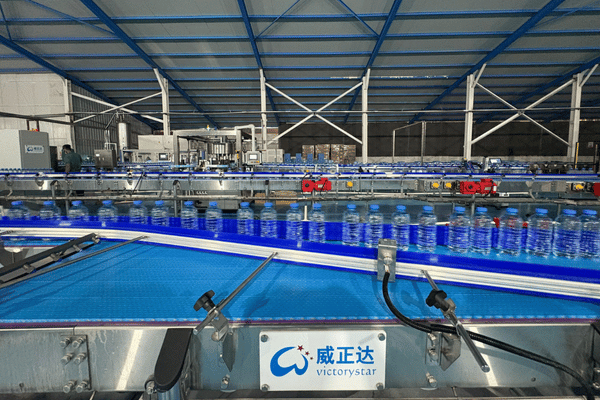
Micro-negative pressure filling with electromagnetic flow meters has variable volume precisions of ±0.5% and a margin of error of less than 0.1%, thus ensuring consistency in quality.
Adapt to different formats in less than 30 minutes with no tools required. Minimize downtime with maximum flexibility while processing container sizes from 200ml to 5 gallons.
Bottled Water Production Line Solving Your Production Challenges
Transform operational pain points into competitive advantages
Over-reliance on manual processes is the root cause of high labor costs, disproportionate human errors, and eroded consistency and profitability. 、
✓ Our Solution: Total Automation: Achieving 99.8% fill accuracy, continuous automated operations result in labor cost reductions of 40%.
Production halts and delivery delays are pricey outcomes of equipment downtime and maintenance complications.
✓ Our Solution: Predictive Maintenance: Armed with diagnostics and IoT monitoring, maintenance costs can be reduced by 35% while preventing unscheduled downtime.
Inconsistent manual oversight produces divergent quality outcomes and failure to satisfy large orders consistently.
✓ Our Solution: Real-Time Quality Control: Automated sensors and IoT systems eliminate 80% of quality control inconsistencies over manual checks.
37% of contamination occurs between the fill station and the sealer; this is a high probability of a recall and damage to the brand.
✓ Our Solution: ISO Class 5 Environment: Controlled, sterile production environments with multi-barrier contamination control help reduce recall incidents by 64%.
Water Bottling Production Line Technical Specifications
| Category | Small Scale (2,000-12,000 BPH) | Medium Scale (12,000-24,000 BPH) | Large Scale (24,000+ BPH) |
|---|---|---|---|
| Production Capacity | 2,000-12,000 BPH | 12,000-24,000 BPH | 24,000-36,000+ BPH |
| Bottle Volume Range | 200ml - 2000ml | 200ml - 2000ml | 200ml - 5000ml |
| Fill Accuracy | ±0.5% | ±0.3% | ±0.2% |
| Machine Power | 4-8 kW | 8-15 kW | 15-25 kW |
| Air Pressure | 0.6-0.8 MPa | 0.6-0.8 MPa | 0.6-0.8 MPa |
| Water Consumption | 2.5 m3/h | 5 m3/h | 8-10 m3/h |
| Electrical Supply | 380V, 3 Phase, 50Hz | 380V, 3 Phase, 50Hz | 380V, 3 Phase, 50Hz |
| Machine Weight | 3,000-7,000 Kg | 8,000-12,000 Kg | 15,000-20,000 Kg |
| Dimensions (L×W×H) | 2.8×2.1×2.2 m | 4.2×3.1×2.5 m | 6.5×4.2×3.0 m |
| Material | 304 Stainless Steel | 316L Stainless Steel | 316L Stainless Steel |
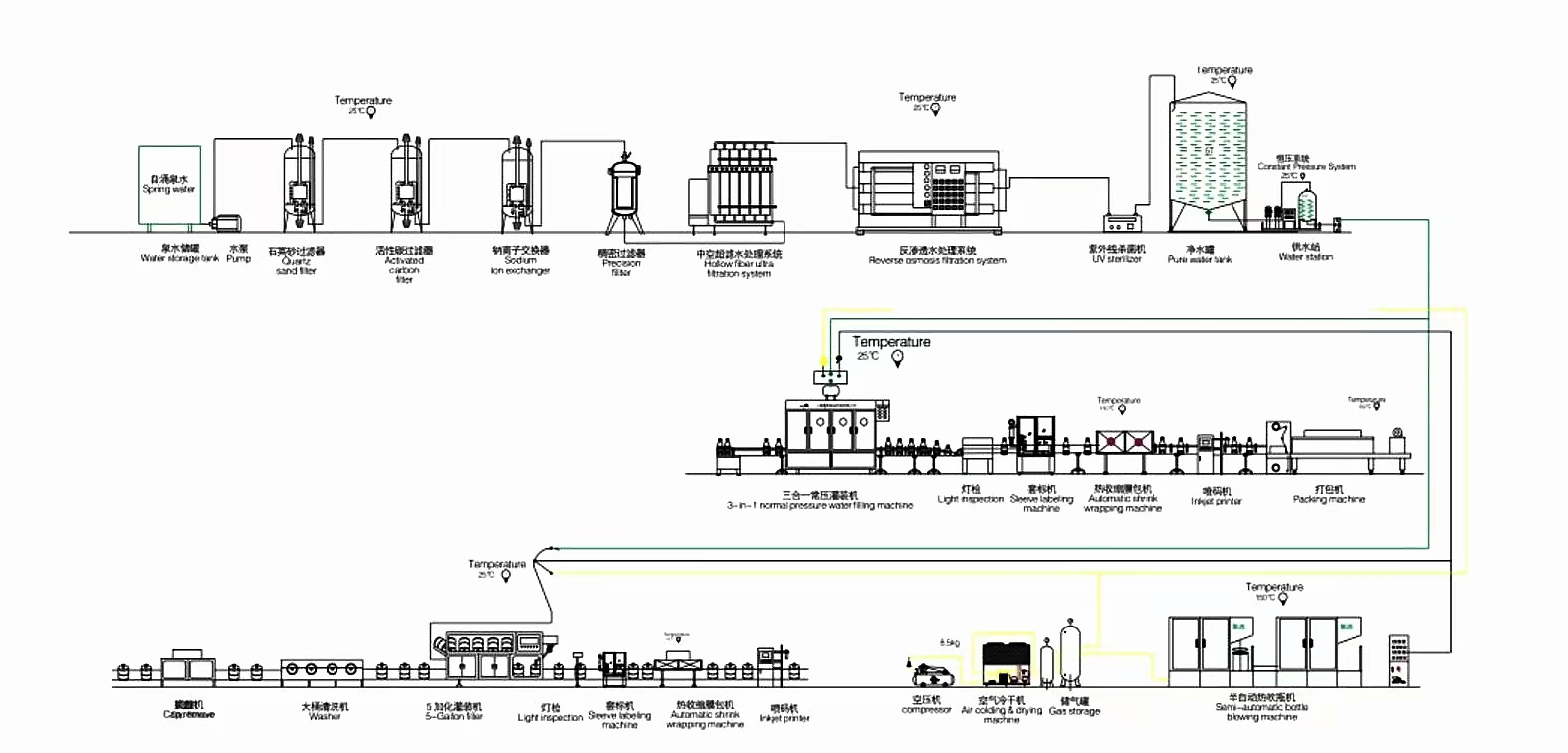
Bottled Water Production Process Flow Chart
???? We have summarized every step in the production of bottled water in a detailed flow chart! Learn how water is purified, bottled, and inspected for quality!
Applications for Water Processing Line
Applications range from functional beverages and traditional bottled water to innovative and specialized uses within diversified sectors.
01
Beverage Industry
- Bottled water (mineral, spring, purified, distilled, and alkaline water)
- Carbonated beverages
- Flavored and vitamin-enriched waters
- Juices and teas
02
Food Industry
- Bottling water for food preparation and processing
- Packaging water for use in food service establishments
03
Hospitality and Tourism
- Bottled water for hotels, resorts, and airlines
- Customized water bottles for events and conferences
04
Retail and Consumer Goods
- Private-label bottled water for supermarkets and retail chains
- Branded water for promotional purposes
Why Choose Our Bottle Water Production Line
The Ultimate Used Beverage Equipment: Buying Guide for Beginners
Acquiring secondhand beverage equipment provides businesses with a cost-efficient solution to launch operations or increase their existing activities. The process…
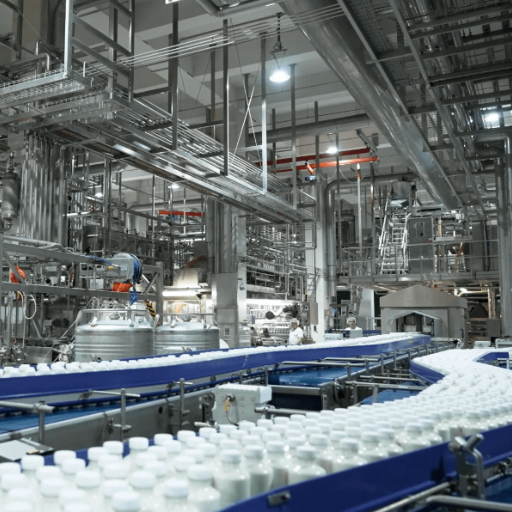
Predictive Maintenance in Beverage Manufacturing: A Game-Changer for Productivity
Predictive maintenance systems are changing how beverage producers manage their equipment performance and their production efficiency. This unique method uses…
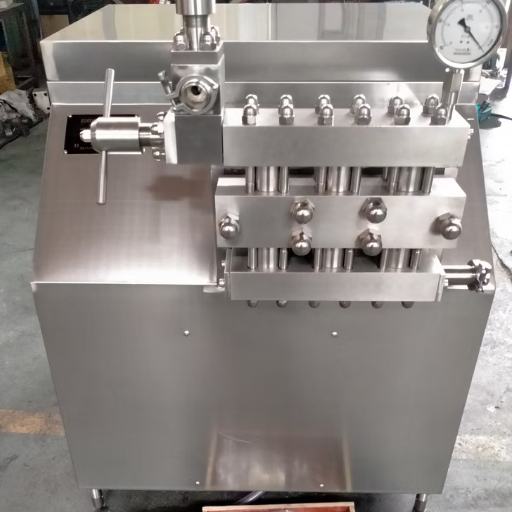
Homogenizer Selection for Beverage Production: Key Factors to Ensure Quality and Efficiency
The right homogenizer is a vital element in the success of the beverages produced by beverage manufacturers because if the…
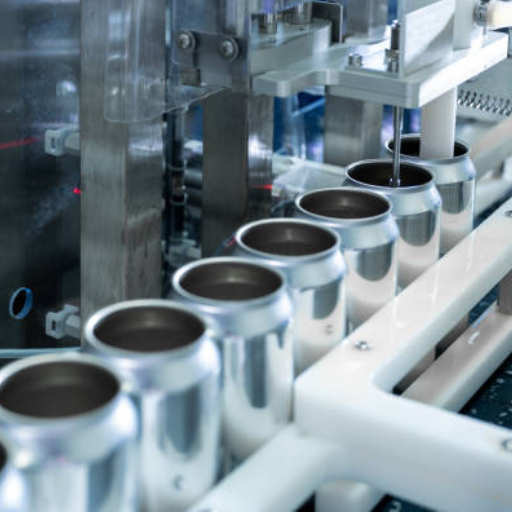
Beverage Can Filling Line Complete Guide: Ensuring Quality and Productivity
The Drinks Industry is a lot of action packed, effectively managed field. Efficiency and Quality are essential for every business…
Energy Drink Production Line Setup: Ensuring Quality and Operational Excellence
The appropriate operational framework enables your business to achieve optimal productivity while creating products that fulfill customer needs for your…
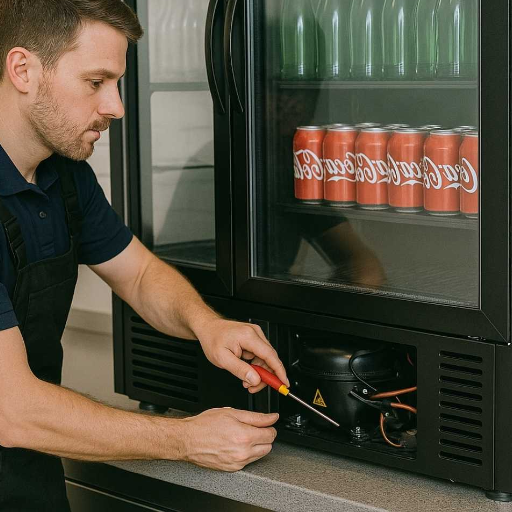
Preventive Maintenance for Beverage Equipment: Ensuring Longevity and Optimal Performance
The coffee shop which operates at full capacity and the bar and the restaurant need their equipment to be maintained…
Expert Guides to the Water Processing Line
Is It Healthier to Drink Tap or Bottled Water?
Tap water is often the better choice compared to bottled water as it tends to be healthier because of more stringent regulations, a lower probability of microplastic contamination, and positive environmental implications, but bottled water is ideal for instances of unsafe tap water and for emergency situations.
How Long Does Tap Water Last in Plastic Bottles?
The duration tap water remains safe to drink when stored in clean, sealed plastic bottles varies from a few days to a year considering factors like chlorination, light exposure, and storage conditions.
What Is the Most Common Cause of Poor Water Quality?
The major cause of poor water quality results from microbial contamination from stool. This poses severe health threats and is among the most common causes of waterborne illnesses .
Can You Drink 20 Year Old Bottled Water?
Though water doesn’t expire, drinking 20-year-old bottled water is discouraged due to the leaching of harmful chemicals from the plastic, possibly stored contamination, and changes in taste.
How Do I Get Microplastics out of My Drinking Water?
Microplastics are removed from drinking water with reverse osmosis, activated carbon filters, or boiling water, which significantly reduces contamination.
How Is Bottled Water Made Step by Step
The process of making bottled water involves water sourcing, treating water using filtration or reverse osmosis, bottle preparation, filling and capping, and then labeling and packaging.


What Our Customers Say
Real results from industry leaders who transformed their operations
“Since installing Victorystar’s closed-loop filling system, we’ve reduced our ATP swab test failures by 94% and decreased our sanitation downtime by 40%. We achieved ROI in just 8 months.”

James Mitchell
Production Manager
The 24,000 BPH machine enabled us to secure contracts with major distributors who demanded quick turnaround times and large order volumes. The precision and reliability are exceptional – precisely what we required for our growth.

Sarah Liu
Operations Director
The ability to conduct remote diagnostics and implement predictive maintenance has changed the game for us. We are now able to avoid issues prior to their escalation, which enables us to maintain an uninterrupted production cycle.

Thomas Chen
Maintenance Director
The implemented energy optimization features led to a remarkable decrease in our power consumption. Coupled with the 35% lower maintenance costs, this system is self-sustaining while providing continuous and excellent products.

Anna Martinez
Plant Manager
Frequently Asked Questions (FAQs)
A water bottling line is a system that consists of fully automated technology that includes all the phases of treatment and packages water into a bottle. It incorporates and integrates into one functioning system the treatment of water to be consumed, filling the bottles, capping the bottles, and even labeling the bottles.
A bottle water filling machine is one section of the water bottling line system. It essentially fills the bottles with water and consists of three main systems. In one section, there is a filling mechanism that dispenses water, the second system consists of a feeding mechanism to transport empty bottles, and the last system consists of capping and sealing the filled bottles.
A complete water bottling plant benefits the owner of the plant because it increases the benefits to the users of the plant. This range of facilities increases the operational effectiveness of the plant in addition to the production capability and scaling of water bottling.
Water filling lines are set up to handle the bottling of water with a range of compositions. This includes still and sparkling water, mineral water, and purified water. These lines are also designed to fill bottles of different sizes and shapes to meet the needs of a varying customer base.
Depending on the line configuration and the equipment used, production capacity for lines can be configured for hundreds to thousands of bottles on an hourly basis to meet the requirements of a water bottling business.
Water bottling uses a considerable range of bottles, including plastic, glass, and PET, to be specific. Each type of container offers unique benefits. Cost and weight advantages are associated with plastic containers, while glass packaging is used to target premium customers and offers an aesthetic value.
Quality is ensured during the bottling process and in the subsequent packaging. Automated filling systems are designed to curb human interference during the filling, hence defending the bottled water from contamination. Furthermore, advanced systems in water treatment remove any impurities, hence purified water is sealed in the container.
In the production of plastic bottles, blowing machines are instrumental in transforming preforms into the final bottle configuration. They guarantee the production of bottles in different dimensions and forms, catering to the diverse requirements of the water bottling sector.
Trending now