Get in touch with Victorystar

The Ultimate Guide to Cans Carbonated Soft Drinks Processing Line Innovations and Trends

Contents
show
Carbonated soft drinks production in cans has undergone drastic change through the years, shaped by technological change, consumer preferences, and sustainability concerns. Increasing demand for efficiency, quality, and green solutions has driven vendors to cater to various cutting-edge changes. This article takes us through the recent changes driving the cans carbonated soft drinks processing line, along with the emerging trends forcing new production standards. From machinery at the highest level to practices born from sustainability concerns, we’ll regard key factors that could contribute to production increase, satisfy market demand, and set new marks of distinction for the future. If you happen to be an expert or maybe just a layman trying to enter this field, that guide will be filled with actions oriented towards learning and comprehension of factors driving progresses in this very vibrant industry. So definitely stay tuned and follow the trajectory of change when the present trends lay the foundation of tomorrow’s beverage production.”
Understanding Carbonated Beverages
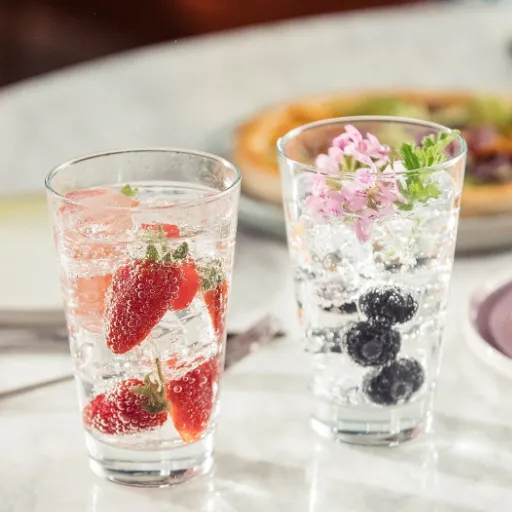
What are Carbonated Soft Drinks?
The term carbonated refers to beverages which are injected within carbonation, giving them presence with bubbles and fizz. Typically, a soda is made of water and sweeteners along with flavorings, sometimes preservatives, or colorants. Common examples are cola, lemon-lime sodas, and flavored sparkling waters. As much as it gives texture, carbonation actually does some tasting for the drink because in its slight tanginess, carbonation enhances the larger flavors.
Health trends and consumer choices have significantly affected the evolution of these drinks, giving rise to low sugar, organic, and flavored choices. Production method innovations have, in fact, influenced carbonation retention and drink freshness. To understand carbonated soft drinks’ components and preferences is to appreciate their everlasting fame across global markets.
The Importance of Carbonation in Beverages
Talking of carbonation in beverages is synonymous with attraction for the senses. Carbonation, simply said, is the process of dissolving carbon dioxide (CO2) in a liquid under pressure-the fizz and bubbles forming in a carbonated drink found so much lured by the consumers. In the presence of an acidic concentration, carbonation elevates flavor perception encompassing a crisp and refreshing experience. An example would be the faint acid tingle from carbonation offsetting sweetness to bring about an enjoyable and thirst-quenching experience with the beverage.
Moreover, carbonation activates the sensory receptors of humans and provides the beverage with an enjoyable mouthfeel. The sensation is created as bubbles of CO2 erupt, giving a multi-sensory experience comprised of sound, sight, and taste. Production methods to date continue to be innovative, with current techniques for bubble sizes, bubble distribution, and longevity focused on maximizing consumer appeal. Carbonation also assists in the preservation of beverages since the CO2 acts against many bacteria, extending both in the time and shelf life of beverages. This conjunction of properties explains why carbonation goes beyond being mere technology and stands as a critical element influencing the appeal of beverages in every respect.
Types of Carbonated Beverages
Carbonated beverages span a wide range of options, catering to various tastes, lifestyles, and occasions. Some of the most popular categories include:
Sodas and Soft Drinks
These are perhaps the most widely recognized type of carbonated beverages, offering a mixture of effervescence, sweetness, and flavors ranging from cola to citrus. Many soft drinks are fortified with sugar or artificial sweeteners and come in both caffeine-laden and caffeine-free options.
Sparkling Water
Sparkling water has risen in popularity as a healthier alternative to traditional sodas. It provides the refreshing fizz of carbonation without added sugars or calories, often infused with natural fruit flavors for added appeal.
Energy Drinks
Energy drinks combine carbonation with caffeine, vitamins, and other functional ingredients designed to boost alertness and physical energy. They are particularly popular among younger demographics and active individuals.
Alcoholic Beverages
Carbonation plays a critical role in beverages like beer, champagne, and hard seltzers. The effervescence enhances the sensory experience, with carbon dioxide either naturally occurring during fermentation or introduced artificially.
Tonic Water and Mixers
Tonic water, club soda, and other mixers are essential in the world of cocktails, pairing well with spirits to bring both fizz and complementary flavor profiles. They often include subtle bitterness or added sweetness for versatility in mixology.
Functional Beverages
Functional carbonated drinks, such as kombucha and probiotic sodas, are designed to offer health benefits while retaining the familiar bubbly texture. These beverages appeal to wellness-conscious consumers who seek gut health and other functional advantages.
With the increasing demand for diverse and functional beverages, the carbonated category continues to evolve. Innovations in flavor combinations, health-centric formulations, and sustainability efforts are driving growth across all segments, ensuring there is a fizzy option for every consumer.
Raw Materials for Soft Drink Production
Key Ingredients in Carbonated Beverages
The production of carbonated beverages relies on a combination of essential ingredients that create their signature taste, texture, and effervescence. These key components include:
Carbonated Water
Carbonated water serves as the primary base for most fizzy drinks. Infused with carbon dioxide gas under pressure, it delivers the characteristic effervescence and crisp mouthfeel that consumers expect from carbonated beverages.
Sweeteners
Sweeteners add the desired level of sweetness to the drink and balance its flavor profile. Common options include sucrose, high-fructose corn syrup, and alternative sweeteners like aspartame or stevia for lower-calorie formulations.
Flavorings
Flavorings are crucial to defining a beverage’s unique taste. They range from natural fruit extracts such as citrus or berry to complex artificial flavors engineered to match consumer preferences.
Acids
Food-grade acids, such as citric acid or phosphoric acid, contribute to the tangy and refreshing quality of the beverage. They enhance flavor while also helping to preserve the drink by lowering its pH.
Preservatives
To ensure a safe and stable product, preservatives like sodium benzoate or potassium sorbate are used to prevent microbial growth and extend shelf life.
Coloring Agents
Coloring agents, both natural and synthetic, are often added to create a visually appealing product that corresponds to its flavor. For example, caramel coloring is widely used in cola beverages.
Minerals or Fortified Additives
Some modern formulations include functional ingredients, such as vitamins, minerals, or probiotics, to address consumer demand for healthier options with added benefits.
By combining and innovating with these core ingredients, manufacturers continue to push boundaries, creating beverages that not only satisfy traditional cravings but also cater to health-conscious and sustainability-driven trends.
Sourcing Quality Raw Materials
The sourcing of superior raw materials is essential for the making of beverages that conform to flavor considerations and health-trend criteria. The selection process involves close scrutiny of each ingredient with respect to consistency, safety, and compliance to standards and regulations of the trade. One precondition in this respect is traceability- raw materials from suppliers whose supply chains are transparent and ethical are given priority by manufacturers these days. In doing so, accountability is ensured while also answering consumer concerns for a sustainable and responsible source.
Seasonal variation in agricultural products like citrus or sugar cane can be a matter of quality, and for this very reason, partnering with genuine growers and firm adherence to stricter sourcing protocols are of primary importance. Likewise, in cases of minerals or probiotics, manufacturers usually prefer certified suppliers qualified through heavy testing processes and quality assurance programs. All in all, using this approach with commitment towards excellence and sustainability allows continuous evolution of the beverage industry that provides products meeting modern consumer values and global standards.
Impact of Raw Materials on Flavor and Quality
Whatever be the selection and quality of raw materials, they impart the flavor note and glory to the beverage. The independent variables, such as the composition of the soil, the climate, the harvesting methods, and the processing techniques, play an important role in bringing particular intonations of taste and texture. Good-for-the-environment-and-good-for-you fruits from optimum growing conditions usually allow more vibrant flavors and natural sweetness to take their entrance, further enhancing the beverage experience. Organic and non-GMO ingredients are appearing onto the market as new definitions of purity and consumer trust. Beverage makers who uphold transparency in sourcing and consider their raw materials of the highest quality meet consumer expectations and harmonize with higher consistency wherein brand loyalty is engendered.
The Carbonated Beverage Production Process
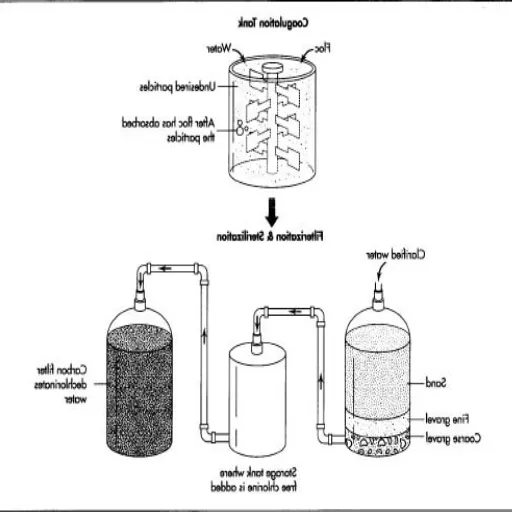
Overview of the Manufacturing Process
Carbonation is a crucial industrial process, wherein the carbonation of a beverage is well controlled with quality, consistency, or flavor considerations in mind. First and foremost in this process, water is treated to remove impurities and to set pH and mineral contents. That is to say that this set forms a clean and stable base for the beverage.
Following this, syrup preparation takes place. Mixing the sweeteners, flavorings, and other additives at fixed conditions gives each product its typical taste profile. On the clean-label trend, many manufacturers use natural sweeteners and organic flavor ingredients to keep up with consumer demands.
Once the syrup is formulated, it goes to the mixing area where it is combined with treated water. Today, systems enjoy the penetration and advancements of technology to setup accurate ratios and homogenization, which is quite critical in providing proper consistency throughout batches of production. Post mixing comes carbonation, where carbon dioxide under pressure is introduced to provide those characteristic bubbles to the drink. Carbonation levels are selective to the nature of the drink and the sensory experience intended to be provided.
This stage includes filling and packaging; it consists of dispensing a carbonated beverage into bottles or cans using fast machinery to keep carbonation intact and avoid contamination. New packaging trends also focus on the use of recyclables and light packaging in view of sustainability goals.
The producers enforce tight quality control procedures at every stage in order to assure quality, including testing for taste, carbonation, and hygiene standards at various stages. Combining these steps with modern technologies such as automated monitoring and predictive maintenance using AI, the industry enhances productivity and brings forth quality carbonated beverages that meet consumer tastes.
Step-by-Step Guide to Soft Drink Production
1
Ingredient Sourcing
Good quality raw materials have to be carefully sourced in producing soft drinks. This includes eaux de source, perhaps selectable sweeteners, carbon dioxide for the bubbly effect, and flavoring agents. Sustainability and traceability stand paramount in manufacturers and the suppliers, who need to work hand in hand, thus ensuring the materials used to process drinks remain pure.
2
Water Treatment
Water being the main constituent in soft drinks, its treatment becomes rather important for giving the desired quality to the beverage. This water is filtered through advanced filtration systems so that all kind of impurities and contaminants are removed, and the water is fit for safety and flavor. Some plants may also practice reverse osmosis or UV for even greater purity.
3
Preparation of Syrup and Flavoring
Sugar or alternative sweeteners are blended in with acids, natural or artificial flavors, and sometimes preservatives in preparation for the final concentrate or syrup, once the water is ready. The exact amounts are prescribed so as to maintain flavor consistency and adhere to the strict dictates of the formula.
4
Mixing Ingredients
The treated water and syrup are combined in exacting ratios through automated blending systems to obtain the very best equilibrium of flavor and sweetness. Carbon dioxide is subsequently introduced via special equipment, guaranteeing every batch to have even carbonation levels.
5
Carbonation and Quality Testing
For the carbonation of a substance entails infusing it with CO2 under a certain pressure. This imparts the essential fizz to the soft drinks. The quality tests include checking the level of carbonation, pH, and taste of the product to meet industry standards and consumer acceptance.
6
Filling and Packaging
The fluid, having less carbonation, is transferred to filling lines, where bottles or cans are first sanitized and filled followed by sealing. Modern machinery with sensible control allows negligible wastage at this stage, during which great inspection takes place. Many producers now prefer to go the extra mile of using recyclable materials along with energy-efficient processes to verify the sustainability of their packaging.
7
Labeling and Distribution
After packing, these goods are marked with important details such as ingredient information, nutritional information, and date of expiration. The finished goods are packed and shipped to the distribution centers from where they will reach the retailers, restaurants, consumers. Cutting-edge logistics technology is most often used to make the distribution most efficient.
By combining traditional techniques with modern innovations, soft drink manufacturers maintain their ability to meet rising consumer expectations while optimizing production workflows for better sustainability and quality outcomes.
Technological Advancements in Carbonation
Developments in carbonation technology for soft drinks are set apart by making it possible for manufacturers to infuse carbonation levels with more consistency and to allow for individualization. Now, with very precise control systems, the gas introduction is perfectly controlled, and an optimum fizziness is guaranteed for different products. Sensors for inline measurement of CO₂ help to improve production accuracy, thus reducing variability and waste. Also, the coming of microbubbles brought with it yet another major breakthrough that improves the stability of bubbles and maintains an enjoyable sensory experience for consumers. All these innovations, connected with automated control systems, make for a smooth carbonation process and combine to improve quality control and general efficiency. With these technologies at their disposal, manufacturers continue to adapt to new consumer preferences with beverages perfectly balanced on flavor, texture, and effervescence.
Equipment and Machinery in Beverage Production
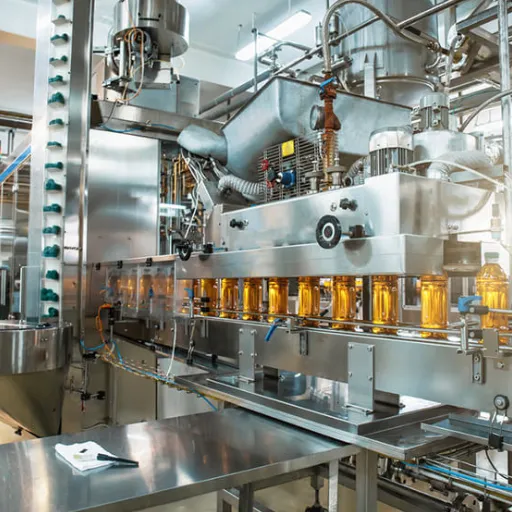
Filling Machines for Cans and Bottles
Giving life to filling machines for cans and bottles and they are crucial to beverage production, which demands packaging efficiency and precision. These machines are meant to handle large volumes with great accuracy, so that wastage of materials is kept at a bare minimum, and product quality is preserved. Manufacturers use such equipment and metered-fill control systems, CIP cleaning systems, and variable speed filling to fit their production processes for a wide array of beverages comprising carbonated beverages, juices, and water. Furthermore, all such machines provide sensors and real-time monitoring for keeping an equal fill level, notwithstanding the contamination. By introducing dual-lane filling and vacuum-assisted sealing, acquisition timelines are optimized slotting these machines for some of the highest industry standards to scale and sustainability for beverage brands of any magnitude.
Pasteurization Techniques in Soft Drink Manufacturing
The safety and shelf life of soft drinks are ensured through pasteurization while minimizing microbial contamination. This process employs heating the beverage to temperatures at specific levels for a fixed interval in order to kill harmful microorganisms. Among the processes applied are the tunnel pasteurization process, by way of which bottles or cans pass through a conveyor system subjected to closely controlled temperature zones, and flash pasteurization, whereby the liquid is very quickly heated prior to packaging so as to maximize retention of taste and nutritional value.
Higher technology in pasteurization allows the introduction of energy-saving measures and accurate temperature control systems for further optimization of the production process. Carbonated soft drinks require the maintenance of carbonation levels during pasteurization through some special equipment in the process that reduces gas loss. These technological innovations act in aiding soft drink manufacturers in satisfying regulatory standards and consumer expectations while increasing efficiency in production and its sustainability.
Innovations in Beverage Production Equipment
Recent advances in beverage production equipment have really centered around automation and smart technologies that would bring about greater efficiency and precision. For example, intelligent sensors and IoT-enabled systems monitor critical parameters such as temperatures, pressure, or flow rates in real time, thereby making sure of product quality and giving less room for wastage. Alongside ensuring product quality, these systems also make it possible for predictive maintenance by tracking down when a potential failure could appear, hence reducing the time to repair and uplift productivity.
Energy design machinery sustainable procurement can now be undertaken in line with the second breakthrough. Throughout production, all these technologies high-efficiency boilers, heat recovery systems of many kinds, and water recycling methods greatly diminished the total energy and water consumption. Additionally, modular designs of processing units provide for the flexibility of manufacturers who can then select operations according to the production requirements of the particular product and scale on which they are going to produce.
In fact, sustainability is just one factor. Aseptic fillers, along with the lightweight PET bottle technologies, enhance production lines for maximum throughput and minimum environmental impact. These technologies enable a manufacturer to conform to the demanding trend of consumers toward green packaging and quality beverages without sacrificing efficiency or cost-effectiveness.
Trends and Innovations in Carbonated Beverage Manufacturing
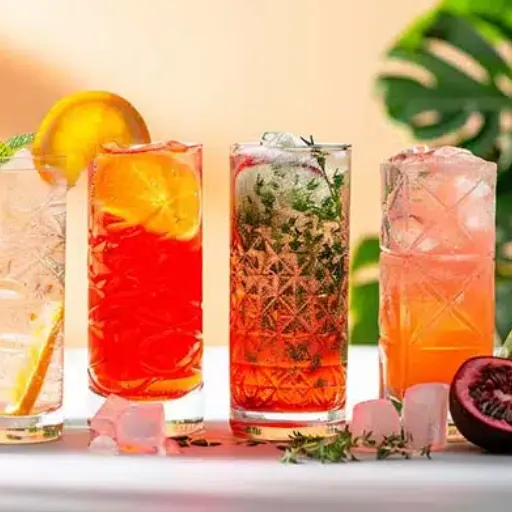
Emerging Trends in Soft Drink Consumption
Today, we are witnessing changes in the serving and consumption patterns of soft drinks. This is caused by the extra-fast lifestyle, health consciousness, and environmental concern. On the other hand, this trend favors the demand for beverages that contain low or no sugar at all. Over the years, awareness has increased with respect to the health hazards posed by excess sugar consumption, forcing the consumers to go for natural sugar or less sugar in drinks. This change has generated a quick reaction from the brands to search for more natural sweetener candidates that would keep beverages tasty while maintaining their health benefits-conversion of stevia or monk fruit.
Another trend inspiring my attention is the growing popularity of functional beverages that are very much on-trend now. Some of what they make are simply probiotics-infused drinks, whether with vitamins, adaptogens, or other functional ingredients that provide certain benefits to health- be it good digestion, stronger immunity, or even enhancement of spirit against stress. Younger consumers seem to gravitate toward these options, as it is sort of a new ideation encompassing refreshment with wellness in one comfortable packaging. This trend, incidentally, has given a good run to the popularity of sparkling waters and flavored seltzers- which seem to be delivering the carbonation idiosyncrasy but minus all the calories or adverse ingredients.
The soft drink market, nowadays, may be increasingly defined by sustainability trends. Consumers choose brands that practice sustainability, such as eco-friendly packaging or locally sourced ingredients procured responsibly. To name a few, many companies have started to reduce plastic waste by recycling materials or by producing lightweight bottles; this just shows how much value innovation in concert with social causes speak to modern consumers. Coupled with the other trends, there emerges a very clear picture of healthy and purposeful designs drifting toward consumption—a dynamic world I find extremely exciting and challenging for manufacturers to meet.
Innovations in Sustainable Packaging for Canned Beverages
Over the past few years, I have seen great strides in sustainable packaging for canned beverages, an alignment of several pressing issues and consumer base demanding environmentally sound products. The aluminum push is fast gaining momentum as the ultimate recyclable material. Considering aluminum cans can be recycled infinitely without impact on the quality, brandished as best for a closed-loop cycle, unlike many plastics, their importance is unquestionable. Through their measures, the industry has a bright future to reduce the carbon footprint substantially, whereby brands are increasing the PCR aluminum content in their cans.
Another fascinating advancement is the advent of newer and modern coating technologies. Traditional can linings have undergone criticisms for their content of harmful chemicals such as BPA. In response, research and companies now wage efforts to develop plant-based and BPA-free linings that are safer from a consumer safety perspective and that therefore add further emphasis on the general sustainability of the product. This way, manufacturers can uphold the integrity of their drinks while satisfying mounting regulatory and consumer demands.
I have also observed increasing movements toward cutting waste created by secondary packaging. There are several endeavors in pilot stages or already implemented by companies in using fiber alternatives to plastic six-pack rings. Some are going the full circle by getting rid of secondary packaging through direct-to-consumer paper wraps that are both minimalistic and easily recyclable. These changes work under circular economy concepts to prove the case that sustainable packaging innovations can hold practical engineering solutions together with solving environmental challenges. Hence, it is indeed an interesting time for the beverage industry, now weighing sustainability next to innovation on its agenda.
Future of Carbonated Beverages: What to Expect
Innovation in carbonated beverages has always been propelled by consumer demand, sustainability goals, and advancing technologies-that is sure to continue into perpetuity. Probably the biggest shift we’re witnessing now is in favor of health-conscious choices. Consumers today are demanding products with less sugar, more functionality, and something more natural. This, in retrospect, means that we will be seeing a host of products infused with vitamins, probiotics, or plant-based ingredients to support a wellness lifestyle. In an attempt to maintain their relevance in this realm, even old-school soda brands are undergoing formula changes or releasing “better-for-you” drinks.
Sustainability will indefinitely remain a major focal area that has influenced the production, packaging, and distri-ution of beverages. Reduction of carbon footprints is initiated by several brands, and such conscious actions have put new packaging technologies into the limelight, packaging solutions that may be biodegradable or reusable. Likewise, some of the next big things to look for may include approaches such as carbon capture technology being put to use for beverages with less environmental impact. Sustainability practices shall redefine carbonated drinks being produced and responsibly enjoyed right from the production floor to the hands of the consumers.
And, in turn, technology and personalization will take center stage. From smart vending machines to app integrations with these iPhone-like technologies, consumers will be able to use hyper-personalized options for beverages, from a complementary flavor mix to the purchasing experience itself. On top of that, AI-product innovation is going to ramp up, a.k.a. Dr. Jekyll and Mr. Hyde formulations: flavors emerging from the behavior or the demographic trend of consumers. Next-generation carbonated drinks are not solely about drinks but the greasy inculcation of experiences: healthier, more sustainable, and close to individual preferences.
Reference Sources
Sidel: Introducing EvoFILL Can Compact – Highlights a high-performance and versatile filling solution for carbonated soft drinks.
TechniBlend: Carbonated Soft Drink – Beverage Processing Equipment – Focuses on innovative blending, batching, carbonation, and filling solutions for maximum efficiency.
Youngsun: Carbonated Soft Drink Filling Line – Offers insights into efficient mixing, carbonation, and packaging technologies.
T. Hasegawa: Emerging Trends and Innovations in Carbonated Beverages – Explores evolving trends and innovations in the carbonated beverage market.
Beverage Daily: The beverage industry needs an adaptability approach to succeed – Discusses industry trends, including new ingredients and functional product innovations.
Frequently Asked Questions (FAQs)
What is the production process for carbonated soft drinks?
Raw ingredients including purified water, sweeteners, and natural flavors are carefully selected to ensure good-quality final product. Considering several stages, the process starts with carbonation, conferring characteristic fizz to the beverage by infusing carbon dioxide in it. After carbonation, the beverage undergoes pasteurization to ensure safety and extended shelf life. As fluid and efficient as the procedure is, it is the consistency of flavor profiles along batches that it guarantees. The beverage is lastly packed in bottles or in cans, according to regulations for beverage packaging.
How does carbonation impact soft drink production?
Carbonating is an essential process in the manufacture of soft drinks because it imparts the very bubbles that consumers enjoy. The higher or lower fizz can make a difference in the overall taste experience, so carbonation levels vary accordingly. During the carbonation of a beverage, it is important to have an accurate measurement of the gaseous phase. Moreover, contamination of the carbonate apparatus by foreign spirits may render the entire beverage odious; therefore, maintaining the apparatus is of utmost importance to achieve a pure product. Beverage industries tend to explore different methods of carbonation to produce distinctive flavor profiles that meet specific customer needs.
What are the technological advancements in the manufacturing process of soft drinks?
The technological revolution in manufacturing gave huge momentum toward creating more efficient and safer processes in beverage production. An automated filling machine or advanced filtration technique ensures a smooth downstream process while stripping off undesirables from it. A green disposition is directed toward the use of recycled packaging materials or improved water treatment procedures for the manufacture of soft drinks. Such developments secure productivity while accommodating the thirsty consumers for sustainability in beverage production.
How do beverage companies ensure the safety and quality of carbonated beverages?
During the manufacturing process, beverage companies test for safety and quality under stringent governmental regulations. They maintain strict quality control measures at all times, from the mixing of the ingredients to the packaging of the finished product. Periodic checks for contamination are also enforced, along with close measurement during the process of carbonation, hence respecting safety standards. On top of that, companies could also opt for the eco-friendly way while keeping their standards of quality and safety high.
What role do raw materials play in the carbonated beverages manufacturing process?
With the raw materials, carbonated beverage production is largely defined by the taste, quality, and appeal of the final product. Chiefly, purified water of great quality, flavoring agents, sweeteners, and additives that uplift a flavor profile are the ingredients required. If these raw materials are well selected, soft drinks will be able to comply with the expectations and preferences of the consumers. In that regard, beverage brands are also more and more interested in using straightforward ingredients to meet the needs of health-conscious consumers, which in turn affects how they source the ingredients and manufacture their products.
Can you explain the importance of pasteurization in soft drink production?
A house must have safety and longevity: the carbonated beverage undergoes pasteurization. Pasteurization kills any microorganisms that could cause disease by heating the drink to a specific temperature. This method is important in maintaining the health and safety standards of consumers while ensuring long shelf-life for those who have a knack for consuming fizzy drinks. The pasteurization process needs to be carried out adeptly by manufacturers to maintain flavor integrity, hygiene, and quality.

DU
Articles: 45
Trending now