Get in touch with Victorystar

Best Carbonated Drinks Processing Line for sale
Our Carbonated Drink Production Line integrates all aspects of production of carbonated beverages from water treatment, syrup preparation, and carbonation, to filling and packaging systems fully integrated and cohesive.
Fully automated frameworks cut down manual intervention and guarantee uniformity in quality in all production batches.
The design integrates HACCP principles and reliance on constant surveillance, which guarantees safety and compliance with laws regarding the products.
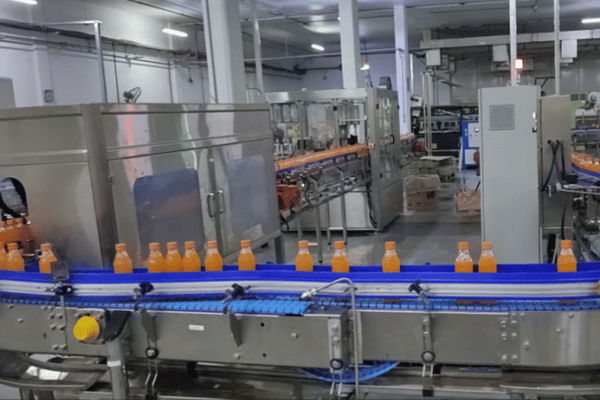
Incorporating energy-saving systems and recycling water during operations can lessen ecological footprints by as much as 40%.
Cutting-edge water treatment with reverse osmosis, UV exposure, and ultrafiltration, precision carbonation at 5‰ mixing accuracy, low-temperature isobaric filling at 4°C, real-time AI quality control, and fully automated CIP systems.
Carbonated Drink Production Line Challenges
We design our production lines to address the most pressing pain points beverage manufacturers encounter today.
Pain Point: Consistently ensuring uniformity in flavor, carbonation levels, and quality across thousands of units every day.
✓ Our Solution: Automated blending systems equipped with real-time monitoring capabilities maintain precise ratio blending within an accuracy of ±0.5% and ensure consistent carbonation from 2.0 to 5.0 volumes of CO2.
Pain Point: Reduced profitability and overall output due to slow production speed and regular downtimes.
✓ Our Solution: Predictive maintenance high-speed processing systems achieve a capacity of 15,000 LPH while maintaining 99.5% uptime.
Pain Point: Operational costs are inflated because of inefficient processes, by waste creation, excessive energy consumption, and manual operations.
✓ Our Solution: Implementing energy-efficient systems alongside technologies aimed at waste reduction can decrease operational expenses by as much as 35%.
Pain Point: Ensuring the quality of the product while extending shelf life. Taste and carbonation must also be preserved.
✓ Our Solution: Utilizing advanced systems for deaeration as well as low-temperature filling optimizes product freshness and increases shelf life by 25%.
Carbonated Drinks Processing Line Technical Specifications
| Specification | Range/Value | Technology | Advantage |
|---|---|---|---|
| Production Capacity | 1,000 - 15,000 LPH | Modular scalable design | Flexible capacity adjustment |
| Carbonation Levels | 2.0 - 5.0 volumes CO2 | Static mixing with pressure control | Precise carbonation control |
| Filling Temperature | 4°C ± 0.5°C | Low-temperature isobaric filling | Minimizes CO2 loss |
| Mixing Precision | ±0.5% (5‰) | Fine-tuning needle valves | Consistent product quality |
| Water Treatment | 99.9% purity | RO + UV + Ultrafiltration | Superior water quality |
| Material Construction | Stainless Steel 304/316L | Food-grade polished surfaces | Hygienic and durable |
| Automation Level | Industry 4.0 compliant | AI + IoT integration | Predictive maintenance |
| Energy Efficiency | 40% reduction vs. standard | Variable frequency drives | Lower operational costs |
| Cleaning System | Automated CIP | Multi-circuit cleaning | Reduced cleaning time |
| Quality Control | Real-time monitoring | Inline sensors + AI analytics | Immediate deviation detection |
Performance Metrics That Matter
15000+
Max Capacity (LPH)
99%
Production Efficiency
40%
Energy Reduction
500+
Installations Worldwide
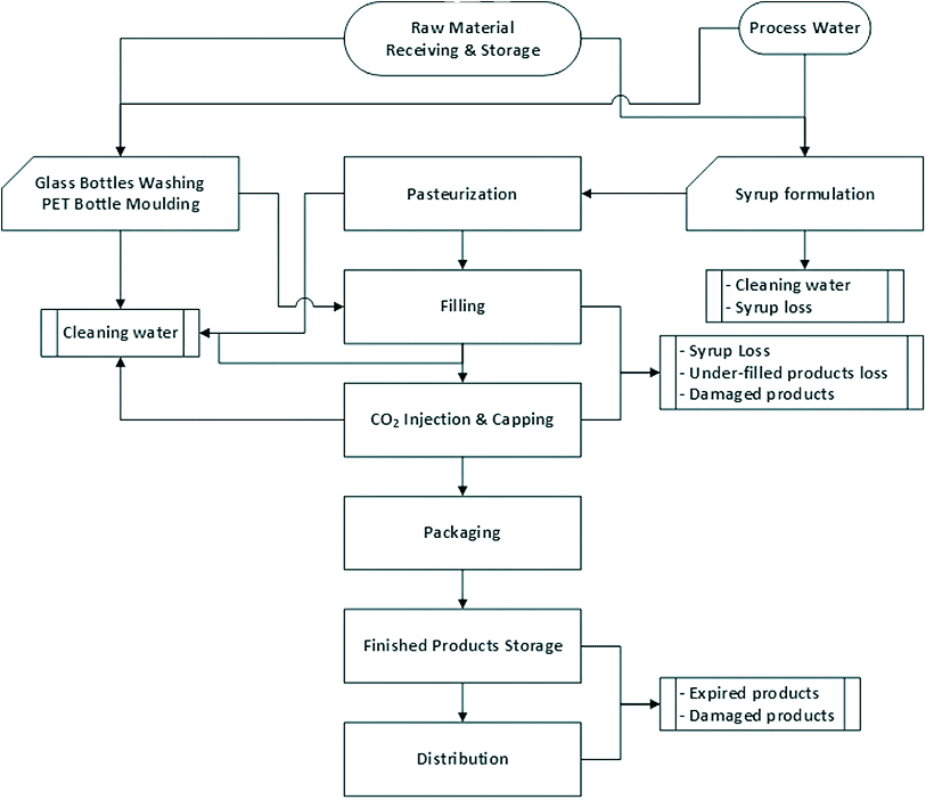
Carbonated Beverage Process Flow Diagram
Discover the manufacturing process of your favorite carbonated beverages! Our Process Flow Diagram illustrates the stages of production, from the initial mixing to the final bottling stage.
Versatile Production Applications for Carbonated Drink Production Line
Our production lines cater to different types of carbonated drinks and packaging structures based on market needs.
01
Soft Drinks & Sodas
- Ideal for colas, lemon-limes, and other flavored carbonated beverages with consistent taste profiles.
02
Sparkling Water
- Production of premium sparkling water with controlled carbonation and regulated mineral content.
03
Carbonated Juices
- Fruit-based carbonated beverages that preserve and incorporate natural and nutritious characteristics.
04
Alcoholic Beverages
- Beer, hard seltzers, and sparkling wines with consistent carbonation and quality.
05
Fruit Flavored Sodas
- Carbonated beverages with vitamins and probiotics for health-conscious consumers.
06
Contract Manufacturing
- Multi-brand and formulation flexible production with rapid changeover for varied production runs.
Why Choose Our Carbonated Drink Production Line
The Ultimate Used Beverage Equipment: Buying Guide for Beginners
Acquiring secondhand beverage equipment provides businesses with a cost-efficient solution to launch operations or increase their existing activities. The process…
Predictive Maintenance in Beverage Manufacturing: A Game-Changer for Productivity
Predictive maintenance systems are changing how beverage producers manage their equipment performance and their production efficiency. This unique method uses…
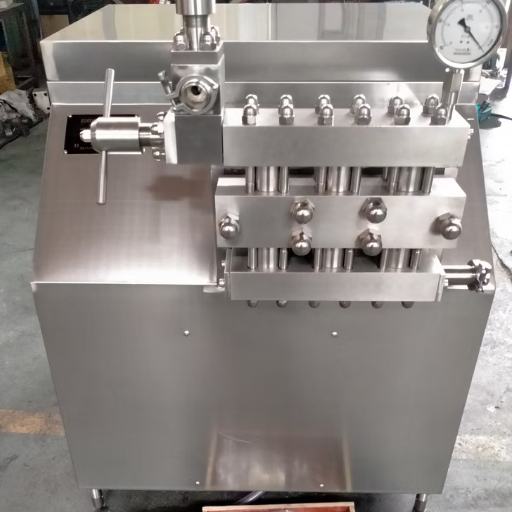
Homogenizer Selection for Beverage Production: Key Factors to Ensure Quality and Efficiency
The right homogenizer is a vital element in the success of the beverages produced by beverage manufacturers because if the…
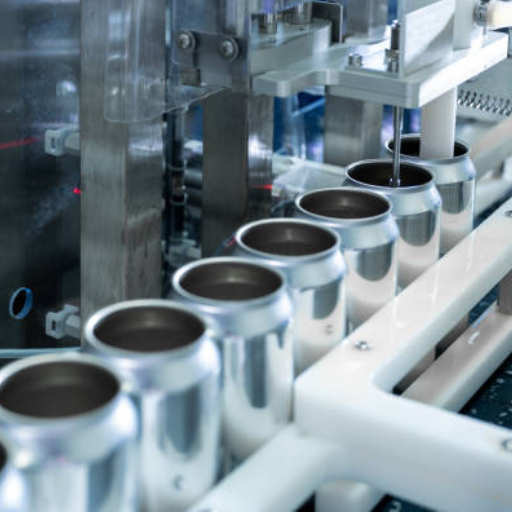
Beverage Can Filling Line Complete Guide: Ensuring Quality and Productivity
The Drinks Industry is a lot of action packed, effectively managed field. Efficiency and Quality are essential for every business…
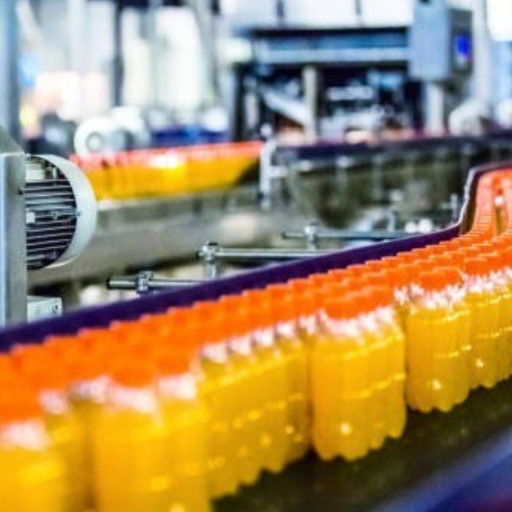
Energy Drink Production Line Setup: Ensuring Quality and Operational Excellence
The appropriate operational framework enables your business to achieve optimal productivity while creating products that fulfill customer needs for your…
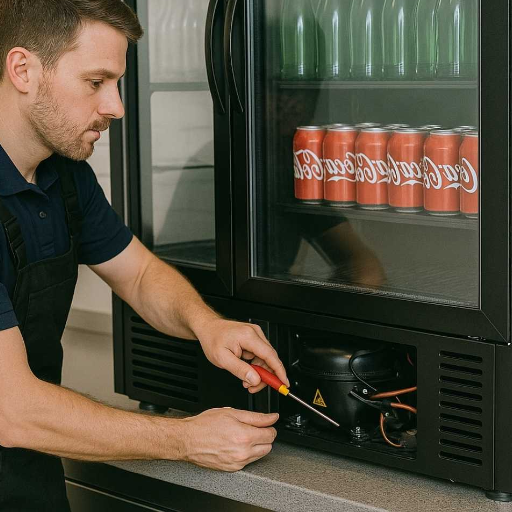
Preventive Maintenance for Beverage Equipment: Ensuring Longevity and Optimal Performance
The coffee shop which operates at full capacity and the bar and the restaurant need their equipment to be maintained…
Expert Guides to the Carbonated Soft Drinks Production Line
Carbonated Drinks Meaning
The definition of carbonated drinks is commonly referred to as carbonated waters, sodas and beers. Carbonated drinks are beverages with bubbles.
How Do Drinks Get Carbonated
Carbonated drinks become carbonated by being infused with carbon dioxide gas under high pressure and frequently under cold conditions to dissolve the gas and form fizz .
Sparkling Water Manufacturing Process
The production of sparkling water entails the cleansing and purification of water, the incorporation of carbon dioxide gas under pressurized conditions to achieve carbonation, and subsequent bottling.
Do Carbonated Drinks Expire?
Carbonated beverages do not expire in a harmful way; however, they can lose some of their taste and carbonation over time, especially after the indicated best by date.
What Is the Technology of Carbonation?
Carbonation is the process of dissolving carbon dioxide gas in liquids under pressure which results in the formation of bubbles and an effervescent drink.


What Our Customers Say
Listen to industry leaders on how they have changed their operations with our product solutions.
“Exceptional precision with carbonation control. Our customers remarked on the improved flavor balance across all product lines. Payback realized in 18 months.”

Maria Rodriguez
Quality Manager
“Integrating Industry 4.0 technologies provides unprecedented real-time insight. The ability to perform predictive maintenance has almost completely removed unexpected downtime.”

David Kim
Plant Manager
“Absolutely supportive during the installation and afterwards too. The training program helped our staff get trained on the complex systems on the first day.”

Sophia Miller
Operations Director
“Improvements in energy efficiency are noteworthy. Power consumption has decreased by 35% while production capacity has increased. Achieving sustainability alongside profitability.”

Robert Thompson
CEO
Frequently Asked Questions (FAQs)
A carbonated drink production line is a system aimed at the production of carbonated drinks, which include soft drinks, sparkling water, and energy drinks. It combines production and high quality optimization and incorporates various pieces of equipment like mixing tanks, carbonating machines, filling machines, and packaging machines.
The carbonated soft drink filling machine works by filling containers with carbonated drinks. It ensures the accuracy of the identified theoretical and real levels of the drink, and the carbonation levels of the drink. These machines are usually components of a fully automated beverage production line which, by reducing the amount of human work, brings an increase in the level of operational work.
A fully automatic beverage production line brings a myriad of advantages like high production rates, decreased staff overhead, and improved quality assurance. It automates the filling, capping, and packaging processes, and the company can balance high production rates with adherence to the precise and correct standards stipulated on all levels of the production processes.
A carbonated drink production line is flexible enough to produce numerous beverages, including carbonated soft drinks (CSD), sparkling water, soda water, soda-based functional drinks, and fruit juices. The customization capability of the machines offers production and packaging flexibility.
In the production of carbonated beverages, the role of CO2 is critical. Carbon dioxide is what makes the beverages fizzy. It is piped in under high pressure and is responsible for the bubbles and ‘sparkle’ of the drink. The correct level of CO2 must be maintained as the carbonation degree is what primarily affects the overall taste of the beverage.
Enhancements in beverage companies’ carbonated drink production line flow from the integration of high-performance production systems. The adoption of PLC control systems, regular upkeep on the production systems, and new technological acquisitions also optimize systems. Additionally, awareness of new trends in the beverage industry enhances production capacity and overall system efficiency.
For carbonated drinks, there are glass bottles, PET packaging, and even cartons. Each has its unique advantages, such as shelf-life, cost, and consumer preference. When it comes to packaging, businesses identify their target market and the product type and focus on maintaining product quality and freshness.
To ensure safety and proper shelf-life, sterilization in beverage production is important. With the correct sterilization of tools and ingredients, a company is able to eliminate contamination and spoilage, thus providing a better quality product. There are various methods of sterilization such as heat treatment.
In the production of carbonated drinks sold in cans, canning lines are very important. These lines automate the filling, sealing, and labeling processes of cans. With quality control, these processes increase production speed, and canning protects drinks from light and oxygen which, in turn, keeps the freshness and flavor of the drink.
Trending now