Get in touch with Victorystar

Fruit Pulp & Vegetable Sauce Production Line for sale
High-capacity processing of fruits and vegetables with the Production Line of Fruit Pulp & Vegetable Sauce-Easy results of premium quality.
3 to 10T/H
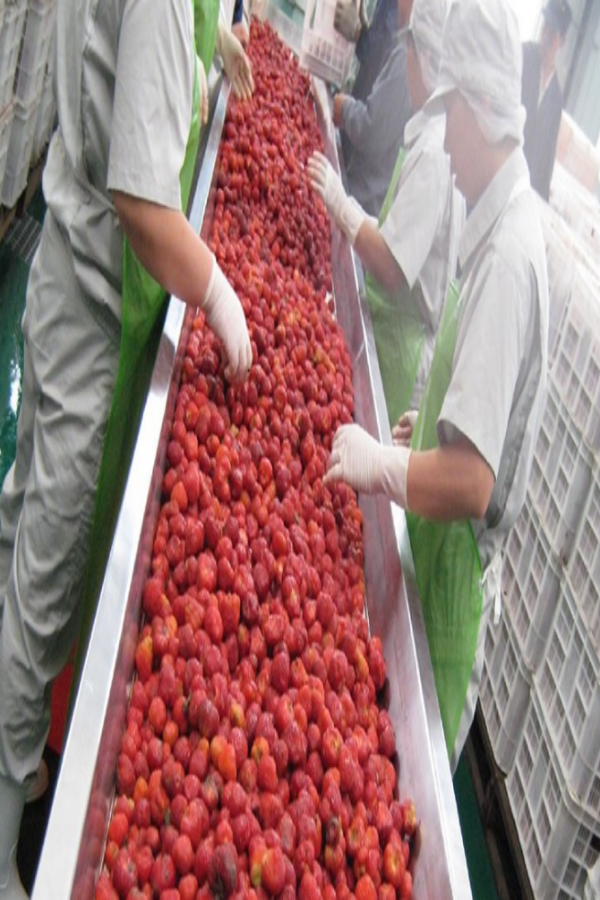
The machine is apt for fruits like blueberries, blackberries, raspberries, and strawberries.
All material-contact parts are made of 304 Stainless Steel.
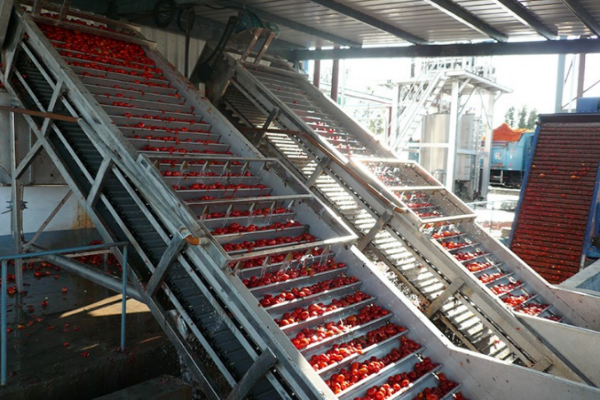
Pasteurization preserves the original color of the fruit while giving it its aroma.
Higher automation implies low human intervention, along with an in-built cleaning system.
It fully conforms to food hygienic and safety standards.
Solving Your Critical Production Challenges
We know the pain points that keep food processors awake at night. Here’s how we solve them:
Manual processing needs 40-80 workers per line, facing recruitment difficulties and high turnover. Labor makes up 35-45% of operational costs.
✓ Our Solution: Fully automated systems with robotic handling cut down labor requirements by 70%, whereby operators can walk four or five lines remotely from a central control panel.
Manual processing may vary texture, flavor, and nutritional content. Inconsistencies from batch to batch are a massive hit on the brand image and help in the piling-up of customer complaints.
✓ Our Solution: Controlled processing with monitoring by the AI quality system guarantees particle size, Brix, and color are uniform across the batches with a 99.8 percent consistency.
Traditional methods cause a loss of 15-30% of raw material, mainly due to inefficient peeling, crushing, and separation processes, all of which diminish profitability.
✓ Our Solution: Advanced pulping and extraction systems recover up to 95% of usable product, where the by-products may be recycled for animal feed or for composting, thereby 85% of waste is avoided.
Manual handling contaminates the product with bacteria (E. coli, Salmonella, Listeria). Because of recalls, an incident costs $10M+ and could destroy brand trust.
✓ Our Solution: Aseptic processing in controlled environments based on UHT and HPP sterilization eliminates 99.999% of pathogens. Totally enclosed systems prevent cross-contamination.
Seasonal and really short-lived, these products can go bad in 4-7 days if not treated thermally, hence limiting distribution radii and exportability.
✓ Our Solution: The integrated pasteurization and aseptic bag-in-box/drum filling extends shelf life by 12-24 months without preservatives, allowing for worldwide distribution.
The equipment consumes 40% more energy than what is required by modern standards, which hikes the cost of operation by $50,000-$200,000 every year.
✓ Our Solution: Energy-efficient heat exchangers, VFD motors, and heat recovery systems can reduce energy consumption by 35-45% with payback within 2 years.
Sauce Production Line Technical Specifications
| Specification | Details |
|---|---|
| Processing Capacity | 1,000 - 50,000 kg/hour (customizable) |
| Raw Material Input | Apples, mangoes, berries, citrus, tomatoes, carrots, pumpkins, peppers, and 50+ varieties |
| Output Products | Pulp, puree, concentrate (18-32°Brix), sauce, paste, juice |
| Material Construction | Food-grade stainless steel 304/316L (all contact surfaces) |
| Automation Level | Fully automatic with PLC control and HMI touchscreen interface |
| Sterilization Methods | UHT (Ultra-High Temperature), Pasteurization, HPP (High-Pressure Processing) |
| Sterilization Temperature | 85-137°C (adjustable based on product) |
| Extraction Efficiency | 92-95% yield rate |
| Particle Size Control | 0.2-3.0mm (adjustable through refining system) |
| Brix Concentration Range | 8-65°Brix (depending on evaporation settings) |
| Power Consumption | 150-800 kW (varies by capacity and configuration) |
| Water Consumption | 2-5 liters per kg of raw material (with water recycling system) |
| Steam Consumption | 0.8-1.2 tons/hour (for thermal processing) |
| Filling Systems | Aseptic bag-in-box (55-300 gallons), bag-in-drum, bottles, pouches, cans |
| Control System | Siemens/Allen-Bradley PLC with SCADA integration |
| Safety Features | Emergency stops, overload protection, CIP (Clean-in-Place) system, automatic fault detection |
| Certifications | CE, FDA 21 CFR 117, ISO 9001, HACCP, GMP compliant |
| Production Line Footprint | 500-3,000 m² (depending on capacity) |
| Installation Time | 45-90 days (including commissioning and training) |
| Warranty Period | 24 months with lifetime technical support |
Performance Metrics That Matter
Our advanced Fruit Pulp & Vegetable Sauce Production Line is a fully automated, turnkey solution for converting freshly picked fruits and vegetables into quality pulps, purees, sauces, and concentrates. With capacities from 1 to 50 tons per hour, the systems can be designed for varying scales of processing, from small-scale processors to flourished industrial use.
500+
Extraction Yield Rate
99.8%
Quality Consistency
70%
Labor Cost Reduction
99.7%
Equipment Uptime
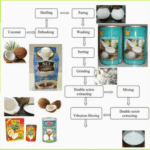
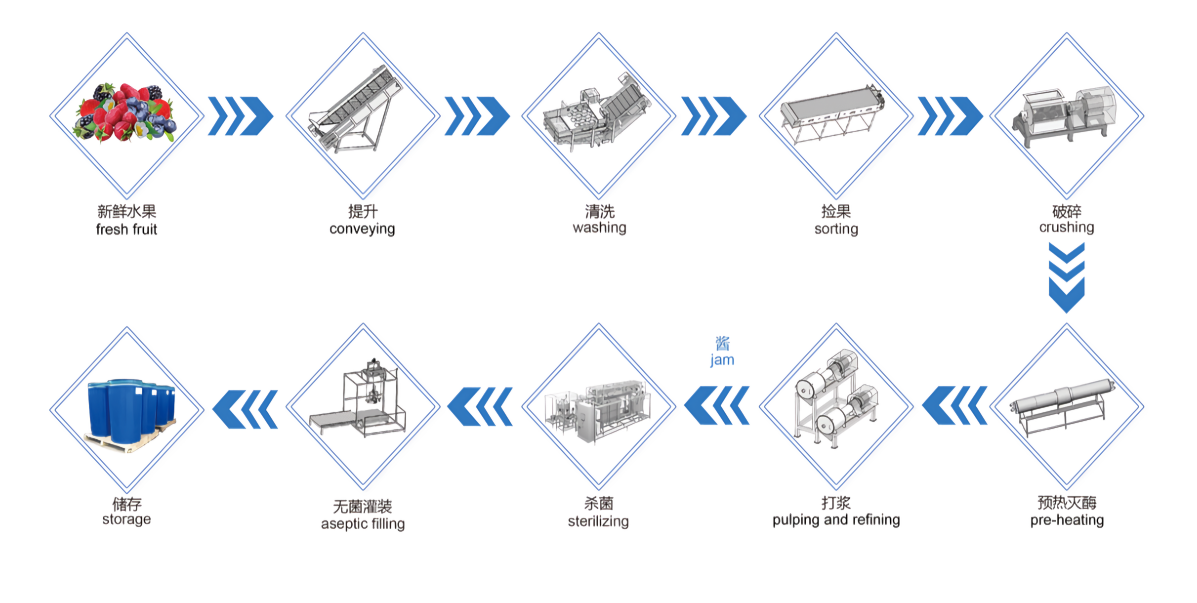
Fruit Pulp & Vegetable Sauce Processing Line Flow Chart
Learn about the steps and machinery involved in processing fruit pulp and vegetable sauces with this detailed flow chart. Perfect for food industry professionals.
Applications for Fruit Pulp & Vegetable Sauce Production Line
Our production line serves multiple food processing sectors worldwide
01
Juice & Beverage Manufacturing
02
Baby Food Production
03
Sauce & Condiment Processing
04
Jam & Preserve Manufacturing
05
Dairy & Yogurt Flavoring
06
Bakery & Confectionery
07
Canning & Food Preservation
08
Ready-to-Eat Meal Preparation
09
Pharmaceutical & Nutraceutical
Our Service Process
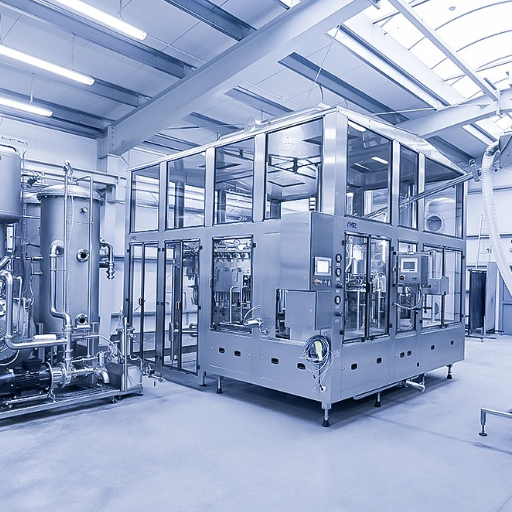
The Ultimate Used Beverage Equipment: Buying Guide for Beginners
Acquiring secondhand beverage equipment provides businesses with a cost-efficient solution to launch operations or increase their existing activities. The process…
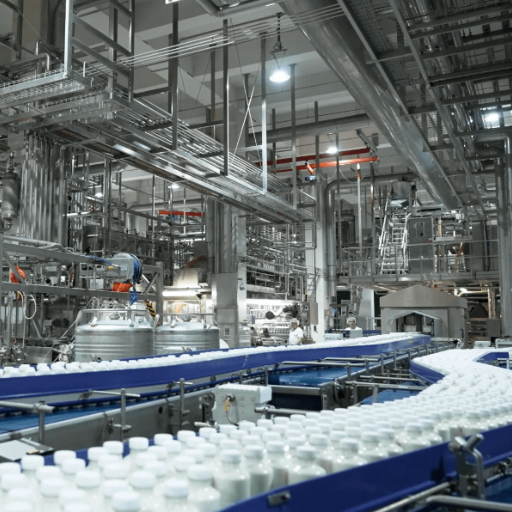
Predictive Maintenance in Beverage Manufacturing: A Game-Changer for Productivity
Predictive maintenance systems are changing how beverage producers manage their equipment performance and their production efficiency. This unique method uses…
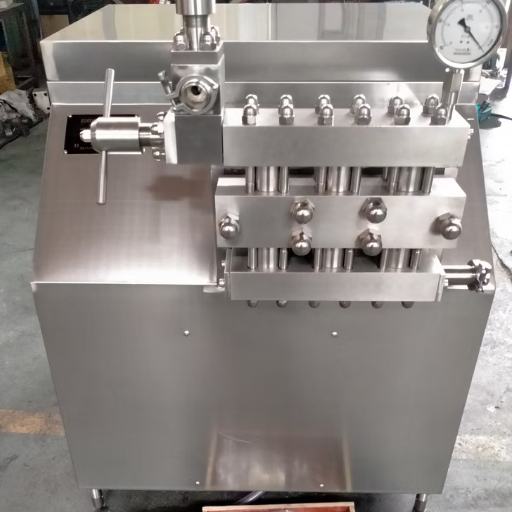
Homogenizer Selection for Beverage Production: Key Factors to Ensure Quality and Efficiency
The right homogenizer is a vital element in the success of the beverages produced by beverage manufacturers because if the…
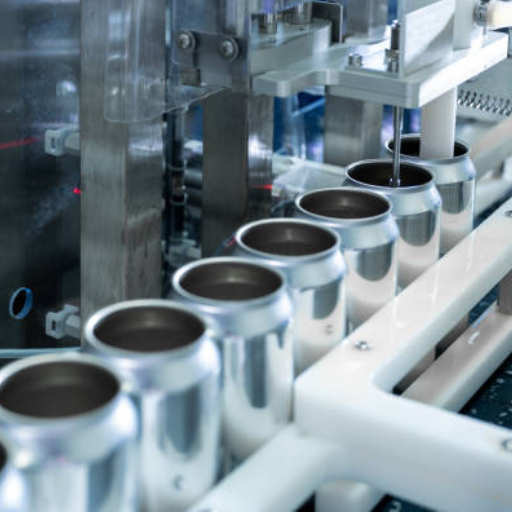
Beverage Can Filling Line Complete Guide: Ensuring Quality and Productivity
The Drinks Industry is a lot of action packed, effectively managed field. Efficiency and Quality are essential for every business…
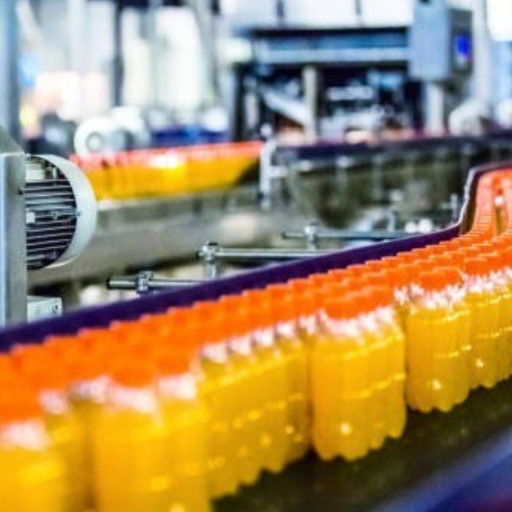
Energy Drink Production Line Setup: Ensuring Quality and Operational Excellence
The appropriate operational framework enables your business to achieve optimal productivity while creating products that fulfill customer needs for your…
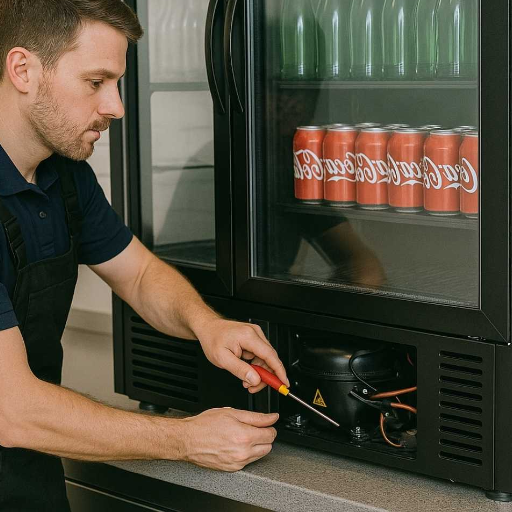
Preventive Maintenance for Beverage Equipment: Ensuring Longevity and Optimal Performance
The coffee shop which operates at full capacity and the bar and the restaurant need their equipment to be maintained…
Expert Guides to the Fruit Pulp Vegetable Sauce
What Is A Sauce Made From A Fruit Or Vegetable Puree?
An extremely thin, strained sauce prepared by the puréeing of fruits or vegetables is called a “coulis.”
What Are The Principles Of Fruit And Vegetable Processing?
The principles for the processing of fruits and vegetables include cleaning and sorting, blanching, thermal processing, freezing, drying, and proper packaging and storing to preserve quality and safety, and to extend shelf life.
What Fruits Work Best In A Coulis?
Fruits that work best in a coulis include berries (like raspberries, strawberries, blueberries, and boysenberries), mangoes, cherries, and other fruits like pineapples and kiwis.
What’s The Difference Between A Puree And A Sauce?
The purée is thicker, unseasoned, and consists of dilute ingredients, while the sauce is thinner in consistency and is often seasoned to serve as a compliment to dishes.


What Our Customers Say
Trusted by leading Best Fruit Pulp Vegetable Sauce worldwide.
We installed the 10 TPH production line for our mango puree operation in Maharashtra. ROI against a full investment was realized within 14 months. Automation reduced labor costs by 65%, and rejection rates dropped from 8% to below 0.5%. In the absence of quality variances, we could negotiate premium export contracts with Europe and the Middle East.

Rajesh Kumar
Operations Director
In our tomato processing operation of 15,000 kg/hour capacity, safety and food standards topped our list of concerns. We were confident to venture into new markets owing to aseptic processing from the production line, aided further by automatic HACCP compliance tracking. SunRed has cleared every FDA audit with blue ribbons. The shelf life increased from months to 18, with no preservatives.

Maria Rodriguez
CEO, SunRed Tomato Co.
There was also energy cost to consider with the old equipment—energy consumption dropped 38% and water consumption 52% after this production line was installed. The byproduct recovery system brings in another $450,000 a year from selling dried pulp to be used as animal feed. It is not merely a production line. It is a complete profit center.

Sarah Thompson
Plant Manager
We work with 12 different fruit varieties throughout the year. The fast changeover (under 25 minutes) enables us to move fluidly from apple to peach to apricot. Thanks to IoT monitoring, I am able to watch production at three different sites from my phone. This technology has changed our way of doing business.

Giuseppe Bianchi
Production Director
Frequently Asked Questions (FAQs)
A fruit pulp processing line is a specialized system for efficient extraction and handling of fruit pulp from fresh fruits. This kind of line includes different types of machinery, which may be fruit pulpers, juice extractors, and filling machines working together to generate quality fruit pulp ready for further processing into juices, purees, or sauces.
Designed to make an automatic operation for making sauce out of fresh vegetables, a vegetable sauce production line usually washes, cuts, cooks, and packs. The line may include equipment such as vegetable juicers, paste grinding machines, sealing machines, or aseptic filling systems to keep the final product quality and flavor of high standards.
Using a juice production line will have certain benefits: increased efficiency, consistency in product quality, and high yield. Such lines are meant to carry out numerous operations of juice making, ranging from extraction and juicing to packaging, thereby making sure that the juice is kept fresh with respect to nutrition and flavor. The automation will also reduce labor cost and promote contamination-free operation.
A fruit puree production line can process a variety of fruits, such as mangoes, guavas, citrus fruits, etc. The line works to extract pulp and make smooth purees for use in beverages, sauces, and jams. The machinery is capable of handling various fruit textures and processing the fruits hygienically.
Quality control in fruit and vegetable processing is essential to ensure the final products are safe to eat and of good quality. This happens through the monitoring of raw materials, processing conditions, and finished commodities. When control methods are applied, any deviations can be detected early being as processed products, such as juices, sauces, and pulps, require health safety.
In the essential machinery list for chili sauce production, there are washing machines, cutting machines, cooking vessels, and filling systems. Working with paste processing lines and evaporators as well assures that the consistency and flavor of the sauces are just right. Together these machines can work well to ensure efficient production of top-quality chili sauces.
The choice of supplier often greatly influences the quality of processed vegetable products. An ulceration supplier will provide raw materials of good quality laid down to safety standards that would be a prerequisite for nutritious sauce and paste preparation. This supplier could even offer the processing equipment needed by the company to upgrade the line’s efficiency and product quality.
The automation in any fruit processing line improves the speed of the process by appreciating the efforts of human labor, and an automated system can do some sort of sorting, washing, and packaging activities with perfect precision. This increased speed also reduces errors in production, thus improving overall product consistency and hence improving overall productivity.
In a processing plant, the manufacture of tomato paste involves several operations such as washing, sorting, cutting, cooking, and concentrating. Fresh tomatoes are cleaned and sorted, then cooked to extract the juices. The concentrate is then run through a paste grinding machine to achieve the desired consistency, after which it is finally packed in aseptic bags or pouches and distributed to stores.
Trending now