Get in touch with Victorystar

The Ultimate Used Beverage Equipment: Buying Guide for Beginners

Contents
show
Acquiring secondhand beverage equipment provides businesses with a cost-efficient solution to launch operations or increase their existing activities. The process becomes difficult for newcomers because they must deal with an extensive range of used equipment possibilities that contain multiple dangers which emerge when buyers attempt to purchase without proper evaluation methods. The guide exists to assist users in their needs. Our buying guide for cafés juice bars and beverage service upgrades provides essential steps that help you make informed decisions while preventing expensive errors and finding budget-friendly high-quality equipment. The complete investment success package includes everything from supplier selection to essential feature identification. Your beverage equipment purchasing process will begin with a foundation of assurance.
Understanding Used Beverage Equipment
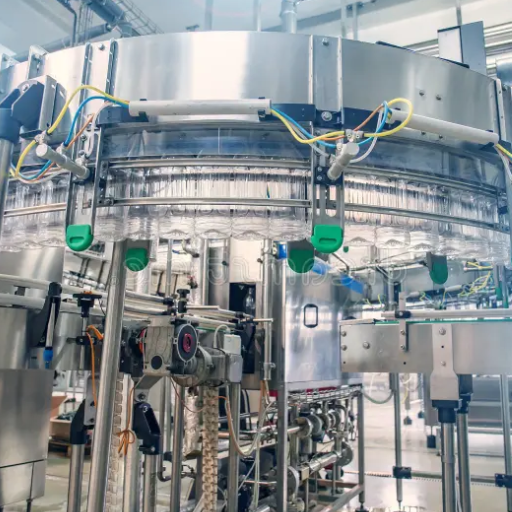
What is Beverage Equipment?
Beverage equipment includes all equipment and systems which commercial and residential spaces use to create and store and dispense drinks. This includes coffee machines and blenders and soda dispensers and juicers and kegerators and ice makers and water filtration systems. The equipment is designed to handle different production requirements which range from high-volume needs in cafes and restaurants to home-based operations. The right beverage equipment not only ensures the quality and consistency of drinks but also enhances operational efficiency and saves time and contributes to an improved customer or user experience. The equipment needs to be understood because it serves specific functions which need to be matched to your particular requirements.
Types of Used Beverage Equipment
The selection of used beverage equipment which I discover through my research depends on two factors. The first factor determines which types of drinks need to be prepared for both commercial and home environments. Espresso machines and coffee grinders become popular among coffee lovers because they offer secondhand options. Commercial espresso machines which cafes use operate at high production levels because they include multiple advanced features. Home espresso machines maintain their compact design while delivering high-quality coffee which people can use for their own personal needs. Coffee grinders which use either blade or burr mechanisms serve as essential tools that guarantee both fresh and uniform coffee ground production.
The most common equipment used for cold beverage preparation includes used blenders and ice machines and juicers. Commercial-grade blenders create essential equipment for smoothie bars and restaurants because these blenders withstand heavy use while effortlessly crushing ice. Ice machines serve as essential equipment for businesses that need to create cocktails and iced teas which demand high ice production. The home and business market for fresh-pressed beverages has created demand for two types of juicers which include masticating and centrifugal models.
The used soda dispensers and bar equipment provide excellent solutions for people who work with carbonated drinks and cocktails. Soda dispensers function as equipment used by quick-serve restaurants because they enable efficient fountain drink service, and the machines maintain their operational integrity even after customers buy them as second-hand items. The choice of suitable used beverage equipment, whether for personal bar setups or business operations, offers a budget-friendly solution which helps preserve product excellence while satisfying customer requirements for different types of beverages.
Benefits of Buying Used Equipment
Used equipment purchase provides multiple benefits because it enables companies and organizations to save money while decreasing their environmental impact. Pre-owned products enable businesses and individuals to obtain top-quality equipment which costs only a small portion of its original value. The practice of buying used products helps to preserve the environment by decreasing waste while used products maintain their usefulness for extended periods. Many used equipment items, such as beverage dispensers or kitchen tools, are built to last and can perform just as reliably as new models with proper maintenance. The used market provides buyers access to multiple equipment alternatives which meet their specific requirements while maintaining high standards. The method enables financial savings while supporting sustainable consumption practices which have gained traction among consumers today.
Factors to Consider When Purchasing Used Equipment
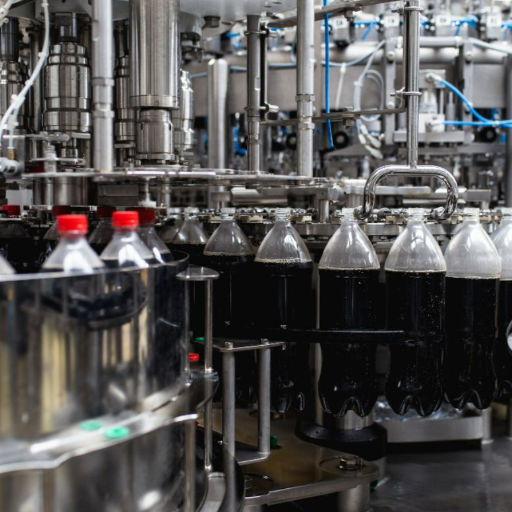
Assessing Equipment Condition
The process of evaluating used equipment needs to begin with a complete inspection which will determine its operational capabilities and trustworthiness. The first step requires operators to check equipment’s actual state while searching for any evidence of usage problems which includes physical impairment and material breakdown. The operational testing process enables verification of complete system functionality to ensure that all parts operate according to established design standards. The examination of maintenance documents together with other existing records provides essential knowledge about equipment maintenance practices and the frequency of scheduled repairs. The equipment needs to meet existing safety regulations and certification standards which brings additional safety verification measures. The assessment process helps buyers reduce risk while making educated choices which results in them receiving extended benefits from their acquired items.
Understanding Hidden Costs
When evaluating a purchase, it’s vital to consider not only the upfront price but also the hidden costs which emerge during the time the product is owned and used. The expenses which need to be paid throughout the product’s life begin from maintenance costs and reach their peak through operational expenses and necessary repairs which take place over time. Energy efficiency ratings from equipment testing determine how much energy users will pay for their utility bills while replacement parts show different patterns of market availability and pricing. Buyers use warranty details together with expected product lifespan to identify and control their concealed expenses. The combination of precise information and complete product assessments allows people to achieve full understanding which shows that their financial commitment will bring them practical value as well as budget efficiency throughout its entire duration.
Evaluating Warranty Options
The assessment of warranty options requires complete analysis of all terms and conditions that each plan presents. The total worth of a warranty shows major changes from the combination of its two main elements which include the time period it protects and the specific repairs it covers and the exceptions it establishes. The process needs equal weight for two elements which involve assessing the trustworthiness ofboth manufacturers and third-party service providers because dependable service prevents major problems during the claims process. The buyer needs to assess warranty costs against potential repair expenses because this evaluation determines whether the plan meets their requirements. Customer reviews and industry research together provide important information about warranty providers which helps customers make informed choices. The selection of an appropriate warranty needs the evaluation of three factors because it requires assessment of initial costs and protection value and long-term advantages.
Exploring Different Categories of Used Equipment
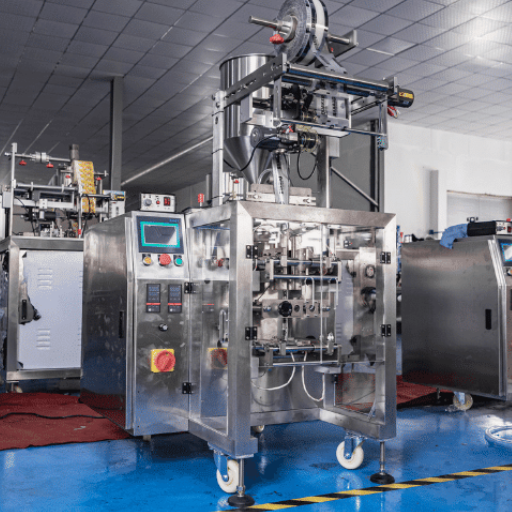
Used Brewing Equipment
When purchasing used brewing equipment, it is necessary to evaluate three aspects which include equipment condition and equipment age and equipment compatibility with your brewing process. High-quality used equipment, which includes fermenters and kettles and filtration systems, provides substantial cost benefits at the same performance level when the equipment has received proper maintenance. The equipment needs inspection because wear components, which include dents and corrosion, will impact its operational capabilities and longevity. The equipment size and capacity need assessment because they must match your production requirements and operational objectives. Brewing professionals prefer to acquire equipment from reputable suppliers and industry networks because this method delivers higher product history details and equipment quality transparency.
Used Food Processing Equipment
Buying used food processing equipment provides businesses with an affordable solution that enables them to improve their operations without exceeding their financial limits. Companies that choose pre-owned equipment can obtain high-quality machinery which meets industry standards at a cost that is much lower than purchasing brand-new equipment. The delivery of used equipment can occur immediately which enables businesses to increase their production capacity at a faster rate. Startups and established businesses both find used equipment to be a practical option because it delivers dependable performance when companies maintain it and they obtain it from trustworthy vendors.
Used Commercial Beverage Equipment
The used commercial beverage equipment market provides multiple benefits to food and beverage businesses through its investment opportunities. The primary advantage of used equipment brings cost savings because businesses can obtain top-quality machines at reduced prices compared to purchasing brand new equipment. The available used equipment options include products from reliable manufacturers who have established their reputation for building long-lasting and high-performing items. Businesses can achieve immediate facility readiness because they can install essential equipment without experiencing the delays that result from manufacturing and shipping processes for new products. The used equipment from diligent suppliers undergoes extensive quality testing and maintenance work which ensures that it meets all operational requirements. The company can achieve budget optimization through these advantages while it maintains operational effectiveness and market competitiveness in an industry that experiences continuous changes.
Comparing New vs Used Equipment
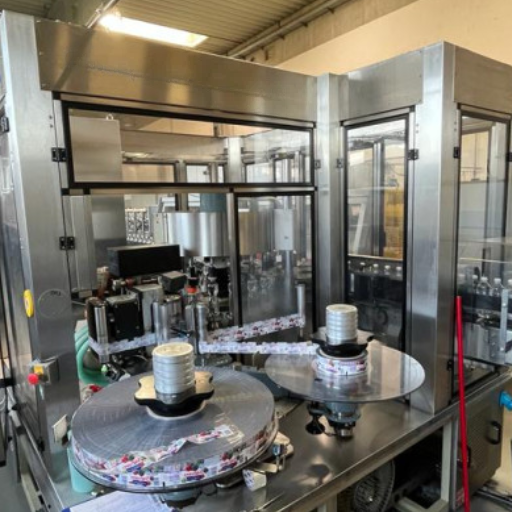
Cost Analysis: New vs Used
| Feature | New Equipment | Used Equipment |
|---|---|---|
| Upfront Cost | High investment required | Significant savings (lower initial cost) |
| Lead Time | Longer (manufacturing + shipping) | Immediate availability |
| Technology | Advanced/Latest energy efficiency | Potentially outdated/Higher utility bills |
| Protection | Manufacturer Warranty | Requires careful assessment of terms |
The business requirements together with the industry standards determine which equipment type between new and used equipment brings more cost effectiveness. Organizations that need to remain competitive through latest equipment features together with energy-efficient solutions should invest in new equipment. Used machinery provides organizations with a budget-friendly solution which meets their operational requirements when equipment costs present major difficulties.
Long-term Value of Used Equipment
Used equipment can deliver extended value to its purchasers when they buy the equipment through careful selection and maintain it through proper maintenance methods. Businesses can use pre-owned machinery as their main advantage because its lower purchase price enables them to spend money on other business needs or investment opportunities. Pre-owned equipment experiences slower depreciation because its resale value remains constant over time which differs from the depreciation pattern of new equipment. Many industries regularly implement refurbishment and retrofitting strategies which enable older equipment to be upgraded with newer technology that extends its operational life and efficiency. Businesses can obtain dependable equipment through used equipment assessment which evaluates its condition and performance and service history.
Repair Costs and Maintenance
The assessment of used equipment requires evaluation of its repair expenses together with its maintenance needs because these factors determine total cost efficiency. Businesses need to consider their future repair needs and regular maintenance requirements despite having lower initial expenses. The development of diagnostic tools together with predictive maintenance technologies enables better equipment health monitoring and earlier issue detection and timely repair planning, which helps to decrease expensive downtime. Regular maintenance not only extends the lifespan of machinery but also ensures consistent performance and safety standards are met. Through the assessment of both repair records and maintenance requirements companies can establish their purchasing decisions while enhancing their operational efficiency throughout the entire business operation.
Where to Buy Used Beverage Equipment
Online Marketplaces
The process of finding secondhand beverage equipment becomes easier through online marketplaces which provide extensive product selection. You can find multiple equipment options through eBay and Craigslist which display listings from both businesses and individual sellers to let you choose different pricing and equipment options. The platforms provide you with reviews and ratings together with seller profiles which you can use to evaluate seller trustworthiness before you buy. The specialized websites Bid on Equipment and APEX Equipment together provide used beverage equipment listings which meet the specific requirements of the beverage industry.
The best way to find used equipment exists through restaurant and foodservice supply companies which operate their online stores to sell their used inventory. WebstaurantStore and Burkett Restaurant Equipment provide customers with refurbished items at discounted prices which have undergone quality inspection and testing. Suppliers of this kind provide product warranties which enable you to feel more confident about your purchasing decision. Online auction platforms such as GovDeals and Liquidation.com enable users to acquire equipment through bidding at affordable rates.
Local Dealers and Auctions
You can discover quality used beverage equipment through two methods which include working with local dealers and attending auctions. The equipment inspection process allows you to examine products before making a purchase because local dealers establish their business reputation in the community. The equipment testing process allows you to inspect equipment which enables you to evaluate its condition and functionality and suitability for your needs. The process of buying from auctions allows you to acquire multiple items at lower prices because auctions sell equipment to buyers who want complete sets of equipment. You can find hidden treasures which remain unlisted on the internet by visiting these locations and monitoring their upcoming events.
🛡️ Tips for Safe Transactions
To ensure safe transactions when people buy equipment, they first need to verify whether the seller or platform they use is genuine. People should search for reliable marketplaces that provide strong protection to buyers while they check seller ratings and customer feedback from previous buyers. People should always meet in public places to check or buy equipment because they should bring a friend to protect themselves. Users should select payment methods which include fraud protection through credit cards and escrow services, instead of using cash or bank transfers. People should check equipment condition, and they must get all essential documents, including ownership proof and maintenance records, to prevent future arguments. The steps you take to protect yourself will help you make secure transactions with complete confidence.
Reference Sources
- A Guide for Purchasing Food Service Equipment: This guide provides insights into purchasing food service equipment, including considerations for used items.
- Investigating the Prevalence and Reduction of Single-Use Food and Beverage Items: A study on sustainability practices, including the use and purchase of beverage-related equipment.
- Making a Green Machine: A detailed look at the recycling and reuse of beverage equipment and containers.
Frequently Asked Questions (FAQs)
Q: How does new equipment compare to used equipment when starting a brewery?
When choosing between new equipment and used equipment, you should compare the expense of new equipment with the financial advantages that come through using used equipment. New equipment provides customers with security because it includes warranties together with maintenance schedules that customers can easily predict, while used equipment offers customers access to various used machines at reduced initial costs. The maintenance of used process equipment and commercial brewing equipment requires documentation of maintenance activities and thorough examination to prevent unanticipated equipment breakdowns. The equipment performance directly impacts product quality, so you need to evaluate your customization needs together with your requirement for either a complete new brewing system or a used system that allows modifications. For many craft beer startups, opting for used equipment offers good deals that stretch startup capital while allowing future investment in upgrades or customization.
Q: How should I inspect the equipment before purchasing a used piece of equipment?
You should Always inspect the equipment through direct examination whenever possible. You need to conduct a complete equipment inspection which will identify all signs of wear and tear while assessing food grade compliance and evaluating the overall condition of seals and valves. The sellers need to provide maintenance records and show equipment operation to help you evaluate both equipment performance and upcoming repair expenses. You should search for corrosion and leakage signs and evidence of repairs which will show potential equipment lifespan reduction in your used equipment. When you are unable to inspect equipment on your own, you should employ a third-party inspector who has expertise in inspecting used brewery equipment and used food equipment. The detailed equipment inspection allows you to identify hidden expenses while helping you choose between purchasing new equipment or selecting a used equipment option.
Q: What should I expect from reputable used equipment dealers?
Reputable used equipment dealers usually operate their business by purchasing and selling commercial brewing equipment and used process equipment which they support with warranty and limited guarantee options to improve customer trust. The company must provide complete maintenance records together with precise equipment descriptions and specific details about any system modifications that were made in previous installations. Local used equipment sellers can help arrange equipment transport and may allow you to inspect equipment in person before completing a sale. A trustworthy dealer will advise on the costs of used equipment versus purchasing new and help you evaluate the right equipment for your capacity and goals. The process of buying used equipment from reliable sources not only decreases the chances of expensive repairs but also assists you in discovering valuable equipment that comes with affordable pricing.
Q: What are the cost implications and savings when choosing to purchase used beverage equipment?
The most immediate benefit of choosing used equipment creates cost savings through lower initial expenses which reduce the amount of money required to purchase new equipment. The market value of used equipment depends on its condition through its age and brand and the extent of refurbishment or customization work which has been completed. Used equipment requires more maintenance work than new equipment needs because it needs more replacement parts. You should calculate total costs by estimating future repair needs which arise from equipment maintenance. You should evaluate your used equipment based on its duration of use and its actual period of functioning until you determine whether the seller provides warranties and maintenance records that enhance equipment usage reliability. The evaluation process for used equipment needs to consider both immediate cost reductions and future operational expenses.
Q: How do safety standards and food grade requirements affect purchasing used equipment?
Food grade certification and compliance with safety standards are essential when purchasing used food or beverage equipment to ensure product safety and regulatory approval. Equipment inspection requires assessment of all equipment modifications which could potentially create risks that endanger food grade surfaces. Some used equipment dealers will refurbish tanks and lines to food grade specifications which adds value and peace of mind. The cleaning history of equipment requires verification because equipment maintenance records must be obtained to protect against contamination risks. Your organization needs to spend money on refurbishment or purchase new equipment because safety standards remain unverified.

DU
Articles: 45
Trending now