Get in touch with Victorystar

UHT Sterilizer and Pasteurization Systems – Aseptic Manufacturer

Contents
show
Precision, consistency, and safety form the paramount triangle for the food and beverage sector coping with their manufacturing processes. Ultra-Heat Treatment (UHT) processing systems for sterilization and pasteurization are integral technologies used to achieve this, designed for extending shelf life while preserving the quality and nutritive value of the products, they are building blocks of aseptic manufacturing processes. This paper hence speaks of the ultra-heater and pasteurizer sets in aseptic processing, which are said to be men of sacrifice when it comes to product integrity and consumer protection. We anticipate subjects like exhaustive technology analysis, operational benefits and practices-features accepted as modern industry benchmarks driving the much-needed innovation, performance, and efficiency in the powerhouse industry that is the food and beverage sector.
Overview of UHT Sterilization
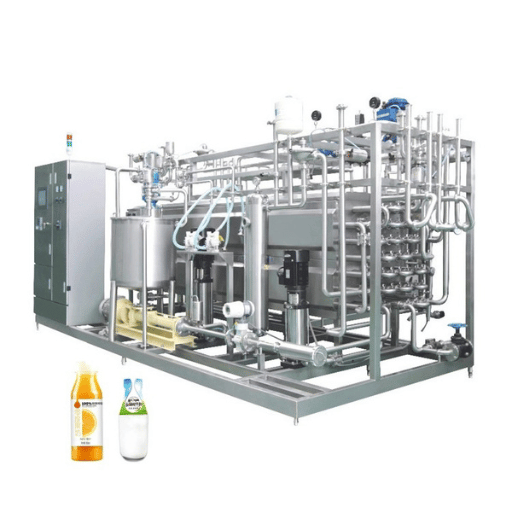
Ultra-High Temperature (UHT) sterilization is a form of thermal treatment that serves to sterilize liquid products such as milk, juices, and various beverages by heating them to a typical temperature of around 135°C to 150°C, held for a moment or so. During this process, the rapid heat elimination of adverse microorganisms does not harm the nutritional and sensorial properties of the product. These sterilized products are then packaged under aseptic conditions to ensure long shelf life and do not require refrigerated storage. The most efficient and reliable sterilization process in the food and juices industry will have to be UHT since it helps keep the integrity of the product in the formula.
What is UHT Sterilization?
The Ultra-High-Temperature (UHT) sterilization is a thermal treatment method that ensures high-quality food and beverage products and increases the products’ shelf lives. UHT entails flash-heating liquids – such as milk and juice – to very high temperatures ranging between 135 and 150°C in possibly 2–5 seconds. By reaching UHT temperatures, harmful pathogens and spoilage agents are effectively killed or minimized. However, beneficially, the flavor, texture, and nutritional integrity of the product also endure retainment and destruction during this brief, high-temperature killing time.
Following sterilization, the product is then packed in a manner that protects its quality without refrigeration. Clearly, this method is an innovation, through ensuring food safety, reducing waste, and enabling global distribution.
Importance of UHT in Food and Beverage Production
UHT, or ultra-high temperature, impacts the need for refrigeration by increasing the shelf life of perishable products. It has made it possible to safely ship and store liquid products such as milk and juices across huge distances, ensuring wider reachability. Moreover, UHT retains certain essential nutrients and sensory quality, so this has become a choice treatment to food suppliers and the consumers. In the context of modern food production, reconstructions for reducing food loss and therefore supporting global supplies underline the indispensable part UHT processing plays.
Key Players in the UHT Sterilizer Market
The UHT sterilization market has been dominated by firms that bring to market new ideas in solution for the food and beverage industry. Main players are Tetra Pak, famous but its advanced UHT technology and sustainable packaging solutions; GEA Group, which is engaged in developing good and efficient thermal processing systems; and Alfa Laval, which is a well-known supplier of sterilization equipment with superior energy efficiency. Other aggressive players are SPX FLOW, ProXES GmbH, and MicroThermics, which undertake operations expand their global footprint in the quest to perfect advanced UHT solutions for food factories. These organizations enhance stand for improvements in safety and efficiency of food processing and therefore play a key role in extending shelf life.
Leading UHT Sterilizer Manufacturers
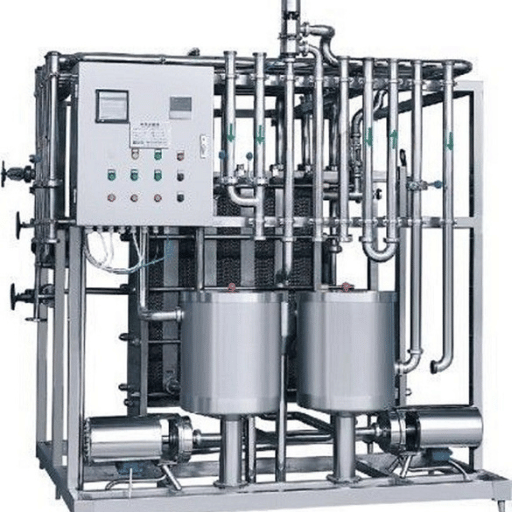
UHT sterilisation, a well-dominated and innovaive sector with its application in the areas of virility as well as quality. The major players include:
1. Tetra Pak
A global leader in providing food processing and packaging solutions along with advanced UHT sterilizer equipment beneficial for operational efficiency and safeguarding product integrity.
2. GEA Group
Known for ultra-modern engineering and process technologies in liquid processing agriculture, which include advanced UHT systems.
3. SPX Flow
A leader in offering fluid handling and thermal processing solutions that include versatile UHT systems for a wide array of applications.
4. Alfa Laval
An established name in efficient heat transfer and fluid handling, offering environmentally friendly UHT solutions that are tailor-made for the food and beverage sectors.
Of late, the companies have made their mark in the industry for their exceptional history of providing reliable sterilization systems that can face the demand of the modern food plants.
Global Leaders in UHT Sterilization Technology
At all times, the makers of UHT sterilization technology have been outstanding in the domains of innovation, exact engineering, and keeping to industry standards all the time. Through a collection of wonderful care-intended services for processing plants, such companies as Tetra Pak and Alfa Laval have indeed made it. These solutions focus on efficiency, or sustainability, and tantalize people with growth potential. Product safety and far-reaching shelf stability are also catered to. State-of-the-art methods in thermal processing are leveraged by these United Paper Manufacturers to create machines that ensure optimal productivity yet maintain the company’s very high levels of quality and health/safety standards in food and beverage.
Case Studies of Successful Implementation
Case Study 1: Efficient Dairy Processing with Tetra Pak
The world’s major dairy producers adopted Tetra Pak’s integrated processing solutions to tackle the growing demand for continuous milk processing. Adoption of Tetra Pak’s high-tech UHT (Ultra High Temperature) processing systems resulted in a significant increase in capacity without any compromise in the quality of the product. Within these systems there existed the most advanced thermal processing technology that was less offensive in preserving the shelf life of the product.
Result: This type of system is 20% more energy efficient, which really underscores the fact that it is sustainable.
Case Study 2: Enhancing Beverage Production with Alfa Laval
An internationally operating beverage company took a step to socialize the plant; the plant which largely employs the innovative technology, in compliance with strict hygienic standards, provided heat exchangers and centrifugal separation systems. This company has been through the installation of new machines which greatly improved their production capacity by reducing product wastage and downtime.
Result: They raised the capacity by 15% and consequently, they complied with all certification standards, thereby combining with assurances about distributing top-quality beverages on the market.
Such case studies point out the key advantages gained through the use of sophisticated processing systems such as more sustainable options, better production, and enhanced product quality.
Comparative Analysis of Major Manufacturers
This comparative study on the opportunities these markets can provide is of critical importance for any enterprise that is willing to invest in cutting-edge processing systems tailored to their operational and sustainability objectives.
Technological Advancements in UHT Sterilization
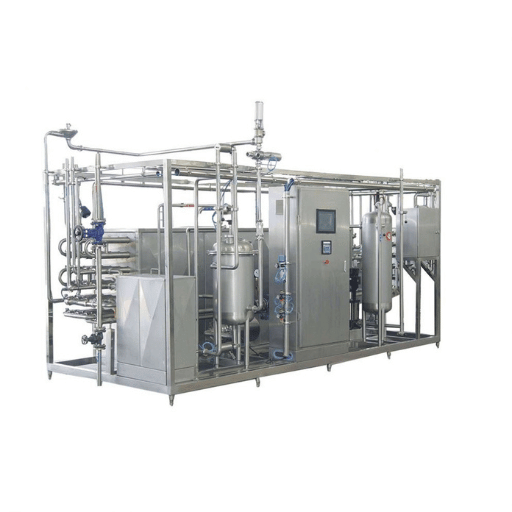
In the recent past, UHT sterilization has ushered in a new era of efficient, high-quality, and sustainable processes. The implementation of cutting-edge technologies like high-efficiency heat exchangers and direct steam injection has led to very little thermal damage to the products, thereby retaining flavor and nutrients. Furthermore, automated and real-time monitoring systems guarantee accuracy and lower the chances of mistakes in the operation. Moreover, the carbon footprint of UHT processes has been greatly reduced, which is in line with the global sustainability goal, through energy-efficient designs and the incorporation of renewable energy sources. All these innovations working together make it possible to produce more but at the same time not compromising the safety and quality standards.
Innovations in Tubular UHT Sterilizers
Modern tubular UHT sterilizers innovations prioritize enhancement of heat transfer efficiency, cooling down of fouling and prolonging operational life. Ultra-modern materials that are coated and treated for surface application have been able to reduce the formation of any residue to a minimum, which means that the thermal performance remains constant and the cleaning cycles are less frequent.
Real-time processing parameter adjustments made possible by the introduction of smart control systems result in energy usage being optimized and exact temperatures for sterilization being achieved. These improvements not only lead to better operational efficiency but also play a big role in preserving the quality of heat-sensitive products, thus satisfying both the standards set by the industry and the expectations of the customers.
Heat Exchanger Technologies
The technologies of heat exchangers have made a big leap forward in the direction of energy efficiency and process optimization in a multitude of industrial applications. Modern designs are able to assure operational efficiency by enhancing heat transfer coefficients and at the same time lowering the pressure drop. There are several technologies like plate heat exchangers, shell-and-tube systems, and regenerative heat exchangers which have been specifically adapted for different ranges of applications such as high-temperature processes and situations where compact solutions are required. In addition, the advancements in material engineering such as the use of corrosion-resistant alloys and composite materials have not only improved the thermal performance of these systems but also prolong their life. These innovations highlight the heat exchangers’ indispensable contribution to the industry’s thermal management solutions that are sustainable, reliable, and cost-effective.
Integration with Filling Machines and Processing Lines
The combination of heat exchangers along with filling machines and lines processing is imperative for keeping the product quality and the operational efficiency at the maximum level. The combination applies very accurate temperature measurement and control especially in such important processes as pasteurization, sterilization, and cooling. Being in a stable thermal condition, heat exchangers block the entrance of microorganisms, and consequently, spoilage because they are highly effective in maintaining the quality of the product and lengthening its shelf life. Moreover, integration done flawlessly cuts down the consumption of energy and the time of machine downtime thus boosting production throughput. The choice of the correctly designed heat exchanger and the compatibility of the materials with the product type are crucial in getting the performance of the unit to be dependable and within the standards set by the industry.
Benefits of UHT Sterilizers for Manufacturers
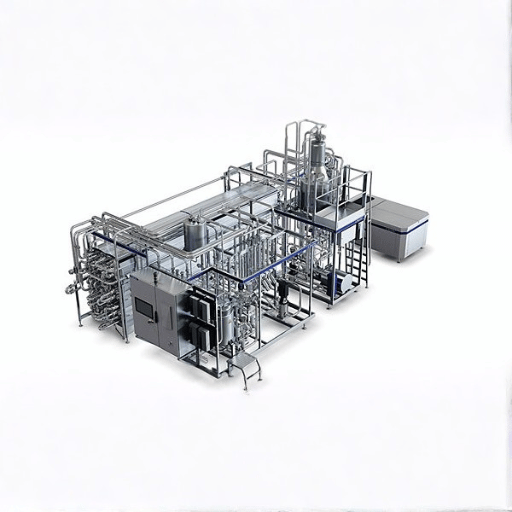
UHT sterilizers are equipped with several advantages that are crucial for manufacturers, thus making them more efficient and of better quality:
Key Advantages
- Extended Shelf Life:
UHT sterilizers kill the microorganisms to the full extent by a process of heating the product to ultra-high temperatures (150-300°C), so that the products can stay edible and safe for even longer time periods without fridges. - Cost Efficiency:
The overreliance on cold storage and transport is reduced which in turn leads to significant lowering of energy that will be used throughout the supply chain. - Product Versatility:
UHT treatments are applicable for almost all kinds of liquid products, including dairy, juices, and plant-based drinks, allowing the manufacturers to widen their range of products. - Consistent Quality:
The latest and most reliable sterilization methods provide the same quality throughout the entire produce ensuring that the product’s original taste, texture, and nutritional value are maintained, and the standards set by authorities are met. - Sustainability Improvements:
The latest UHT plants are being built not only to conserve energy but also to comply with the green marketing concept by using less water and energy.
In this way, UHT sterilizers stand out as a necessary technology for manufacturers who wish to improve their processes, lower their expenses, and satiate the public’s demand for safe and lasting products.
Extended Shelf Life of Liquid Products
The major factor that contributes to the prolonged shelf life of liquid products made through UHT sterilization is the process quality which completely eliminates the microbial contaminants and deactivates the enzymes that lead to spoilage. UHT does so by applying heat rapidly to the liquid product and bringing it above 135°C for a few seconds which in turn guarantees sterility and organoleptic qualities as well. This method allows milk, juices, and plant-based drinks to be stored safely without refrigeration for a long time which thus enhances the logistics and also decreases the waste. For the manufacturers UHT innovation means both quality assurance and market expansion, keep in line with the consumer demand for easy-to-use, shelf-stable products.
Improved Product Safety and Sterility
UHT processing provides a remarkable improvement to the safety and sterility of the products by the total destruction of the pathogenic microorganisms and spoilage enzymes through accurate heat treatments. The aseptic methodology of UHT prevents any contamination of the products during packaging, thus, sterility is maintained for the whole shelf life. The method conforms to very strict food safety regulations, thus, the risks of foodborne diseases are minimized and the consumers receive the same quality of the product every time.
Cost-Effectiveness and Efficiency in Production
Aseptic processing is the most pleasant and economical approach from a cost and operation point of view for the manufacturer. It lowers bulk storage and shipping costs by lengthening product life without the use of any chemicals or deep-freezing. The high-speed filling and packaging systems that come with this process give production the maximum throughput, hence cutting down on the time and manpower costs. Besides, the lesser chance of contamination leads to less waste and fewer recalls of products which ultimately creates a production process that is both environmentally friendly and economic.
Considerations When Selecting a UHT Sterilizer Manufacturer
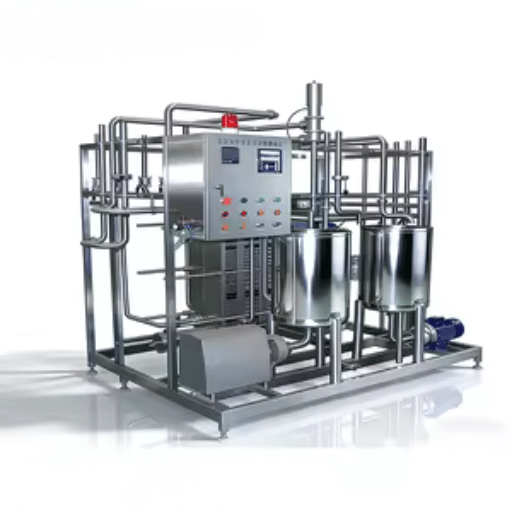
Selection Criteria Checklist
1. Reputation and Experience
Look for a manufacturer that has a long history of making UHT sterilizers of the highest quality. Seek out companies that are known for their reliability, innovation, and industry-specific solutions that work well.
2. Compliance with Standards
Make sure that the apparatus pass all the necessary regulatory and safety standards and the codes of good practices, to vouchsafe quality and legality at the same time.
3. Customization Options
Take into account if the creator provides varying designs that can be altered to match the particular production needs like volume or incorporation with the pre-existing systems of the plant.
4. Technical Support and Maintenance
Afterwards, the level of after-sales support, comprising training, maintenance services, and spare parts availability, must be assessed to minimize downtimes and ensure long-term functionality.
5. Energy Efficiency and Sustainability
Choose those manufacturers who have made it their practice to put energy-efficient and eco-friendly technologies first since it will not only cut down the costs but also support your environmental goals.
Thus, by emphasizing these factors, manufacturers will be able to choose a UHT sterilizer provider that is not only in line with their operational goals but also assures efficiency over a long term.
Critical Factors for Evaluation
Technology reliability, integration with current systems, and subject to standards are the main factors in assessing UHT sterilizers. Furthermore, the supplier’s unwavering support in after-sales matters like training and maintenance is an important factor in keeping the business running smoothly. Energy savings and green practices should be taken into consideration together with the modern operational requirements and the environmental goals to achieve. In the end, a thorough study of performance measurements, potential growth, and profitability gives a full backup for a smart choice.
Assessing Manufacturer Support and Service
The support and service from the manufacturer are very important factors that decide the longevity and reliability of equipment in operation. When evaluating, the dealer’s quickness to respond regarding technical problems, the stock of spare parts, and the range of their training for the end-users should be major factors in the evaluation.
A manufacturer with a strong service network and a history of quick interventions will minimize down time and thus less operational disruption. Besides, unambiguous service level agreements (SLAs) that describe the times for response, the schedules for maintenance, and the protocols for escalation, ensure that consistent support is given.
Giving preference to manufacturers with strong support frameworks after sales not only improves operational efficiency but also lowers total lifecycle costs directly.
Understanding Regulatory Compliance and Standards
Compliance with regulations and adherence to industry standards are important factors in the maintenance of operational integrity, safety, and legal alignment. Compliance includes the fulfilment of requirements imposed by authorities, which may consist of environmental regulations, workplace safety laws, and specific standards such as ISO or ANSI certifications for products. Besides that, compliance with the mentioned standards allows organizations to reduce not only their legal and financial risks but also to gain process reliability and trust of the stakeholders. On the other hand, not following the rules so that regulatory requirements can be complied with could lead to various issues, such as penalties, lawsuits, and damaged reputation, thereby highlighting the importance of having a proactive compliance strategy that is constantly supported by regular audits and strict documentation practices.
Reference Sources
Mordor Intelligence – UHT Processing Market
Presents the market for UHT processing in a comprehensive way by coming up with data on its size, growth, and leaders in the industry.
Knowledge Sourcing – Ultra-High Temperature Processing Market
Makes a thorough analysis of the UHT processing market by introducing market estimates, major players, and trends.
Future Market Insights – Ultra-High Temperature Processing Market
Shows the world’s top companies in UHT processing along with their innovative technologies.
Fortune Business Insights – UHT Processing Market Report
Looks into the world’s UHT processing market, its growth, and future projections.
Pilotech – UHT Sterilization vs Pasteurization
Profiles the similarities and differences between UHT sterilization and pasteurization, and lists their respective application areas.
Frequently Asked Questions (FAQs)
What is a UHT sterilizer used for?
UHT (Ultra-High Temperature) sterilizers are the machines that carry out the sterilization of liquid products such as milk, juices, and other drinks. These products are subjected to heating at high temperatures for a brief time to ensure their safety and also to prolong their shelf life.
What industries commonly use UHT sterilizers?
UHT sterilizers find broad applications in the dairy industry, the beverage industry, pharmaceuticals, and food processing.
What are the advantages of using a UHT sterilizer?
Advantages comprise a longer product shelf life, a lesser requirement for cooling, and the possibility to preserve the food’s nutritional and sensory qualities.
What is the difference between UHT sterilization and pasteurization?
UHT sterilization applies a higher temperature (135–150°C) for a very short time in contrast to pasteurization where lower temperatures (60–85°C) are used for a longer time.
What certifications are required for UHT sterilizers?
Certifications such as ISO, CE, and compliance with FDA regulations are necessary to assure adherence to industry standards and safety of the product.

Candy
Articles: 37
Trending now