Get in touch with Victorystar

What’s the Safest Material for a Water Bottle? Key Factors to Consider for Everyday Use

Contents
show
Safety and functionality must be considered when buying a water bottle. With all the options to choose from, of plastics, stainless steel, glass, and more, an enthusiast may get confused quickly! And if the bottle can affect your health-or maybe if the bottle affects the environment-well, there lie even more factors to consider! The article discusses some things you should consider when deciding what is the safest and best material for your daily-use bottle. From finding out whether there is contamination by chemical leach or whether the bottle is tough and friendly to our environment, you will be able to make a good judgment. Keep well hydrated and stay healthy with the bottle shaped around your lifestyle!
Introduction to Water Bottle Materials
Overview of Common Water Bottle Materials
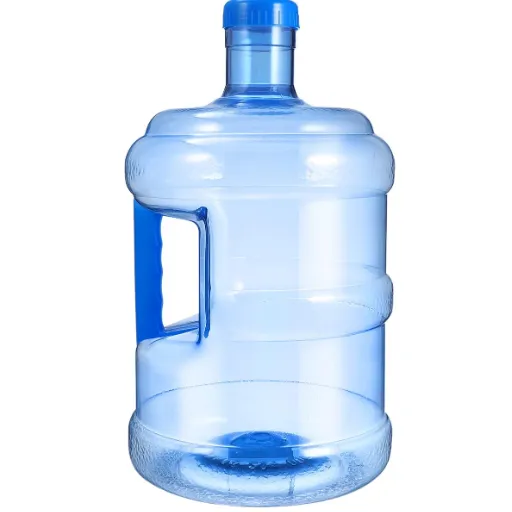
About water bottle materials, several common options come with distinguished advantages and disadvantages. Plastic bottles are lightweight, cheap, and shatter-resistant, which allows one to carry any type for everyday use. On the downside, many purchasers have turned to alternatives mainly because of the suspected chemical leach, like BPA or microplastics, in plastic bottles. Stainless steel bottles serve as the durable and green alternative, well-known for their rust resistance and maintaining temperature of the beverage. They are more sustainable, yet they tend to get heavier and expensive. Glass bottles, conversely, have their purity level: they will not retain tastes or smells and will not leach anything into the water. However, they remain somewhat fragile and less viable for active on-the-go consumers. Aluminum bottles could be the lightest but, with interior linings in place, questioning the safety of that lining may arise. Knowing the pros and cons of a given material is your best bet in order to be confident in your water bottle choice with respect to the priorities you have at hand and your own health concerns.
Importance of Choosing a Safe Water Bottle
Safety remains paramount when choosing any water bottle for personal health and well-being. Some suitable materials that could reduce exposure to harmful substances and so assure that your drinking water remains pure are BPA-free plastic, stainless steel, or glass. Unsafe materials, if used long-term, could leach toxic substances that might be harmful to humans over time, as research has found. Reusable water bottles also offer a sustainable building block against the increasing environment single plastic waste issue. Updated information on modern improvements such as those on aluminum bottles’ liners or the glass bottles’ sturdiness will certainly prove useful as you decide which bottle to choose. So, choosing a safe water bottle fosters an environment where personal health and environmental health go hand in hand.
Health Implications of Water Bottle Materials
And, of course, the whole idea of the materials for water bottles is essential for safety and long-term health. Stainless steel bottles are very much recommended owing to their durability and non-corrosive nature, and they contain no chemicals that could jeopardize the safety of being used on a daily basis. Glass bottles go down in history as the purest of bottles for holding water and retaining its taste and thus safe, since they do not leach anything from their walls into the liquids asked to be held by them. Plastic bottles have been increasingly regarded with skepticism in recent years, especially if they contain BPA or other toxic additives, due to their chemical leaching habits when exposed to heat. Materials that do not contain BPA and polyethylene-based materials have given us healthier hard plastic options, though it is necessary to verify the grade and certification of these plastics. Regularly check your water bottle for any signs of wear and tear, as this upkeep ensures cleanliness and discourages the accumulation of harmful microbes or chemicals.
Plastic Water Bottles: Safety Concerns
Types of Plastic Used in Water Bottles
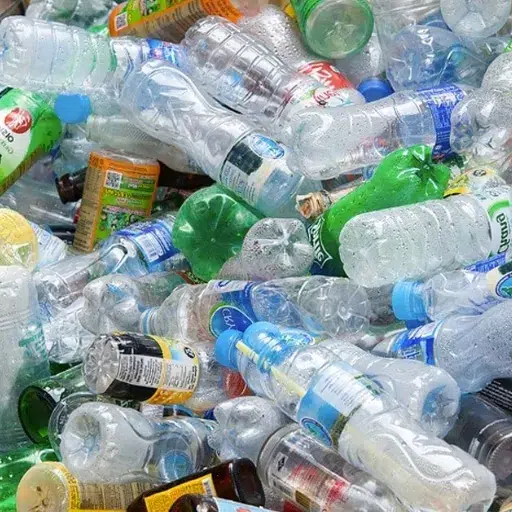
Manufactured usually using different materials, plastic water bottles have their distinct properties, benefits, and concerns associated with them. Being light in weight and also the ability to maintain the quality of the liquid being stored gives slight precedence to polyethylene terephthalate or PET (or PETE). It is a very common material in disposable water bottles and recycling, although controversies continue concerning its environmental effect.
Another popular material for recycling is high-density polyethylene, mainly due to its ability to resist cracking and wear and tear. It is considered food-safe and less likely to cause any chemicals to leach into the liquid. Another material, polycarbonate plastic, was widely used in many reusable bottles, but with its fears over BPA being cast aside.
In the present days, these polymers are used as safer alternatives to BPA plastics. They are considered to be free from any harmful chemical while remaining attractive in terms of durability, clarity, and impact resistance. Advances notwithstanding, it is recommended that the consumer carries past perception of the conditions and certifications for safety that each plastic stands for so as to purchase something that will actually safeguard his own presence and the environment.
Leaching: What You Need to Know
Leaching is a process by which chemicals in materials-from plastics, among others-might pass into the items with which the material comes in contact, particularly food or liquid. Leaching characteristics vary with temperature, various types of liquid, and the period of contact. Leaching is fastened under high heat or with acids. Chemicals like bisphenol A (BPA) and phthalates have been labeled as health hazards that may interfere with hormones and affect long-term health. Research has indicated the importance of using materials certified for food and beverage storage in order to minimize any potential health concerns. Avoiding leaching can greatly help in everyday materials being safer by using alternatives such as glass or BPA-free plastic.
Choosing BPA-Free Plastic Bottles
The BPA-free plastic water bottles are safer for storing soft drinks so that the drinks do not get exposed to harmful chemicals such as Bisphenol A. Health-wise BPA-free plastic bottles are designed in such a way that no toxins would leach into the drinks under any temperature conditions. Most of the BPA-free bottles are light, strong, and great for lifestyles on the move, offering all the convenience along with that peace of mind. Another thing that wants to be underlined is that newer technologies have assured that such bottles might be readily cleaned, reused, and recycled without any hassle, fostering an eco-friendly culture. Therein lies the pragmatic and conscientious consideration for any consumer who is health and environmentally conscious.
Glass Water Bottles: Pros and Cons
Health Benefits of Glass
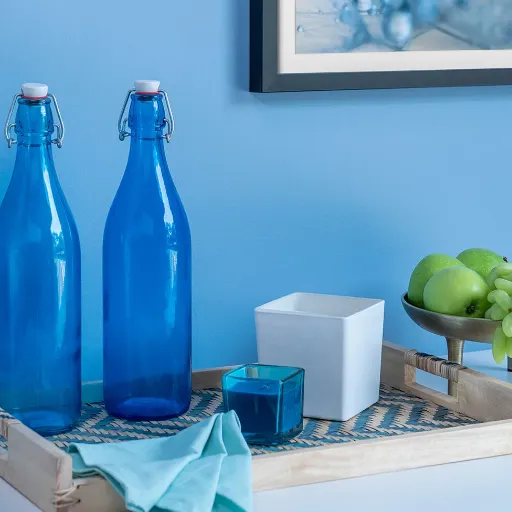
Glass water bottles have for the longest time been considered among the safest and healthiest options for keeping various beverages. One great point of consideration is that glass is a non-reactive material, which means that there cannot be a release of any sort of chemicals or toxins into the liquids, whether they are exposed to great heat or stored for a long time in glass containers. For that very reason, glass has been chosen where the purity and tasting of the water or beverages are concerned. Plastic bottles are always under suspicion for containing harmful chemicals like BPA or phthalate that may pose health risks. At least in glass bottles, the buyers need not bother about such things since they will be battling to keep their drinks intact without unwanted substances.
In addition to another important feature, washing glass water bottles is quite easy. Being non-porous helps to stop bacterial buildups, odors, or residue from forming, making the bottle sterile even after prolonged use. This factor comes paramount if you want a bottle that promotes health and sanitation. The bottle could also undergo stains from high temperatures in a dishwasher without degradation or release of any nasty chemicals. Therefore, the strength of the glass makes it a better option from the health standpoint and also towards reliability in the long run.
Additionally, glass is the perfect choice for someone who has anywhere from sensitivity to allergies. It does not break down, nor does it interfere with the preservative, hence reducing the cases of reaction that could arise through contamination or degradation. The transparent properties of glass help consumers to greatly feel sure about what they are consuming since they can see through it. These qualities of glass extend the glimmerings of an eco-conscious recyclable mind, in turn making the glass water bottles a preferred choice for the discerning few who advocate health and environment.
Durability and Safety of Glass Bottles
Glass bottles are famous for their strength and safety if they are handled correctly. Modern technologies make glass very strong; it can stand all but the heaviest of impacts from daily use. For increased strength, tempering is used to manufacture glass, making it withstand temperature variations without cracking, perfect for containers to prepare hot or cold beverages. Glass materials cannot be toxic as they do not contain BPA or any other harmful chemicals sometimes found in plastic alternatives, thus guaranteeing that no unwanted substances will penetrate into the contents and weight down the purity and safety of the liquids stored therein. Provided that they are carefully designed and well handled, the bottle will be reliable and safe to use, weighing upon function and environment-friendly considerations into the package of sustainable living arrangements.
Popular Glass Water Bottle Brands
Hydro Flask
Known for its sleek design and durability, Hydro Flask offers glass water bottles that are BPA-free and crafted to maintain the taste integrity of your beverages. Their emphasis on high-quality materials makes them a popular choice for eco-conscious consumers.
Lifefactory
Lifefactory is renowned for its versatile glass bottles encased in protective silicone sleeves for added durability. The brand focuses on health-conscious and environmentally friendly designs, ideal for everyday use.
Ello
Ello creates functional and affordable glass water bottles featuring stylish designs. With easy-to-clean components and protective sleeves, their bottles are both practical and aesthetically pleasing.
Takeya
Takeya combines innovative design and functionality in its glass water bottles. These bottles are praised for their durability, spill-proof lids, and ergonomic designs that make hydration simple and enjoyable.
ZULU
ZULU specializes in glass water bottles with rugged designs built to withstand an active lifestyle. Products often feature silicone sleeves and locking lids, offering a balance of style and functionality.
These brands highlight the growing appreciation for sustainable and safe hydration options, catering to a variety of needs and lifestyles.
Alternative Materials: Aluminum and Copper Bottles
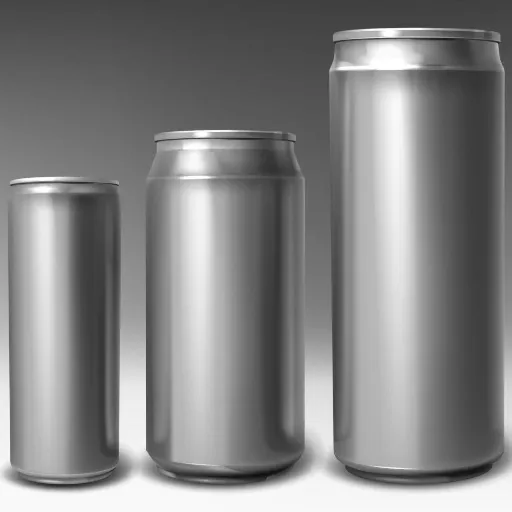
Understanding Aluminum Water Bottles
An increasingly preferred choice for that eco-conscious consumer seeking an umbrella alternative in sustainability as opposed to plastic is the aluminum water bottle. These bottles are lightweight and durable-easy to carry and able to take the rough handling of everyday use and outdoor adventures. And, when recycled, aluminum can be recycled 100%, which certainly means less impact on landfills and more on the environment, if done correctly.
The bottles are made from aluminum to be lined with BPA-free coatings so that no metallic dripping may go into the water and render it unsafe for beverage storage. These bottles also do an excellent job of storing the temperature of the liquid inside. cooled or hot for longer durations. In the meantime, never fill aluminum bottles with something too acidic or perhaps carbonated, as in due course, it will begin to wear down on the lining within. Aluminum water bottles, with their great design and resuse options, being also widely available, stand as an excellent aspiration for any eco-friendly way of living.
The Rise of Copper Water Bottles
Most particularly in relation to health, some with alternative views hold water copper vessel bottles as the new fashion trend. In antiquity and in Ayurveda, copper-metal has been thought to have the antimicrobial, anti-inflammatory, and antioxidant properties. Thus, drinking water from copper vessels is viewed by some as helping with digestion, immune function, and overall health. Furthermore, with the possibility of increasing the life and sustainability of copper water bottles, they are reusable and encourage the reduction of plastic usage. Modern designs embrace the old-world charm of copper to craft water bottles that are as much fashion statements as they are functional. While the scientific community still debates some of the health claims, the surge in popularity points toward a common awareness about natural materials and their possible welfare effects on daily living situations.
Safety Considerations for Alternative Materials
An exploration into alternatives like copper, stainless steel, or glass for everyday use has safety inattentions as a primary consideration. These alternative materials are generally touted to be green for the environment and perhaps, healthy for man, so thinking in terms of hazards is an essential one. For instance, copper utensils have to be lined with an appropriate road so as not to let in excess copper, which might be a health hazard if consumed in very large quantities; usually stainless steel is good as is food grade, provided it has no coatings or additives that might poison. In contrast, a glass being chemically inert and safe should be handled carefully to prevent breaking and injury from the shards. Apart from this, each item must be cleaned and maintained properly so that, according to the bacterium, they do not contaminate or yield any of the benefits: thus being a possible health hazard to man.
Making the Right Choice for Reusable Water Bottles
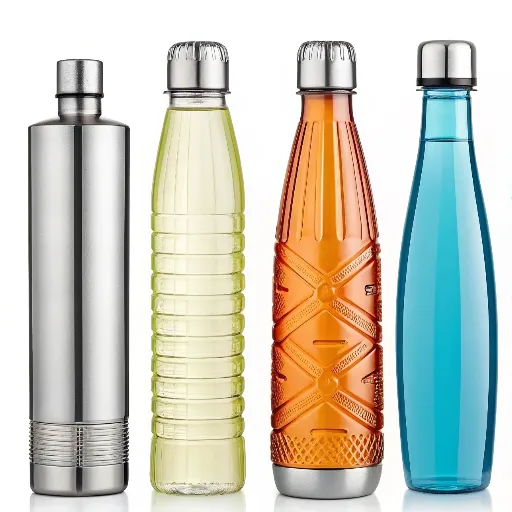
Assessing Your Needs: Daily Use vs. Active Lifestyle
For me, the very first factor to consider in any reusable water bottle is how the human will use it in their daily life or during an activity. For regular use, I consider convenience and usability to be top considerations. In my personal view, something lightweight, sturdy, and with a medium capacity (about 16 to 24 ounces) will remain on the desk at work, in a bag, or accompany one during errand runs. By contrast, materials such as stainless steel and BPA-free plastic fit all purposes for they are easy to carry and maintain during the day. Moreover, having a bottle with either a handle attached or a simple fit in a standard car cup holder can genuinely make that much difference in convenience.
When making matters of active life, my design needs veer toward performance attributes. The job of monocular is put on by durability in an active life: ergonometric design. From 24 to 32 oz, being large bottles for drinking enough to prevent constant refills, Insulated ones keep the water chilled for longer periods outside. Then, leakproof lids and wide-mouth design for easy filling and cleaning are features that I look for. However, during the sports time, one-handed water bottles or squeeze ones are so much helpful, as they let me drink while maintaining my flow.
The humble reusable water bottle has taught me that it depends on a balance between practicality and functionality. Where I’ll be using this bottle and how often will tell me if it fits right into my lifestyle, or it is better just to be used for working out and out in the field-fuel hydration.
Environmental Impact of Materials Used
The choice of materials involved in reusable water bottles is a major issue concerning my conscience about the environment. Stainless steel ranks high among reusable bottles in terms of being environmentally responsible because of its strength and recyclability. Concrete-wise, steel takes a lot of energy to create; however, since it has maybe the longest life spans of materials to measure in a water bottle and can be recycled time and time again without any loss in quality, all of these greatly diminish the environmental impact. Stainless steel is not going to leach any chemicals, thereby safe both for me and the environment. Also, it helps deplete the demand for single-use plastics that are one of the major forms of pollution.
Plastic bottles offer wonderful convenience, and BPA-free ones are a very economic choice. I just have to be aware of their potential environmental challenges. Even good quality reusable plastic bottles may deteriorate with use and find way into the waste stream. It’s the low recycling rates for plastic versus a material like stainless steel that will set me on looking into alternatives. Then there is glass, an entirely non-toxic choice that is recyclable but heavier and more prone to breaking, which may just pose an issue for my more streaming active engagements.
I tend to conclude decisions weighing the sustainability factor alongside the practicability of the materials in question. A water bottle made of materials friendly to the environment, such as stainless steel or recycled aluminum, helps muffle my carbon footprint-;together we can make the planet healthier. There is certainly no one best answer, but considering what materials to use helps me come to terms with function, safety, and environment.
Choosing the Healthiest Material for Your Water Bottle
My considerations when choosing the healthiest water bottle material are safety, longevity, and environmental impact. From my research, I have gathered that steel is probably the best due to its highly non-reactive properties and the great durability it has. It does not allow chemicals to leach into the drinking water, even when exposed to heat or acids. Also, it does not allow the growth of bacteria and is thus considered very safe and hygienic to use on an everyday basis. The steel is recyclable so this also meets with my personal sustainable drive of lessening garbage buildup.
The other strong alternative is glass, mainly due to purity and the presence of chemicals like BPA and phthalates found in some plastics that it lacks. Since glass is odor-, and flavor-retaining, my water tastes fresh and clean. What I have to weigh here is its fragility, so a bottle with a protective silicone sleeve is recommended for that matter.
The BPA-free plastic bottle might appeal to the consumer because it is lightweight yet Docker has served a concern against other chemicals that may leach with time. Therefore, I would rather just avoid plastics altogether. With stainless steel or glass, it is a more wholesome choice for both me and an environmentally conscious choice for Mother Earth.
Reference Sources
What is the Safest Water Bottle Material? – Discusses the safest materials like stainless steel, glass, and silicone, ranking them based on safety and usability.
3 Best Materials for Reusable Water Bottles Ranked – Highlights glass as the healthiest option and compares it with other materials like stainless steel and plastic.
How To Choose Safe Water Bottles & Our Favorite Brands – Provides a detailed ranking of water bottle materials, focusing on health and environmental impact.
How to Choose the Best Water Bottle for Your Health in 2025 – A video explaining the pros and cons of materials like plastic, stainless steel, glass, and copper.
What is the Best Material for Water Bottles? – A community discussion on the practicality and safety of different water bottle materials.
Frequently Asked Questions (FAQs)
What is the safest material for a reusable water bottle?
For many, the safest materials for a reusable water bottle are food-grade stainless steel. It is very durable, rust-resistant, and no chemicals leach from it into the drinking water down the health pathway. It is also convenient to wash and maintain, as steel bottles can be put in the dishwasher. The plastic bottles can still be dangerous for your health, with BPA-containing chemicals that are unsafe. The bulk of their users would rather choose stainless steel for longevity and temperature retention for drinking. On the whole, stainless steel can be a worthwhile ally in the safe hydration realm.
Are glass bottles safe for drinking water?
Water glass bottles are very well indeed regarded as safe containers for potable water and an alternative to their plastic counterparts… In most cases, water bottles are manufactured using borosilicate glass, which is resistant to thermal shock and does not leach chemicals into the water. Other additions to the bonoing of glass water bottles are those substances: BPA and other hazardous compounds much associated with plastics. The bottles are easy to clean, thus making them disparities to hygenic reusable containers. A glass bottle, however, must be handled with care to prevent breakage. The glass system thus represents a safe and environmentally conscious choice for hydration.
What materials should I avoid in plastic water bottles?
These plastic water bottles should never be selected if they contain polycarbonate since the substance might have BPA in it, which is said to cause numerous health conditions. Bottles with dangerous substances that can be leached out over time should also be avoided. In its place, reusable plastic bottles bearing the BPA-free label can be chosen, as these materials are generally accepted to be safer to drink water from. Avoid cheap plastic bottles that degrade and leach chemicals into your beverage. Always ensure through recycling codes that plastic bottles are indeed made up of safe material.
Are aluminum bottles a safe option for water?
The aluminum bottles are a safe choice for water especially when adequately lined with a good food-grade coating meant to prevent leaching. These bottles are light in weight and are very durable, making the bottles easy to carry for hydration while on the move. It does need some attention, though: the lining for the bottle should be free from harmful chemicals. Untreated aluminum has the unwanted property of reacting with acidic beverages. Coated aluminum bottles are, thus, a safer option. When selecting a bottle type, go for reputable brands that guarantee safe and quality materials in their lines.
What is the healthiest material for water bottles?
Food-grade stainless steel is often touted as the healthiest water bottle material. It does not leach chemicals into your drinking water, resisting bacteria; thus, the water bottle is hygienic. To top it, stainless steel water bottles are durable and reusable, and they maintain warm or cold temperatures better than plastic. Glass bottles, on the other hand, are also good options endowed with no harmful chemicals and lack any leaching of those chemicals into the water. Ultimately, a water bottle made out of stainless steel or glass remains a worthy choice for anybody who is worried about health effects stemming from use of their water bottle.
How do I choose the best material for a water bottle?
The selection of the ideal water bottle material depends upon considerations such as safety, durability, and ease of cleaning. Stainless steel has been seen to be the safest and most durable since it does not leach harmful substances and is resistant to rust. Glass bottles would suffice for those looking for a chemical-free option. While opting for plastic, one should consider BPA-free materials that are of high quality. Since versatility is key to anyone’s choices, consider whether you need a bottle for warm or cold drinks and select a material that suits that temperature range. Basically, different materials take positions depending on personal health grounds and lifestyle.

DU
Articles: 45
Trending now