Get in touch with Victorystar

FDA Compliance: Food & Beverage, 21 CFR Part Requirements

Contents
show
As per the provisions of the U.S. Food & Drug Administration (FDA), it is imperative for food and beverage manufacturers to follow 21 CFR Part 100 to the letter. The implications ensuing from this legislation directly impact product safety, quality, and market access. This article was created to help you navigate compliance provisions under CFR Title 21. Whether your concern is with Good Manufacturing Practices (GMP), labeling rules, or recall procedures, these insights will provide in-depth guidance on achieving compliance at an operational level. This foundation allows you to recognize compliance risks and establish strategies to maintain adherence for both your agents and your consumers.
Key Takeaway
Strict adherence to 21 CFR Part regulations is not just a legal mandate but a foundational requirement for ensuring public safety, maintaining brand integrity, and securing market access in the food and beverage industry.
Understanding FDA Regulations
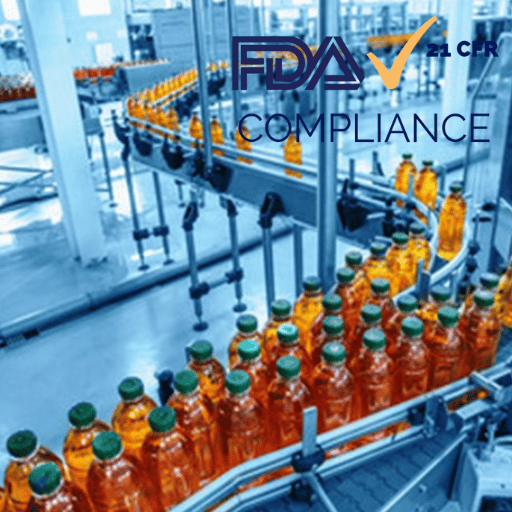
The main focus of FDA regulations is to ensure the safety, efficacy, and quality of public-consumption articles. These regulations apply to areas including drugs, devices, food, and cosmetics. The foundational considerations include:
- ✓
Product Safety: Manufacturers must ensure products are safe prior to reaching consumers. - ✓
Labeling Requirements: Clear and correct labeling is mandatory to inform consumers about ingredients, usage, and potential risks. - ✓
cGMP Compliance: Current Good Manufacturing Practices are essential for high-quality, homogeneity, and functionality in manufacturing. - ✓
Inspection and Enforcement: Regular facility inspections prevent compliance infractions and ensure proper oversight.
Understanding these core aspects is a must for any FDA-regulated company, as failure to adhere to these standards could result in legal complications and financial losses.
Overview of FDA Compliance for Beverage Manufacturing
Compliance in beverage manufacturing translates into strict points of due diligence required by FDA regulations, ensuring every safeguard is in place for product safety and quality at every production stage. This entails basic parameters such as maintaining sanitized production processes, keeping vivid production records, and verifying that ingredients are hazard-free. Hazard Analysis and Critical Control Points (HACCP) plans must also be in place to minimize risks from sudden or unpredicted hazards. At the same time, correct and concise labeling ensures transparency regarding nutrition and ingredients for the final consumer. Failure to comply is more than just a threat to public health; manufacturers face recalls, penalties, and loss of reputation. Aligning with regulations while adapting to market environments is indispensable for business continuity.
Key Components of 21 CFR Part Regulations
- 1
Good Manufacturing Practices (GMPs)
Standard regulations ensuring sanitation, equipment arrangement, and control steps to produce safe beverages. Adherence to current GMP standards minimizes contamination and preserves product integrity across batch numbers. - 2
Labeling Requirements
In conjunction with 21 CFR Part 101, manufacturers must correctly declare all ingredients, nutrition information, and potential allergens to ensure consumer safety. - 3
Facility Registration and Recordkeeping
Manufacturers must register facilities, maintain records of supply chains, and cross-check distribution activities to enable traceability for rapid responses to safety issues. - 4
Hazard Analysis and Preventive Controls
The law mandates identifying potential hazards in production and taking preventive actions, including constant risk assessment and defining critical control points. - 5
Recall and Reporting Obligations
Manufacturers must design recall procedures and provide prompt notification to the FDA and consumers in cases of product defects or contamination.
All these procedures ensure that beverage production aligns with safety, quality, and regulatory benchmarking in the interest of public health.
Importance of Regulatory Compliance in the Beverage Industry
Adherence to regulatory requirements is paramount in the beverage industry as it ensures public health, gains consumer trust, and maintains fair market practices. Compliance eliminates risks associated with contamination, mislabeling, and safety failures, protecting end users directly. Simultaneously, it ensures product quality, fostering consumer confidence and brand integrity. Failure to comply can command severe consequences, from legal penalties to product recalls and damage to goodwill, necessitating vigilance throughout production and distribution.
Compliance Requirements for Beverage Manufacturers
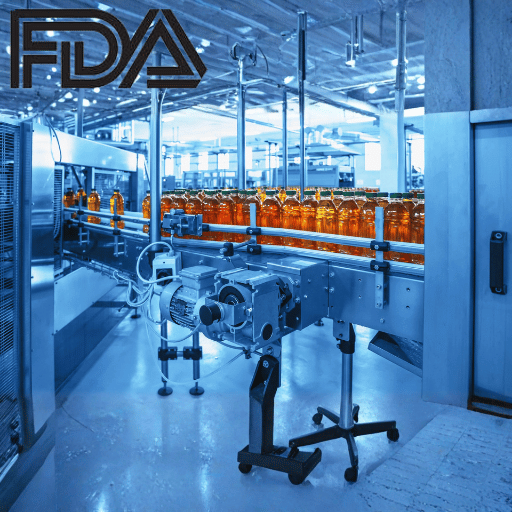
Manufacturers must stick to rigorous requirements to ensure product quality and integrity:
💡
Compliance Checklist
GMP (21 CFR Part 110): Sanitary conditions to prevent contamination.
HACCP (21 CFR Part 120): Preemptive risk identification and control.
Labeling (21 CFR Part 101): Correct ingredients, nutrition, and allergen listings.
Facility Registration: Required under FSMA for control and inspection.
Product Testing: Regular checks for contaminants and quality.
Essential FDA Compliance Requirements
FDA compliance guidelines have assumed greater importance for ensuring safe and quality foods and beverages. Key activities include strictly observing Current Good Manufacturing Practices (CGMP) for hygienic production, labeling products with nutritional and allergen info, FDA facility registration for supervision, and thorough testing for contaminants. These regulations are vital criteria, as conformity protects public health while mitigating legal and reputational risks for manufacturers.
Food Facility Registration and Its Significance
Registration of all domestic and foreign plants involved in manufacturing, processing, packaging, or storing food intended for U.S. consumption is mandated under the FSMA. This registration is the root of food laws; it allows the FDA to respond to public health risks through immediate supervision. Additionally, it provides traceability within the supply chain for efficient recalls and inspections. Failure to maintain active registration can cause business disruptions, including the detainment of shipments. This obligation contributes to industry safety and consumer interests.
Labeling Requirements Under FDA Regulations
FDA labeling regulations are detailed and aimed at transparency and consumer safety. Labels must contain product identity, net quantity, ingredients in descending order of weight, and the manufacturer/distributor details. Certain drugs and medical devices require additional safety information. Noncompliance can lead to regulatory actions like recalls or fines—making precision and accuracy in labeling paramount.
Food Safety and Quality Standards
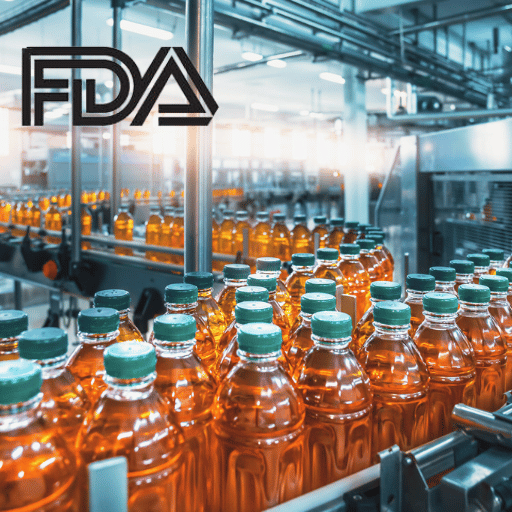
Regulatory food safety standards are necessary to ensure items are safe and meet quality criteria. These regulations include:
- ✓
GMPs: Rules for proper handling, processing, and storage to mitigate contamination. - ✓
HACCP: Identifying and controlling hazards at critical production points. - ✓
Product Traceability: Systems to trace ingredients and products during quality investigations or recalls. - ✓
Standardized Testing: Routine testing for contaminants, pesticides, and allergens.
Adherence to these laws ensures consumer safety, trust, and the prevention of health incidents.
Implementing Food Safety Practices in Beverage Production
To maintain food safety, operations must follow stringent controls at all stages, starting from sourcing raw materials from approved suppliers. During production, facilities must implement GMP and HACCP standards to mitigate risks. Critical control points, such as pasteurization or aseptic filling, need constant monitoring to eliminate microbial hazards. Rigorous cleanliness and equipment maintenance are required to prevent cross-contamination. Furthermore, extensive safety training for all staff ensures that every employee understands their role in securing public health.
Ingredient Safety and Compliance
Ensuring ingredient safety involves multi-layered setups: rigorous vendor verification, regulatory conformity, and comprehensive documentation. Ingredients must be sourced from vendors providing a Certification of Analysis (COA) to guarantee quality and conformity with FDA or EFSA regulations. Regular checks for pathogens, allergens, and heavy metals are crucial risk mitigators. Strong systems must document the source and movement of ingredients to enable quick responses during recalls. These steps ensure regulatory compliance in safety and standard sourcing.
Analytical Testing and Quality Assurance
Analytical testing and quality assurance ensure product safety, efficacy, and compliance. Complete testing incorporates advanced technologies like HPLC, GC-MS, and ICP-MS for detecting trace-level impurities. Quality assurance extends beyond testing to include SOPs, GMPs, and documentation. Together, these practices form an integrated framework to ensure consistent product quality and meet regulatory expectations.
Common Compliance Challenges
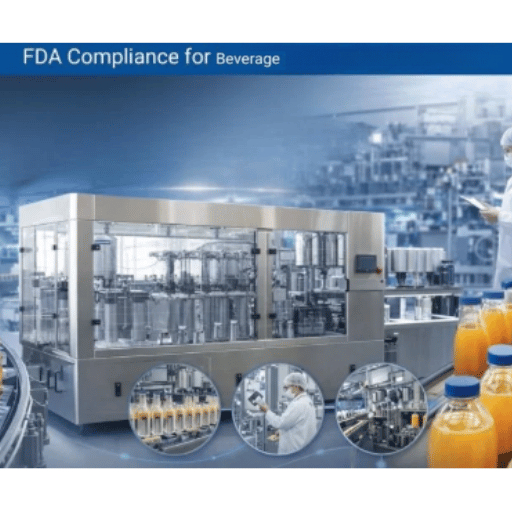
| Challenge | Description |
|---|---|
| Supply Chain Complexity | Verifying compliance of materials from global suppliers subject to different regulations. |
| Label Accuracy | Errors in allergen declarations or ingredient lists due to human error. |
| Contaminant Control | Preventing cross-contamination requires unwavering protocol adherence. |
| Regulatory Updates | Continuous changes in local and international laws can be difficult to track. |
| Resource Limitation | Small producers often lack the financial or technical resources for complex systems. |
Identifying Frequent Compliance Issues in Beverage Manufacturing
Compliance issues in beverage manufacturing need urgent addressing. Primary causes include improper labeling—lacking allergen declarations or correct ingredient lists—leading to regulatory consequences. Improper sanitation is another major issue, as contamination depletes product quality and safety. Visibility regarding traceability through the supply chain remains a problem during audits or recalls. Finally, adhering to evolving regulatory frameworks proves problematic, necessitating ongoing verification to remain in line with recent standards. Addressing these challenges allows manufacturers to curb risks and maintain operational compliance.
Strategies for Overcoming Compliance Challenges
Manufacturers can use a multi-faceted strategy to deal with compliance challenges. Serial tracking and digital recording applications should be included in traceability systems for supply chain visibility, making audits and recalls faster. A dedicated compliance team should disseminate information regarding regulatory changes to keep operations updated. High-tech solutions, like AI and automated quality control systems, can improve real-time decision-making and accuracy. Continuous worker training is equally important to ingrain compliance standards, fostering a culture of responsibility and vigilance. Integrating these strategies fosters an efficient, compliant environment.
Case Studies of Compliance Failures and Lessons Learned
1. Equifax Data Breach (2017)
Negligence in patching critical flaws led to a breach of information for over 140 million individuals. This highlighted the importance of timely patch management and preventive cyber checks. Enterprises should engage independent auditors and work to mitigate future threats.
2. Volkswagen Dieselgate Scandal (2015)
Systematic disregard for mandates through emissions testing manipulation revealed the risks of unethical practices. Key takeaways include the need for trustworthy corporate governance, unwavering ethical standards, and strict monitoring to avoid reputational damage.
3. Wells Fargo Account Fraud (2016)
Gaps in internal controls caused financial loss and damaged trust. An ethical mindset with high levels of transparency and accountability is the absolute antidote to such dilemmas for any Board.
Each case indicates that a holistic compliance framework, continuous monitoring, and ethical leadership are vital to avoiding operational, financial, and reputational penalties.
Reference Sources
- FDA Compliance & Enforcement (Food): Warning letters and inspection programs.
- Small Entity Compliance Guide: Details on CGMP for manufacturing and labeling.
- Registrar Corp: FDA information for food and beverage importers.
- Food Manufacturing: Article on labeling regulatory compliance.
- Corporate Securities Law Blog: FDA considerations on industry acquisitions.
Frequently Asked Questions (FAQs)
What is meant by FDA compliance for drink manufacturers?
It means being in conformity with safety, labeling, and processing requirements set by the FDA.
How essential is FDA compliance to beverage manufacturers?
It is vital for maintaining product safety, steering clear of legal battles, and ensuring consumer trust.
What are the general FDA rules for manufacturing drinks?
They concern labeling requirements, CGMP, and FSVP for imported goods.
What are CGMP and how do they pertain to manufacturing beverages?
Under CGMP are the basic required conditions for sanitation and processing to ensure product safety.
What are the labeling requirements for beverages under FDA regulations?
Ingredients, nutritional information, an allergen statement, and labels must comply with FDA standards.

Candy
Articles: 37
Trending now