Get in touch with Victorystar

Clean-In-Place Best Practices for Effective Systems

Contents
show
Ensuring that industrial equipment is performing optimally and kept hygienic is of utmost importance in various industry domains, ranging from food processing to pharmaceuticals. Clean-In-Place (CIP) systems pioneered the way towards sanitizing equipment, providing automated, efficient, and reliable cleaning solutions for critical equipment without necessitating any disassembly. This article discusses the “best practices” of CIP implementation and follow-up operations to reach peak efficiency, comply with stringent sanitary norms, and achieve equipment life. Increasing operational production, assuring the reliability of the system, and adhering to any particular industry regulations emerge within this document to accompany implementable insights and technical strategies to ensure such CIP methods are effective and sustainable.
Key Takeaway
Effective CIP implementation reduces downtime, enhances operational efficiency, and ensures regulatory conformity by automating the sanitation of internal surfaces without equipment disassembly.
Introduction to Clean-In-Place Systems
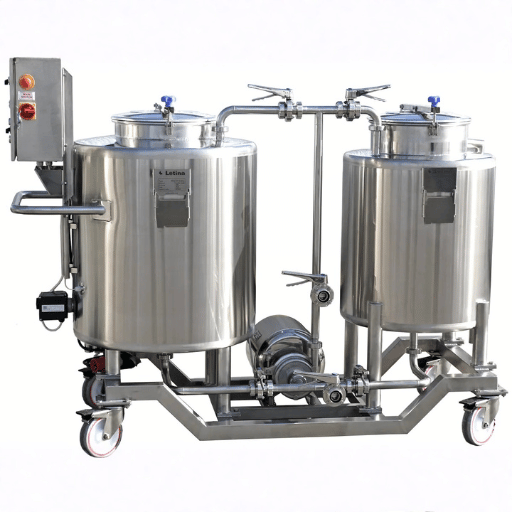
CIP systems are automated remnants of the containment process that intend to remove remains, filth, and microorganisms from the internal corners in the equipment, pipes, and vessels without having to disarticulate them. These are most commonly used in the food and beverage sector, pharmaceuticals, and chemical processing, where CIP systems present the most effective, controlled cleaning solution under the most stringent of safety rules—the only way something could happen. It usually involves the circulation of cleaning agents, water, and sanitants in a particular consecutive manner if a very high standard of safe cleanness is expected, but with a very minimal use of water and chemicals. For the plant, a good CIP system reduces downtime, enhances operational efficiency, and regulatory conformity.
What is a Clean-In-Place System?
A Clean-In-Place (CIP) system is an automated method that is meant to clean the inner surfaces of processing equipment such as tanks, pipes, and valves without the necessity for them being dismantled. They are often found in industries such as food and beverage production, pharmaceuticals, and chemical processing to keep consistent sanitization through controlled dispensing of water, detergent, and sanitizer solutions at predetermined temperatures and pressures. By means of this system, not only hygiene is maintained but also the prevention of product adulteration and scaling back of manual labor, down times, and waste of resources; it thus forms a vital component of modern industrial practices.
Importance of CIP in Food Processing
CIP systems are indispensable in the food processing sector as they ensure consistent production of high sanitation norms interrupting the flow of contamination from one-manufacturing to end consumer. With the aid of automatic cleaning-plant process equipment, they prevent critical operations from being judged at risk, for instance, the dairy, beverage production, and ready-to-eat food processing sectors. Their cleanliness reduces the risk of microbial buildup and helps in regulatory compliance and efficient run times. Henceforth, any product recall would be minimized and the CIP-system’s trust to its product quality and safety might enhance.
Overview of CIP Systems in Industrial Settings
Clean-in-Place systems offer computer-programmed systems that automate cleaning processes that do not involve the disassembly of equipment, like production tanks. It also consists of sequences of rinsing, detergent procedures, and then seasonalization using precisely controlled flow rates, temperatures, and chemical concentrations. Having been heavily adopted in industries such as food governmentalizing biotechnology, such CIP systems ensure the sterility of a flow system that also avoids cross-contamination and maintains compliance with the given processes. The integration of this also ensures that downtime is reduced, there is an increased level of product consistency, and safety standards in the world are maintained. It is, therefore, instrumental in the context of modern industrial processes.
Key Best Practices for CIP Systems
- 1
Proper System Design
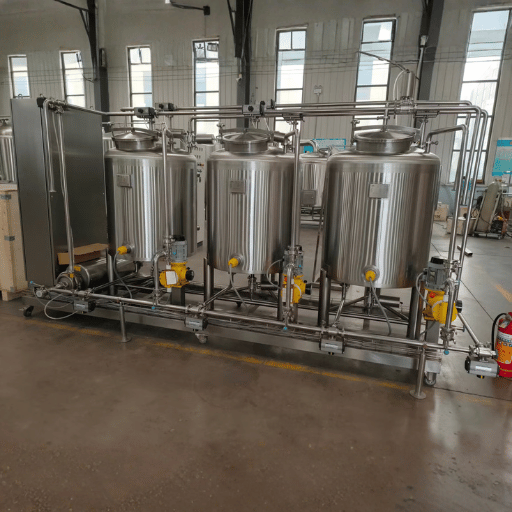
Design the CIP system according to the process-specific needs involving appropriate flow rates, pressure, and temperature controls for the best cleaning results. - 2
Validation and Testing
Regular system validation and actual testing in routine operation confirm if any contaminant residue is present somewhere inside the system and if all set criteria for hygienic equipment are really in effect. - 3
Routine Maintenance
Incorporate a scheduled preventive maintenance plan to avoid component failures and downtimes. Pumps, valves, and nozzles require attention, inspection, and service at regular intervals during system cleaning. - 4
Optimize Cleaning Parameters
Employ agents at the right concentration and set water temperatures and keep cleaning cycle lengths tied to the requirement of cleanliness and resource-saving. - 5
Monitor System Performance
Use sensors and automated monitoring tools to check out the performance of the cleaning cycle and work to identify any inefficiencies while also keeping the system operating long-term. - 6
Adhere to Regulatory Standards
Adherence to all the industry standards underlined by the FDA and ISO safeguards product safety and system trustworthiness. - 7
Train Personnel
Training for operators and maintenance staff is important, covering full-scale training on its real empowerment and troubleshooting skills and understanding the functionality of CIP system.
Understanding Cleaning Agents and Their Applications
In Clean-in-Place (CIP) systems, cleaning agents play an important role in interacting with various residues such as fats, proteins, and mineral deposits thus causing the system to perform. The choice of cleaning agents is dependent on the type of soiling, materials compatibility with the system, and the desired cleaning outcomes. Alkaline cleaners—effective for organic soils such as fats and proteins—and acid cleaners—which remove mineral deposits—are the most commonly used detergent types. Occasionally, enzymatic or surfactant-based cleaners may be used instead. The successful optimization of the cleaning efficiency of these agents is achievable only through maintaining the correct concentration with respect to time and temperature for cleaning while ensuring minimal wear to the equipment.
Optimal Use of CIP Tanks
Clean-In-Place (CIP) tanks can be optimized more effectively when one carefully studies good practices per industry in terms of cleaning cycles, chemical dosing, and maintenance protocols. It is crucial to sustain a tank design that will facilitate complete circulation of cleaning agents to prevent any dead zone that might provide harbor for any contaminants. Exact control of flow rate, temperature, and concentration of cleaning agents aims to obtain maximum extraction of residues without wasting cleaning material. Regular monitoring of the effectiveness of the cleaning process to validate performance through swab culture or conductivity analysis should also be established. Maintenance of sprayball, nozzles, and seals should be the norm. It is these precepts that guarantee efficiency, product safety, and regulatory compliance in CIP-operation.
Effective Scheduling and Frequency for Cleaning
Estimating a favorable scheme of cleaning duration for CIP shall involve the consideration of numerous critical factors, such as the specific product type being processed, the likelihood of it being contaminated, and regulatory approvals. High-risk products such as dairy or proteinaceous materials might require daily cleaning to forestall microbial proliferation and biofilm formation; on the flip side, more tolerant processes may benefit from either weekly or batch cleaning. Appropriate spotting of cleaning needs closure with coordination with plant downtimes that are being adhered to to preclude interference with the daily production activity. Hazard assessments and validation should serve as the foundation to determine the frequency schedule that promises effectiveness in cleaning while maximizing resource availability and ensuring high standards of good practices and regulations. Continuous checking of cleaning data and operation logs must offer feedback to groom scheduling to act even more dynamically upon emerging hazards or revealed trends.
💡
Pro Tip
Coordinate CIP schedules with plant downtimes to minimize production interference while maintaining high hygiene standards.
Ensuring Food Safety with CIP Practices
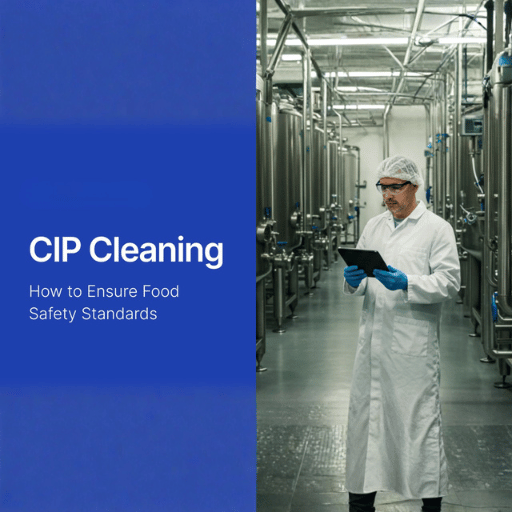
To effectively assure food safety by CIP practices, hygiene must be a major concern from the beginning to the closure of the cleaning process. This includes receiving the right dosage of the correct cleaning agent to clean and remove residues, and washing all system parts to ensure they do not contain unnecessary chemicals or microbial contaminants. Consistent validation of cleaning parameters, such as temperature, pressure, and flow rates, is essential to intended cleaning outcomes. In addition, regular inspection and proper maintenance of the CIP equipment will preclude the reaccumulation of impurities and maintain CIP performance. By following these methods, the chances of food contamination are reduced and consumer health and product grade are protected.
Regulatory Standards and Compliance
Compliance with regulatory standards is necessary to make sure food products are safe and of high quality. For instance, cleaning and sanitization processes should be carried out as required by regulatory bodies such as the FDA, the EFSA, and other agencies, including the use of CIP systems. Most regulations require multiple validations, adherence to Good Manufacturing Practices (GMP), and numerous qualifications against the efficacy of cleanliness programs’ efforts. In general, a lack of adherence can result in serious consequences such as product recall, sanctions, or harm to reputation. As such, maintenance of records and strict adherence to compliance is not just legal but also essential for the business honor and credibility with consumers.
Hygiene Protocols in Food Processing
Food-processing-specific hygiene protocols have three essential components: facility cleanliness, employee hygiene, and process validation. The cleaning schedule must be implemented in each facility with the right business practice method using an FDA-approved sanitizer, as it will take out any contamination introduced into the process. Employee hygiene is particularly important when implemented with uniform cleanliness policies, the proper way to wash hands, and training about contamination issues. Finally, process validation is necessary to ensure that the facility meets the cleaning and sanitation methods that are verified by testing and environmental monitoring programs based on regulatory requirements. These procedures state that risks are ultimately nullified, the population is protected, and legal requirements are met.
Impact of CIP on Food Safety Outcomes
The CIP system offers a powerful solution for hygiene, ensuring thorough and repeatable cleaning of equipment without disassembly. The system removes residual contaminants, allergens, biofilms, and pathogens, and is crucial in the chain of events leading to foodborne diseases. Properly applied, CIP systems help reduce microbial contamination and are also awarded a minimal operational disruption. The CIP implementation would serve well for the purpose of ensuring a strict hygienic standard, helping in the keeping of the food assurance quality codes and thus the trust the consumer can repose in the producer and also reducing the risk of tremendous recalls.
Common Challenges in CIP Cleaning Systems
- •
Residue Buildup: Inadequate cleaning can lead to residue buildup in pipes and equipment, potentially compromising hygiene and quality. - •
Water and Energy Consumption: Higher consumption levels during cleaning cycles result in increased operational costs and environmental impacts. - •
System Validation and Monitoring: Compliance monitoring is difficult in hard-to-reach spaces or when identifying biofilm removal. - •
Equipment Wear and Maintenance: Intense cleaning conditions might result in faster equipment wear, necessitating frequent maintenance. - •
Chemical Compatibility: Incorrect concentrations or agent choices can damage system components or fail to sterilize surfaces.
Identifying and Addressing Inefficiencies
In order to address inefficiencies in cleaning and sanitization processes, it is necessary to adopt systematic assessment methodologies and implement data-driven solutions for more sustainable action. Start by implementing whole-system audits to mark areas of concern where biofilm development and less-than-perfect cleanliness and sanitation practices start first. Investigative devices such as automated sensors or imaging systems can be used to peek into concealed contamination and quantify it. Timely maintenance plans should be active to keep assets operable at the maximum with minimum wear through chemical and thermal assaults. Training users to operate and dose with chemicals without building chemical incompatible threats minimizes the risk of worker errors. Integration and cooperation with continual improvement protocols and groundbreaking technology limit losses that ensure compliance and enhance equipment longevity.
Managing Residual Contaminants
Contaminants are effectively addressed with an efficient program of cleaning validation which has specifically defined acceptance criteria, assurance of the use of validated cleaning detection techniques (e.g. HPLC, TOC) and documented cleaning procedures. Such methodologies guarantee the quantification of residues with high precision in tests and, therefore, full unquestionable compliance with stipulated regulatory standards and their enforcement protocols by the pinch of additional risk assessments and a routine set of audits for best possible reduction to contaminant accumulation. While making room for consistency and speed in addressing residue removal, modern automated cleaning systems installed with systems for real-time monitoring significantly enhance both product safety and process integrity.
Training Staff on CIP Best Practices
Quality training is essential regarding the best practices of Clean-in-Place (CIP) to be able to maintain operational excellence and regulatory compliance. Critical variables affecting CIP performance include the need for temperature setting, flow rate, cleaning agent concentration, and contact time. Training should also be inclusive of the validation and verification methods necessary to ensure that cleaning is effective and uniform. These hands-on experiences interacting with automated CIP systems strongly focus on real-time monitoring and troubleshooting. Staff who are able to use an Immediate Action (IA) procedure when needed will likely respond proactively to deviations. Continuous training, documentation, and periodic evaluation programs for maintenance and training only enhance the retention capacity of the trainees so that they remain proficient in the skill for cleaning practices and sanitization.
Reference Sources
- CSI Designs: Importance of CIP systems in hygiene standards.
- Therma: Guide for CIP systems in food and biopharm.
- Behaelter KG: Meaning, practices, and requirements of CIP.
Frequently Asked Questions (FAQs)
What do you understand by CIP cleaning?
A clean-in-place (CIP) cleaning system is a mechanism used in industry to clean interior surfaces of equipment and piping surfaces such as those in the food, beverage, or pharmaceutical industries without their being removed.
Why is CIP an indispensable cleaning method?
CIP ensures clean conditions, reduces chances of contamination, and ensures compliance with industry regulations, minimizing downtime.
Which groups may utilize CIP cleaning systems?
Different sectors use mandatory enforcement guidelines, including pharmaceutical, food processing, bio-pharmaceutical, dairy, and cosmetic industries.
What are the primary components of a CIP system?
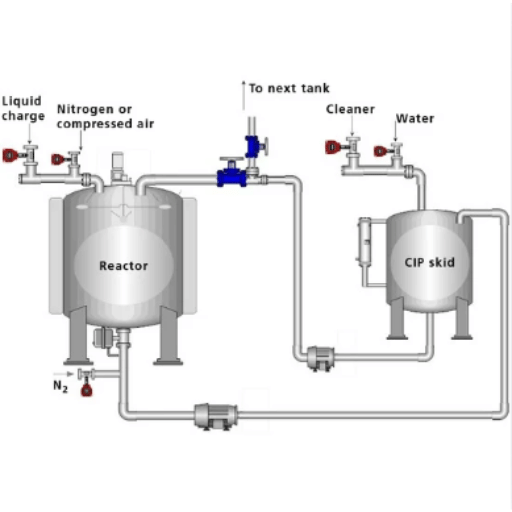
Tanks, pumps, valves, heat exchangers, and control systems form the primary parts of CIP.
How should you use CIP cleaning systems effectively?
The best methods include routine maintenance; checking cleaning parameters such as temperature, flow rate, and concentration; and verifying the cleaning process.

Candy
Articles: 37
Trending now