Get in touch with Victorystar

Beverage Manufacturing Solution: Beverage Processing Manufacturer

Contents
show
The beverage manufacturing industry has witnessed rapid evolution, driven by technological advancements, consumer demands that grow more and more complex, and the necessity of sustainable practices. Thus, innovative and efficient solutions are needed to address these aforementioned challenges in the whole industry landscape. This article is aimed to closely examine the state-of-the-art beverage processing technologies and manufacturing strategies developed to smooth out operations and secure product consistency in compliance with market requirements. This will discuss the newest ways of the industry to explore these opportunities and to know about the directions in the way of equipment and technology resources available to reach out to them.
Overview of Beverage Processing
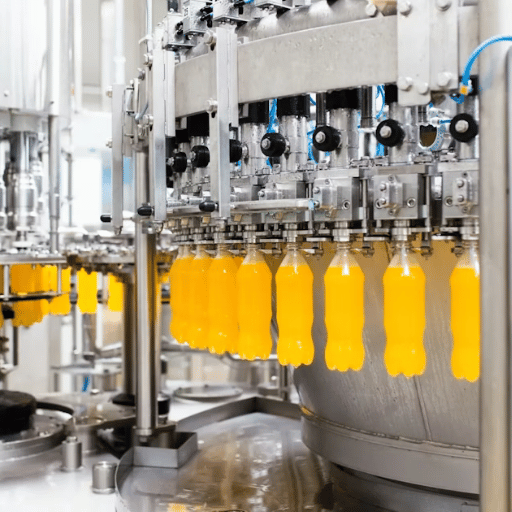
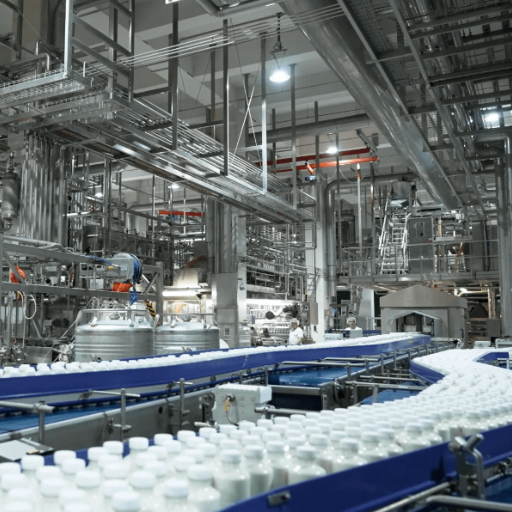
Beverage processing encompasses a series of meticulous stages that convert raw materials into a high-quality, consumable product with due emphasis on safety and consistency. These stages include preparing the ingredients; blending, pasting, and mixing together; pasteurizing or sterilizing; separating particles; gently delivering and maintaining slight carbonation, where necessary; and packaging. Each step helps in guaranteeing conformity to general industry standards and regulations and meeting consumer expectations. Together, they aim to utilize tools such as automation and real-time tracking to optimize efficiency and lower production variance.
Understanding Beverage Production
The manufacturing of beverages has some very high-level demands concerning quality, safety, and consistency. As such some important points include the sourcing of quality raw materials; stringent hygiene protocols maintained during manufacturing; precision handling of the processing parameters such as pressure, temperature, and pH. Within the scope of automation themselves, bounded by advanced monitoring systems serve well to prevent human errors and thereby remain simple and stable. It is, therefore, essential to comply with regulatory standards, maintain environmentally friendly practices, and be able to change with consumer demands in the long run.
Key Components of Beverage Processing Lines
Beverage processing lines have various elements that work together efficiently to increase production. A production line is always structured around mixing systems that feed ingredients into the process structures most predictably. Pasteurizers and sterilizers ensure microbiologically safe products are dispensed. Equally important are the filter systems, which primarily remove unwanted elements from the mixture. Filling and packing machines are operating during the product deposit and the refreshing phase of beverage manufacturing. Clean-in-place (CIP) systems are compulsorily used to keep the operation reliably sanitized, even without the engines taken apart. Advanced systems for monitoring and control are used to provide constant updating operation feedback on making better the present, with optimum production on one hand and utility increase on the other. Every component in the system enhances overall quality control, compliance with standards, and other requirements set by the consumer.
Types of Beverage Manufacturing Solutions
The solutions for beverage manufacturing can be structured into a set of major types, where each type is used for specific production requirements under particular product categories. These have mixing and blending systems for precise formulation, solutions of filtration for product clarity and safety, and thermal processing tools like pasteurization for microbial control as well. The equipment for filling and such is designed to accept any type of container and volume, so that they can meet the purpose well enough by being high-speed and non-wasteful in nature. Proper labeling and coding applications are in fact required to be used for traceability and regulatory compliance. Finally, the integrated production lines equipped with sensors and AI-based controls would help increase operational efficiencies by allowing on-the-spot repair. Together, these solutions respond to the best of all available options to meet the varied needs in the beverage industry in the material context of really good quality products, liability, and with due consideration for rigorous safety standards, of course.
Industry Trends in Beverage Manufacturing
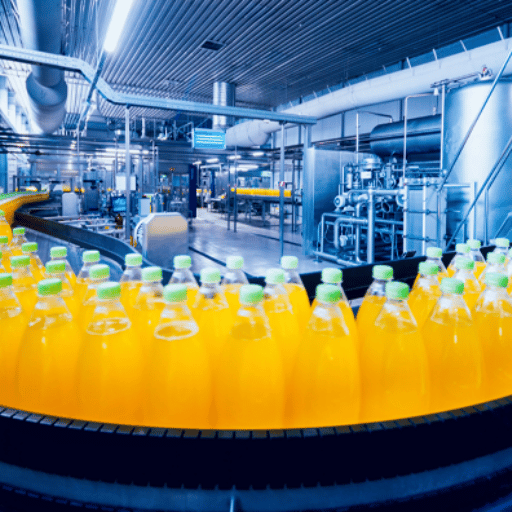
In concert with the advances in technology and customers changing their preferences, the beverage manufacturing industry has been going through rapid changes. Sustainability-oriented production practices may lower water usage, preventing waste as well as using materials that can be easily broken down or recycled. Also, there is a huge rise in health-related demand for beverages, urging manufacturing businesses to introduce low-sugar, organic, and functional beverages among their product offerings. Automation and digitalization are bringing in revolutionary changes. Robotics, data analysis, and real-time monitoring systems are boosting efficiency manifold in various production processes. Personalized beverage solutions, today gaining prominence through cutting-edge technologies, promise the newest developments in enhancing individual culinary, taste, and diet needs.
Emerging Trends in Non-Alcoholic Beverage Production
The rise in demand for health-focused alternatives by the beverage and non-alcoholic sector and the continued pursuit of such requirements are also being driven by innovations in processing the drinks like low-calorie, plant-based, or fortified with nutrients. Available ingredient technologies are trying to meet these health demands as well, as the use of adaptogens or nootropics is adding functional benefits from stress removal to mental alertness. Moreover, sustainability has been a core point of importance, encouraging manufacturers to seek ways of decreasing environmental impact, including using eco-friendly packaging and water conservation technologies. With artificial intelligence entering the process, as well as deep learning, production line solutions are now getting even better in terms of enhancement. The subsequent steps suggest ongoing innovation and flexible adaptation.
Innovations in Alcoholic Beverage Processing
The alcohol industry has embraced advanced technologies for state-of-the-art cellar equipment to keep competitive in the market. By employing cutting-edge filtration techniques, like cross-flow membrane filtration, the industry is able to maintain brilliance, tartrate stability, and minimal loss in products. The use of automation and IoT integration tremendously helps in streamlining and achieving a high level of standard in processes for large-scale production within the industry. Development of non-thermal pasteurization methods, in particular high-pressure processing (HPP), has managed to promote safety as well as enhance shelf life, all without losing the flavor. These coupled with environmental considerations will form a future requiring precision, quality, and environmental protection.
Impact of Market Demands on Beverage Companies
An increase in demand has an exceptionally high level of influence on the daily functions as well as strategic preferences for beverage companies. Increasing consumer craving for more nutritious and functional drinks is urging companies to innovate with the most natural ingredients having lower sugar and value-additional customization. At the same time, soaring in sustainability could require companies to expend in green packaging and logistics practices. In order to remain responsive to the sway of a slightly changing customer trend and condition, a demand for commodities should quickly act against rapidly changing conditions and specific insights to get the best product in consumers’ hands. Along these lines, the effectiveness to follow the constraints of growing demand is far beyond the competitiveness and long-term growth factor of a company in the dynamic land of beverages.
Technological Advancements in Beverage Processing
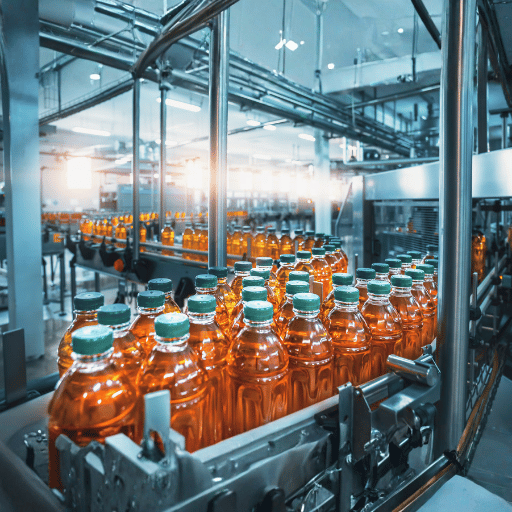
There is a development of a lot in the processing of beverages. They focus on designing improved techniques, product quality, and meeting consumer demands. Automation and robotics have significantly impacted manufacturing methods, permitting production quicker with fewer errors. Technology with high pressure (HPP) extends shelf life and preserves natural flavors and nutrition in beverages. Apart from the sensors and IoT devices that offer real-time monitoring, enhanced quality is provided at every stage of the production process. Such developments overlap in part to provide operational perfection, creating immense flexibility by differentiating the beverage companies to ever-changing market scenarios.
Latest Developments in Beverage Filling Technology
Beverage filling technology has advanced in recent years to enhance productivity and precision while minimizing waste. One noticeable change in the packaging is the use of aseptic filling systems, which maintain sterility throughout the process, aiming at minimizing contamination risks and providing an extended shelf life of products. This technology, relatively because of volumetric and flow meter filling systems, have enhanced the precision more than ever in maintaining liquid contents, thus neatness of the job. Sustainable operations, too, gained prominence from the use of lightweight packaging materials and energy-efficient machinery systems, all aimed at significantly reducing the environmental footprint. Higher production throughputs, consonance with quality control, and convincing commitment to sustainability objectives could all be achieved with the use of these innovative technologies by any manufacturer.
Role of Aseptic Processing in Beverage Manufacturing
Aseptic processing is a technique that is considered crucial in the beverage manufacture, wherein product sterility can be achieved while also improving the product’s shelf life to levels that never necessitate the use of artificial preservatives. This technique is carried out with every item, products themselves, and their packaging where they are sterilized separately and then sealed under a sterile atmosphere. No contamination of the nature of microorganism is allowed, which means safety for the product as well as preservation of its nutritional and sensory values. This process is indispensable at all levels for high-acid juices, dairy alternatives, and ready-to-drink teas in order to accommodate scalability while supporting strong regulatory standards and consumer demand for a top-quality preservative-free product.
Utilizing Process Technology for Efficiency
The possibility of boosting the efficiency of the production process lies in integrating boasted technologies, automation, supervision, and control system. This has the consequence of diminished consumption of energy, reduced wastage, and superior uniformity in output. By building the latest tactics—among which High-Pressure Processing (HPP) and Ultra High Temperature (UHT) processes are incorporated or by combining these among others—quick throughput combines in ensuring class attainment while adhering to specifications set by the regulatory bodies. Ordering for these installations ensures a scaleable and cost-effective process thereby meeting the tough demands of the competitive market.
Sustainability Practices in the Beverage Industry
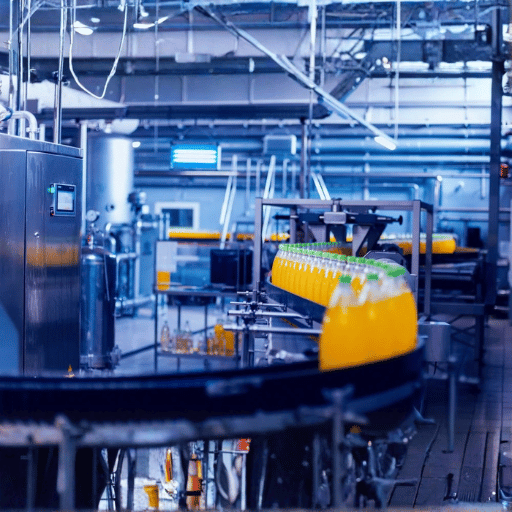
In the sustainable beverage sector, an emphasis is placed on managing reduced environmental impact with efficient use of resources and possibilities for innovative utilities. The specific aims of sustainability are to reduce waste through very careful use of natural resources, conserve water through advanced filtration and recycling systems, reduce consumption of energy through renewable energy sources, and to make production processes environmentally efficient in order to reduce carbon emissions. One of the main tools used to tackle the issue of waste is improving packaging so that production of adhesive material and improving transparency in the supply chain on the packaging material will be undertaken: recycled materials and biodegradable materials. This is seen in many corporations practice by cooperating directly with an ethical source to trace their materials to the original source. This is in parallel to global industry-wide drives by fostering environmentally friendly practices intertwined with very high-class production standards.
🌱 Eco-Friendly Solutions for Beverage Packaging
The advancement of eco-friendly solutions in beverage packaging with the guidance of industry ethics concerns materials and processes geared to lower deterioration of the environment. Some prominent methods include employing fully recyclable materials (aluminum and glass), using post-consumer recycled (PCR) content in packaging, and giving preference to biodegradable or compostable options like those that involve plant-based plastics.
Technological methods including lightweighting, or decreased material use per unit, translate into a further saving of resource consumption by reducing transportation emissions. Complete holistic waste management processes, including take-back programs and encouraging recycling infrastructure, point the packaging materials toward reintroduction into the manufacturing cycle. Together, such techniques accelerate soliciting for circular economy principles and fit within the constructions of modern sustainability goals.
♻️ Sustainable Formulation Practices in Beverage Production
The major aim of sustainable beverage formulation practice is to reduce the environmental impact of the processes while maintaining the quality and safety of the product. This could be achieved by sourcing materials that have a lower ecological footprint, including such practices as using locally grown organic ingredients to cut down on transportation emissions and encourage biodiversity.
Furthermore, in time, producers also look to plant-based feedstock for other high energy requirement-consuming resources along with putting together systems that reduce additional waste from their processes. Further sustainability is achieved through process improvements, using mixers that conserve energy and technology that reduces water usage. These new technologies, when sufficiently analyzed by a life cycle assessment, ensure that formulators are meeting consumer and industry expectations for their beverages while addressing specific issues where sustainability is concerned.
🔬 Reducing Environmental Impact through Innovative Technologies
Technologies contribute significantly to saving the environment in beverage production. With advanced water treatment facilities, less water is consumed with a guaranteed product integrity, and a closed loop will allow the reuse of processing water, thereby drastically reducing water consumption. When used, wind or solar power reduces our dependency on fossil fuels, leading to reduced carbon emission all through production cycles.
Thin packaging materials and compostable materials are some efficient ways to address waste concerns pursuant to the logic of circular economy principles. There is an opportunity to provide answers to the sustainability requirements of the beverage industry but not by having any adverse effect on efficiency or product attributes.
Future Predictions for the Beverage Processing Industry

The beverage processing industry is expected to see a lot of changes, mainly driven by the development of sustainable technologies, evolving consumer preferences, and ever more stringent regulatory requirements. These changes include adopting renewable energy sources in production facilities, thus reducing carbon emissions, integrating AI-based tools for online quality control, and further developing plant-based and functional beverage lines to align with health-conscious consumer demands. Furthermore, it might pay some attention to water recycling technologies in order to overcome resource scarcity by maintaining closed-loop systems, and the choice for 100 percent recyclable or biodegradable packaging materials would eventually lead to an effective, environmentally responsible, and consumer-driven industry.
Technological Trends Shaping Future Beverage Production
One of the greatest trends in technology among future manufacturing of drinks will be based on automation and AI. They support quicker and more precise production techniques, making production that much smoother. Maintenance of equipment is enhanced with predictive technologies. Advances in bioengineering have made it possible for the fostering of innovative beverage ingredients, such as cultured proteins and targeted probiotics, in accordance with the trend of personalized nutrition. Digital twins contribute essential real-time production monitoring and optimization tools, reducing waste and the use of resources tremendously. Given the cutting-edge beholding technologies and clever packaging options such as track-and-trace smart labels, the beverage industry will henceforth become more lean, more sustainable, and exceedingly customer-focused.
Consumer Preferences and Their Impact on Manufacturing
With consumer preference being instrumental in shaping manufacturing strategies in favor of customizability, sustainability, and transparency, the exposed desire leads a consumer to select products that express anything from the values like eco-friendly packages, responsible consumption, and functionalities predisposed towards individual health needs, thus urging manufacturers to deploy cutting-edge technology like AI and IoT to run agile production setups capable of offering personalized product variants without compromising on production efficiency. The agility and variations focus on the acceleration of the production process, while still keeping in mind the sheer importance of efficient operations to maximize profits. Another reason is the quest for supply chain transparency, driven by the expectations from discerning consumers, which is fueling distributed ledger technology and smart labeling solutions toward complete traceability. This necessity may further require continual adaptations to remain in business in an increasingly consumer-centric and constantly evolving market.
Anticipated Changes in Beverage Packaging Solutions
Significant transformations in sustainable aspects, technological innovation and consumer preferences are foreseen to impact the beverage package production sector. In response to regulatory requirements and environmental necessities, the forthcoming decades will most probably watch materials like lightweight biodegradable ones replace rather unfriendly traditional plastics. Smart packaging with QR code and NFC tagging in terms of traceability and consumer engagement will become the future ingredient alteration. Also, modular and customizable packaging designs will reset and adapt themselves to meet ever-expanding requirements from personalized healthy beverages. All these changes will call for prudent management vanishing integration with up-to-date technologies that will provide cost-effective and regulatory-compliant products.
Reference Sources
RCCOLA International
Consumption habits and target audiences are closely related. A source that provides data about both ensures the intake habits and target audience details become known to manufacturers and bottlers.
Matrix BCG
Health-conscious consumers for beverage companies with the help of customer demographics and markets are under review.
BFX Commerce Research
BFX Commerce investigates beverage brands and, in particular, the consumer segments most likely to avail their products.
Frequently Asked Questions (FAQs)
What are the different beverage materials that can be put into use in a beverage processing line?
Different products like soft drinks, fruit juices, milkshakes, energy drinks, and alcoholic drinks can certainly cover this demand.
What is the necessary capacity of a beverage processing line?
Small systems will produce some 500 liters per hour, while industrial lines go from 10,000 liters per hour and beyond.
Can I customize my processing line with specific beverage formulations?
Yes. Several manufacturers offer customized solutions for specific beverage-type formulations, packaging, and other processing requirements.
What certificates do we need for beverage processing?
Certificates like ISO, CE, FDA compliance, and others are needed to ensure that the machine operates safely and delivers high-quality products.
What kinds of maintenance needs would serve a beverage processing system?
Hygiene, lubrication, oiling, and occasional inspection are necessary to keep the machine at its peak and in operation.

Candy
Articles: 37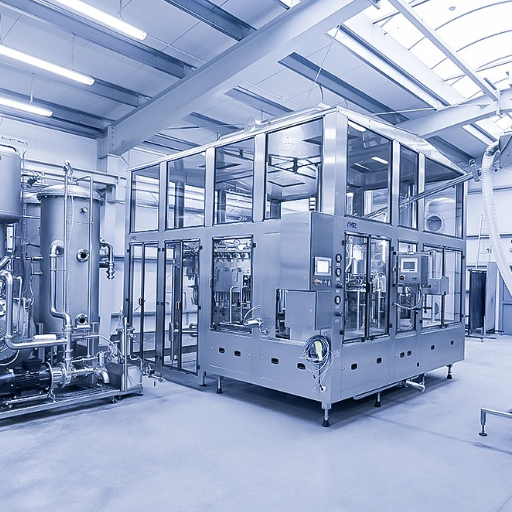
Trending now