Get in touch with Victorystar

The Ultimate Guide to Beverage Processing Line

Contents
show
The beverage industry is a vibrant and rapidly expanding domain, with an array of innovations continually determining the ways drinks are made, packaged, and delivered to consumers. Companies operating within this area must be well-versed in the intricacies of a beverage processing line to maintain efficiency, quality, and competitiveness. Whether you are crafting premium beverages or managing large-scale commercial production, streamlining your processing system is crucial to success. This comprehensive guide will take you through an in-depth exploration of beverage processing lines. From critical production stages to essential equipment and best practices, we’ll reveal all the factors that contribute to a seamless and profitable operation. You’ll discover insights that will enhance your process performance while ensuring your beverages meet industry quality standards and captivate customers with delightful taste. Prepare to acquire knowledge that will elevate your production capacity and keep you at the forefront of this rapidly changing market.
Introduction to Beverage Processing

Defining Beverage Processing Lines
Beverage processing lines are comprehensive systems and equipment individually designed and properly managed for the production, treatment, and packaging of beverages. These lines encompass the entire process from start to finish, including mixing of ingredients, pasteurization, filtration, carbonation, and bottling or canning, depending on the drink type.
Industry Insight: Consumer shifts toward more secure, eco-friendly, and customized drink options have resulted in a remarkable increase in demand for modern beverage processing technology. Today’s processing lines are designed not only to maximize production efficiency but also to minimize waste and maintain product quality, all while complying with rigorous safety and quality regulations.
These systems are, in fact, the heart of the beverage sector, giving manufacturers the capability to cater to diverse market needs efficiently and effectively.
Importance in Beverage Manufacturing
The adoption of advanced processing technology has become a major factor in production, enabling manufacturers to meet the ever-changing demands of both retailers and consumers. Recent data trends indicate a significant shift in customer demand toward beverages that are both sustainable and health-conscious, reflecting increasing consumer preference for products that are environmentally responsible and customizable to individual needs.
Through modern processing technology, manufacturers can tap into this potential market by controlling ingredients with precision, consuming minimal resources, and complying with quality standards. These capabilities not only improve production efficiency but also make producers more agile and competitive in an ever-changing marketplace.
Overview of the Production Process
Core Production Attributes
- Quality: Ensuring consistent product excellence across all batches
- Efficiency: Optimizing operations to maximize output and minimize costs
- Sustainability: Implementing eco-friendly practices throughout production
Raw materials are sourced from high-quality suppliers, with materials carefully selected according to stringent standards that meet consumer criteria for both health and environmental impact. Machinery and automation then come into play during the ingredient measuring and mixing process, ensuring product uniformity across all batches.
Consumer concerns about transparency and sustainability in production practices are well reflected in current search engine trends. The demand for “eco-friendly manufacturing” and “sustainable production practices” clearly indicates a shift toward more conscious consumption patterns. Manufacturers are increasingly obligated to follow this trajectory by switching to renewable energy sources, reducing waste, and using biodegradable packaging. These actions not only meet consumer demands but also help the industry become more environmentally friendly.
Raw Material Handling
Receiving and Storage of Ingredients
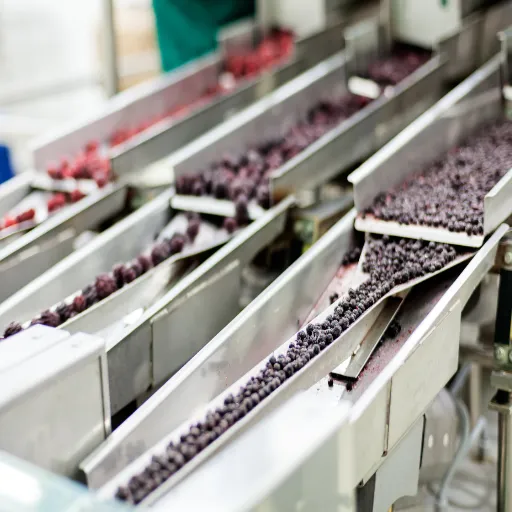
Efficient receiving and storage of ingredients is critical to product quality and smooth manufacturing operations. Recent search trends indicate that consumers increasingly demand transparency regarding how materials are handled and stored.
Best Practices for Ingredient Management
- Implement traceability systems for ingredient origins
- Employ temperature-controlled storage for perishables
- Apply proper inventory management systems to reduce waste
- Integrate smart technology such as IoT-enabled sensors for real-time monitoring
The inclusion of smart technology can provide real-time data on storage conditions, ensuring compliance with safety standards and improving operational efficiency. These measures not only stabilize product quality but also make it easier for companies to meet consumer demand for eco-friendly and ethical practices.
Initial Preparation Techniques
The initial preparation phase is of utmost importance in any production process for achieving optimal results. Techniques such as thorough material inspection, high cleaning standards, and accurate equipment calibration provide the foundation for quality and efficiency.
Recent data indicates a significant rise in consumer interest surrounding automation tools that assist in the preparation process, pointing to the necessity of integrating modern technologies. For instance, AI software can handle ingredient measurement or part sorting, reducing human error and raising productivity. Combining traditional methods with advanced solutions gives businesses robust preparation processes that align with current market trends and expectations.
Quality Control in Raw Material Handling
Efficient quality control in raw material handling is necessary for ensuring final products meet customer expectations and regulatory standards. Recent search trend data shows rising interest in automated quality control solutions.
Advanced Quality Control Technologies
State-of-the-art technologies are transforming quality control:
- Machine Learning: Enables pattern recognition for defect detection
- AI-Driven Sensors: Provide real-time monitoring with exceptional accuracy
- Automated Inspection: Reduces costs related to material waste and production halts
By integrating these modern solutions with traditional quality assurance methods, companies can maintain their competitive edge and consistently produce high-quality products.
Processing Stages in Beverage Production
Mixing and Blending Operations
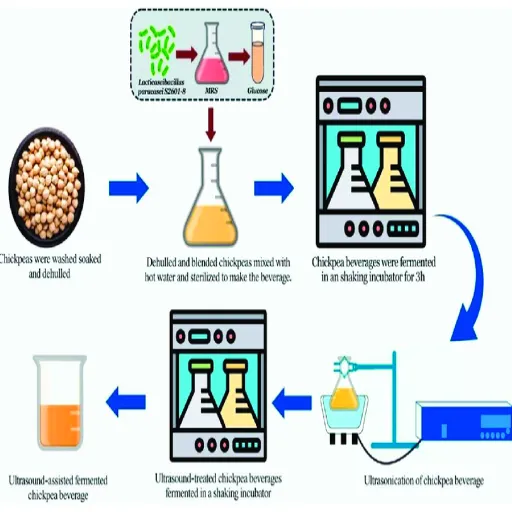
Mixing and blending are indispensable processes in beverage production, guaranteeing uniformity and consistency in the final product. These methods combine various ingredients such as water, sweeteners, and flavorings in exact measure to achieve the desired quality and taste.
The latest technological advancements and data trends collectively point to the fact that consumers are demanding more sustainability and transparency in production. Companies have started using AI and data-driven systems to achieve real-time monitoring of the mixing process, thus optimizing results while reducing waste. The application of such innovations allows beverage makers to not only satisfy changing consumer demands but also stay ahead in the market.
Heating Methods: Pasteurization and Sterilization
Among the heating methods used in beverage production, pasteurization and sterilization are two major processes that ensure product safety and quality.
Important Note: The method of choice for retaining nutritional value in beverages is a common public inquiry. The answer depends highly on the product type. Pasteurization is best for preserving nutrients and flavors in products like fresh juices, while sterilization is more appropriate for products demanding long shelf life.
Manufacturers can choose the technique that complies with both safety regulations and consumer preferences by understanding these methods and their applications.
Filtration and Carbonation Processes
Filtration and carbonation play significant roles during the making and refining of different beverages, impacting both quality and taste.
Filtration is the technical process that removes unwelcome matter, sediments, and particles, leaving a product that is cleaner and more appealing. This technique is especially valuable for craft beers and sparkling waters, where consumer perception largely depends on clarity and purity.
Carbonation is the procedure of adding carbon dioxide gas, which results in the drink’s bubbling effect and simultaneously improves its taste and overall sensory experience. Recent consumer trend analysis indicates growing demand for flavored sparkling beverages with less sugar, forcing beverage vendors to innovate by combining sophisticated filtration methods with highly controlled carbonation levels.
When filtration and carbonation processes are properly combined, the result is a beverage that is not only refreshing but also visually and tastefully sophisticated, meeting consumer demand for premium products.
The Bottling Line
Bottling Technologies and Formats
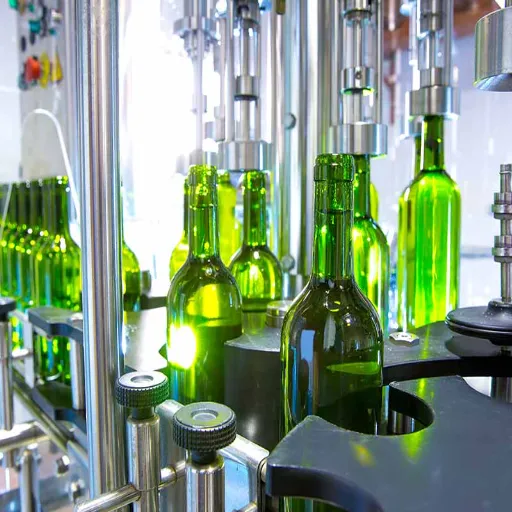
The bottling technologies and formats segment has benefited largely from tech-savvy consumers, prompting significant shifts in bottling practices. The shift to eco-friendly and innovative packaging solutions represents one of the most significant trends.
Key Bottling Trends
- Eco-Friendly Materials: Widespread adoption of lightweight, recyclable bottles and sustainable packaging materials
- Alternative Materials: Shift toward non-plastic options like aluminum and glass
- Convenience Formats: Single-serve formats and on-the-go solutions for various lifestyles
- Customization Options: Resealable caps and ergonomic designs for enhanced consumer satisfaction
Manufacturers who optimize their bottling processes while harmonizing with environmental and consumer expectations will ensure long-term market relevance.
Labeling Innovations
Current search data indicates that consumers are placing greater weight on transparency and sustainability in product labeling. There is growing requirement for labels that provide clear indications about ingredients, sources, and recyclability.
Smart Labeling Solutions
Among various smart labeling innovations, QR codes are particularly effective, allowing customers to instantly access comprehensive product information including:
- Product origin and sourcing details
- Environmental impact information
- Detailed ingredient breakdowns
- Sustainability certifications
This technology caters to tech-savvy and environmentally-conscious buyers. Manufacturers who combine these trends with consumer search patterns can not only educate buyers with labels but also create brand trust and loyalty, conquering competition in the market.
Automation in Bottling Processes
Automation in bottling processes has significantly transformed the beverage and packaging industries through increased efficiency, decreased costs, and enhanced consistency. Manufacturers are integrating advanced robotics, AI-based quality control systems, and IoT-connected machinery, which together enable operations with less labor, fewer errors, and faster production rates.
A review of search data trends shows substantial growth in queries regarding “smart bottling systems” and “automated packaging solutions,” indicating growing requirement for technologies that not only speed up production but also enhance precision.
Benefits of Automated Bottling Systems
- Reduced labor requirements and operational costs
- Minimized human error and improved consistency
- Enhanced production speed and throughput
- Waste reduction and energy efficiency
- Real-time quality monitoring and control
Moreover, the development of automated systems aligns with consumer interest in sustainability, since many automated bottling lines aim at waste and energy reduction. Manufacturers who align their production innovations with consumer needs and search behaviors can not only meet market demands but also remain competitive in this rapidly evolving industry.
Quality Control Measures
Regulatory Compliance in Beverage Production
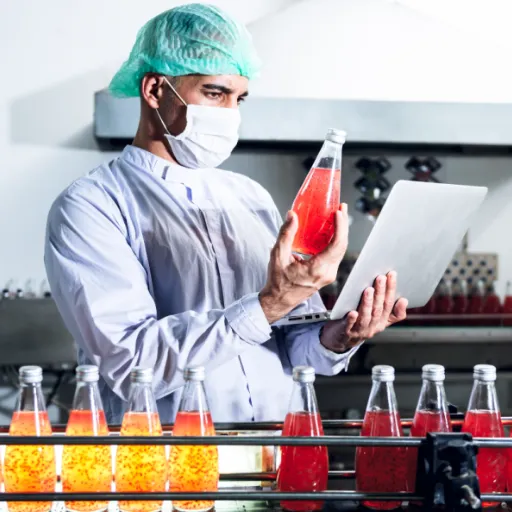
Regulatory compliance in beverage production is of utmost importance as it guarantees product safety and quality while building consumer trust. Manufacturers must follow rigorous directives specified by regulatory agencies.
Recent studies reveal that consumers are paying more attention to clean labeling, transparent sourcing, and eco-friendly production. By examining search trends, companies can shape their compliance measures according to consumer concerns, creating situations where legal requirements are met and brand trust is enhanced through commitment to regulations and evolving public expectations.
Maintaining Product Integrity
According to search engine data, maintaining product integrity is tightly connected to recognizing and catering to consumer preferences. The critical question is: how can companies guarantee that products not only comply with regulatory standards but also meet consumer demand for transparency and sustainability?
Key Strategies for Product Integrity
- Use search trend data to guide manufacturing process changes
- Adjust ingredient sourcing based on consumer concerns
- Update labeling to reflect transparency demands
- Align operations with search behavior insights
By making operations fit consumer concerns exposed through search behavior, companies can ensure compliance while winning consumer trust and loyalty through clear messaging of quality, honesty, and environmentally friendly practices.
Implementing Quality Assurance Protocols
Based on search engine data, companies can develop quality assurance protocols that effectively meet emerging consumer expectations. Search trend data reveals real-time consumer priorities, including trends toward clean-label products, non-toxic formulations, and eco-friendly manufacturing practices.
Companies can analyze this data, evaluate their workflow, and implement stricter checks at every production stage—from raw material sourcing to final product delivery. For instance, if search trends reveal increased demand for cruelty-free or vegan-certified products, companies can conduct more frequent supplier audits to ensure alignment with these preferences.
This combination of data-driven insights and rigorous quality checks not only guarantees regulatory compliance but also creates a proactive approach to building consumer trust and brand loyalty.
Efficiency and Innovation in Beverage Manufacturing
Technological Advancements in Production
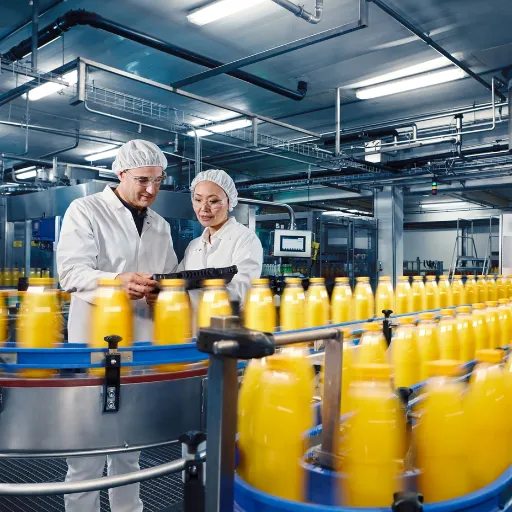
The integration of technological advancements in beverage manufacturing reveals consumer-driven trends for innovation. The main question is: how can production processes efficiently match changing consumer tastes?
Advanced Production Technologies
- Automated Machinery: Streamlines operations and reduces labor costs
- AI-Powered Quality Control: Ensures consistent product standards
- Green Packaging Options: Meets eco-friendly product demand
Search data frequently indicates augmented preference for plant-based drinks, functional beverages, and recyclable packaging, allowing firms to adapt their production plans accordingly. The mixture of high-tech solutions and immediate consumer insights grants producers the ability to stay ahead in a tough market while providing products that reflect present-day values.
Energy Efficiency and Sustainability Practices
Energy efficiency and sustainability have become central issues in present-day manufacturing processes and business operations. Companies can utilize knowledge from search data to determine consumer expectations in the area of environment-friendly practices.
Search trends indicating interest in energy-efficient appliances, renewable energy solutions, and sustainable supply chains show consumers’ growing demand for green businesses. Companies can respond by using energy-saving technology, reducing waste, and adopting renewable energy in their production processes.
Sustainability Implementation Strategies
- Transition to renewable energy sources (solar, wind, geothermal)
- Implement waste reduction and recycling programs
- Optimize supply chain for minimal environmental impact
- Invest in energy-efficient production equipment
- Use biodegradable and sustainable packaging materials
Such strategies not only enhance consumer perception of the brand but also contribute to the global sustainability drive, successfully meeting both environmental and market needs.
Improving Line Efficiency
Improving line efficiency is a process that combines careful planning, advanced technology use, and data insights. Recent data indicates trends emphasizing automation and real-time monitoring as key factors for efficiency gains.
More companies are utilizing IoT devices along with machine learning algorithms to monitor production metrics, detect bottlenecks, and improve workflow. Moreover, predictive analytics can forecast maintenance requirements, reducing downtime and increasing productivity.
Businesses that adopt these modern tools can refine their processes, achieve quicker turnaround times, and produce higher-quality products while remaining competitive in a fast-paced market.
Frequently Asked Questions (FAQ)
Which are the main elements of a beverage production line?
A beverage production line consists of numerous components, with the main ones being filling machines, capping machines, labeling machines, and inspection systems. These parts are well-coordinated to ensure the entire production process is efficient, safe, and maintains high quality. Automation is a major factor in improving production cycles, as it reduces human labor needs, increases production volume, and lowers cost per unit produced. Moreover, applying strict rules concerning cleanliness and food safety is vital for fighting contamination and protecting consumers. Additionally, incorporating energy-efficient equipment enables manufacturers to be more environmentally friendly while increasing productivity simultaneously.
In what way does automation enhance beverage manufacturing?
Automation in beverage manufacturing eliminates inefficiencies throughout the entire production process, greatly increasing line efficiency. Automated systems can perform tasks such as filling, capping, and labeling with utmost accuracy, minimizing human error and raising throughput.
Moreover, predictive maintenance can significantly reduce production downtime due to machine malfunctions, keeping the line operating smoothly and consistently. Companies that install automated solutions can adjust their production to meet food and beverage industry requirements more efficiently. This technological advancement not only increases productivity but also maintains uniform high-quality products throughout various production runs.
What is the significance of quality control in the beverage production process?
Quality control is extremely important during the beverage production process, ensuring consumers receive only products that have passed stringent quality tests. Efficient quality control measures consist of:
- Regular inspections and testing of raw materials
- Monitoring fill levels during bottling
- Compliance with food safety regulations
- Advanced inspection system implementation
By applying advanced inspection systems, manufacturers can identify quality problems early, avoiding contamination and maintaining customer satisfaction. Stringent quality control measures also help preserve the integrity of different product lines, yielding consumers a consistent and high-quality beverage experience. Ultimately, prioritizing quality control becomes the foundation for triumph in beverage manufacturing operations.
What are the pros of energy efficiency in beverage processing?
Energy efficiency in beverage processing not only alleviates operational costs but also fits within environmental regulations and sustainability objectives. Manufacturers can produce high product volumes while significantly cutting energy use by purchasing energy-efficient machinery and fine-tuning production processes.
This creates a win-win situation where, apart from energy bill savings, the production plant’s carbon footprint is also reduced. Moreover, energy-efficient methods can contribute to product quality by ensuring all operations are carried out under optimal conditions. As the food and beverage sector continues changing, energy-efficient solutions will be critical in meeting market challenges and satisfying customer needs.
What measures can beverage producers take to comply with food safety regulations?
Beverage manufacturers meet food safety regulations by applying strict hygiene rules at every production stage. Key measures include:
- Regular equipment cleaning and sanitization
- Comprehensive employee training in hygiene procedures
- Automatic system implementation for real-time monitoring
- Quality control protocols at critical control points
- Regular regulatory compliance audits
Automatic systems can facilitate compliance by providing real-time monitoring of critical control points in the production process. Quality control is another method ensuring rules are followed, as consumer safety requires stable product quality. By staying updated on food safety regulations and including them in operational procedures, beverage companies can lower risks and gain better market reputation.
Reference Sources
University of Nebraska-Lincoln – EBLINE
This document provides insights into business and technical services for food and beverage manufacturing, including support for startups and existing businesses.
Oregon State University – A Guide to the Fermentation and Distillation of Whey for Potable Spirit Production
This guide discusses environmental impacts and industry measurements relevant to food and beverage production, offering valuable context for processing lines.
University of Wisconsin – Guidance for Industry: Acidified Foods
This guidance document covers regulatory and safety standards for beverages, including acidified and milk-based drinks, which are relevant to processing line operations.
Conclusion
Mastering beverage processing lines requires comprehensive understanding of every stage—from raw material handling through bottling and quality control. By embracing technological advancements, prioritizing sustainability, and maintaining rigorous quality standards, manufacturers can position themselves for success in this dynamic industry. The integration of automation, data-driven insights, and consumer-focused innovations will continue to shape the future of beverage production, ensuring that companies remain competitive while meeting evolving market demands and consumer expectations.

GW
Articles: 39
Trending now