Get in touch with Victorystar

UHT Sterilizer Equipment: Plate Supplier & Manufacturer

Contents
show
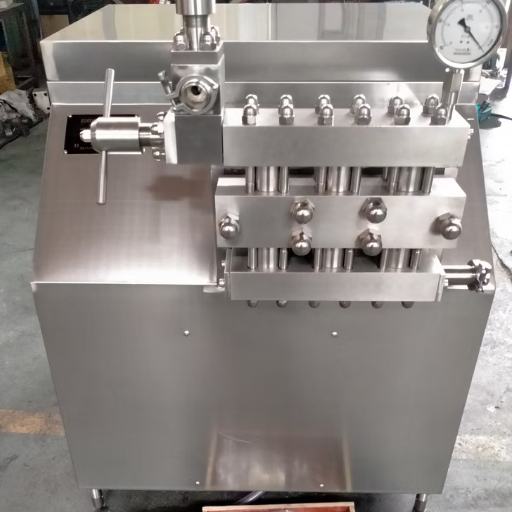
The UHT sterilizer equipment is so indispensable for the production of great dairy, beverage, and liquid food products. This technology—capable of preventing harmful microorganism infections through thermal treatments—also plays a crucial role in maintaining overall product integrity, quality, and higher longevity. The core component of the system is the plate heat exchanger, a piece which accentuates efficiency, precision, and performance. The present paper will discuss essential elements about UHT sterilizer equipment regarding the features of the plate heat exchanger and information about an appropriate vendor or manufacturer. Learn from this guide essential matter for making a superlative choice alongside recommendations of the best UHT sterilizer suppliers worldwide.
Overview of Plate Sterilizers

Plate sterilizers, which are critical elements of ultra-high temperature (UHT) processing systems, are used to sterilize liquid products such as milk, juice and other types of beverages. They operate using thin heat-transfer plates that are ribbed and corrugated to ensure that the integrity of the product is maintained. These systems help ensure rapid heat-up and cool-down processes to guarantee the elimination of any bacteria or other microorganisms without compromising the flavor or nutritional value of the product. In essence, these systems are highly efficient and cost-effective and are best-suited for large production runs, making sterilization an indispensable part of modern food and beverage manufacturing.
What is a Plate Sterilizer?
Plate sterilizer is a specialty heat exchanger that is configured to heat, hold, and cool liquid products to a particular temperature so as to sterilize them. It uses a number of thin plates placed in such a way as to create channels, thereby allowing easy transmission of heat between the product and a heating or cooling medium. This carefully manipulated process eliminates harmful microorganisms starting with the destruction of the product’s health, flavor, and nutrition profile, underlining the fact that they are sore need of industry segments stuck in stringent molds of product safety and quality, such as dairy, beverages, and pharmaceuticals.
How Plate Sterilizers Work
On the principles of heat exchange and limited temperature access, plate sterilizers operate. A product passes between narrow channels that are formed by plates stacked against each other so as to be used for a highly efficient manner of heat exchange. Some heating means is supplied to hot water or steam that flows across the channels in order to elevate the temperature of the product to the specific level of sterilization. This way, pathogens are killed yet quality is not compromised. Product is then swiftly cooled under wood by the same process after it reaches the target temperature for the required time. The furnace system ensures rigorously reliability, cost efficiency, and sometimes delicate retention of product qualities.
Types of Plate Sterilizers
The plate sterilizers come in broad arrangement-based classification pertaining to design and functionality. The foremost ones are the parallel- and counter-flow systems.
1. Parallel-Flow Plate Sterilizers
Parallel-flow systems are preferred where the product and the heating medium flow in the same direction through the plates. This particular feature is ideal for applications requiring gentle heating and is used mostly in the processing of fragile products (to minimize thermal aggressiveness).
2. Counter-Flow Plate Sterilizers
In this arrangement, the liquors and heating mediums are made to pass in a way opposite to each other and assist in intensifying heat transfer. This arrangement becomes heavily advantageous for products that demand rapid heating or for those products for which, during the process of sterilization, extreme control over the temperature is a must.
Both are planted to save energy, block energy-induced damage, and comply with standards of sterilization. Therefore, they are very important in the food, drink, and pharma industries.
Applications of Plate Sterilizers
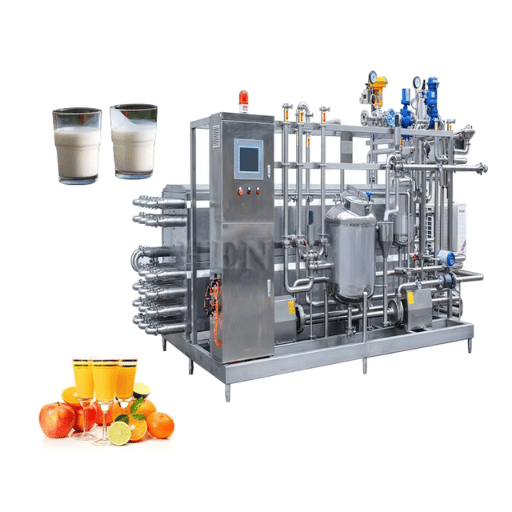
Plate sterilizers are used in the food and beverage industry with efficacy in ensuring product safety and the shelf life of extended periods. In particular, they are useful when processing liquid products such as milk, juices, sauces, and liquid egg with thermal sterilization being necessary to sterilize away hazardous microorganisms. Apart from beverages and dairy, application of plate sterilizers can be made in the pharmaceutical sector, where the sterile processing of liquids that may include intravenous solutions, for example, is crucial. These applications demonstrate the significance plate sterilizers have in industries where both good safety and good operational efficiency are demanded.
Food and Beverage Industry
Plate heat exchanger sterilizers are inherent to the food and beverage industry since they encompass a technique of well-covered product safety in very much efficient thermal operation. Their high-speed heating and cooling of liquids ensure elimination of pathogens without any destruction to flavors, textures, or nutritional integrity in the process. In the high-throughput product manufacturing strain, versatility with different products, starting from milk through to juices and sauces, is rendered in these sterilizers to best suit their frequent-use needs while still maintaining quality and regulatory requirements by compliant high quality.
Pharmaceutical Applications
Plate heat exchangers, with high cleanliness and efficiency levels, come in handy in pharmaceuticals against stringent quality and health restrictions. Different uses are in the sterilization, pasteurization, and transport of fluids in a controlled manner so as to prevent breakdown of pretty big molecules. In precise temperature control, minimal waste energy in heat transmission, the modular design ensures compliance with the most rigorous regulations and is crucial in everything from manufacturing vaccines to biopharmaceuticals.
Healthcare and Dairy Processing
Advanced heat transfer technology is critical for the healthcare and dairy proccessing industries due to their high standards for hygiene and quality. Heat exchangers play an extremely important role in the achievement of exact thermal regimes in processes such as pasteurization of milk or a bio-process, guaranteeing an absolutely safe and effective product at the end. The consistency of maintaining heat exchange performance while maintaining cleanability underlines the heat exchangers’ earned pride in the market.
Selecting the Right Plate Sterilizer Manufacturer
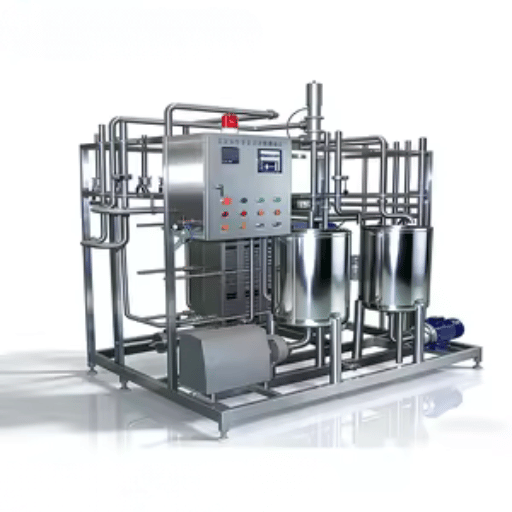
To choose the best plate sterilizer manufacturer for your needs requires a critical assessment of a few things to ensure the quality and dependability of the manufacturer. The experience of the manufacturer in developing and making sterilizers for your industry—food and beverages, pharmaceuticals, or healthcare—evidently plays a crucial part in choosing the manufacturer. Company registration with an internationally recognized standards organization, including those registered under ISO or the FDA, indicates that the manufacturer adheres to technical standards for safety and efficiency. An assessment could be made based on clients’ feedback and the company having case studies before them. Ultimately, it is best to prioritize manufacturers with a good after-sale support: inclusive of installation, training, and maintenance for customer-related purposes and longevity and productivity of the machine.
Criteria for Evaluating Manufacturers
Key Factors to Consider
- ✓
Certifications: Confirm the certificate (ISO9001, FDA) for assurance. This set of credentials forms the basis for all regulations within the quality context. - ✓
Production Capabilities: Check out what their production capabilities actually are with respect to automation, scalability, and lead-time for optimal performance. - ✓
Industry Experience: View their dealership with others as well as case studies to vouch for match-ups with the industry of your interest. - ✓
Quality Assurance: Consider their product QA process began in getting up the consistent standards for the given product. - ✓
Customer Support: Examine the experience of their management in customer service, including training and commissioning, convenient communicability in emergencies for professional damages.
Quality and Efficiency Standards
In so many words, a perfect supplier really boasts a robust network of accomplishments within the industry showing many good cases, much documented evidence by way of certifications. Quality assurance that finds the acceptable practice of good technology processes through ISO or other such similar standards standards provides uniformity and accuracy in product output. Optimally, flawless operations with reduced waste and high-demand products would be fleshed out through lean manufacturing methodologies; meanwhile, customer support-such as 24/7 technical assistance, a well-designed training calendar, and maintenance services-would guarantee the utmost long-term viability and return on investment to any such relationship.
Compliance with Industry Regulations
Regulatory compliance is necessary for business credibility and product safety. Compliance with these standards, like ISO, OSHA, and FDA requirements, will assure that the processes adhere to strict criteria for quality, safety, and health conditions. Audits, definitive testing responses, and continuous process monitoring are a must in order to identify and correct potential nonconformities. In addition, a regular training schedule for keeping up on any regulatory policy changes and an ongoing consultation with compliance professionals ensures that an organization remains globally synchronized.
Emerging Trends in Sterilization Equipment

Innovations in Plate Sterilization Technology
Recent advancements in plate sterilization technology have been driven by efficiency, precision, and sustainability. As modern systems are incorporating automated processes to diminish manual intervention yet ensuring the uniform sterilization of medical instruments, fluorescence. In addition, low-temperature sterilization methods like vaporized hydrogen peroxide and plasma have been used for that purpose, focusing on maintaining material integrity and excellent sterilization efficacies. Sustainability has been responded by developing reusable sterilization materials and systems with optimized energy use that is environmentally friendly, providing high-quality performance. Whenever these techniques come alive, they do enhance the integrity, safety, and ecological sense in healthcare palms.
Impact of Automation on Sterilization Processes
One of the significant changes brought about by automation in sterilization processing is precision in process control. Automation transforms sterilization into a stage where control of temperature, pressure, and exposure is sufficient to guarantee sterility. Automation offers useful traceablity results through monitoring and data recording, which is in demand where compliance with regulations is required. Mechanical solutions save quite work while optimizing resource usage-efficient performance and an even cost-effectiveness solution in healthcare and industrial applications. The drive towards perfection in the field of sterilizer technology lies with automated equipment becoming the absolute benchmark to enhance safety and quality in critical applications.
Market Trends and Future Directions
Sterilization technology market has entered a period of high demand, and this demand is majorly due to the challenges confronting regulatory bodies that control infection and the growing incidence of healthcare-associated infections. Analysis of the currents winds in the outward flow shows the possibility of inclusion of IoT-enabled devices with AI predictive analytics to enhance operational efficiency and to promote traceability within sterilization processes. Likewise, there exists the concept of ecological consciousness, which is materialized through such techniques as low-temperature sterilization and the use of biocompatible sterilants, reflecting a fast shift in the industry towards eco-friendliness. Going ahead in materials science, the digital automation is definitely going to transform that field into being a more precise, scalable, and cost-effective solution to meet the varied requirements of healthcare and industrial workflows.
Maintenance and Care for Plate Sterilizers

One must maintain the plate sterilizers meticulously to ensure that optimum use and durability is achieved. The following can be done to achieve this:
Best Practices Checklist
- Regular Cleaning
The sterilizer has to be cleaned after each use so that the residue is not allowed to build up. Use only cleaning agents that are accepted by the manufacturers, as they can avoid causing the corrosion that damages the surfaces. - Inspection for Wear and Damage
Plates, gaskets, and seals should be checked occasionally for wear and possible signs of cracks or leaks. Not only do these indicate wear but also have a direct negative effect on the efficiency and safety of the system. - Monitoring Operating Conditions
Ensure you control sterilization temperature, pressure, and other major chemicals to guidelines. Deviations in these matters may lead to less sterilization or damage to the equipment. - Scheduled Maintenance
Follow the manufacturer’s recommendations for maintenance. This typically involves recalibration, grease job, and a professional servicing of major parts. - Proper Storage
It might be a good idea to store your sterilizer, when not in use, in a clean, dry place, thus saving it from being contaminated or subjected to optional wear.
Being consistent with these measures ensures the present downtime is controlled, safety standards are maintained, and the life of the steam sterilizer is prolonged.
Best Practices for Equipment Longevity
Following maintenance protocols is of prime importance in safeguarding the lifespan of equipment. At the beginning of everything, strict adherence to every policy in the instructions provided by the manufacturer in performing regular inspections and rectifying any divergences goes a long way to ensuring conscientious maintenance of equipment over time. This executive mandate demands the employment of only-certified and competent workforce for service on the larger and, therefore, risker machines that are not to be reckoned with. The ever-changing air conditions—commonly inducing high or low temperature along with big gradients in humidity—almost always stress an equipment quite a lot. Furthermore, conduct training sessions for personnel to minimize operational errors. Finally, observance of proper handling, common maintenance schedules, and just having good care for the equipment will provide operational longevity.
Ensuring Optimal Performance
Ensuring efficiency in performance is the fundamental concept of respecting the available maintenance programs posed by an equipment manufacturer, using equipment wasting its potential, and reacting as soon as possible to any sign of warning or abnormality. The proper calibration and the right kind of advanced diagnostic tools can effectively fight against the emergence of inefficiencies and failures. Also implanting maintenance culture over preventive thread and robust operations at the work front is the way to go in preserving the reliability and durability of the equipment under extreme working conditions.
Common Issues and Troubleshooting Tips
| Issue | Cause | Solution |
|---|---|---|
| Equipment Overheating | Insufficient cooling, blocked ventilation, or excessive operational loads | Ensure proper airflow by cleaning vents and fans regularly. Verify that operational loads remain within recommended thresholds and inspect cooling systems for damage or leaks. |
| Spontaneous Shutdowns | Power interruptions, exposed wiring, or configuration inconsistencies | Ensure uninterrupted power supply; check wiring statewide, control voltage and grounding; and the operating system’s power-saving feature must be checked and modified. |
| Calibration Drift | Environmental effects, such as fluctuation in temperature and wear and tear from usage | Calibration using certified tools is performed periodicaly. Ensure conditions of the environment that will not have effects of too hot or cold conditions. |
| Reduced Efficiency or Output | Wear on components, lack of maintenance, or poor alignment of the machinaries | Carry out frequent maintenance inspections in order to identify and replace any worn components. Stick to the scheduled maintenance and re-align the system from time to time for the best functioning. |
| Unusual Noise and Vibrations | Things going loose, installed the wrong way, or unbalanced | Tighten everything up, will make sure to redo and correct all installations, and balance all movable parts appropriately, so there are no noises. |
Preceding checks remove the problems and the possible negative results they could bring through the regular attention to the healthy performance or a sight of minimum downtime in order to give attention to genuine commitments.
Reference Sources
-
Intel Market Research – Sterilization Instruments Market Outlook
Intel Market Research rationalizes the market trends and target audience for surgically-instrument sterilizers, such as plate sterilizers.
-
Spherical Insights – United States Sterilization Equipment Market
Spherical Insights furnishes information about crucial companies, target audiences, and market drives for sterilization equipment within the US.
-
Markets and Markets – Sterilization Services Market Report
It provides an exploration into growth forecasts and industry application for sterilization services market on a global scale.
Frequently Asked Questions (FAQs)
How does a plate sterilizer work?
Plate sterilizers are used to sterilize liquid food products like milk, juices, or any other beverages to ensure safety and to prolong shelf life.
What industries use plate sterilizers the most?
Plate sterilizers find applications in industries such as food, beverages, dairy processing, pharmaceutical manufacturing, and the chemical industries.
What are the benefits of a plate sterilizer?
The advantages include energy efficiency, compact design, high sterilization efficiency, and the ability to volume process liquid products.
How do the models differ in terms of structure between a plate sterilizer and a tubular one?
Plate sterilizers are energy-efficient and are perfect for thin liquids. Tubular sterilizers work better on the high-viscosity flows.
Which certifications should be possessed by the plate sterilizers?
ISO certification, CE certification, and FDA authorization are required as per industry standards to fabricate safe products.
Summary
UHT sterilizer equipment with plate heat exchangers represents a critical investment for industries requiring reliable sterilization of liquid products. Understanding the technology, selecting the right manufacturer based on certifications and support services, and maintaining equipment properly ensures optimal performance, product safety, and long-term operational efficiency. As the industry continues to evolve with automation and sustainable technologies, staying informed about emerging trends will help businesses make strategic decisions that align with both regulatory requirements and market demands.

Candy
Articles: 37
Trending now