Get in touch with Victorystar

Preventive Maintenance for Beverage Equipment: Ensuring Longevity and Optimal Performance

Contents
show
Understanding Preventive Maintenance in the Beverage Industry
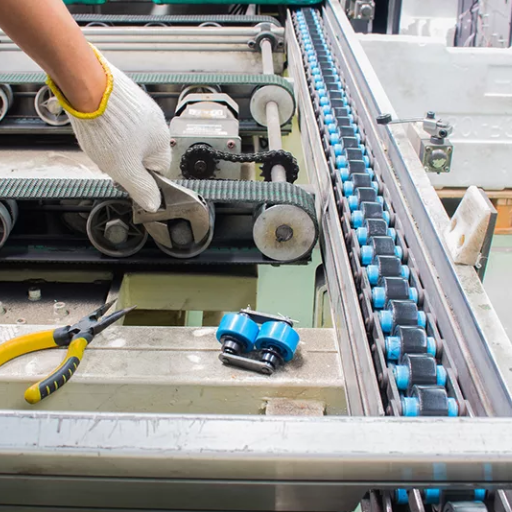
Definition and Importance of Preventive Maintenance
Preventive maintenance refers to the proactive approach of regularly inspecting, servicing, and maintaining equipment to ensure optimal performance and prevent unexpected breakdowns. The beverage industry depends on this methodology because it helps maintain operational equipment which includes bottling lines and refrigeration systems and mixing tanks that operate continuously under demanding conditions. Through the implementation of preventive maintenance programs businesses achieve better equipment performance which results in longer equipment lifespan and steady product quality. The data shows that companies which use strategic maintenance protocols to manage their operations achieve better efficiency while decreasing their operational expenses which demonstrates the critical role of this practice in maintaining their competitive edge.
How Preventive Maintenance Reduces Downtime
The process of preventive maintenance helps companies reduce downtime because it identifies equipment problems and resolves them before they become critical system failures. The process of inspecting and cleaning equipment through planned maintenance activities and replacing components allows businesses to find equipment problems and operational problems at their early stages. The process of replacing a broken component during a scheduled maintenance check takes less time and creates less operational disturbance when compared to fixing an entire system failure. The use of monitoring technologies with sensors and analytics tools enables teams to collect real-time equipment performance data which supports early problem detection and informed strategic choices. The organization achieves operational efficiency through this proactive strategy while it decreases unplanned disruptions which results in long-term time and cost savings.
Key Components of a Preventive Maintenance Program
- Routine Inspections: Regular inspections serve as the essential method which organizations use to discover equipment damage and upcoming problems before they develop into major situations. The establishment of regular equipment condition assessments enables organizations to implement needed corrections which result in decreased operational interruptions while increasing their equipment lifespan.
- Comprehensive Maintenance Schedules: A maintenance schedule which follows an organized structure provides a list of required inspections and maintenance tasks which suit each equipment item. The equipment should receive maintenance according to the manufacturer’s recommended service intervals which will lead to peak performance and extended equipment lifespan.
- Staff Training and Skill Development: A preventive maintenance program becomes successful when the personnel responsible for it possess the necessary professional skills and essential operational knowledge. The organization should provide training programs which teach staff members how to operate equipment, monitor systems, and use advanced technological solutions so they can complete their tasks with minimal mistakes.
- Use of Advanced Monitoring Tools: The use of advanced equipment, which includes IoT-enabled sensors and data analytics platforms, enables the real-time tracking of performance metrics. The tools develop system health assessments which enable organizations to perform predictive maintenance and conduct maintenance tasks at suitable times.
- Detailed Maintenance Records: Organizations need to maintain complete documentation of all maintenance tasks which they perform. The records enable organizations to monitor asset performance throughout its lifespan while discovering equipment defects which repeat themselves, thus allowing them to decide between maintenance or asset replacement which enhances efficiency across their operations.
- Integration with Asset Management Systems: Asset management software enables organizations to streamline their maintenance process through its capability to schedule maintenance work and send notifications about upcoming maintenance tasks while delivering useful maintenance reports. The process becomes smoother through this system which guarantees that all essential maintenance activities will receive proper attention.
The combination of these elements enables organizations to enhance their maintenance programs which results in better work output and decreased expenses and sustainable benefits.
Essential Maintenance Tasks for Beverage Equipment
Daily and Weekly Maintenance Checklists
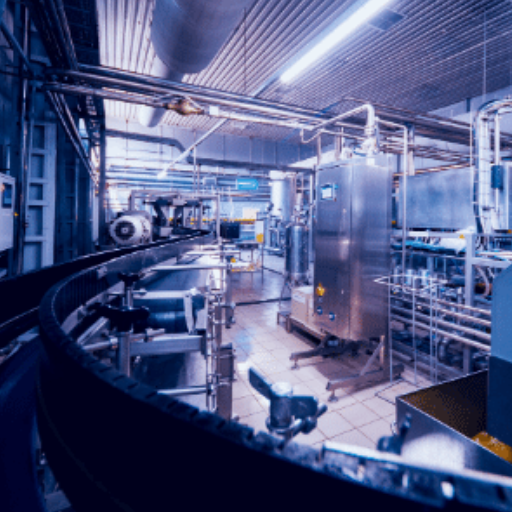
My personal experience shows that regular equipment maintenance for beverage systems helps maintain optimal performance levels while preventing unanticipated equipment failures. My daily work includes cleaning all surfaces and parts which I can access together with nozzles and drip trays and areas used for dispensing. This process prevents building up residue while maintaining required hygiene standards. I perform equipment checks to identify visible leaks and malfunctions because I want to stop small problems from developing into bigger issues. I check equipment filters every day to confirm their operational status because I need to identify both clogged filters and filters that require replacement.
My weekly maintenance work requires me to conduct a detailed assessment of all equipment. This process requires me to inspect all internal parts through available access points to identify any damage which affects seals and gaskets and connectors. I sanitize any water reservoir equipment which the facility uses because it serves as a breeding ground for dangerous bacteria. I verify dosing system and beverage dispenser calibration procedures to ensure all systems produce consistent output results. The weekly cleaning process for hard-to-reach equipment areas including cooling fans and compressors plays a vital role in maintaining system efficiency while enhancing equipment durability. The use of these checklists enables me to maintain my equipment at its highest operational standards which results in optimal equipment performance throughout all operational tests.
Monthly and Annual Maintenance Procedures
I execute monthly maintenance work through activities which need complete equipment evaluation work because this process secures maximum equipment performance. The process requires complete cleaning of all components which include tubing and reservoirs and all internal parts which receive less frequent cleaning than daily and weekly schedules. I conduct a seal inspection to check machine seals and gaskets and connections which help me identify seal damage through its early stage development because this method allows me to identify seal damage before it leads to system failures. I check for software updates and firmware upgrades because manufacturers use these updates to fix existing problems and improve system performance.
Annual equipment maintenance requires technicians to conduct a full equipment assessment which tests all equipment functions. I use professional servicing to check the machine’s complete operational status. The technicians who work on this project will conduct diagnostic tests which include part replacements and the process of machine recalibration to reach its highest operating efficiency. The process allows me to inspect all warranty and service agreements to verify that they meet all needed maintenance standards. The equipment requires annual inspections which lead to longer equipment lifespan and improved operational efficiency which results in dependable system performance.
Common Breakdown Issues and How to Prevent Them
One prevalent issue in machinery is overheating which occurs when vents become blocked and equipment operates with insufficient lubrication and excessive running time. The system requires constant air vent cleaning together with regular lubrication maintenance that uses premium oils. The system requires proper calibration of equipment workloads to prevent equipment overload.
The system experiences operational problems because its components including belts and bearings and seals experience constant wear and tear. The team needs to conduct inspections of these components to check for cracks and misalignment and other forms of damage. The organization should proactively replace worn-out equipment parts because this measure will stop unexpected equipment failures and expensive repair needs.
The combination of poor maintenance practices with complete maintenance neglect will escalate minor concerns into major operational breakdowns. The equipment will maintain its operational reliability through strict enforcement of preventive maintenance procedures combined with scheduled inspections by qualified technicians.
Developing a Preventative Maintenance Schedule
Factors to Consider in Your Maintenance Schedule
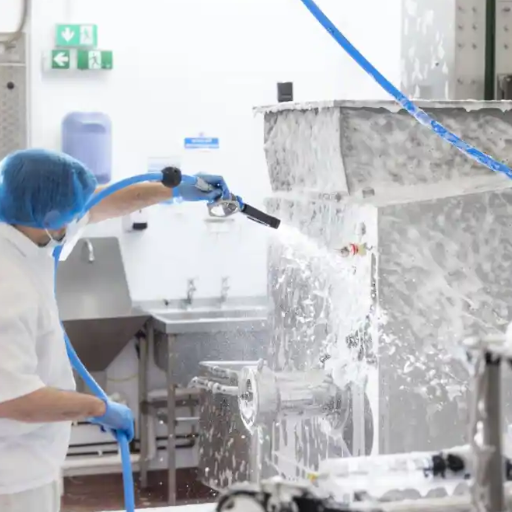
I begin my development of a preventative maintenance schedule by first identifying which machines serve critical functions within my facility. I start the process by evaluating which equipment serves as the backbone of normal operations while assessing all risks that might lead to unplanned operational halts. The process of prioritizing essential equipment allows for targeted resource distribution which leads to reduced service interruptions. I assess maintenance recommendations from manufacturers because their maintenance guidelines match the particular design and operational requirements of the machinery.
I evaluate how the equipment operates under its specific working conditions. Machines that operate in severe environments which include extremely cold or hot conditions and high humidity areas and environments contaminated with heavy dust need to undergo inspections and servicing at more regular intervals. I maintain a complete record of equipment usage and environmental pressures to adjust maintenance schedules which lead to peak operational efficiency and extended equipment lifespan.
I make data-based decisions in all situations which permit such choices. The use of predictive maintenance technologies through IoT sensors and analytics software enables us to monitor equipment conditions in real time. This system helps me detect early warning signs of operational problems before they develop into more serious situations. The combination of these findings with an organized preventive maintenance system creates equipment management methods which reduce time use and maintenance expenses throughout the future.
Creating a Customized Maintenance Plan
The process of creating a customized maintenance plan starts with an equipment and operational assessment which identifies all operational needs. The maintenance schedule I develop will meet operational objectives through my analysis of usage patterns and historical performance data and manufacturer recommendations. The process gets improved through advanced technologies which use machine learning and IoT analytics to discover patterns and detect security threats. The plan stays relevant and effective through the integration of current industry knowledge and technical expertise from both fields. The systematic approach leads to reduced downtime while it boosts asset operation and extends the operational life of vital machinery through tailored solutions that do not use standard methods.
Tools and Software for Effective Scheduling
Effective scheduling needs tools and software which provide better planning methods and better resource management solutions and methods to increase productivity in all aspects of work. Microsoft Project and Monday.com and SAP ERP serve as advanced scheduling platforms which provide complete tools to handle project tasks and project timelines and project dependencies. The tools enable teams to work together because they deliver instant updates and team members can access shared schedules. The field service management software ServiceMax and Skedulo provide scheduling functions which work together with asset tracking systems to achieve efficient resource management.
Artificial intelligence (AI) systems design new scheduling systems through their innovative technologies. AI-driven platforms can analyze project data, predict conflicts, and suggest optimal scheduling scenarios. The cloud-based software system enables users to access its functions from any device which enables managers to track schedule changes while working outside their office. The tools help organizations complete tasks faster while they reduce the chances of making mistakes which creates smoother operations throughout their business functions.
Benefits of Implementing Preventive Maintenance Strategies
Cost Savings and Reduced Operating Costs
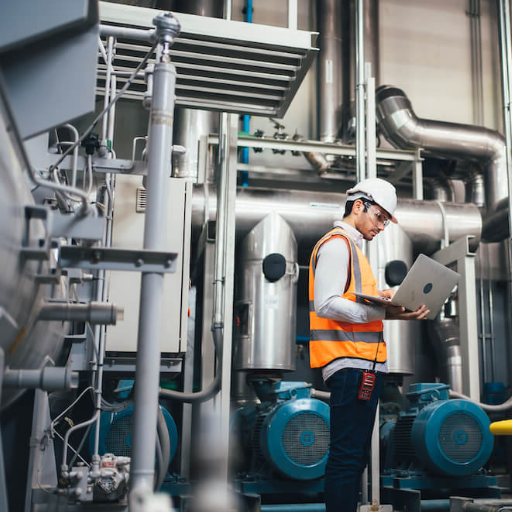
The use of preventive maintenance strategies results in two financial benefits because they help businesses save money while decreasing their operational expenses through better equipment usage which extends the lifespan of their assets. The process of scheduled maintenance helps organizations to control their expenses because it stops minor problems from becoming large-scale expensive repairs which would require extensive downtime to fix their operations. Industries which use predictive analytics for maintenance purposes can see equipment wear patterns through their predictive tools which help them fix problems before their equipment reaches major breakdowns. The practice of preventive maintenance keeps equipment functioning at peak efficiency which results in reduced energy expenditures for businesses. This proactive approach ensures both financial and operational efficiency for organizations.
The Equipment Shows Better Performance Because It Lasts Longer Than Before.
The equipment lifespan and operational efficiency improvements result from the implementation of a maintenance system that operates before equipment failures occur. The process of machine inspection and maintenance work enables technicians to find and resolve problems before they develop into expensive machine repairs or full machine replacements. This system reduces equipment downtime while maintaining equipment efficiency throughout its entire operational lifespan. Research shows that properly maintained equipment can function 20 to 30 percent longer than equipment that lacks maintenance which results in decreased equipment costs and increased investment returns. The combination of IoT sensors and machine learning technology enables organizations to track equipment condition through real-time monitoring which produces maintenance schedule optimization and operational productivity improvements.
Enhanced Food Safety Compliance in Beverage Production
Beverage production requires food safety compliance through proactive measures which use advanced technologies and strict quality control procedures to achieve compliance. Manufacturers use automated monitoring systems together with real-time data analytics to implement advanced methods which enable them to discover and resolve potential contaminants before they result in product recalls. The production process needs to follow strict safety requirements through the combination of HACCP (Hazard Analysis and Critical Control Points) principles and regulatory guidelines. The use of blockchain technology enables companies to achieve better supply chain traceability and transparency which helps them establish consumer trust while they follow changing food safety regulations.
Choosing the Right Maintenance Partner

What to Look for in a Maintenance Service Provider
Importance of considering an engineer in your industry is dependent on the proper experience. These providers should be able to prove they have experience with equipment or systems that may be the same as, or similar to, yours. Before choosing on the particular model of equipment and approach, engineers will advise you on the most practical and efficient strategies to meet your operational needs. Reliability and quick responses are vital criteria in the industrial maintenance world. If they can come quickly and fix whatever the problem might be, stick with them. Ultimately, remember to base your criteria in accordance with certifications and adherence to quality and safety standards. Finally, technology and use of data in a proactive maintenance programme will be essential, for technology can only work in enhancing the longevity of your assets.
Building a Strong Partnership for Equipment Maintenance
The development of a strong equipment maintenance partnership needs three essential elements which include open communication and shared understanding of goals and modern tool and practice implementation. The collaboration process between business partners and either external maintenance providers or internal teams establishes common objectives which both parties need to achieve better equipment performance and reliability. The implementation of data analytics together with predictive maintenance methods enables teams to identify potential issues that could result in critical system failures. The integration of sensors and IoT-enabled devices into equipment systems enables organizations to achieve real-time monitoring capabilities which help them prevent issues and lower operational costs throughout their equipment lifespan. The establishment of a trust and transparency-based organizational culture enables organizations to make decisions faster while establishing basic elements for their future success.
Case Studies: Successful Preventive Maintenance Collaborations
The manufacturing industry shows an effective implementation of preventive maintenance through predictive analytics and IoT technology which companies use to decrease equipment downtime. A major automotive manufacturer set up a partnership with a technology company to develop smart sensors which they installed in their production machinery. The sensors operated continuously to track machine operations by gathering temperature data and vibration measurements and efficiency information. The team used advanced algorithms to analyze the data which enabled them to forecast equipment failure times and organize maintenance activities before those failures occurred. The partnership achieved substantial decreases in unplanned equipment downtime and maintenance expenses while production efficiency advanced throughout the partnership.
The energy sector needs preventive maintenance to keep wind farms operating according to an actual case study. A global renewable energy firm implemented artificial intelligence monitoring systems to monitor wind turbine conditions throughout the day. The technicians discovered early signs of equipment damage which allowed them to resolve problems before they developed into expensive repair needs or complete turbine failures. The organization implemented this method to prolong equipment usage while achieving stable power generation which strengthened its market presence and industry standing.
The evidence from these cases shows that industrial organizations must work together with technology suppliers to achieve effective preventive maintenance programs. Businesses use smart tools together with their proactive strategies to improve operational efficiency while achieving sustainable benefits. Companies can gain a competitive edge through maintenance practice transformation which they achieve by developing partnerships and adopting advanced technological solutions.
Reference Sources
- Evaluating the Effectiveness of Reliability-Centered Maintenance Programs in Food and Beverage Manufacturing Facilities
- Effect of Preventive Maintenance on Machine Reliability in a Beverage Packaging Plant
- Study on Preventive Maintenance Strategies of Filling Equipment Based on Reliability-Centered Maintenance
Frequently Asked Questions (FAQs)
Why is preventive maintenance crucial for beverage equipment?
Beverage equipment needs preventive maintenance because it protects against equipment failures which can cause product recalls and harm brand reputation. Regular maintenance helps preserve equipment performance and extend the lifespan of critical components like condensers and refrigeration systems. An organization can decrease unexpected system outages and expensive equipment breakdowns through a complete preventive maintenance system which identifies equipment deterioration during its early stages. Maintenance activities establish sanitary conditions while ensuring that employees execute proper cleaning and sanitizing procedures which safeguard against contamination risks. Preventive maintenance generates multiple advantages which include improved product quality, decreased energy expenses, and complete adherence to industry regulations.
How often should I schedule maintenance for beverage manufacturing lines?
Maintaining equipment should follow the manufacturer guidelines together with production time data and actual maintenance requirements instead of using a standard maintenance schedule. Equipment downtime will decrease when organizations implement scheduled maintenance because it protects their machinery from unexpected failures while maintaining peak performance. The combination of scheduled maintenance inspections together with digital technology-based predictive maintenance methods will provide organizations with better maintenance timing while decreasing unnecessary maintenance tasks. Food and beverage industry operators establish daily cleaning and sanitizing schedules which they supplement with their weekly and monthly and annual inspection processes. Your facility achieves better maintenance understanding through dedicated maintenance staff and customized maintenance documentation.
What routine maintenance activities should be included in beverage equipment upkeep?
The company requires its staff to perform routine maintenance tasks which include cleaning product-contact surfaces and testing refrigeration systems and condensers and lubricating all moving components and checking all seals and gaskets for their operational condition. Calibration and verification of sensors and valves together with control systems must be performed to ensure product quality and avoid equipment failures. The trained maintenance team conducts regular visual inspections which enable them to identify initial signs of damage and contamination that present a risk of unplanned operational downtime. The process of documenting maintenance work in a CMMS or log system helps maintenance management functions while enabling the organization to determine which repairs need immediate attention. The maintenance tips create a basic maintenance 101 foundation which serves as a base for developing an all-inclusive preventive maintenance program.
Could fileable tools like CMMS and predictive maintenance be of some albeit precious contribution toward the wellness of maintenance in beverages?
Maintenances-oftware systems (CMMS or EAM) and predictive tools actually bestow upon the maintenance personnel the interfaces to track work order status, maintain a historical record, monitor parts and schedules online, and perform all types of analysis on data that can indicate — or predict — future failures, even before they occur. Here we would begin to see how predictive technology can support us in moving from, first, reactive maintenance management to, secondly, true proactive maintenance, the essence of which is a facility for recognizing that typical wear-and-tear patterns during a piece of equipment’s above-average usage might ultimately require a work order to be issued. Predictive maintenance means less and less unplanned downtime, plus a lot more optimization of spare parts in-store, this way docking the cost of ownership together. Also, CMMS, integrated with inspections, can support businesses within foods and beverages and execute its role perfectly fine to meet standards for health and hygiene. Together, the above digital tools remain instrumental to current maintenance management and achievement of extended equipment life.
Could you please compare the preventive maintenance impressions with those of reactive maintenance in cost and operating perspectives?
Preventive maintenance, when it comes to all honest intensions and purposes, demands proper amount of investment in different preventive maintenance activities upfront but to prevent the costly repair and production loss typically associated with reactionary maintenance. Indeed, reactionary maintenance usually requires very slim amount of money when ATL is concerned, but compared to PM, the rate of expecting downtime, and, worse still, repair costs skyrocket with equipment facing a sudden and unexpected breakage fault. Providing such conscious preventive actions will either alleviate or eliminate any potential for serious equipment malfunction, while at the same time, they will aid in no little measure in holding up equipment performance and reliability. Furthermore, excessive downtime avoidance in the food and beverage industry consequentially preserves product quality while minimizing chances of contamination and product recalls. One factor that speaks for proper maintenance is that it and yet another precursor that has been linked to effective operational uptime lies in striving beyond the break-even point.

DU
Articles: 45
Trending now