Get in touch with Victorystar

Which Is Healthier, UHT or Pasteurized Milk? A Scientific Breakdown

Contents
show
When walking down the dairy aisle, it seems like the choices are overwhelming. Among the various milk types, two commonly heard options are UHT and pasteurized milk. These methods involve heating to destroy bacteria causing spoilage and give the products a few days or months of shelf life, yet the means and thus the end products could not be more different. Pasteurized milk is usually found by consumers in the refrigerated section, while UHT milk, being shelf stable, may be kept at room temperature for months.
Understanding the differences between the two is an essential element in making educated choices about diet. A discussion arises around whether UHT is healthier than pasteurized milk beyond just the factor of convenience. The heat greatly applied during UHT treatment may cause the nutritional profile of the milk to be affected, including the vitamin content and protein structure as compared to the conventional method of pasteurization. This article analyzes the methods of processing, nutritional differences, and other factors affecting health in order to help you decide which milk would be better for your health and lifestyle.
Key Takeaways
- UHT milk offers extended shelf life without refrigeration, while pasteurized milk requires cold storage
- Pasteurization preserves more heat-sensitive vitamins compared to UHT processing
- Both methods provide excellent protein, calcium, and essential nutrients
- The choice depends on individual priorities: convenience versus marginal nutritional advantages
What Is UHT Milk?
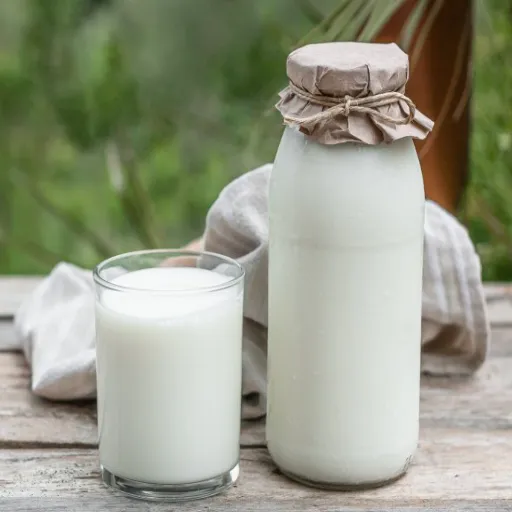
UHT (Ultra High Temperature) milk is a particular type of cow’s milk processed for extended shelf life. This is in contrast to the fresh milk that has been chilled and can be found in the refrigerated aisle of supermarkets. Such longevity is attained via sterilization through which several advantages and disadvantages are considered when thinking of which is healthier, UHT, or pasteurized milk.
The UHT Processing Method
The handling of UHT milk is an intense process. The raw milk is heated at an “ultra-high temperature” of at least 275°F (135°C) for a couple of seconds. The fast passage of extreme heat kills almost all bacteria and their spores that sometimes tend to survive ordinary pasteurization. Post-heating, the milk is rapidly cooled and packed into sterile airtight containers, mostly in cartons formed of layered paper, polyethylene, and aluminum foil. Such aseptic packaging ensures that no new microorganism contaminates the milk, so it remains drinkable and safe without refrigeration until the seal is broken.
Advantages of UHT Milk
- Extended Shelf Life: Can be stored for months at room temperature when unopened
- Convenience: Ideal for those with limited refrigerator space or for emergency supplies
- Reliable Transportation: Excellent for areas where refrigerated transport and storage are unreliable
- Complete Sterilization: Virtually eliminates all bacteria and spores
Disadvantages of UHT Milk
- Altered Flavor: High heat can cause the Maillard reaction, giving milk a slightly cooked or sweet taste
- Vitamin Loss: More fragile heat-sensitive vitamins like B12 and folate can be destroyed
- Color Changes: Chemical reactions may slightly influence milk’s appearance
- Protein Denaturation: May affect suitability for certain applications like cheesemaking
What Is Pasteurized Milk?
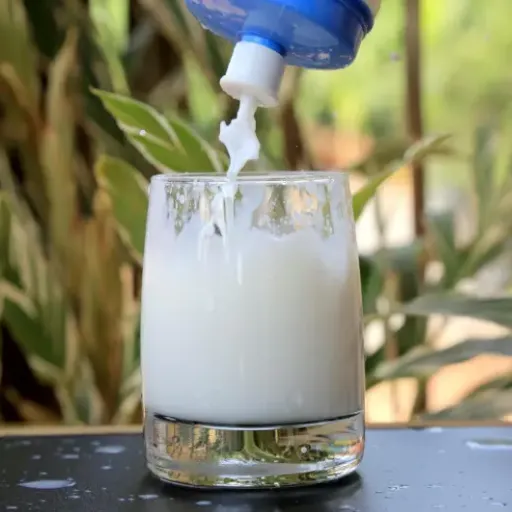
Pasteurized milk refers to milk treated by heat and is most often found in refrigerators across North America and Europe. The heat treatment known as pasteurization was established by Louis Pasteur to make milk safe by destroying harmful pathogens. In contrast to UHT processing, pasteurization subjects milk to relatively mild heat, with expiration dates that may vary depending on local conditions.
The HTST Pasteurization Method
The most common method of pasteurization is High-Temperature Short-Time (HTST) treatment, meaning heating the milk at about 161°F (72°C) and maintaining it at that temperature for at least 15 seconds, then allowing for rapid cooling. This procedure eliminates the more common disease-causing bacteria, such as Salmonella, E. coli, and Listeria, thereby drastically reducing the likelihood of food-related poisoning. Due to the less intense heat treatment, minimal change takes place with regard to the milk’s flavor, texture, or its nutrient content.
Characteristics of Pasteurized Milk
- Fresh Flavor: Natural, sweet, and creamy taste preferred by many consumers
- Minimal Nutrient Loss: Gentle heat treatment preserves water-soluble vitamins
- Pathogen Elimination: Effectively destroys harmful disease-causing bacteria
- Limited Shelf Life: Must be refrigerated and consumed within 7-10 days after opening
Nutritional Comparison
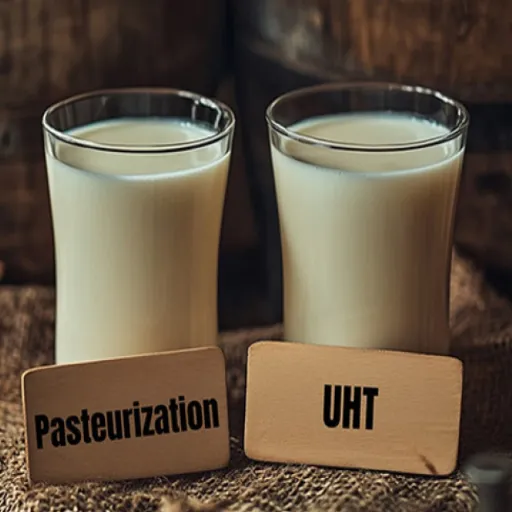
A direct nutritional comparison will help in deciding which is healthier. Both types of milk start from the same raw source, but the two heat methods create notable changes. While major nutrients include protein, calcium, and fat, and generally these are not affected by either procedure, the key differences lie in the effect on vitamins.
Expert Insight
Although both processes make sure that the milk is safe to consume, pasteurization, because of its gentler heat, is less harsh on milk micronutrients.” — Dr. Alistair Paterson, Food Scientist
Protein Structure Considerations
Higher temperatures in UHT processing result in greater denaturation of whey proteins in contrast to pasteurization. Though this does not compromise their protein nutritional value—since the amino acids can be absorbed by the body—it does affect the milk in its properties so as to render it unsuitable for specific purposes, such as cheesemaking. For the average consumer simply having a glass of milk, such deviation in protein structure almost does not affect the nutritional qualities offered.
Health Implications

These processing techniques have some implications for human health, including digestibility and potential risks, aside from nutritional considerations. For the broader population, both UHT and pasteurized milk are easily digestible. Protein denaturation in UHT milk could in theory render it slightly more digestible for some individuals; however, the evidence is not conclusive.
Lactose Intolerance
The UHT treatment does not destroy the lactose in milk any further than does the classic pasteurization process. Hence, lactose-intolerant persons will probably suffer from the same symptoms with whichever milk they pick. It is worth noting that lactose-free options exist for both UHT and pasteurized milk.
Safety vs. Nutrition
UHT milk is microbiologically safer, as it is commercially sterile, making it valuable where food safety constitutes a major concern. If refrigeration works effectively, then pasteurized milk has a very slight edge in the water-soluble vitamin profile.
⚖️ The Bottom Line
The argument usually comes down to whether one favors the convenience and longer shelf life of UHT milk or the fresher taste and very slightly higher vitamin content of pasteurized milk.
Scientific Studies and Findings
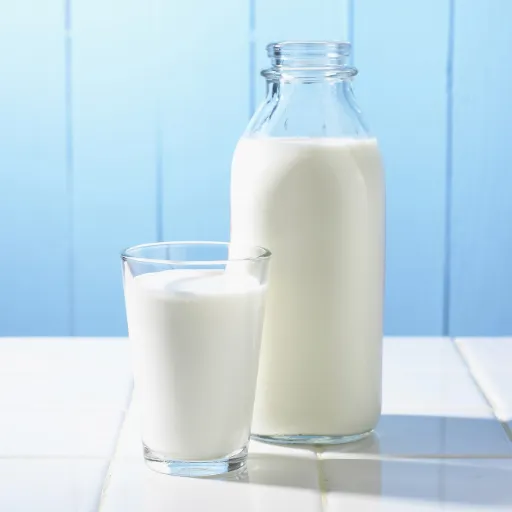
UHT and pasteurized milk have long been subjected to scientific comparison to determine the health effects attributed to one or the other. According to a review published in the Journal of Dairy Science, with increased losses of some vitamins in UHT processing, both types of milk provide excellent quality proteins and essential minerals such as calcium. However, from a macronutrient standpoint, the differences are negligible.
Research on UHT Processing
Evidence concerning the health effects of UHT milk has mostly concentrated on chemical changes in consequence of the high heat treatment, such as the Maillard reaction. The reaction does cause flavor changes, but there is not any solid evidence to suggest that it constitutes a health risk in the context of milk consumption. Several studies have also been undertaken to establish whether denatured proteins in UHT milk might have an impact on allergenicity, but their results remain inconsistent.
Research on Pasteurization
There are various studies showing that pasteurized milk balances safety and retention of nutrients effectively. Pasteurization, according to WHO, is one of the best measures of public health to prevent milk-borne diseases. In daily life, when refrigeration is not a problem, scientific consensus points to pasteurized milk as a healthy choice of a product whose nutritional profile does not diverge much from that of raw milk but which does eliminate huge risks. With regard to the final question of which form is healthier, UHT or pasteurized, it depends on one’s own personal circumstances and priorities.
Frequently Asked Questions (FAQ)
❓ Does pasteurization cause lesser nutrient loss as compared to UHT treatment?
UHT processing can cause greater nutrient loss than pasteurization for heat-sensitive vitamins, including vitamins B12, folate, and some antioxidant compounds. Whereas pasteurization retains more water-soluble vitamins since the temperature is applied gently, both remain good sources of vitamin C, calcium, protein, and other essential nutrients in an ordinary diet. Fortified milk can be selected to overcome any minor nutritional differences induced by processing.
❓ How do UHT and pasteurization compare to each other in terms of shelf life?
Shelf life is one of the major differences between these milks. Aseptic packaged and ultra-high temperature treated UHT milk can stay for months at room temperature when not opened. Pasteurized milk, in contrast, requires a cold chain from processing to consumption and usually only lasts a week or so once opened. In terms of long-term storage preference, UHT milk provides the greatest convenience, making it the best option for emergencies, traveling, or some more remote areas where refrigeration cannot be relied on.
❓ Does the difference in processing methodologies have some sort of impact on the taste and texture between UHT milk and pasteurized milk?
The difference in flavor and texture is clear between UHT and pasteurized milk. The extensive processes of UHT lend caramelized, almost cooked notes to the milk, whereas pasteurized milk is rather fresher in the opinion of many and is sweet and creamy. The texture in both types remains similar, but due to changes in protein structure in UHT milk, applications such as cheese making may be affected. Consumers’ preferences often depend on exposure to either and the way they use the product.
Final Verdict
Both UHT and pasteurized milk are nutritious, safe options. Choose UHT for convenience and long-term storage, or pasteurized for slightly better vitamin retention and fresher taste. Your lifestyle, storage capabilities, and personal preferences should guide your decision.
📚 Reference Sources
- Cornell University – Pasteurization Fact Sheet: Detailed information on pasteurization and ultra-pasteurization processes
- Source
- Ohio State University – Raw Milk Misconceptions: Health impacts of different milk processing methods
- Source
- PubMed Central – Effect of Heat Pasteurization and Sterilization on Milk: Scientific analysis of heat treatments on milk’s shelf life and bacterial content
- Source

GW
Articles: 39


Trending now