Get in touch with Victorystar

UHT Milk vs. Pasteurized: What’s the Difference?

Contents
show
When it comes to milk, knowledge of the distinctions between processing methods is key. Common treatments for milk include Ultra-High Temperature (UHT) processing and pasteurization. Both methods have the ultimate aim of safety and shelf stability, but indeed they differ in their methods, effects, and degree of preserving the nutritive value and flavors. This article compares UHT milk with pasteurized milk on the most important points so that you can grasp their processing methods, benefits, and best uses. If a consumer wants to make an educated choice based on their needs, or if just one is curious about the scientific analysis of options at a grocery store, this article is intended to give all this away. Now, let’s move on to understand the differences that these two milk-processing methods have.
Introduction to UHT and Pasteurized Milk
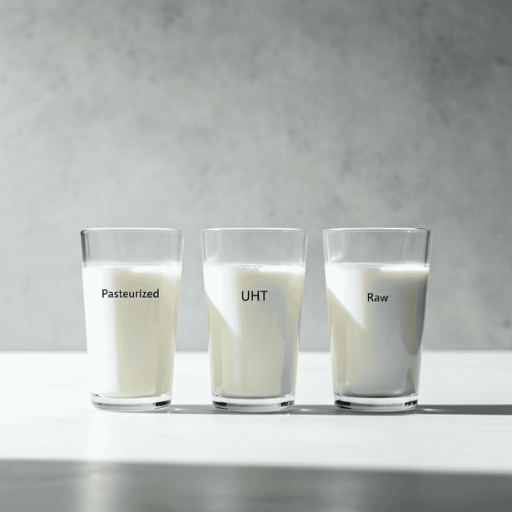
UHT milk is noted to be different from pasteurized milk in terms of the process of heat treatment and shelf life because UHT milk is heated up to approximately 275 degrees Fahrenheit (135°C) in 2-5 seconds, which can kill almost all microorganisms. However, UHT milk can be stored at room temperature without the necessity of refrigeration, and a shelf life goes up to several months after production if the carton is unopened. On the other hand; when pasteurizing milk, the danger zone reduces drastically, yet the flavor changes and evaporates, forcing it to be placed under refrigeration in a shorter period. The method for UHT guarantees safety in milk, while another widely consumed in HTST pasteurization, allowing for moderate shelf life regenerative nature; but both of them deal fantastically excellent to maintain milk safety, while UHT milk is better over long storage, and pasteurized milk suits better taste-wise.
Definition of UHT Milk
UHT (Ultra-High Temperature) milk refers to milk that has been processed at very high temperatures, around 275°F (135°C), for only 2-5 seconds. All microbial organisms, even spores, are killed with this advanced thermal treatment, and the product is thus commercially sterile. The outcome is a milk that can be stored on the shelf without the need for refrigeration until opened, which makes it a realistic option for long-term storage and distribution across the world without significantly affecting safety or nutritional content.
Definition of Pasteurized Milk
Pasteurized milk is the milk that has gone through a controlled heat treatment process with the intention of lowering the number of pathogenic microorganisms to safe levels without the nutritional quality or flavor of the product being affected to a large extent. This is done by bringing the milk to a certain temperature, usually about 161°F (72°C) for 15 seconds in HTST or 145°F (63°C) for 30 minutes in batch pasteurization. Pasteurized milk, unlike sterilized milk, requires refrigeration to avoid spoilage but at the same time, it is safer to consume and retains its fresh characteristics.
Historical Background and Usage
The method of pasteurization which is named after Louis Pasteur was developed in the middle of the 19th century as a technique to microorganisms less in perishable goods. The very first use of the method was on wine and beer to prevent them from getting spoilt, and soon after that milk was also pasteurized in the late 1800s when the diseases caused by the consumption of raw milk like tuberculosis, typhoid fever, and brucellosis were feared. Its universal usage changed the scenario of food safety and health in the society profoundly, and since then pasteurization has become one of the indispensable processes in modern dairy processing. Although now it still continues to be a standard treatment in the dairy industry, it not only secures the safety of milk but also retains its nutritional and sensory qualities.
Processing Methods
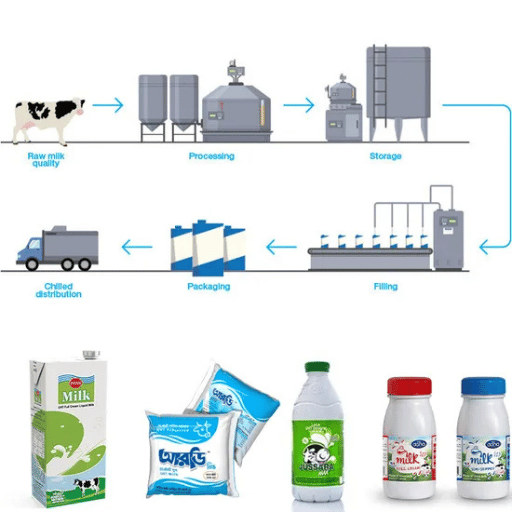
Both methods UHT (Ultra-High Temperature) and pasteurization use heat for the safety of milk but they are very different both in the process and outcome:
- UHT Processing: The milk is treated by a heat of 135°C (275°F) for 2-5 seconds. The process of sterilization removes almost all microorganisms, including bacteria and their spores, thus the result is milk that can stay on the shelf for several months without refrigeration if the package is unopened and the room is at normal temperature.
- HTST Pasteurization: The milk is subjected to a temperature of 72°C (161°F) for a duration of 15 seconds. Most harmful microorganisms are killed during this process but the milk’s natural flavor and nutrients are allowed to a large extent to remain. The downside is that pasteurized milk must be kept refrigerated and has a shorter shelf life than UHT milk.
Safety and quality are assured through strict regulations for both methods which, in turn, serve different consumer segments and their likes.
Overview of the Pasteurization Process
The pasteurization method is utilized to heat liquid products, mainly milk, under control so as to get rid of harmful microorganisms, thus prolonging the product’s life without compromising its nutritional value. The method, developed by Louis Pasteur, has been historically known to prevent spoilage and at the same time, ensure that products are of high quality and safe enough for consumption. Key factors like the degree of heat and the duration of exposure are very carefully adjusted and these differ among Direct Heat Treatment (DHT), for instance, and High Temperature Short Time (HTST) treatments. Such processing techniques have been drawn up according to the needs and preferences of the consumers, wherein one aspect of the scenario is the trade-off between product durability and retaining flavor and nutrition.
Understanding the Ultra-Pasteurization Process
Ultra-pasteurization is a method of heat treatment that is aimed at extending the shelf-life of perishable goods, like milk and cream, while still keeping the main quality attributes intact. The procedure consists of heating the item to a minimum temperature of 280°F (138°C) for a minimum of two seconds, followed by rapid cooling. This robust thermal treatment, short but intense, destroys almost all microorganisms, bacteria, and the like that cause the decay of the product or make it hazardous. Ultra-pasteurization, compared to traditional methods of pasteurization, has an outstanding effect on shelf-stability, permitting the products to be kept unspoiled for a long time in refrigerated conditions. That is why this method is the most convenient for industries with long distribution cycles that need to assure the same quality in terms of nutrition and taste.
Key Differences in Heating Techniques
The key distinctions between different heating methods are the temperature ranges, the heat exposure period and, finally, their impacts on microbes, product stability, and quality issues. Each technique is selected according to its application requirements, distribution periods, and desired product traits.
Nutritional Content Comparison
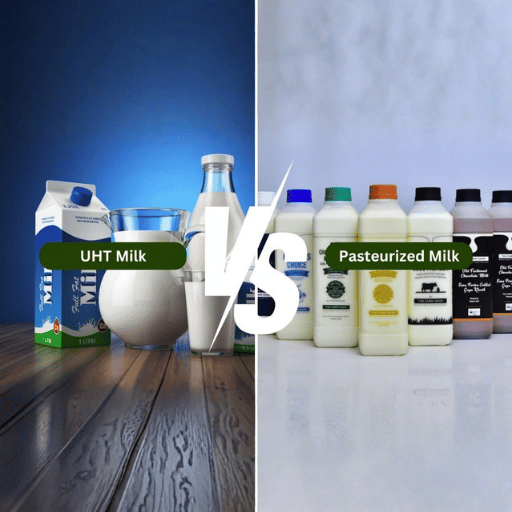
In general, pasteurized milk and ultra-pasteurized (UHT) milk maintain comparable amounts of essential nutrients, which are protein, calcium, and sometimes B2 vitamin. The thing is, the higher heating temperatures UHT processing makes use of can lead to small losses in the case of most heat-sensitive nutrients, like B12 and C vitamins. But still, UHT milk is an important source of all necessary nutrients. The purpose of both processing methods is to prevent the loss of nutritional quality and at the same time to provide safety, thus making each of them good for a healthy diet.
Impact on Vitamins and Minerals
Key Nutritional Facts
- The process of pasteurization, which applies low temperatures for short periods, usually results in the loss of some vitamins and minerals but still, the overall degradation will be very low.
- Although UHT processing guarantees a long shelf life, it can still lead to a slight loss of heat-sensitive vitamins like B12 and C.
- The mineral contents, including that of calcium, potassium, and magnesium, are practically the same when measured after the application of either method.
- Both processes main concern was and still is nutritional integrity which goes hand in hand with safety, thus the essential dietary contributions of milk are preserved effectively.
Effects on Enzymes and Nutritional Value
Different thermal processing methods, such as pasteurization and UHT treatment, have different effects on the enzymes and nutrients based on the heat exposure intensity and duration. With pasteurization and UHT processing, enzymes that are naturally found in milk, for example, lipases and proteases, are deactivated and this leads to spoilage prevention and product stability improvement. Pasteurization, having lower temperature, causes minor effect on most of the nutritional components and this may cause slight reductions in heat-sensitive vitamins such as B12 and folate. UHT treatment, on the other hand, is more aggressive and goes on to ensure the complete inactivation of the microorganisms but at the same time can further reduce the already limited vitamins especially C and B12. However, the essential minerals like calcium and phosphorous not only remain stable but also bioavailable under both methods; thus milk continues to play its vital role as a major source of nutrients.
Health Considerations Related to Nutrients
When it comes to assessing the health effects of milk processing-induced nutrient changes, a holistic approach considering both the entire diet and personal nutritional requirements is necessary. The slight losses in sensitive vitamins, like B12 and folate, are usually not a serious dietary issue provided that milk is included in a well-balanced diet containing a variety of nutrient sources. In areas where milk is the main source of nutrients, fortified milk can help prevent the deficiency. Moreover, the fact that the essential minerals, such as calcium and phosphorus, are stable during the processing points out that milk is still among the best foods that support bone health and play a role in overall nutrition. All these reasons tell that both pasteurized and UHT milk can still be part of a good dietary plan for most people.
Shelf Life and Storage
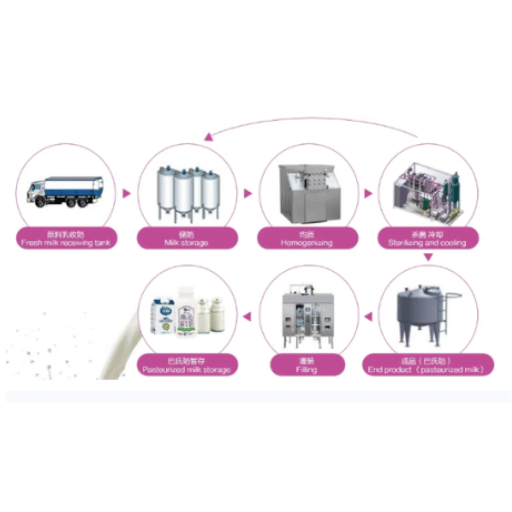
The UHT Milk process sterilization along with aseptic packaging have allowed the milk to possess a shelf life of 6 to 12 months if stored at room temperature unopened. Once the package is opened, it should be refrigerated and used within 7 days in order to maintain quality and safety. On the other hand, pasteurized milk needs constant refrigeration and usually has an unopened shelf life of 7 to 10 days. Proper storage such as placing milk in a cool and stable environment is vital to avoiding spoilage and keeping quality.
Longevity of UHT Milk
UHT milk gets its long shelf life from the ultra-heat treatment, which involves heating the milk to about 135°C (275°F) for 2-5 seconds. This method not only destroys the microorganisms and spores that lead to milk spoilage but also retains the nutritional content of the milk if not entirely. If sterile aseptic packaging is used, the milk will remain shelf-stable for 6 to 12 months without refrigeration, as long as the packaging is not damaged. Hence, UHT milk is perfect for areas where cold storage is not widely available or as a means of cutting down on food waste in the supply chain.
Refrigeration Needs for Pasteurized Milk
To keep the quality and safety of pasteurized milk stricter cold storage is a must. It should be cooled down constantly under 40°F (4°C) to slow down the growth of those microorganisms that cause spoilage and also those pathogenic bacteria that are able to survive pasteurization. If the temperature range is not maintained properly, the shelf life of the product may be reduced considerably, the case of pasteurized milk being limited usually to 7–10 days from the day of processing. The very strict application of the cold chain in transport, storage, and retail is very important to avoid contamination and guarantee safety for consumers.
Practical Implications for Consumers
💡 Storage Tips
- Put pasteurized milk immediately in the refrigerator at a temperature of 40°F (4°C) or less after buying
- Avoid letting milk stay too long at higher temperatures during transport from the store to the house
- Check expiration dates and consume the product within the suggested time to reduce spoilage risk
- Maintain hygiene when dealing with milk—keep containers closed and prevent mixing of bacteria from different sources
Taste Differences
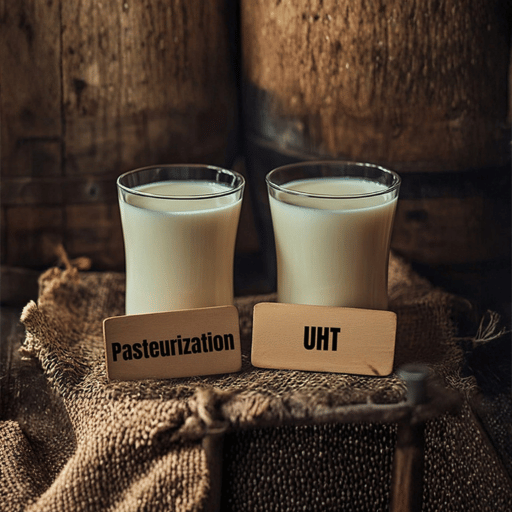
UHT milk generally has a faintly cooked or even caramelized taste owing to the high-temperature processing it goes through. This taste is dissimilar to that of pasteurized milk which has a more natural, fresh and raw-like taste. The different flavors are mainly due to the temperature treatment of the milk proteins and sugars. Although the taste of UHT milk is unappealing to a number of consumers, there are still some who like its distinct flavor especially in the cooking field.
Flavor Profile of UHT Milk
The high-temperature treatment process that makes UHT milk, or ultra-high-temperatures, produces subtle changes that characterize its flavor profile. The Maillard reaction, when heated, slightly modifies the lactose and proteins of the milk thus producing a very light sweet and brown sugar-like flavor as an aftertaste. This process lowers the freshness perception of natural flavors present in pasteurized milk. Although these changes turn UHT milk into a taste that some people need to acquire, they also improve its ability to resist spoilage, thus making it good for prolonged storage and use in cooking where such differences in flavor marry the dish.
Flavor Profile of Pasteurized Milk
Compared to UHT milk, pasteurized milk has a flavor profile that is more similar to the raw milk. The pasteurization process with lower heat treatment has no major impact on the milk’s natural sugars and proteins thus keeping the fresh and creamy taste with mild sweet notes. This way, the milk retains most of its original dairy flavor and at the same time it is safe and lasts longer, which makes it the number one choice for consumers who prefer milk with natural taste.
Consumer Preferences and Taste Tests
Research has been repeatedly conducted to confirm that the main factors behind consumer preference for pasteurized milk are its tastes that are fresh and natural. Consumer tests indicate that people often pick the pasteurized milk due to its closely similar flavor and scent to the raw milk when compared with UHT milk. Moreover, customers recognize the safety and taste retention that the process of pasteurization provides, since it kills all the dangerous bacteria without adding cooked or caramelized flavors which are usually found in UHT milk. This trend points out the significance of the current heat treatment techniques that are less aggressive in order to retain the sensory properties that are most appreciated by the consumers.
Uses and Applications
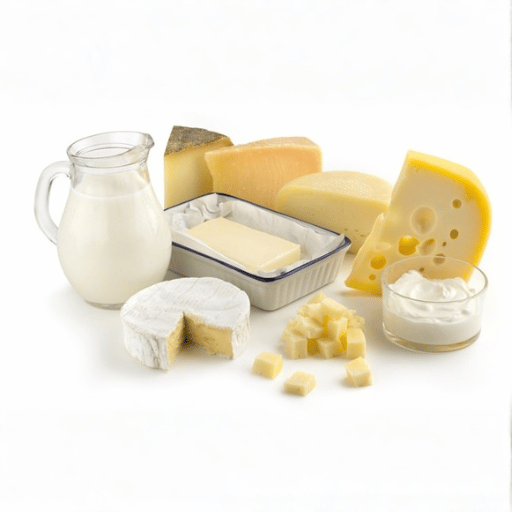
UHT milk is mostly used in case of a need for a long shelf life. It is the option chosen in places with poor refrigeration or in situations like camping, traveling, and emergency supplies. Besides, UHT milk is the safest selection for the food industry because of its extended keeping quality. Its unique flavor and stability made it a favorite among bakers who use it to enrich their recipes without requiring any pre-opening refrigeration. On the other hand, pasteurized milk is usually the best choice for everyday consumption as it has a fresher taste and a shorter shelf-life which make it suitable for regular household usage and quick turnover in grocery stores. Both milk types serve specific requirements on the basis of storage, convenience, and use scenarios.
When to Choose UHT Milk
- When non-refrigerated long-term storage is a must
- In areas with inadequate cold chain infrastructure
- For emergency supplies and disaster preparedness
- For those who want convenience and less spoilage risk
- In industries such as baking or food service where prolonged life and uniformity can ease the process and cut waste
When to Choose Pasteurized Milk
- When freshness, natural taste, and nutrient retention are priority
- For consumers with constant access to cold storage
- For those who appreciate shorter supply chains (local dairy purveyors, small-scale retail)
- For food businesses using fresh ingredients
- For immediate use either as a drink or in cooking where natural flavor and texture are important
Common Situations for Each Type
Frequently Asked Questions (FAQs)
What is the main distinction between UHT and pasteurized milk?
UHT (Ultra-High Temperature) milk undergoes heating to 135–150°C for a period of 2–5 seconds, whereas pasteurized milk goes through heating to 60–85°C for a longer period. The UHT milk has a longer shelf life, but the pasteurized milk has a fresher taste.
Which type of milk has a longer shelf life?
UHT milk has a much longer shelf life (6–12 months at room temperature) than that of pasteurized milk (7–10 days in the refrigerator).
Is there any difference in the taste of UHT and pasteurized milk?
The answer is yes; UHT milk has a little bit of a cookeor caramelized flavor because of the high-temperature processing, while pasteurized milk tastes more natural and has an overall fresher taste.
What type of milk is better for health?
UHT and pasteurized milk are both safe and nutritious. However, pasteurized milk can contain slightly higher natural enzymes and nutrients due to the lesser heat exposure.
What type of milk is more appropriate for regions with limited refrigeration?
UHT milk is a perfect choice for the regions with limited refrigeration facilities, as it can sit unrefrigerated until it is opened.
Reference Sources
- MDPI – Factors Driving Consumer Decisions During Milk Selection: Investigates consumers’ choice of UHT and pasteurized milk, places stress on demographic and economic factors.
- Shpilotech – UHT Sterilization vs Pasteurization: Compares UHT and pasteurized milk in terms of taste, shelf life, and use, among other things.
- PubMed Central – Effect of Heat Pasteurization and Sterilization on Milk: Surveys the application of heat treatments such as UHT and pasteurization in prolonging the shelf life of milk and making it safe for consumption.

Candy
Articles: 37

Trending now