Get in touch with Victorystar

Carbonated Soft Drink Production Machine Line

Contents
show
The carbonated soft drink industry is still in the limelight due to its constant innovations, improved production methods, and vibrant marketplace, as consumers seek different, refreshing drinks. The production machine line of the carbonated soft drinks is the centerpiece of this success—a highly skilled expert system that in the end gives us the fun, tasty drinks of our choice by processing the raw materials. This post aims to guide you through the production lines and their operations, the technology that drives efficiency and continuous improvement, and the key features indispensable to manufacturers. Whether you are a business owner, an industry enthusiast, or just curious about the process, this article will take you along the fascinating world of carbonated soft drink production and the machines that power it.
Introduction to Carbonated Drinks Production
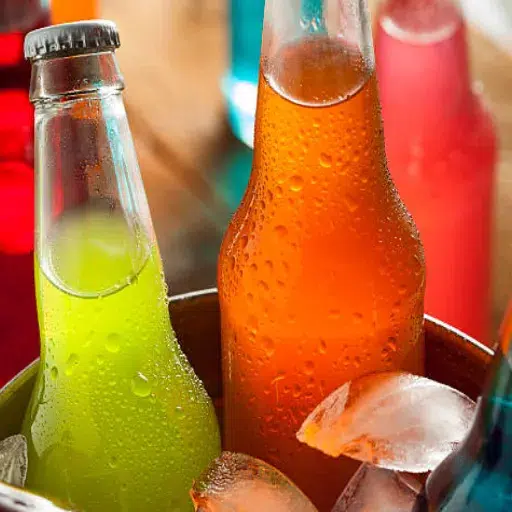
Overview of Carbonated Soft Drinks
Carbonated soft drinks refer to the drinks that are carbonated by the addition of carbon dioxide, the result being the signature fizz and bubbles. They are among the most commonly consumed drinks in the whole world, and their flavors range from traditional cola and citrus to even more peculiar ones like root beer and cream soda.
📊 Key Market Insights
- ✓ Market size predicted to increase at a constant rate over the next few years
- ✓ Rising demand in developing countries
- ✓ Diversifying product portfolios across manufacturers
- ✓ Ingenious marketing strategies driving consumer engagement
Even with the rising awareness and concern regarding the sugar content and the health impacts, these drinks remain popular among consumers for their refreshing characteristics and have become an integral part of many cultures all over the world.
Importance of Production Lines in Beverage Industry
The production lines are the backbone of the beverage industry in terms of enhancing its efficiency and scalability since they can deliver the required quantity of products to the consumers without compromising on quality. The very purpose of these systems is to carry out the fast-paced operation of manufacturing and bottling drinks, which is necessary to cope with the forthcoming market growth.
🎯 Critical Benefits of Efficient Production Lines
| Benefit | Impact |
|---|---|
| Cost Reduction | Minimizes operational overheads through automation |
| Environmental Protection | Reduces environmental wreckage and waste |
| Hygiene Standards | Ensures compliance with health and safety regulations |
| Scalability | Meets growing market demand efficiently |
The sector would have a hard time keeping up with the present rate of growth and adapting to changing consumer expectations were it not for production lines that work effectively.
Key Components of a Carbonated Drink Production Line
The production line of a carbonated drink comprises numerous essential components that are each responsible for a specific function, with the emphasis being efficiency, quality, and product consistency.
1. Water Treatment System
The water that will be used as the basis for most carbonated drinks has to be purified and bacteria-free at this point. The latest and best filtration systems are there to help maintain the high hygiene standards.
2. Syrup Preparation Unit
The sugar syrup, which is a mixture of sweeteners, flavorings, and sometimes concentrates, is made in this unit. The accuracy of both the measurement and the mixing processes is such that the consistency of the final product with the standard flavor profile is guaranteed.
3. Carbonation Equipment
This is one of the main elements; the machine, through a controlled manner, merges CO2 with the liquid to reach the desired bubbly sensation.
4. Filling and Capping Machines
The high-speed filling machines fill the bottles or cans with the carbonated drink to the exact amount. The capping machines make sure the drinks are sealed so as to keep them fresh and also have the right amount of carbonation.
5. Labeling and Packaging Units
Systems that work automatically put on labels and do the secondary packaging, thus ensuring that the drinks are all set for transport and display at the store.
6. Quality Control Systems
At different points of the production process, high-tech sensors and surveillance machinery are used to pick up flaws, see that cleanliness is maintained, and check that all the items produced come up to very strict quality standards.
💡 Pro Tip: A complete and properly controlled production line utilizing state-of-the-art technology not only achieves the highest possible efficiency but also complies with environmental and safety regulations, hence meeting the demands of both the industry and consumers.
Water Treatment Process
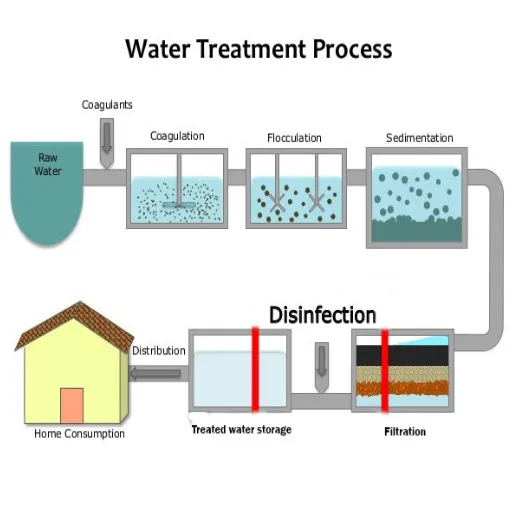
Water Preparation for Soft Drinks
Water pre-treatment is the first and very important operation in the soft drink manufacturing process as it guarantees the water is of the required standards in terms of flavor, cleanliness, and harmlessness.
🔄 Water Treatment Process Stages
- Coagulation and Flocculation: Water treatment chemicals are added to help fine particles clump into bigger ones for easier removal.
- Filtration: Processes using sand, carbon, and other media to get rid of the impurities that are left over.
- Softening and Demineralization: Methods such as reverse osmosis or ion exchange are applied to achieve the desired taste profile and remove undesired minerals.
- Disinfection: Use of ultraviolet (UV) light or chlorine to destroy microorganisms and guarantee the product is free of any harmful microbes.
🌱 Modern Technologies Gaining Acceptance
- ✓ Ultrafiltration techniques – Enhanced particle removal
- ✓ Ozone disinfection – Chemical-free sanitization
- ✓ Sustainable solutions – Environmentally conscious operations
- ✓ Regulatory compliance – Meeting stringent quality standards
This phase of the pre-treatment process serves as a guarantee for the beverage producers not just of high-quality end products but also of the industry’s effort to keep strict quality control measures.
Beverage Filtration Techniques
Filtration is one of the most important steps in the beverage production process, as it guarantees the removal of all impurities, particles, and microorganisms that could affect product quality and safety. The industry uses a variety of filtration methods for this purpose.
| Filtration Method | Purpose | Key Benefits |
|---|---|---|
| Microfiltration | Remove larger particles and bacteria | Preserves inherent flavors of the drink |
| Ultrafiltration | Separate proteins and suspended solids | Enhanced clarity and purity |
| Reverse Osmosis | Filter tiniest contaminants | Removes dissolved salts and organic molecules with precision |
| Membrane Filtration | Comprehensive purification | Greatest efficiency and lowest energy consumption |
Industry Trend: Companies are embracing cutting-edge filtration techniques more and more to satisfy the appetite of consumers for clean-label products and at the same time to be environmentally friendly. The beverage industry can make continuous improvements in product quality by laying its groundwork on these advanced techniques and can meet both consumers’ and regulatory authorities’ standards.
Significance of Water Quality in Soft Drinks
Water purity and quality are of utmost importance when it comes to making carbonated drinks as water is the major constituent with more than 90% of the drink being water most of the time.
💧 Key Water Quality Factors
Mineral Content: Determines the taste profile and flavor characteristics
Purity Levels: Ensures product safety and consumer health
Processing Methods: Advanced techniques like osmosis and UV treatments
Quality Control: Removes heavy metals and harmful microorganisms
The trend is moving towards consumers asking for contactless and personalized water sourcing and processing, which in turn forces producers to resort to water purification techniques that are as advanced as osmosis and UV treatments. Focusing on water quality allows beverage manufacturers to keep up with demanding safety standards, win consumers’ trust, and deliver a high-quality product.
Carbonation Process
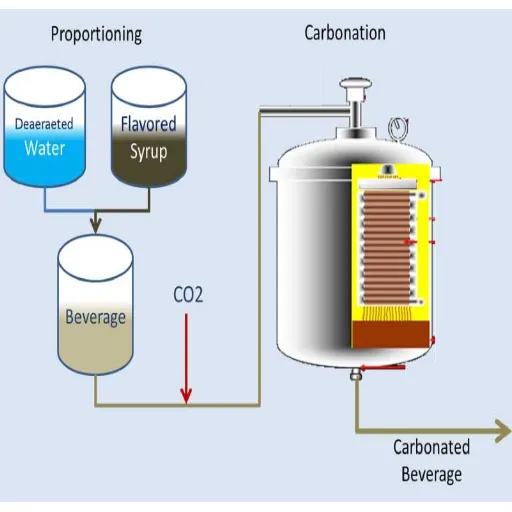
Comprehending Carbon Dioxide in Beverages
Carbonation is the process that leads to the dissolution of carbon dioxide (CO2) in beverages under pressure and thus leads to the creation of fizzy drinks that many people appreciate. The production of these beverages can be done using natural methods, such as the fermentation of beer or champagne, or modern forced methods, where CO2 is pushed into the liquid.
🥤 Modern Carbonation Methods
| Method Type | Description | Applications |
|---|---|---|
| Natural Fermentation | CO2 produced during fermentation process | Beer, champagne, traditional beverages |
| Forced Carbonation | CO2 mechanically injected under pressure | Soft drinks, sodas, sparkling water |
| Controlled Carbonation | Precise CO2 levels with advanced technology | Premium beverages, customized products |
📊 Consumer Preferences Trends
- 🔹 Slightly sparkling water for health-conscious consumers
- 🔹 Highly carbonated sodas for traditional preferences
- 🔹 Customized CO2 levels for personalized experiences
- 🔹 Greater control over bubble size and uniformity
Modern carbonation techniques provide the opportunity to have greater flexibility and control over the size and uniformity of the bubbles, thus improving the mouthfeel and general drinking experience. Understanding and applying such methods will allow drink makers to introduce new products that fit perfectly with market trends while maintaining the same quality and consistency in every product.
Guide to the Carbonation Equipment
The carbonation equipment is very important in the production of the best carbonated drinks. Modern carbonation systems are built with technology that involves using CO2 to inject, mix, and saturate very precisely to make the formation of bubbles and taste profiles that one desires consistent.
⚙️ State-of-the-Art Carbonation Devices
Inline Carbonators: Continuous carbonation during production flow
Pressurized Tanks: Batch carbonation with precise pressure control
Computerized Monitoring Systems: Real-time tracking and adjustment capabilities
🌍 Eco-Friendly Features in Modern Equipment
- Reduced CO2 emissions through optimized injection systems
- Energy-saving modes for sustainable operations
- Smart technology integration for resource efficiency
- Enhanced consumer loyalty through green production practices
Making use of the latest carbonation equipment, producers are able to not only compete but also fulfill the ever-changing market demands while maintaining environmental responsibility.
Carbon Dioxide Levels Measurement
Carbon dioxide level measurement is a very important stage in the process of ensuring product quality and consistency among different industries, especially in the beverage sector.
🎯 Advanced Measurement Technologies
Smart Technology
AI-driven systems for real-time monitoring
Precision Sensors
High-accuracy CO2 level measurements
✅ Benefits of Precise Carbonation Control
| Benefit Category | Impact on Production |
|---|---|
| Product Quality | Perfect taste, texture, and stability throughout shelf life |
| Customer Satisfaction | Consistent fizz and flavor in every product |
| Waste Reduction | Minimizes product defects and material waste |
| Resource Efficiency | Better CO2 usage and energy optimization |
| Sustainability | Aligns with green practices and environmental goals |
The successful management of carbonation levels is the first step towards obtaining a perfect product that consists of taste, texture, and stability. Precise carbonation control leads to the generation of less waste, better resource usage, and a production process that is aligned with green practices, thus being in line with the fast-growing demand for sustainability solutions.
Filling Production Line
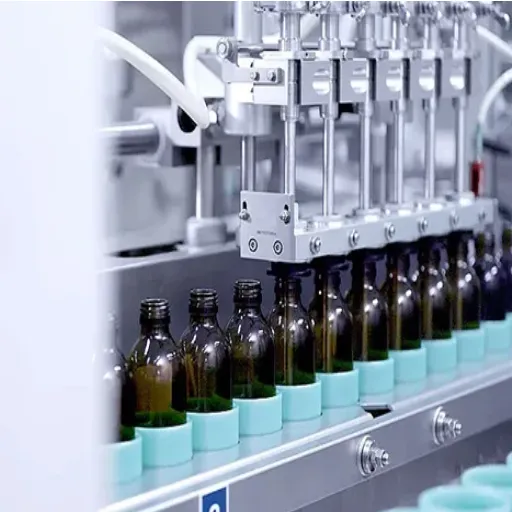
Filling Machines for Carbonated Drinks
Carbonated drinks are filled using a variety of specialized machines that ensure the quality and efficiency of the process. The machine types described below constitute the main filling machines used in carbonated beverages production:
🏭 Types of Filling Machines
1. Gravity Filling Machines
Best For: Watery or thick fluids
Operation: Work on the basis of gravity
Suitability for Carbonated Drinks: Not the most preferred method, but can be modified with pressurization systems to handle carbonated beverages effectively.
2. Isobaric Filling Machines ⭐ Industry Standard
Also Known As: Pressure fillers
Operation: Maintain the same pressure between the liquid storage tank and the container during filling
Key Advantages: No foam and overspill; ensures exact carbonation levels
Ideal Applications: Sodas, beers, and sparkling waters
3. Counter-Pressure Filling Machines
Specialty: Particularly created to process beverages with very high carbonation
Operation: Keep the gas inside the beverage by filling it under pressure
Benefits: Prevents gas loss and foaming; maintains maximum carbonation integrity
4. Volumetric Filling Machines
Precision: Very precise, measuring liquid by volume
Flexibility: Quite flexible in use
Requirements: Require alterations for carbonated drinks due to pressure and gas retention needs
5. Rotary Filling Machines 🚀 High-Speed
Application: Large-scale operations and high-speed production lines
Performance: Retain beverage quality while operating at high speed
Popularity: Top choice for manufacturers of beverages in large volumes
🌱 Modern Machine Features & Trends
♻️ Automatic Cleaning Systems
Built-in CIP (Clean-In-Place) technology
⚡ Energy-Saving Modes
Reduced power consumption during operation
🎮 Digital Controls
Greater precision and easier operation
🔧 Quick Adjustment Settings
Adapt to different carbonation levels and container sizes
Market Insight: The analysis of trends from search engine data has suggested that manufacturers are on the lookout for environment-friendly and energy-saving solutions, with growing demand for drinks catered to consumer taste and preferences in the form of personalized products.
Soft Drink Filling Process
The filling of soft drinks usually starts with the beverage base that is prepared by mixing with carbonated water so that the right flavor and fizziness are achieved. Then this mixture is poured into special filling machines that are made to exactly dispense the liquid into containers either bottles or cans.
🔬 Key Question: How Do Manufacturers Maintain Carbonation During Filling?
Advanced Atmospheric Control Methods:
- Pressure Control Systems:
Designed to maintain specific pressure levels inside the machine, preventing carbon dioxide loss during filling - Nitrogen Blanketing:
Further cuts down on oxidation and preserves the beverage’s freshness - Strict Quality Control:
Automatic inspection systems guarantee consistent carbonation levels matching industry requirements and consumer approval
✓ Critical Success Factors
Pressure Management
Temperature Control
Speed Optimization
Quality Assurance
Quality Control in Filling Production
Filling production quality control is in a state of constant evolution as it employs the use of new technologies aiming at making the process more accurate and less variable. Modern systems make use of advanced tools to spot even the slightest filling discrepancy.
🔍 Advanced Quality Control Technologies
| Technology | Function | Benefits |
|---|---|---|
| Automated Vision Inspection | Real-time visual quality checks | Detects fill levels, cap placement, label positioning |
| Laser Sensors | Precise measurement systems | Ensures accurate fill volumes and consistency |
| Machine Learning Algorithms | Predictive analytics and pattern recognition | Reduces human error and predicts maintenance needs |
| Data-Driven Tracking | Continuous process monitoring | Process improvement and quality optimization |
📊 Impact on Production Quality
- ✓ Immediate Detection: Spot filling discrepancies in real-time
- ✓ Error Reduction: Substantially reduced probability of human error
- ✓ Consistent Quality: Guarantees high-quality products throughout production
- ✓ Predictive Maintenance: Anticipates equipment needs before failures occur
- ✓ Consumer Satisfaction: Meets growing demand for flawless quality products
Industry Essential: The combination of these advanced technologies, together with the consumer’s demand for flawless quality products, makes the adoption of these systems even more critical in the beverages filling industry.
Packaging and Palletizing
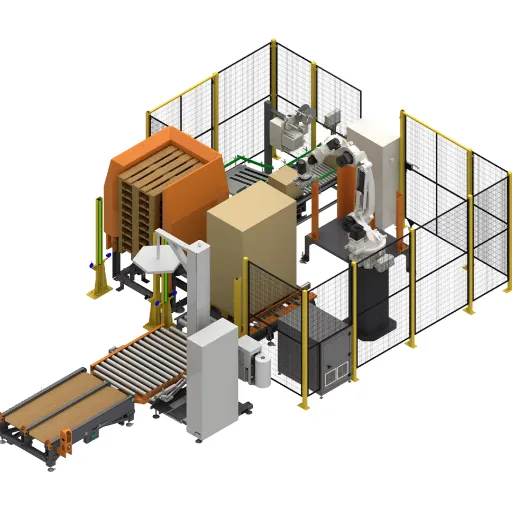
Packaging Alternatives for Carbonated Beverages
Carbonated beverage packaging is a significant consideration for manufacturers who must think about various options regarding market demands, product safety, and consumer attraction. The most frequently used packaging options are aluminum cans, PET plastic bottles, and glass bottles.
📦 Comprehensive Packaging Options Comparison
| Packaging Type | Key Strengths | Best Applications | Market Position |
|---|---|---|---|
| Aluminum Cans | – Lightweight – Highly recyclable – Excellent carbonation retention – Cost-effective |
Mass-market soft drinks, energy drinks, beer | Primary choice for volume sales |
| PET Plastic Bottles | – Durable – Flexible sizing – Shatter-resistant – Portable |
Larger packages, on-the-go consumption, family sizes | Most common for retail channels |
| Glass Bottles | – Premium aesthetic – Superior flavor preservation – Reusable – Traditional appeal |
Craft sodas, high-end drinks, specialty beverages | Premium segment choice |
🌍 Emerging Trends in Sustainable Packaging
Recent trends indicate an escalating consumer demand for environmentally friendly packaging alternatives, which is impacting purchasing decisions significantly.
♻️ Biodegradable Materials
Plant-based and compostable packaging options
🔄 Reusable Systems
Deposit-return schemes and refillable containers
🌱 Eco-Friendly Designs
Functional aesthetics with minimal environmental impact
📊 Consumer-Driven Innovation
Environmental concerns shaping product development
Market Impact: These trends are pushing beverage companies to innovate and develop greener alternatives and designs that are both functional and eco-friendly, meeting the expectations of environmentally conscious consumers.
Palletizing Methods for Efficient Storage
In the beverage industry, the use of efficient palletizing methods is one of the areas that are critical in optimizing storage and transportation, especially since consumer demand is the major driver of innovations. Automated palletizing systems are gaining more and more popularity as they offer higher precision and lower skilled labor costs.
🏗️ Modern Palletizing Solutions
Automated Palletizing Systems
- Higher precision in product placement
- Lower skilled labor costs
- Increased throughput efficiency
- Reduced product damage during stacking
Sustainable Palletizing Practices
- Recyclable pallet wraps for environmental protection
- Reusable pallet materials for long-term cost savings
- Stackable, modular pallets made of recycled content
- Eco-friendly alternatives addressing environmental concerns
💡 Key Question: How Can Palletizing Serve Both Efficiency and Sustainability?
The Answer: Employ a Hybrid Approach
- Combine state-of-the-art automation with eco-friendly materials
- Use stackable, modular pallets made of recycled content
- Calibrate automated systems for optimal pallet configurations
- Reduce product damage risk while maximizing load stability
✅ Benefits of Hybrid Palletizing Approach
| Benefit Area | Operational Impact |
|---|---|
| Waste Reduction | Minimizes generation of non-recyclable waste |
| Space Utilization | Efficient use of warehouse space |
| Product Protection | Reduces risk of damage during storage and transport |
| Load Stability | Increases safety and reduces shipping losses |
| Sustainability Alignment | Meets changing consumer preferences for eco-friendly operations |
By merging up-to-date technology with sustainability practices, companies can cater to both the demands of their operations and the expectations of the environment, which are also reflected in the changing consumer preferences.
Transport Factors for Bottled Drinks
Bottled drinks must be transported in a systematic way so that all factors including weight, fragility, and temperature control will be given due consideration. Proper transportation planning is essential for maintaining product quality and minimizing losses during distribution.
🚚 Critical Transportation Considerations
1. Package Protection
Challenge: Breaking of bottled or glass beverages during shipping
Solution: Strong and shock-absorbent packaging materials with cushioning and protective layers
2. Temperature Control
Critical For: Juices, dairy drinks, and temperature-sensitive beverages
Requirements: Temperature-controlled transport to ensure quality and safety during shipment
3. Space Optimization
Goal: Maximize truck space utilization
Benefits: Reduced costs per unit and improved delivery efficiency
4. Sustainable Logistics
Importance: Environmental responsibility and reduced carbon footprint
Methods: Electric delivery trucks, route optimization, eco-packaging in distribution
🌱 Eco-Friendly Transportation Trends
Recent figures indicate an increasing consumer preference for eco-friendly brands, requiring companies to find ways to mix operational efficiency with environmental responsibility.
| Sustainable Practice | Environmental Impact | Business Benefits |
|---|---|---|
| Electric Delivery Trucks | Zero emissions, reduced air pollution | Lower fuel costs, positive brand image |
| Route Optimization | Reduced fuel consumption, lower carbon footprint | Cost savings, faster deliveries |
| Eco-Packaging | Less waste in landfills, recyclable materials | Consumer loyalty, regulatory compliance |
| Load Consolidation | Fewer trips, reduced emissions | Lower transportation costs, efficiency gains |
💡 Industry Insight: Companies must balance operational efficiency with environmental responsibility to meet consumer expectations and maintain competitive advantage in the modern beverage market.
Investing in a Carbonated Drink Production Line
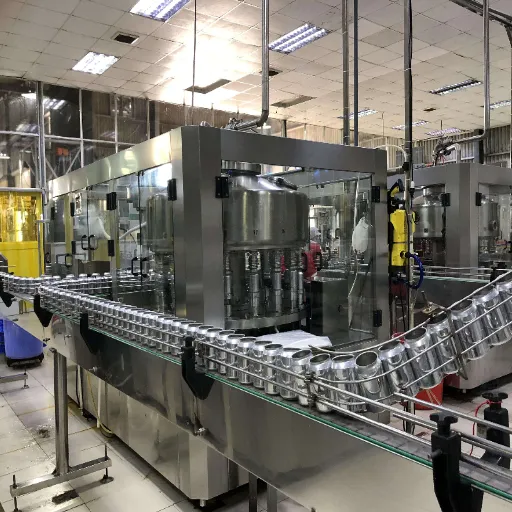
Factors to Consider Before Equipment Purchase
Buying a carbonated drink production line is not only a costly affair, but it also entails proper planning and assessment of the right factors to guarantee a smooth and economical process.
📋 Essential Checklist for Equipment Purchase
1. Production Capacity Assessment
Key Consideration: Required production capacity to satisfy present and expected market demand
📊 Search Trend: “Scalable production solutions” has seen a 34% increase in searches over the last year, indicating industry appreciation for flexible production systems
2. Energy Efficiency
Priority: Energy-efficient equipment for cost reduction and environmental protection
- Cuts down operational costs significantly
- Supports environmental sustainability goals
- Demonstrates corporate social responsibility
🌱 Market Insight: Searches for “energy-saving production equipment” have significantly increased
3. Sustainable Packaging Compatibility
Requirement: Check compatibility with sustainable packaging materials
📈 Consumer Trend: Customer interest in “environmentally friendly packaging” has increased considerably, driving equipment specifications
4. After-Sales Support
Critical Components:
- Maintenance Services: Regular upkeep and emergency support
- Training Programs: Operator and technician education
- Parts Availability: Quick access to replacement components
- Technical Support: 24/7 assistance for troubleshooting
⚠️ Important: Searches for “reliable production line maintenance” point out the critical role that operational reliability in the long run plays
🎯 Strategic Impact
Gradually, these factors will have a very positive effect on the company’s ability to position itself right with both the market demands and operational requirements.
Production Lines Cost Analysis
When contemplating the costs related to production lines, it’s necessary to consider both capital expenditures (CapEx) and operational expenditures (OpEx).
💰 Comprehensive Cost Breakdown
| Cost Category | Components | Optimization Strategies |
|---|---|---|
| Capital Expenditures (CapEx) | • Machine purchase/lease • Installation costs • Initial setup expenses • Infrastructure modifications |
• Seek cost-effective machinery without compromising quality • Consider leasing options • Negotiate installation packages |
| Operational Expenditures (OpEx) | • Energy consumption • Labor costs • Maintenance expenses • Raw materials • Packaging materials |
• Implement energy-efficient technology • Automate processes to reduce labor • Establish preventive maintenance schedules • Source sustainable materials |
🔍 Key Search Query Analysis
💵 “Cost-effective production machinery”
Users are looking for solutions that do not compromise on quality while also being economical
⚡ “How to reduce production energy costs”
Companies are racing to adopt green strategies that save the planet and significantly lower long-term costs
📦 “Cheap and sustainable packaging”
Steady increase in demand for affordable yet environmentally responsible packaging solutions
📊 Cost-Effectiveness Analysis: High-Tech Machinery Investment
Question: Is investing in high-tech machinery cost-effective?
Answer: Data analysis gives a positive answer, granted the technology goes hand in hand with sustainable practices and brings down operational costs.
Critical Evaluation Factors:
- Total Cost of Ownership (TCO): Include all costs over the equipment’s lifetime
- Projected Savings: Calculate savings from energy-efficient gear and automation
- Return on Investment (ROI): Maximize long-term profitability
- Operational Efficiency: Reduced downtime and maintenance costs
- Sustainability Alignment: Meeting environmental standards and consumer expectations
💡 Strategic Recommendation: Evaluating these factors aids businesses in making enlightening decisions that bring not only immediate savings but also future privileges and competitive advantages.
Carbonated Soft Drink Production Future Trends
The carbonated soft drink (CSD) industry is changing rapidly, mostly due to more consumers wanting to have a say in what they drink, emerging new technology, and increased environmental mindfulness.
🚀 Transformative Industry Trends
1. 🥤 Health-Conscious Beverages
One of the most notable changes is that more consumers are asking for healthier beverages, creating increased demand for innovative formulations.
Key Developments:
- Low-sugar and zero-calorie options
- Functional drinks with vitamins and antioxidants
- Natural ingredients and clean-label products
- Increased R&D investment in new flavor profiles
- Health-conscious alternatives to traditional sodas
2. 🌍 Environmental Sustainability
The industry is turning towards environmentally friendly packaging solutions as consumers become more aware and concerned about the environment.
Sustainable Initiatives:
- Replacement of plastic with biodegradable materials
- Increased use of recyclable aluminum cans
- Return to glass bottles for premium products
- Reduced waste generation across production
- Enhanced brand loyalty through sustainability
3. 🤖 Technological Advancement
Technology is developing and making the production process easier, more efficient, and more cost-effective.
Automation Benefits:
- Machines and robots handling heavy lifting operations
- Faster production with fewer mistakes
- Reduced total cost of running the plant
- IoT-enabled systems for real-time process visibility
- Smart factory tools for quality control
- Consistently good product output
4. 🛒 Direct-to-Consumer (DTC) Sales Channels
The opening up of direct-to-consumer sales channels is among the most potent influences on the market today.
Market Evolution:
- Growth of online shopping platforms
- Subscription models for regular delivery
- Increased product reachability
- Demand for personalized offerings
- Direct customer relationship building
- Customized product configurations
🔮 Industry Outlook
The trends discussed above are all likely to be the defining characteristics of the CSD industry, ushering in a future that is more sustainable, health-conscious, and customer-oriented than ever before.
Frequently Asked Questions (FAQ)
❓ What is the production line of a carbonated soft drink?
Production line of a carbonated soft drink is a manufacturing system that completely creates carbonated beverages. The different stages in manufacturing carbonated drinks include mixing syrup with water, carbonation, filling, and packing. The number of machines used on the line usually includes a carbonation machine, filling machine, and packaging machine. Nowadays, most of the production lines are fully automatic and operated using PLC systems. Suppliers for these lines give the option of making them according to production capacity and specific beverage formulations.
❓ How does a beverage filling machine work?
The filling machine for drinks dispenses carbonated drinks into containers, for instance, plastic or glass bottles, in an absolute manner. The procedure starts with bottles passing through a bottle washing system as the initial step. During the filling operation, the machine controls the pressure to retain the beverage’s carbonation level. The next step for the bottles is to proceed to the packaging phase where they might be packed into cartons. Modern drink filling machines are manufactured to keep pace with high-speed production and are able to fit into a larger beverage filling production line.
❓ Which components does a carbonated drink production line consist of?
The carbonated drink production line comprises a number of essential elements that cooperate with each other to yield carbonated drinks with maximum efficiency.
Key Components:
- Water production line that treats and purifies water
- Syrup preparation unit for flavor mixing
- Carbonation system for gasifying the beverage with CO2
- Filling machines built specifically for carbonated drinks
- Rinsing systems for carbonated bottles
- Labeling machines for product identification
- Packing stations for cartons and final packaging
The components together make a bridge for raw materials to transform into finished products.
❓ What are the advantages of a carbonated beverage production line?
A carbonated beverage production line offers numerous advantages that make it an essential investment for manufacturers:
Primary Benefits:
- Enhanced Efficiency: Un-interrupted production from syrup mixing to packaging
- Labor Cost Reduction: Automation reduces manual intervention requirements
- Improved Productivity: Faster output with consistent quality
- Quality Consistency: Uniform taste and carbonation in every product
- PLC Control: Entire process controlled through programmable logic controllers
- Versatility: Accepts different bottle types (PET, glass)
- Manufacturer Flexibility: Options to expand product lines
- Comprehensive Support: Easy maintenance and troubleshooting from suppliers
❓ What are the current trends in the production of carbonated drinks?
Several transformative trends are shaping the production of carbonated drinks today:
Key Industry Trends:
- New Flavors: Introduction of innovative and unique flavor combinations
- Health-Conscious Drinks: Natural ingredients and lower sugar content
- Advanced Carbonation Technology: Precise control for enhanced sensory experience
- Environmental Focus: Eco-friendly packaging solutions addressing sustainability concerns
- Clean-Label Products: Transparency in ingredients and manufacturing processes
- Personalization: Customized beverages catering to individual preferences
Strategic Importance: The beverage market is constantly evolving, and staying on top of these trends helps manufacturers remain competitive and meet consumer expectations.
❓ Can you elaborate on the role of a supplier in the production line of a carbonated soft drink?
A supplier in the production line of a carbonated soft drink plays a key role in making sure that manufacturers have excellent quality equipment and materials.
Critical Supplier Responsibilities:
- Equipment Supply: Provides machines such as drink filling machines and carbonation systems
- Support Services: Installation, maintenance, and technical assistance
- Customization: Adjusts production lines according to specific requirements
- Capacity Planning: Helps design systems for fast beverage production or special packaging
- Training: Educates operators on proper equipment usage
- Parts Availability: Ensures access to replacement components
- Quality Assurance: Maintains consistent standards throughout the process
Partnership Value: Collaborating with trustworthy suppliers enables beverage manufacturers to upgrade production capacity and maintain the same quality throughout the whole process, ensuring long-term operational success.
Reference Sources
For further reading and in-depth information about carbonated soft drink production, the following academic and industry sources provide valuable insights:
📚 Academia.edu – Installation of New CSD (Carbonated Soft Drink) RGB Line
Focus: This document discusses the installation and validation of a carbonated soft drink production line, including equipment like tanks, pipelines, and heat exchangers.
Access: Read more here
🎓 University of Arkansas – Soft Drink Industry Analysis
Focus: This paper provides insights into the soft drink industry’s production processes, including the use of sugar and other materials in manufacturing.
Access: Read more here
🔬 Academia.edu – Additives Used in Soft Drinks
Focus: This study explores the role of additives and carbonation machinery in soft drink production, emphasizing good manufacturing practices.
Access: Read more here

GW
Articles: 39
Trending now