Get in touch with Victorystar

Tomato Processing Equipment & Tomato Juice Production Lines

Contents
show
As the demand for global products such as tomato-juice products, including sauces and pastes, continues with the advent of food processing technology, there is a better understanding of the role of specialized machinery and processing lines for the production of identical tomato products. This comprehensive guide explores the machinery and technicalities involved in tomato juice production, enabling business owners to gain insight into the latest equipment advances, industry standards, and best practices essential for success in this evolving marketplace.
Overview of Tomato Processing

The processing of tomatoes involves several key steps to convert raw tomatoes into value-added products such as juice. Firstly, fresh tomatoes are sorted and washed to remove impurities to meet quality standards. This is followed by blanching to inactivate enzymes affecting flavor and color. Thereafter, tomatoes are crushed or pulped, and the juice, after removing seeds and skins through sieving, goes to pasteurization, which kills harmful microorganisms to ensure a longer shelf-life. Lastly, the product is packed under sterile conditions in the final stage to retain its flavor and prevent contamination. This assures that products are safe, consistent, and of high quality.
Importance of Tomato Processing
Tomato processing is a very important step in food security support, waste reduction and meeting consumer demand for convenient and long-lasting products. Perishable fresh tomatoes are turned into concentrates, sauces, and other preserved forms through the process which dramatically extends their shelf life and minimizes post-harvest losses. Besides, the process enables year-round availability of tomato-based products, regardless of the season.
Key Benefits:
- Quality standardization leading to consistent flavor, texture, and nutritional value
- Enhanced food safety through controlled processing methods
- Optimal resource utilization in the global food supply chain
- Significant reduction in post-harvest losses
Types of Tomato Products
The tomato processing sector caters to a wide range of consumer and industrial needs by manufacturing numerous products. Each product is processed with precision to ensure maximum preservation, flavor consistency, and shelf life extension.
| Product Type | Description | Primary Use |
|---|---|---|
| Tomato Paste | Concentrated base requiring cooking and blending | Sauces and soups |
| Diced/Crushed Tomatoes | Textured products for cooking applications | Culinary preparations |
| Tomato Purée | Smooth consistency product | Stews and blends |
| Ketchup & Sauces | Flavored condiments | Consumer condiments |
| Whole Peeled Tomatoes | Premium intact tomatoes | High-quality cooking |
| Tomato Powder/Concentrate | Dehydrated forms | Food manufacturing ingredients |
Market Demand for Tomato Products
Tomato products remain in great demand worldwide because they can be used in many ways, are good for health, and can be found in different types of cuisines. The major factors driving this demand include changing consumer lifestyles seeking more convenient food options, increased consumption of plant-based diets, and growing concern for health and wellness.
📊 Key Market Insights:
- Urban Demand: Processed tomato products are especially popular in metropolitan areas where quick and easy cooking is the norm
- Emerging Markets: Asian and African markets show the most promise, driven by expanding middle-class populations
- Industry Impact: Continuous demand supports food manufacturing, making the agri-food sector buoyant
Tomato Juice Production Line
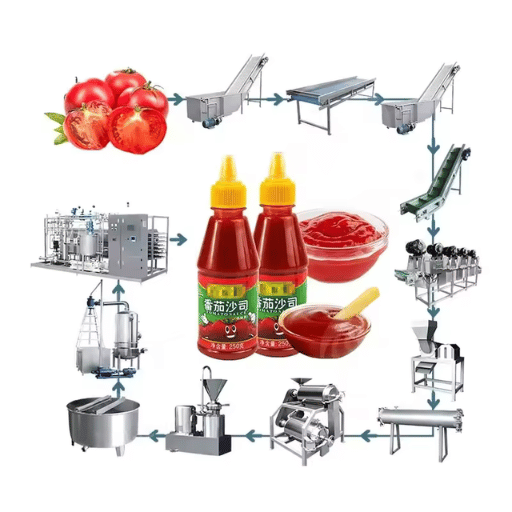
A tomato juice production line is a large-scale operation designed to process fresh tomatoes into excellent quality juice through systematic steps. This optimized procedure guarantees the production of tomato juice that is not only safe and nutrient-rich but also uniform and market-compatible.
Main Production Stages
- 1
Washing and Sorting: Fresh tomatoes undergo thorough washing to eliminate dirt, debris, and contaminants, then are sorted to guarantee that only first-class tomatoes continue to the next step. - 2
Crushing and Pulping: Sorted tomatoes are crushed and pulped to extract the juice while skins and seeds are separated. - 3
Heating and Pasteurization: Extracted juice is heated to kill germs and ensure the product is stable and safe for consumption. - 4
Filling and Sterile Packaging: Pasteurized juice is filled into sterilized containers like bottles or cartons to maintain freshness and prolong shelf life.
Components of a Tomato Juice Production Line
A tomato juice production line is normally equipped with a set of highly specialized machines designed to ensure high-quality production. The collaboration of these components optimizes production output while maintaining safety, hygienic standards, and the highest industry benchmarks.
🔍 Sorting and Washing System
Intricate network of machinery that selects the finest tomatoes, cleaning them thoroughly through washing and inspection to remove dirt and contaminants.
⚙️ Crushing and Pulping Unit
Equipment that handles complete tomato crushing while separating juice and pulp from seeds and skin to produce a smooth, well-mixed product.
🌡️ Preheating and Enzyme Deactivation
Systems that prepare the tomato mixture by inactivating enzymes, preserving color and nutritional composition of the product.
💧 Juicing and Filtration Apparatus
Efficient extraction and filtration devices that guarantee high juice output while removing unwanted impurities and solid residues.
🔥 Pasteurization Machinery
Properly controlled heat treatment to kill harmful microbes while preserving nutrients in the juice.
📦 Filling and Sterile Packaging Line
Sophisticated automated filling machines with clean packaging solutions ensuring correct container filling for extended product viability.
✅ Quality Control and Monitoring
Real-time instruments testing and monitoring pH levels, viscosity, and microbial content throughout production.
Step-by-Step Workflow in Tomato Juice Processing
The comprehensive processing workflow guarantees the production of tomato juice of the highest quality with maximum safety, uniformity, and nutritional value.
- Raw Material Selection and Sorting: Premium, ripened tomatoes are selected and carefully examined to ascertain their conformity with predetermined quality criteria. The sorting apparatus eliminates any inferior products to maintain output uniformity.
- Washing and Cleaning: Tomatoes undergo extensive washing with automated systems featuring sprayers and conveyors to remove dirt, debris, and potential contaminants.
- Blanching and Peeling: Tomatoes are treated with blanching, briefly heated with steam or hot water to facilitate skin removal. Mechanical peelers then efficiently remove the skin.
- Crushing and Pulp Extraction: Cleaned tomatoes are crushed for pulp extraction. Advanced pulping machines ensure separation of pulp from seeds and skins, providing smooth texture.
- Preheating and Enzyme Deactivation: Extracted pulp is preheated to stop enzyme action that would otherwise spoil the product, retaining flavor and nutritional value.
- Pasteurization: Pulp is kept under sterile conditions during pasteurization to kill pathogenic microorganisms without altering product quality.
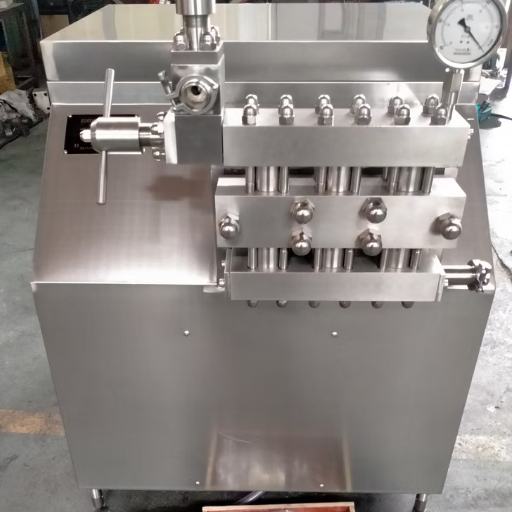
- Homogenization: Juice is treated with homogenizers to ensure even consistency and viscosity with uniform particle distribution for a smooth final product.
- Filling and Packaging: Pasteurized juice is filled into sterile containers via automated filling lines operating under aseptic conditions to prolong shelf life and prevent contamination.
- Cooling and Storage: Filled containers are quickly cooled to safe storage temperature before transfer to warehouses or distribution centers.
- Quality Assurance and Final Testing: Rigorous quality control checks including microbial analysis, pH testing, and sensory evaluations verify compliance with industry standards before reaching consumers.
Technologies Used in Juice Production
The tomato juice production process is highly technologically advanced, focusing on quality, safety, and efficiency. These modern technologies not only improve production yields but also maintain the highest industry standards.
🔬 Advanced Technologies:
- Automated Extraction & Filtration: Accurately separates juice from pulp while preserving nutrition
- Thermal Processing (Pasteurization): Ensures product safety from microorganisms while retaining flavor and nutrients
- HPP (High Pressure Processing): Extends shelf life through sterilization while maintaining freshness
- Aseptic Packaging Technology: Combines sterility and freshness for maximum shelf life
- Inline Sensors & Analytical Instruments: Enable real-time quality monitoring and control of pH, viscosity, and Brix measurements
Production Processes in Tomato Processing Lines

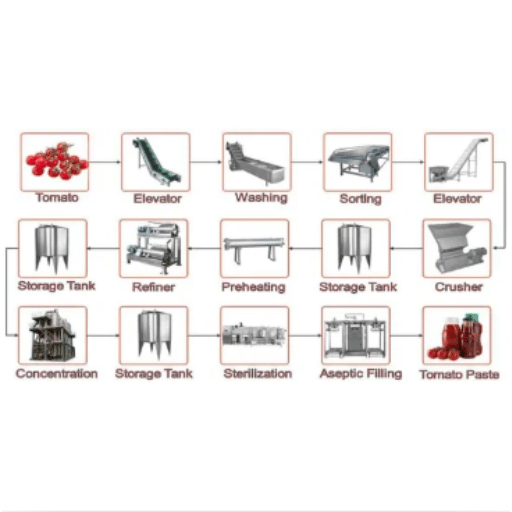
Tomato processing lines consist of well-defined sequential operations that transform fresh tomatoes into final products like tomato juice, paste, or sauces. This systematic approach ensures quality, efficiency, and hygiene throughout processing.
| Stage | Process | Purpose |
|---|---|---|
| 1. Sorting & Washing | Damaged and unripe tomatoes sorted out; thorough washing performed | Remove dirt, pesticides, and impurities |
| 2. Crushing & Heating | Tomatoes crushed to release juices then heated | Deactivate enzymes, prevent alterations, extend shelf life |
| 3. Pulp Extraction | Pulp separated from seeds and skins via pulping machine | Create smooth product base |
| 4. Concentration | Pulp heated under vacuum (for paste products) | Remove excess water, achieve desired concentration |
| 5. Pasteurization | Product treated with heat | Kill microbes, ensure safety and preservation |
| 6. Filling & Packaging | Product filled in sterilized containers using aseptic techniques | Prevent contamination, maintain freshness |
| 7. Quality Control | Stringent testing of every batch | Ensure safety, flavor, and consistency standards |
Tomato Paste Production
The production process of tomato paste is a meticulously orchestrated sequence of operations aimed at producing the best product with maximum yield. Ripe tomato selection is performed with precision, washing and sorting are accomplished with efficient machines, while advanced extraction and evaporation technologies help achieve the required concentration. Aseptic processing protocols are strictly followed during filling and packaging, allowing the product to maintain long shelf life without losing nutritional value or taste. Quality is constantly measured at every step to meet regulations and satisfy market requirements, emphasizing the industry’s commitment to the highest standards.
Puree Production Techniques
Efficient puree production consists of interconnected processes optimized for quality and scalability. The process begins by selecting high-quality, ripe produce as raw materials. Following this, washing, sorting, and homogenization are performed with precision equipment to achieve uniform consistency. Advanced heat treatment processes, such as pasteurization, are applied for enzyme inactivation and microorganism destruction, preserving nutritional value and flavor characteristics. Integration of automated monitoring systems enables real-time quality control, ensuring strict industry standards are met. Furthermore, aseptic packaging technologies maintain product freshness and safety for extended periods, demonstrating the industry’s innovation and excellence.
Aseptic Filling Processes
Aseptic filling methods begin with sterilization of both the product and packaging materials, which are then sealed in a sterile atmosphere. The process prevents microbial contamination through cutting-edge methods such as high-temperature sterilization and laminar airflow systems. This high-tech packaging approach guarantees that products remain unaltered, achieve longer shelf life, and meet international safety regulations through strict environmental control and precisely-crafted equipment. The process is vital in food, pharmaceutical, and biotechnology industries where product sterility is crucial.
Selecting the Right Tomato Processing Line
The selection of the correct tomato processing line relies on several major considerations. When thoroughly examining these factors, you can purchase a processing line that matches your operational goals, ensuring efficient, uniform, and high-quality production.
⚡ Key Selection Factors:
1. Production Capacity
Consider the volume of tomatoes you’ll process daily or annually to determine necessary equipment size. Lines range from small-scale niche production to large-scale industrial operations.
2. End Product Requirements
Identify your product—whether paste, puree, diced tomatoes, or juice. Each product requires specific equipment configuration and processing steps.
3. Automation Level
Choose between manual, semi-automated, or fully automated lines based on budget, labor availability, and production targets.
4. Quality Standards Compliance
Ensure the processing line complies with all regulations and food safety standards, including HACCP, to guarantee product quality and safety.
5. Flexibility and Compatibility
Opt for equipment that can process various tomato types and adapt to make different products if needed.
6. After-Sales Support
Select manufacturers or suppliers who offer comprehensive technical support, spare parts availability, and operator training to minimize downtime.
Cost-Effectiveness and Budget Considerations
In evaluating cost-effectiveness and budget, equipment with the least initial cost but highest long-term savings should be prioritized. Conduct thorough analysis of energy efficiency, maintenance needs, and processing line capacity to guarantee high return on investment. Additionally, procurement strategies like vendor comparisons, bulk discounts, and life-cycle cost analyses will help identify the most financially viable option. Merging these elements makes it possible to attain a cost-effective solution that maintains good quality and performance.
💰 Budget Optimization Tips:
- Prioritize equipment with proven energy efficiency ratings
- Calculate total cost of ownership, not just purchase price
- Compare multiple vendor proposals for competitive pricing
- Consider leasing options for expensive specialized equipment
- Factor in training costs and maintenance requirements
- Evaluate warranty coverage and service agreements
Scalability and Flexibility of Processing Lines
Modern processing lines are characterized by their scalability and flexibility, enabling manufacturers to cope with changing production requirements and dynamic market situations. A scalable processing line allows for gradual capacity expansion without requiring large-scale infrastructure changes, thus optimizing capital expenditure over the equipment’s lifetime.
Flexibility is another essential factor that allows quick changes in product specifications, batch sizes, or production workflows without losing efficiency or quality. Advanced modular designs, automation integration, and smart control systems contribute to making the processing line responsive, cost-effective, and future-proof in the ever-changing industrial environment.
📈 Scalability Benefits
- Gradual capacity expansion
- Optimized capital investment
- Modular equipment additions
🔄 Flexibility Advantages
- Quick product changeovers
- Variable batch processing
- Multi-product capability
Regulatory Compliance and Standards
Following rules and standard regulations is critical for ensuring product quality, operational efficiency, and market alignment. Compliance means satisfying specific conditions established by industry regulators such as ISO, FDA, or EU directives, depending on the respective industry and geographic market.
Regulations control the entire scope including quality assurance, environmental protection, and workplace safety, requiring thorough documentation, frequent inspections, and ongoing process evaluations. Establishing robust compliance frameworks not only reduces the risk of incurring legal costs but also elevates brand reputation and consumer trust in competitive markets.
| Standard/Certification | Scope | Key Requirements |
|---|---|---|
| ISO 9001 | Quality Management Systems | Process documentation, continuous improvement |
| HACCP | Food Safety | Hazard analysis, critical control points |
| FDA Compliance | US Market Requirements | Food safety modernization, labeling standards |
| CE Marking | European Union Standards | Safety, health, environmental protection |
| GMP (Good Manufacturing Practice) | Manufacturing Quality | Hygiene, process control, personnel training |
Reference Sources
- Market Report Analytics – Tomato Juice Market Analysis
Comprehensive analysis of the tomato juice market revealing major trends, growth factors, and key players. - Market Reports World – Tomato Processing Market
Reports covering world tomato processing market size, growth trends, and forecasts to 2033. - DataIntelo – Global Tomato Juice Market Report
Detailed coverage of the global tomato juice market, including size, projected growth, and emerging trends. - Ignition – Go-to-Market Strategy for Juice
Strategic suggestions for recognizing target consumers and building fruitful juice brands, applicable to tomato juice products. - KAAE Solutions – Choosing the Right Tomato Paste Production Line
Expert advice on selecting tomato processing equipment based on market and product specifications.
Frequently Asked Questions (FAQs)
Ready to Optimize Your Tomato Processing Operations?
Selecting the right tomato processing equipment is crucial for success in today’s competitive market. By understanding the technologies, processes, and considerations outlined in this guide, you’re well-equipped to make informed decisions that will drive efficiency, quality, and profitability in your operations.

Candy
Articles: 37
Trending now