Get in touch with Victorystar
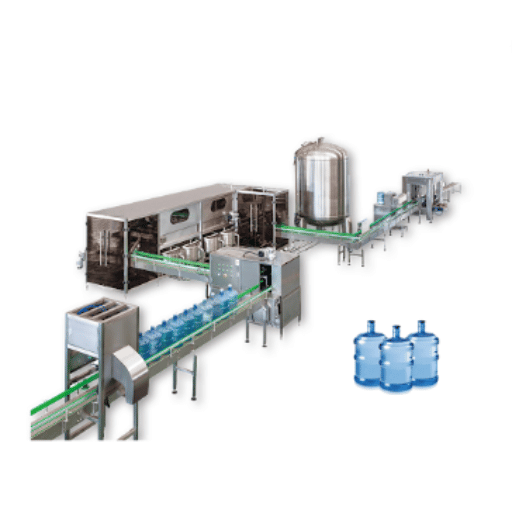
5 Gallon Bottle Water Filling & Water Production Line

Contents
show
As one of the predominant innovations in water packaging, 5-gallon bottle water filling and water production lines represent a convergence of precision, efficiency, hygiene, and large-scale capacity. This comprehensive guide explores the intricate details of these systems, covering everything from purification and sterilization through to capping and conveyor integration. Whether you’re a facility manager, potential investor, or simply interested in understanding water packaging technologies, this article will illuminate how these systems enhance operational efficiency while maintaining product integrity.
Overview of 5 Gallon Water Production
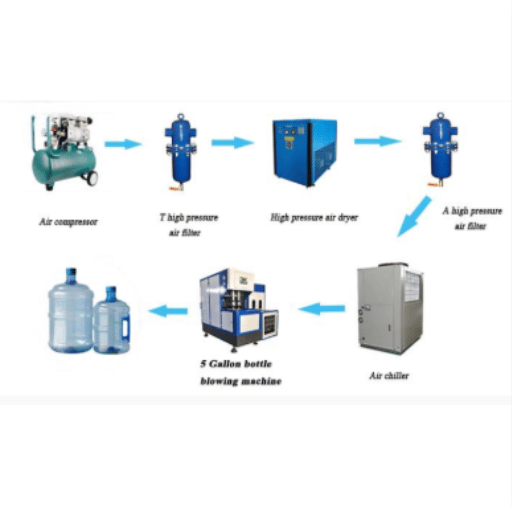
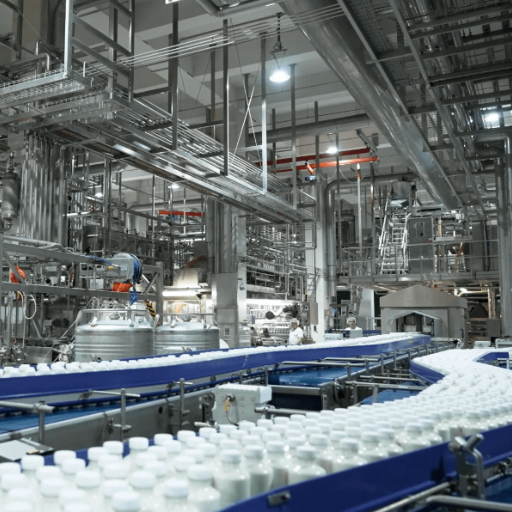
The production of 5-gallon water containers proceeds in a structured manner to ensure overall product quality and adherence to industry standards. The process begins with raw water intake and filtration, followed by treatment through various methods like reverse osmosis and ultraviolet technology to ensure safety and purity.
Production Process Flow:
- 1
Water Intake & Filtration: Raw water undergoes initial filtration to remove large particles and impurities. - 2
Advanced Treatment: Water passes through reverse osmosis and UV sterilization for comprehensive purification. - 3
Bottle Preparation: 5-gallon bottles are cleaned, drained, and positioned on the conveyor system. - 4
Filling & Sealing: Automated systems fill bottles with treated water and secure them with sealed caps. - 5
Labeling: Proper labels are applied to ensure product identification and compliance. - 6
Quality Inspection: Filled bottles undergo quality checks to ensure compliance with standards. - 7
Packaging & Distribution: Containers are prepared for secure transport throughout the supply chain.
This sterile process approach ensures cleanliness, quality, and efficiency throughout the entire production cycle.
Importance of 5 Gallon Bottled Water
The capacity of 5-gallon bottled water to fulfill needs for clean, safe, and convenient hydration makes it particularly valuable in situations where water quality may be questionable or alternative sources are unavailable. These containers offer numerous advantages that make them ideal for various settings.
♻️ Sustainability
Recyclable and reusable design reduces single-use plastic waste and environmental impact.
🏢 Versatility
Perfect for homes, offices, schools, universities, healthcare institutions, and catering needs.
💪 Durability
Built to last with sturdy construction designed for repeated use and refilling.
✅ Quality Assurance
Rigorous purification and laboratory testing ensure high-standard drinking water.
Market Trends in Bottled Water Industry
The bottled water industry continues to witness strong growth with increasing demand for convenient and safe hydration solutions. Several key trends are shaping the industry’s evolution.
📊 Current Market Trends:
- Premium Products: Market shift toward alkaline, mineral-infused, and vitamin-enriched water targeting health-conscious consumers
- Sustainability Focus: Companies adopting eco-friendly packaging, advancing recycling technology, and promoting reusable bottle systems
- E-commerce Growth: Direct-to-customer distribution models making diverse products easily accessible
- Consumer Adaptation: Industry demonstrating ability to adapt to evolving consumer and environmental preferences
Types of 5 Gallon Water Production Lines
Various production line setups are used in the five-gallon potable water industry, each tailored toward specific operations and capacities. Understanding these different types helps businesses select the most appropriate system for their needs.
| Production Line Type | Description | Best For |
|---|---|---|
| Automated Production Lines | Complete automation of washing, filling, sealing, and labeling processes | High-volume operations with minimal error tolerance |
| Semi-Automatic Production Lines | Blend of human labor and mechanization; automated filling/capping with manual bottle handling | Medium-scale operations with moderate budgets |
| Enhanced Filtration Lines | Multiple filtration systems including RO, UV sterilization, or ozone disinfection | Organizations prioritizing superior water quality and strict safety standards |
💡 Selection Tip: Each production line type offers unique advantages in terms of production capacity, operational capabilities, and costs. Businesses should select the solution that best aligns with their production goals and operational capabilities.
Key Features of a 5 Gallon Water Bottling Machine
Modern 5-gallon water bottling machines incorporate advanced features designed to ensure efficiency, hygiene, and quality throughout the production process.
1. Automated Wash System
Multi-stage cleaning cycles ensure elimination of unwanted bacteria and impurities, instilling high hygiene standards in bottles before filling.
2. High-Speed Filling System
Designed for accurately and efficiently filling large quantities of water to meet production demands without compromising precision.
3. Secure Capping Unit
Engineered to seal bottles tightly and consistently, preventing leaks and maintaining product integrity during distribution.
4. Durable Construction
Manufactured using corrosion-resistant materials, promising longevity and reliability during demanding, high-capacity usage.
5. User-Friendly Operation
Features easy-to-navigate control panels enabling operators to monitor and configure production settings conveniently.
6. Quality Control Integration
Employs sensors and monitoring systems to detect inaccuracies in filling or sealing tasks, ensuring quality standards are consistently achieved.
7. Energy Efficiency
Built with energy-conserving processes that reduce operational costs while maintaining production intensity.
Fully Automatic vs. Semi-Automatic Systems
Choosing between fully automatic and semi-automatic systems is a critical decision that impacts production efficiency, labor requirements, and overall operational costs.
⚙️ Fully Automatic Systems
Operate with minimal human intervention using sophisticated automation and integrated sensors.
- Operations: Loading, filling, sealing, and packaging
- Results: Consistent and precise every time
- Best For: Large production environments
- Priority: Speed and accuracy
- Benefits: Higher efficiency, reduced labor costs
🔧 Semi-Automatic Systems
Require human monitoring or intervention at certain production stages.
- Operations: Manual loading, automated filling/sealing
- Results: Flexible and customizable
- Best For: Small to medium production runs
- Priority: Flexibility and cost-effectiveness
- Benefits: Lower initial investment, adaptable
🎯 Decision Factors:
The choice between fully automatic and semi-automatic systems depends on production needs, financial considerations, and desired level of operational control. Fully automatic systems excel in efficiency and labor reduction, while semi-automatic systems offer greater flexibility and are more cost-effective for businesses with lower production volumes or fluctuating requirements.
Essential Components of a Water Filling Machine
A water filling machine operates with several essential components that work together to guarantee precision, efficiency, and quality delivery. Understanding these components is crucial for proper operation and maintenance.
Core Components Overview:
1. Filler Valves
Precision-engineered valves that regulate water flow and delivery into containers with mathematical accuracy.
2. Conveyor System
Transportation mechanism moving bottles or containers through various stages of the filling assembly line.
3. Rinsing Unit
Equipped with nozzles to wash containers thoroughly before filling, ensuring compliance with health and safety standards.
4. Capping Mechanism
Secures caps on sealed containers, maintaining content integrity and safety during storage and transport.
5. Control Panel
Centralized interface for operators to set up, monitor, and adjust operations in real-time.
6. Drive Systems
Motors powering the equipment to ensure synchronized operation of the conveyor and filling systems.
7. Frame and Structure
Solid framework providing essential support for consistent and reliable operation of all components.
Every component has been designed and constructed based on principles of efficiency, waste reduction, and regulatory compliance. When coupled with advanced automation and process controls, these water filling machines deliver consistent performance across diverse production environments.
Benefits of Advanced Bottling Equipment
✨ Key Advantages:
- Enhanced Efficiency: Purpose-built for faster production speeds with precise liquid dispensing
- Reduced Material Waste: Accurate metering minimizes product loss and optimizes resource utilization
- Minimized Labor Requirements: Automation reduces manual intervention and probability of human errors
- Quality & Safety Compliance: Meets or exceeds all standardized safety and quality requirements
- Modular Adaptability: Well-suited for both high-volume and specialized production needs
- Cost Efficiency: Long-term operational savings through reduced waste and labor costs
Top Manufacturers of 5 Gallon Water Production Lines

Selecting the right manufacturer is crucial for ensuring quality equipment, reliable support, and long-term operational success. The following manufacturers are recognized leaders in the industry.
| Manufacturer | Specialization | Key Strengths |
|---|---|---|
| Krones AG | High-end bottling equipment | Robust, productivity-efficient large-scale solutions |
| Sidel Group | Liquid packaging | Precision engineering and optimal efficiency |
| Newamstar | Technological innovation | Integrated automation and strict quality control |
| Tech-Long | Scalable solutions | Custom-built lines compatible with varying production scales |
| Fillex Machinery | Cost-effective solutions | Energy-efficient with high operating efficiency |
💼 Selection Note: Each manufacturer stands out in the 5-gallon water production equipment market with unique strengths. When choosing, consider your specific application requirements, budget constraints, and long-term support needs.
Leading Brands in the Industry
When benchmarking leading brands in the 5-gallon water production domain, focus on proven reliability, innovation capability, and comprehensive support. Brands like Proman Machinery, recognized for automation expertise and sturdiness, along with Fillex Machinery, advancing cost-efficient solutions, are viewed as industry benchmarks. These brands represent state-of-the-art technology in durability and flexibility with a discernible focus on serving various operational needs.
🔍 Evaluation Criteria:
The final decision should be made considering production requirements, budget allocation, and long-term scalability to ensure complete integration and sustained operational efficacy.
Innovative Technologies from Top Manufacturers
Leading manufacturers are incorporating cutting-edge technologies to optimize production processes and deliver enhanced performance. These advanced technologies represent the forefront of industrial automation.
🤖 AI Integration
AI-driven algorithms enable predictive and preventive maintenance, improving efficiency by minimizing downtime and maximizing operational optimization.
🌐 IoT Connectivity
IoT-driven machinery generates real-time surveillance, inter-connectivity, and proactive device management, vastly improving workflow transparency.
🦾 Precision Robotics
Robotic technology achieves significantly higher accuracy and productivity in manufacturing, especially in complex packaging and assembly lines.
Implementation of these advanced technologies provides end-users with enhanced performance, flexibility, and cost-effectiveness, setting new benchmarks for industrial automation excellence.
Comparative Analysis of Manufacturer Offerings
When comparing manufacturers regarding industrial automation technologies, several prominent features require careful evaluation to ensure the best investment decision.
📋 Key Comparison Factors:
- Technology Level: Advanced AI-based analytics, IoT-connected devices, and precision robotics versus conventional solutions
- Integration Capabilities: Seamless interoperability with existing manufacturing systems and robust cybersecurity measures
- Scalability: Ability to grow with production demands and adapt to various manufacturing environments
- Pricing Structure: Cost remains a significant feature in decision-making; evaluate total cost of ownership
- Design Efficiency: Modular and energy-efficient designs that lower long-term operational costs
- Support Services: Technical assistance, training programs, and spare parts availability
Ultimately, segmentation of manufacturer offerings based on exact operational needs and growth objectives can define the best choice for your specific requirements.
Maintenance Tips for Water Production Equipment
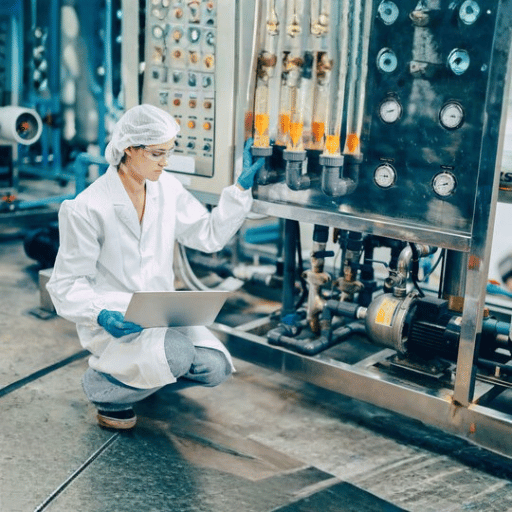
Proper maintenance is essential for ensuring optimal performance, longevity, and consistent product quality from water production equipment. Following a structured maintenance program minimizes downtime and prevents costly repairs.
Essential Maintenance Practices:
1. Regular Cleaning
Ensure adequate cleaning of components including water tanks, filters, and vents to prevent contaminants and biofilm growth. Use manufacturer-recommended cleaning chemicals and follow prescribed protocols.
2. Filter Replacement
Replace filters according to manufacturer-specified frequency to maintain water quality and system efficiency. Check filters regularly for clogging or wear between scheduled replacements.
3. Check for Leaks
Conduct monthly inspections to detect any leakage in pipes, hoses, or valves. Address problems immediately to prevent water loss and potential damage to adjacent equipment.
4. Lubrication of Moving Parts
Apply appropriate lubricant to moving components such as conveyors and pump mechanisms to ensure smooth operation and retard wear.
5. Calibration of Sensors
Consistently recalibrate sensors including flow meters and pressure gauges for accurate readings and optimal system performance.
6. Schedule Professional Maintenance
Utilize certified technicians for annual or biannual inspections with detailed attention to complex components and certified operational standards.
7. Monitor Operational Parameters
Key parameters including temperature, pressure, and flow rate should be monitored continuously. Deviations from normal ranges signal urgent attention is needed.
8. Follow Manufacturer’s Guidelines
Always consult the operating manual for specific maintenance procedures and comply with established timelines for care and equipment improvement.
Routine Maintenance Practices
The importance of industrial equipment maintenance cannot be overstressed in terms of operational efficiency, safety, and equipment lifecycle. Key practices include regularly scheduled inspections, routine evaluation of parts for wear or damage, proper lubrication of moving parts per manufacturer specifications, and thorough cleaning to prevent obstruction from buildup of debris.
✅ Best Practices Checklist:
- Regular replacement of consumable parts such as filters and seals on established schedules
- Comprehensive documentation of all maintenance activities for pattern analysis
- Synchronization of maintenance routines with manufacturer’s instructions
- Proactive identification of potential issues before they cause failures
By maintaining a rigorous approach to these maintenance routines, businesses can effectively reduce downtime, minimize repair costs, and achieve overall system optimization.
Common Issues and How to Resolve Them
Understanding common equipment issues and their solutions helps maintain operational continuity and prevents minor problems from escalating into major failures.
| Issue | Common Causes | Solutions |
|---|---|---|
| Equipment Overheating | Inadequate ventilation, excessive friction, poor lubrication | Ensure proper airflow, assess parts for wear, maintain scheduled lubrication |
| Degraded Performance | Clogged filters, malfunctioning parts, software inefficiencies | Periodic replacement of consumables, system diagnostics, equipment calibration |
| Unexpected Downtime | Minor maintenance oversights, electrical faults | Implement preventive maintenance schedule, use advanced monitoring tools |
| Alignment & Calibration Issues | Misalignment, poor calibration | Regular calibration checks with high-precision instruments, follow service recommendations |
Through proactive measures and prompt issue resolution, companies can avoid operational interruptions, improve equipment lifespan, and maintain continued reliability with optimal cost benefits.
When to Seek Professional Help
⚠️ Professional Assistance Required When:
- Internal competence is inadequate to handle complex equipment malfunctions
- Persistent performance anomalies cannot be resolved through routine maintenance
- Advanced calibration needs exceed on-site capabilities
- Sophisticated system failures require specialized diagnostic equipment
- Precision alignments or unique maintenance tasks are beyond site capabilities
Licensed technicians possess the expertise to diagnose complex system failures, correctly adjust minute precision alignments, and carry out specialized maintenance tasks. Early intervention with competent professionals minimizes downtime, reduces the risk of further mechanical damage, and ensures continued compliance with industry codes.
Reference Sources
- New Haiguang – Bottled Water Production Factory Business Plan
Comprehensive coverage of production scale, necessary equipment, objectives, and projected customers for bottled water operations. - Navan Filling Machine – 600BPH 5-Gallon Water Filling Machine Case Study
Analysis of ROI achievement for a 600 BPH production line implementation. - Fillers Packer – Complete Bottle Water Production Line
Presentation of viable methods for producing high-caliber bottled water efficiently. - Alantech – Factors to Consider Before Choosing Bottling Line Equipment
Outline of critical criteria to evaluate before selecting bottling equipment for 5-gallon production. - IBIS World – Bottled Water Production in Canada Industry Analysis
Market and industry study providing insights into Canada’s bottled water production sector.
Frequently Asked Questions (FAQs)
Ready to Invest in a 5 Gallon Water Production Line?
Selecting the right water production equipment is crucial for operational success and product quality. With the information provided in this comprehensive guide, you’re equipped to make informed decisions about equipment selection, manufacturer partnerships, and maintenance strategies that will drive efficiency and profitability in your water bottling operations.

Candy
Articles: 37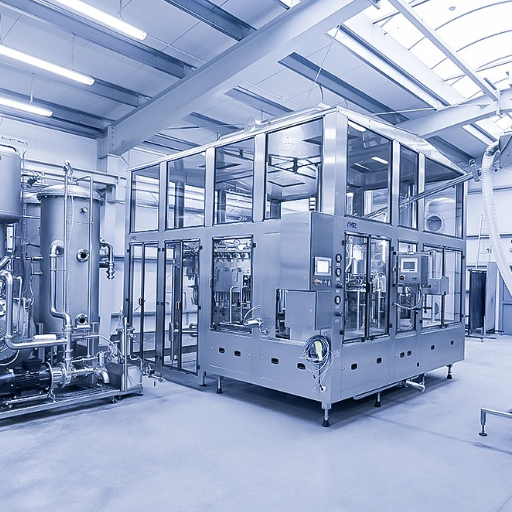
Trending now