Get in touch with Victorystar

What Is Fruits And Vegetables Processing?

Contents
show
Introduction to Fruit and Vegetable Processing
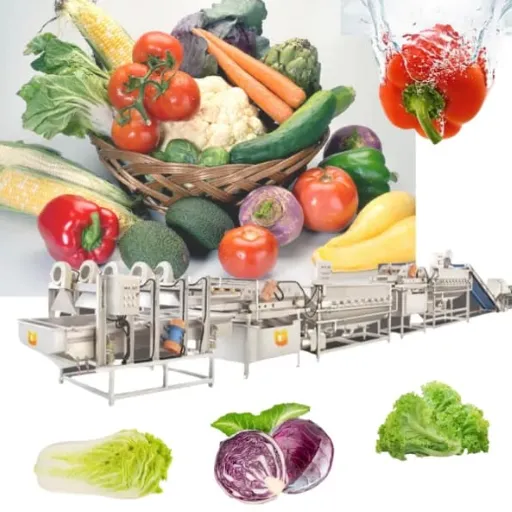
Definition of Fruit and Vegetable Processing
Fruit and vegetable processing is the term used to define bringing in fresh produce and using various methods and operations to transform it into forms that are safe, convenient, and ready for eating or storage. The processes can be cleaning, peeling, cutting, drying, freezing, canning, or juicing, which, on one hand, help to prolong the life of fruits and vegetables and, on the other, retain their nutrients and even improve their quality.
📊 Consumer Insights 2023
According to recent information, the global interest in processed fruits and vegetables has risen considerably owing to the demand for healthy and convenient food options. A survey conducted in 2023 revealed that more than 60% of the respondents consider it worthwhile to purchase processed fruits and vegetables because they take less time to prepare and spoil less; among them are frozen fruits and pre-cut vegetables.
Importance of Food Processing
The importance of food processing in modern times cannot be overstated; it not only meets the needs of today’s consumers but also integrates their lifestyles that prefer quick, efficient, and health-conscious food choices. Data from online search trends shows a remarkable increase in consumer interest and dependence on processed fruits, vegetables, and ready-to-eat meals.
⏰ Time Efficiency
Consumers purchase processed foods to save cooking time and reduce daily meal preparation efforts.
♻️ Waste Reduction
Processing helps minimize food waste while maintaining access to nutritious options year-round.
🛡️ Food Safety
Advanced technology ensures longer shelf lives, better food safety, and optimal nutrient preservation.
Overview of the Process
A comprehensive and systematic approach is followed by the food processing industry to allow for the transformation of raw ingredients into ready-to-eat meals which fulfill the needs of modern consumers. The journey of processing starts with the selection of top quality raw materials that are either directly sourced from farms or suppliers.
Processing Journey: Step-by-Step
- Raw Material Selection: High-quality produce sourced directly from farms or trusted suppliers
- Quality Testing: Strict testing protocols to guarantee safety and quality standards
- Cleaning & Sorting: Thorough cleaning and sorting of raw ingredients
- Processing: Cutting, heating, drying, or freezing according to product type
- Advanced Preservation: Vacuum sealing, pasteurization, and modified atmosphere packaging
- Quality Assurance: Final checks ensuring shelf life and nutrient preservation
🔍 Consumer Transparency Trend
Recent data reveals a strong increase in queries about “how processed food is made” and “healthy meals ready to eat.” This reflects rising public interest in knowing about the sources and safety of processed food. The industry is cleverly positioned to build trust with consumers by employing transparency, quality assurance, and sustainability throughout the supply chain.
The Future of Fruit and Vegetable Processing

Trends in Vegetable and Fruit Processing
The latest data reports say that the fruits and vegetables processing sector now pays more attention to environmentally friendly and health-oriented innovations. A global increase in the number of searches for “minimal processing techniques,” “organic produce preservation,” and “plant-based packaging alternatives” signifies that people are becoming more and more health-conscious and are thereby preferring products that are less harmful to Mother Nature.
🚀 Emerging Processing Trends
❄️
Cold-Pressing
Excellent for maintaining nutrition and taste
🧊
Freeze-Drying
Superior nutrient preservation technology
♻️
Waste-Free Steps
Converting waste into food or bioplastics
🌿
Minimal Processing
Less intervention for natural products
💡 Industry Insight
These innovations not only support environmentally-friendly practices but also attract consumers that seek openness and lesser environmental chaos. The processing of fruits and vegetables facing the wind of change through up-to-date technology will offer the industry the opportunity to produce exciting solutions having the right mix of productivity, nourishment, and nature-friendliness.
Economic and Environmental Considerations
In the fruit and vegetable processing industry, the combination of economic issues and environmental sustainability is the main theme. The latest data have reported that consumer interest in sustainable methods has grown over 30% in the last five years. Such a trend demands that cost-effectiveness goes hand in hand with eco-friendly practices.
📊 Key Statistics: 30% Growth in Sustainable Interest
Consumer interest in sustainable methods has experienced over 30% growth in the last five years, driving industry transformation toward eco-friendly practices.
🏭 Green Technology Investment
Energy-efficient machines, renewable energy, and waste management reduce expenses and carbon footprint
📜 Policy Support
Policies and grants supporting eco-friendly technologies encourage sustainable approaches among companies
💰 Dual Benefits
Industry players reap benefits of both long-term cost reduction and environmental impact minimization
Innovations on the Horizon
The fast pace of technological development is making it easier to come up with new ideas for sustainability and efficiency breakthroughs. The latest data from research claims that these technologies are not only becoming popular worldwide but are also key in fulfilling the carbon neutrality target of 2050, which is a sign of a forthcoming stage where environment concern and innovation are indeed intertwined.
🔬 Future Technological Innovations
⚡ Smart Grids Development
Real-time data usage to improve energy distribution and cut down energy wastage
🔋 Battery Storage Technology
Solutions for irregular power supply from renewable sources like solar and wind
🤖 AI & Machine Learning
Increased predictive maintenance in manufacturing, decreasing downtime and increasing resource efficiency
Benefits of Processing Fruits and Vegetables
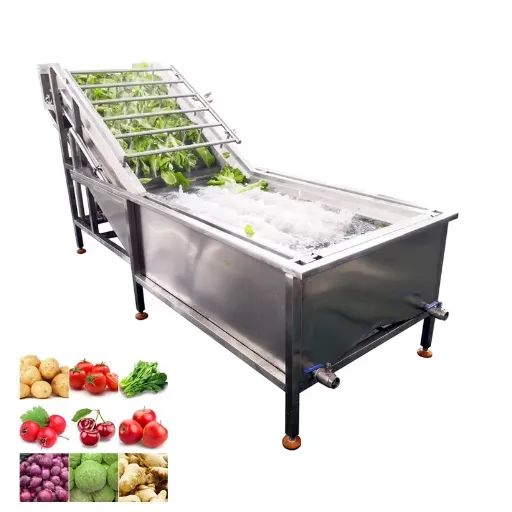
The Nutritional Value is Enhanced
Correctly processing fruits and vegetables can extraordinarily raise their nutritional profile. Present methods that include blanching, freezing, and drying work on the principle of keeping the total nutrients intact when the processes get over without losing vitamins and minerals.
✓ Nutritional Enhancement Benefits
- Nutrient Retention: Freezing guarantees that consumers have access to produce with very good health benefits
- Fortification: Addition of important micronutrients like vitamin D or calcium to rectify dietary deficiencies
- Quality Maintenance: Processed foods maintain their health benefits through efficient methods
- Eco-Friendly Technologies: Modern processing keeps fruits and vegetables in their nutritious character
Extending Shelf Life and Reducing Spoilage
The issue of spoilage and the need for longer-lasting fruits and vegetables is becoming increasingly urgent. This is especially true when fresh, high-quality produce is a major consumer demand. A survey found that many consumers who use the internet often look for fresh options that last while being unwilling to compromise on the nutritional aspect.
📦 Advanced Preservation
Vacuum packaging, modified atmosphere storage, and natural edible coatings lower microbial activity and control enzymes, significantly delaying spoilage.
🤖 Smart Technology
Coupling AI with IoT sensors for storage enables environmental monitoring and provides hints for freshness optimization.
🌍 Global Impact
Meeting consumer expectations for longevity and quality while contributing to the global challenge of reducing food waste.
Economic Benefits of Processed Items
Processed products are one of the main contributors to economic growth because they create a variety of extensive value chains that stretch across agriculture, manufacturing, distribution, and retail.
💰 Economic Impact Highlights
$4+ Trillion
Global processed food market value surpassed in 2022, with steady growth projected
Value Chain Creation
Extensive chains across agriculture, manufacturing, distribution, and retail sectors
Job Generation
Employment opportunities from factory workers to management across supply chains
📈 Additional Economic Advantages
- Waste Reduction: Extended shelf life reduces food wastage, benefiting producers and consumers
- Operational Efficiency: Modern technology and automation increase production efficiency
- Cost Reduction: Lower operational costs leading to increased profits
- Scalability: Features position processed products as solutions for growing global population needs
Drawbacks of Processing Fruits and Vegetables

💡 Important Consideration
It is worth mentioning that processed fruits and vegetables have nutritional loss but still remain healthy, and they provide an easy way for people who regularly take fruits/vegetables to incorporate them into their diets.
Potential for Microorganism Growth
Microbial growth in fruits and vegetables is largely determined by the different processing, storage, and handling conditions. Fresh produce, if not stored properly, can soon turn into a habitat for bacteria, molds, and yeasts as they are attracted by the moisture and sugars contained in the fruits and vegetables.
⚠️ Safety Guidelines for Consumers
🧼 Proper Washing
Wash fresh fruits and vegetables very well before consumption
🌡️ Temperature Control
Store produce at right temperatures immediately to prevent contamination
🔍 Inspection
Check canned goods for damage like dents or leaks that might threaten safety
✓ Processing Methods & Microbial Safety
- Freezing: Practically eliminates microbial growth by stopping cell activity, making it the safest storage method
- Canning: High-temperature sterilization kills most microbes, ensuring safety with proper handling
- Fresh Produce: Requires immediate proper storage to prevent bacterial, mold, and yeast growth
Environmental Concerns
A growing public concern related to food production and waste has been identified as one of the major environmental issues to be discussed. Search trends reveal that the amount of interest in topics such as “sustainable farming”, “food waste solutions”, and “eco-friendly packaging” has increased considerably, indicating that the consumer base is becoming environmentally friendly to a greater extent.
| Environmental Issue | Impact | Sustainable Solution |
|---|---|---|
| Food Waste Disposal | Major contributor to greenhouse gases, especially methane from landfills | Composting biodegradable wastes |
| Packaging Waste | Extensive use of single-use plastic contributes to pollution | Reusable and recyclable packaging options |
| Resource Consumption | High energy and water usage in processing | Support businesses committed to sustainability practices |
🌱 Consumer Action Steps
- Practice composting of biodegradable wastes to reduce landfill methane emissions
- Choose storage containers that can be reused multiple times
- Support businesses committed to sustainability and eco-friendly practices
- Opt for products with minimal or recyclable packaging
- Align consumption habits with eco-conscious lifestyle choices
Methods of Processing Fruits and Vegetables
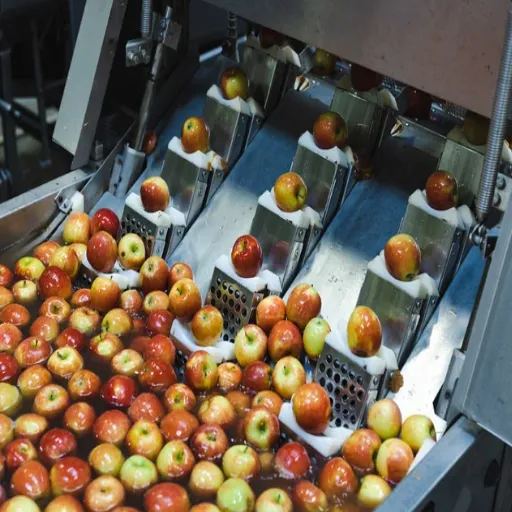
Heat Processing Techniques
Heat processing techniques are quite common among the various methods used to preserve fruits and vegetables as they considerably prolong their shelf life and, moreover, assure the safety of the food. Heat processing techniques involve taking food to very high temperatures usually in order to limit or even eliminate the activities of microorganisms, stop the actions of enzymes, and thus prevent a spoilage problem.
💡 Important Note
Search trends indicate that consumers not only want to know about these techniques but also the influence they have on the nutritional value and taste of processed foods. It becomes imperative that consumers are well informed about the trade-off between efficient processing and the natural characteristics of fruits and vegetables retention.
Preservation Methods
The latest information indicates that consumers are more and more curious about whether the methods of preservation can preserve the nutritional value as well as the taste of the food. Freezing and dehydrating are the most popular techniques that are chosen because they prevent the nutrient loss during the processing and at the same time aging of the product.
🥶 Popular Preservation Techniques
❄️
Freezing
Locks in vitamins and minerals immediately after harvesting
💧
Dehydration
Locks in nutrition by eliminating water content without additives
📦
Vacuum Sealing
Combined with freezing for greater flavor retention
Innovative Processing Methods
The development and acceptance of advanced food processing technologies has not only changed the landscape of food processing but has also played a very significant role in imparting quality to the food. These cutting-edge methods increase the life and nutritional density of foods while being an environment-friendly and cost-effective way of meeting consumer demand through processed products.
| Innovation | Technology | Advantages |
|---|---|---|
| High-Pressure Processing (HPP) | Very high water pressure application | Eliminates pathogens without affecting flavor, texture, or nutrients |
| Ultrasound-Assisted Processing | Sound wave technology | Improves extraction efficiency and shortens processing time |
| Cold Plasma Technology | Plasma-based treatment | Sustainable method reducing energy use and waste production |
| Pulsed Electric Fields (PEF) | Electric field pulses | Eco-friendly preservation offering textile-fresh storage |
Frequently Asked Questions (FAQ)
❓ In what ways can fruits and vegetables be processed?
Processing methods for fruits and vegetables can vary widely and may include canning, freezing, drying, and fermenting, among others. Each method applied benefits the produce’s shelf life and nutritional value. To illustrate, the most commonly used heat treatment method helps destroy pathogenic microorganisms and make the food less prone to spoilage. At the same time, the number of methods has increased so that processors now handle diverse fruits and vegetables while at the same time preserving their quality. It is necessary to know these methods for the ones who process fruits and vegetables and for the consumers who want to know where the best preserved products are.
❓ Does the processing of fruits and vegetables have any impact on their nutritional value?
Fruits and vegetables processing increases or decreases their nutritional content dramatically in some cases. The freezing method is one, on the other hand, that helps to keep a high level of vitamins whereas canning results in loss of nutrients due to heat treatment. Nevertheless, food preservation via processing there are steps that can prevent spoilage and prolong the shelf life of fresh fruits and vegetables. This is of utmost importance to the ultimate consumers who depend on these products all year round. Being aware of the processing and nutritional value counterbalance is a must for making right and healthy choices in one’s diet.
❓ Which spoilage issues in vegetable and fruit processing are commonly seen?
Various factors that include the existence of harmful microorganisms and poor handling during transport and storage can all lead to spoilage in the processing of vegetables and fruits. Vegetables are perishable which calls for proper temperature management and preservation to keep them from going bad. Besides, one more aspect that might spoil the product is oxidation; it can lead to a decline in quality in terms of taste and even safety. Such issues have to be dealt with by fruit and vegetable processors, who come up with different effective measures to keep their products safe for direct consumption.
❓ What is the importance of food processors in fruit and vegetable processing?
Food processors really add value to fruits and vegetables through their activities, as they change raw produce into convenient, quick-to-eat products. They apply numerous processing methods, like heat treatment and drying, to enhance food preservation and at the same time maintain quality. Furthermore, one of the responsibilities of food processors is to make sure that the established safety standards for food contact are followed and that proper transportation and storage practices are in place to reduce spoilage. The changing of fresh vegetables and fruits into processed products signifies increased resource utilization and greater accessibility to consumers which in turn leads to a more sustainable food system.
❓ What will be the future of fruit and vegetable processing regarding the economy and the environment?
Economic and environmental factors are playing a bigger role in determining the future of fruit and vegetable processing. The development of modern processing technologies is aimed at minimizing waste and at the same time the maximum nutritional value of the processed product. Also, the consumers’ sustainable practices demand are getting higher and thus they are pushing the processors to try green packaging and resource-saving methods. Along with that, the market for fresh fruits and vegetables is rising continuously and this calls for fruit and vegetable processors to keep pace with these trends, making them focus on the economic aspect as well as environmental-friendly practices to supply the future demand.
Conclusion
Fruits and vegetables processing stands as a cornerstone of the modern food industry, bridging the gap between agricultural production and consumer convenience. This vital sector not only extends the shelf life of perishable produce but also makes nutritious options accessible year-round to consumers worldwide. As we’ve explored throughout this article, the industry encompasses a diverse range of methods—from traditional techniques like canning and freezing to innovative approaches such as high-pressure processing and cold plasma technology.
The future of fruit and vegetable processing lies in the delicate balance between economic viability and environmental responsibility. With consumer interest in sustainable practices growing by over 30% in recent years, the industry is evolving to meet demands for minimal processing, organic preservation, and eco-friendly packaging. By embracing cutting-edge technologies, implementing waste-reduction strategies, and maintaining transparency in production processes, food processors can continue to deliver high-quality, nutritious products while contributing to a more sustainable food system for generations to come.
🎯 Key Takeaways
- Processing transforms fresh produce into convenient, longer-lasting forms while maintaining nutritional value
- Multiple methods exist—from traditional (canning, freezing) to innovative (HPP, ultrasound-assisted processing)
- Economic benefits include $4+ trillion global market value and extensive job creation
- Environmental sustainability is increasingly important, with 30%+ growth in consumer interest
- Future trends focus on minimal processing, waste reduction, and eco-friendly technologies
- Proper handling and storage are essential for maintaining food safety and quality
📚 Reference Sources
- University of Nebraska-Lincoln – Fruits and Vegetables Technology: Peer-reviewed teaching project portfolio providing insights into operations in fruit and vegetable processing plants
- Read more here
- University of Minnesota – Manual of Procedures for the Fruit and Vegetable Procurement Tool: Data on fruit and vegetable procurement with relevant processing insights
- Read more here
- Ohio State University – Fruit and Vegetable Processing and Food Technology: Research summary on processing tomatoes and other fruits and vegetables, including commercial practices
- Read more here

GW
Articles: 39
Trending now