Get in touch with Victorystar

Everything You Need to Know About a Filling Machine for Efficient Production Lines

Contents
show
When it comes to manufacturing and packaging operations, efficiency, and precision take precedence. One bottleneck in the line has the ability to delay the whole production, curing extra costs. A filling machine is one of the key components that fill containers with a certain amount of product. The filling machines assure that every package meets the specific volume requirements from drinks, cosmetics, medicines, and chemicals, hence simplifying procedures and increasing productivity. This is a complete guide to filling machines – describing how they work and the different types thereof, while listing important factors worth considering before paying for one. Learning about these machines is the other starting point to optimize your production process, decrease wastes, and gain advantage on your competitors.
Understanding How a Filling Machine Works
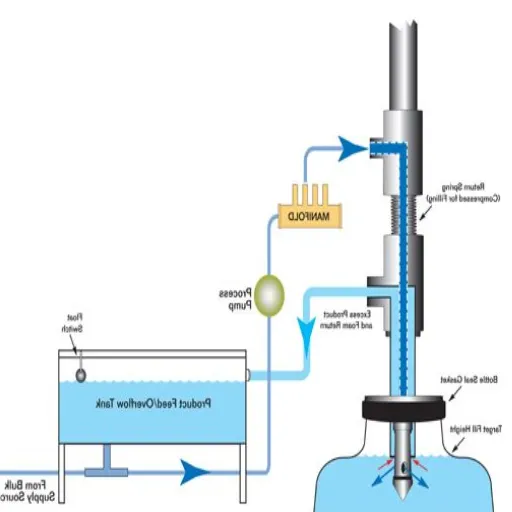
Basic Principles of Filling Machines
All filling machines operate on a few fundamental principles:
- Product Measurement: The machine must accurately measure the product to be dispensed. This can be done by volume, weight, level, or count.
- Product Transfer: The product is moved from a holding tank or hopper into the container via a system of pumps, pistons, or augers.
- Container Handling: The machine manages the flow of containers, positioning them for filling and moving them along the production line.
- Control System: A central control system, often a Programmable Logic Controller (PLC), coordinates all actions, ensuring timing and accuracy are maintained.
Components of a Liquid Filling Machine
While designs vary, most liquid filling machines share several key components that work together to ensure a smooth and accurate process.
- Hopper/Holding Tank: This is where the bulk liquid product is stored before being dispensed.
- Filling Nozzles: These are the points of delivery, dispensing the liquid into the containers. The number and design of nozzles can vary depending on the machine’s capacity and the product’s viscosity.
- Piston/Pump Mechanism: This component is the heart of the machine, responsible for drawing the product from the hopper and pushing it through the nozzles.
- Conveyor System: An automated conveyor moves containers to and from the filling station.
- Control Panel (HMI): The Human-Machine Interface allows operators to set parameters like fill volume, speed, and timing.
How a Piston Filler Operates
Piston fillers are one of the most common types of volumetric filling machines, especially for liquids and semi-liquids. Their operation is straightforward yet highly effective:
- Intake Stroke: A piston retracts within a cylinder, creating a vacuum that draws a precise volume of product from the hopper into the cylinder.
- Valve Switch: A rotary valve then changes position, closing off the path from the hopper and opening the path to the filling nozzle.
- Dispensing Stroke: The piston pushes forward, expelling the product from the cylinder, through the nozzle, and into the container.
The volume of the fill is determined by the diameter of the cylinder and the length of the piston’s stroke, both of which can be adjusted for different container sizes.
Types of Liquid Filling Machines
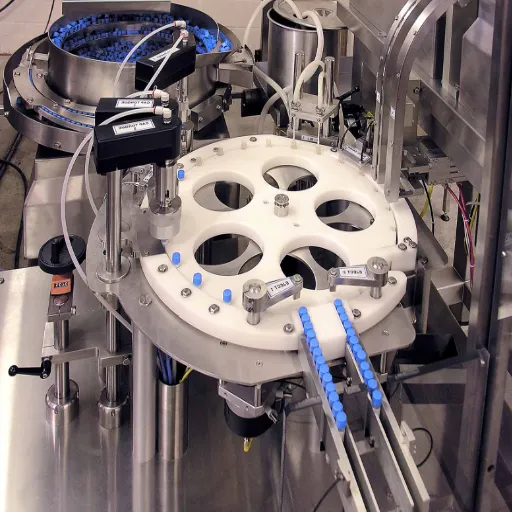
Overview of Different Filling Machines
Here is a breakdown of the most common types of filling machines used in production lines:
- Piston Fillers: Ideal for a wide range of liquid viscosities, from thin liquids like water to thick pastes like creams. They are highly accurate and versatile.
- Gravity Fillers: Best suited for thin, free-flowing liquids. They work by allowing the product to flow from a holding tank into containers via gravity until a specific level is reached.
- Pump Fillers: Use various types of pumps (e.g., lobe, gear, or progressive cavity pumps) to move the product. This makes them suitable for a broad spectrum of viscosities and products with particulates.
- Overflow Fillers: Designed to fill containers to a consistent level, regardless of minor variations in container volume. This is perfect for transparent containers where visual appeal is important. Excess product is returned to the holding tank.
- Auger Fillers: Used for powders and granules. A rotating auger (a screw-like device) dispenses a measured amount of product into the container.
- Net Weigh Fillers: Measure the product by weight rather than volume. This is the most accurate method, especially for high-value products or when product density varies.
Comparison of Piston Fillers and Other Types
Choosing between different filling systems requires careful consideration of your product and production goals.
As the table shows, piston fillers offer an excellent balance of versatility and accuracy, making them a popular choice for businesses with diverse product lines. However, for products where a consistent visual fill level is crucial, an overflow filler might be a better fit. For dry goods, an auger filler is the standard.
Choosing the Right Filling Machine for Your Needs
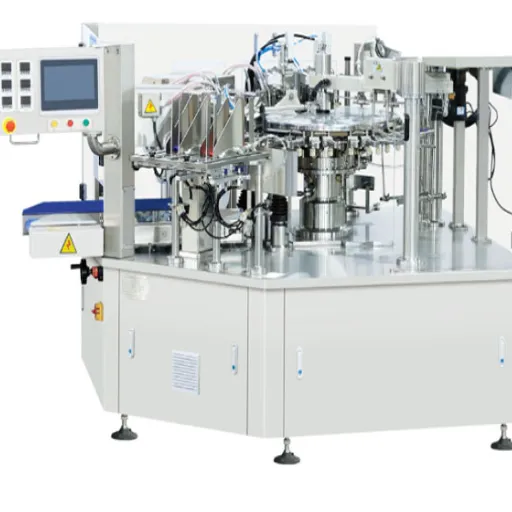
Key Considerations for Choosing the Right Filling Machine
Before making a decision, evaluate the following factors:
- Product Characteristics: What is the viscosity of your product? Does it contain particulates? Is it corrosive? Does it foam?
- Container Type: What are the size, shape, and material of your containers (e.g., glass bottles, plastic jars, flexible pouches)?
- Production Speed: What is your required output in containers per minute (CPM) or containers per hour (CPH)?
- Accuracy Requirements: How precise does the fill volume need to be? For expensive products, minimizing giveaway is crucial.
- Future Needs: Will your product line or production volume change in the future? A flexible machine can accommodate growth.
Assessing Your Production Needs
Start by establishing the present and prospective production goals. A startup may commence with a semi-automatic machine where containers must be manually placed. On the other hand, a larger setup will require a fully automatic, faster line. Consider how many shifts you operate and the possibility of expansion. It will be best to invest in a modular machine to be upgraded later with additional filling heads.
Evaluating Machine Efficiency and Reliability
Search for machines constructed with high-quality materials, stainless steel being an example for durability and easy cleaning during operation. Use consideration of less downtime such as quick-changeover parts for different container sizes. Ask a potential supplier for customer references and question about the machine’s OEE (overall equipment effectiveness). Essentially, a good machine has a high rate of availability, performance, and quality.
Cost Factors in Selecting a Filling Machine
The initial purchase price is only one part of the total cost of ownership. Consider these additional cost factors:
- Installation and Training: Does the supplier offer on-site setup and training for your operators?
- Maintenance and Spare Parts: What is the cost and availability of spare parts? What are the recommended maintenance schedules?
- Changeover Time: How long does it take to switch the machine from one product or container to another? Long changeover times mean lost production.
- Utility Consumption: How much electricity and compressed air does the machine require?
Liquid Packaging Solutions
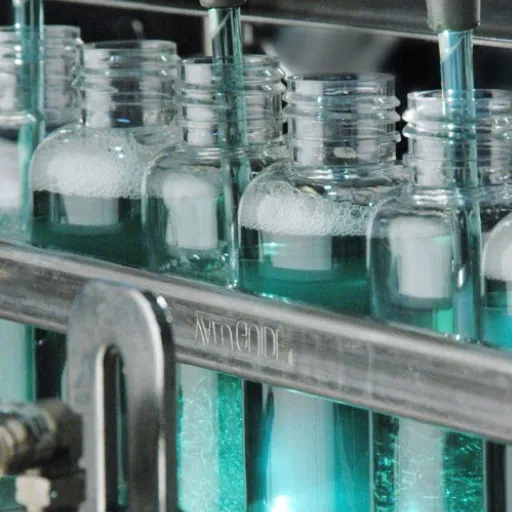
Importance of Liquid Packaging in Production Lines
Effective liquid packaging does more than just contain the product. It protects it from contamination, extends its shelf life, provides crucial information to the consumer, and enhances brand appeal on the shelf. A well-designed packaging line ensures that these goals are met consistently and cost-effectively.
Innovative Liquid Packaging Techniques
The packaging industry is constantly evolving. Some recent innovations include:
- Flexible Packaging: Pouches and bags are lightweight, reduce material usage, and offer convenience for consumers.
- Aseptic Filling: This process sterilizes the product and the container separately, allowing for shelf-stable products without preservatives.
- Smart Packaging: QR codes or NFC tags can provide consumers with additional information, from recipes to traceability data.
Best Practices for Using Filling Machines in Packaging
To get the most out of your filling machine, follow these best practices:
- Proper Calibration: Regularly calibrate the machine to ensure fill accuracy and prevent product giveaway.
- Sanitation: Follow a strict cleaning and sanitation protocol, especially in the food, beverage, and pharmaceutical industries.
- Operator Training: Ensure operators are thoroughly trained on machine operation, safety procedures, and basic troubleshooting.
Implementing a Filling Line in Your Production Process

Steps to Set Up a Filling Line
A typical filling line setup involves several stages:
- Container Cleaning: An air rinser or bottle washer removes dust and debris from containers before filling.
- Filling: The filling machine dispenses the product.
- Capping/Sealing: A capping machine applies and tightens closures.
- Labeling: A labeling machine applies brand and product information labels.
- Coding: An inkjet or laser coder prints lot numbers and expiration dates.
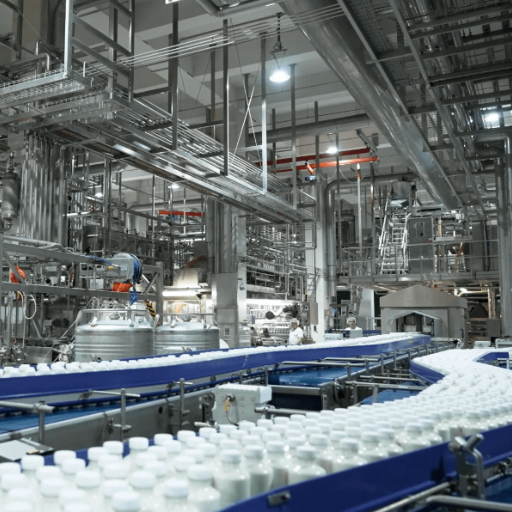
- End-of-Line Packaging: This includes case packing and palletizing for shipment.
Integrating Different Filling Systems
If your facility handles a variety of products, you might need to integrate different filling systems. For example, a line could be designed to accommodate both a piston filler for viscous products and an overflow filler for thin liquids. This requires a modular design and flexible conveyor systems that can be easily reconfigured.
Maintenance Tips for Long-Lasting Performance
Regular maintenance is key to maximizing the lifespan and reliability of your filling machine.
- Daily Checks: Inspect for loose parts, leaks, and wear on seals and gaskets.
- Lubrication: Follow the manufacturer’s lubrication schedule for all moving parts.
- Keep a Parts Inventory: Stock critical spare parts to minimize downtime in case of a failure.
- Schedule Preventative Maintenance: Work with your supplier to create a preventative maintenance plan based on usage.
Reference Sources
How Does A Filling Machine Work? All You Need To Know – Explains how filling machines efficiently deposit precise amounts of liquid based on time, weight, or volume.
What Is Filling Machine? Everything You Need To Know – Provides an overview of filling machines and their role in automating the dispensing process.
Types of Filling Machines: The Most Comprehensive Explanation – Offers a detailed guide to various types of filling machines and their applications.
How Does a Filling Machine Work – Describes the operational steps of filling machines to ensure accurate container filling.
Types of Filling Machines | Guide – Discusses how automated filling machines enhance efficiency and accuracy in production lines.
Frequently Asked Questions (FAQs)
What is a filling machine and how does a filling machine work?
The filling machine is an essential piece of equipment used across different industries for filling containers with liquids, powders, or gels. It could dispense a certain amount of product into packaging under different systems ranging from volumetric, gravity, and piston filling. Depending on the kind of filling machine it is, it can be automated or semi-automated, thus speeding up the production line and providing much higher efficiency. A thorough knowledge of the filling process and the filling heads available is what will enable you to select a machine that best suits your production needs.
What are the different types of liquid filling machines available?
There are many liquid filling machine types – gravity fillers, pump fillers, and piston filling machines. Each type, according to its design, fills liquids with viscosity ranging from water-like to high viscosity. To name a few, they are utilized for the food and beverage, chemical, and pharmaceutical industries. Though choosing the appropriate filling machine for your product may very well be more imperative than the secondary considerations, you should look at the viscosity of the liquid you want to fill and the quantity needing production. This way, you are assured of getting the machine that will address your exact production requirements.
How do I choose the right filling machine for my production line?
There are several key factors to consider when selecting the right filling machine for your production line. The first thing to consider is the type of product you want to fill: liquid, powder, or gel, and the viscosity of that product. The second consideration is production volume and speed. Choose the machine that can fulfill your demands effectively. Thirdly, you can opt for an automatic or semi-automatic setup if you weigh the price and workforce involved. Simultaneously, consider the various filling systems and actual technologies so that you get to pick the machine that will fill your needs.
What are the benefits of using automatic filling machines over manual filling?
Automatic filling machines go beyond simple operations and claim greater accuracy, enhancing efficiency over manual filling methods. The machines are configured to complete the entire filling sequence with a speed greater than an acceptable human rate, making production faster and reducing labor cost. Filling machines also incorporate checking systems to ensure that all products are filled accurately-they are not overfilled, nor underfilled. Automatic machines, by nature, will handle large-volume production, while many implementations are user-tailored to fulfill individual operational requirements. Hence, they fit perfectly in those commercial concerns where operation scaling is under consideration.
What factors should I consider when selecting a type of filling machine?
When choosing a filling machine, one should consider factors such as the nature of the product, i.e. liquid, powder, or gel; the viscosity of the product; and the container size. The production volume and speed requirements of production will decide on whether semi-automatic or fully automatic are chosen. One should also consider maintenance of the machine and servicing, or availability of spare parts for the filling machinery. The knowledge of these considerations will aid in choosing a filling machine that suits your production goals and operational capabilities.
How do piston filling machines differ from other types of filling machines?
The piston filling machines handle high viscosities with absolute filling-level precision. In contrast to gravity or pump fillers that dispense their contents employing gravity or pressure, piston fillers use a piston to draw in and accurately dispense a given volume of liquid. Products requiring exact measurement are ideally suited to them: gels and food products. Also, piston filling machines can be tailored to the level of production required-manual, semi-automatic, or fully automatic, thus fitting right into any manufacturing environment.

DU
Articles: 45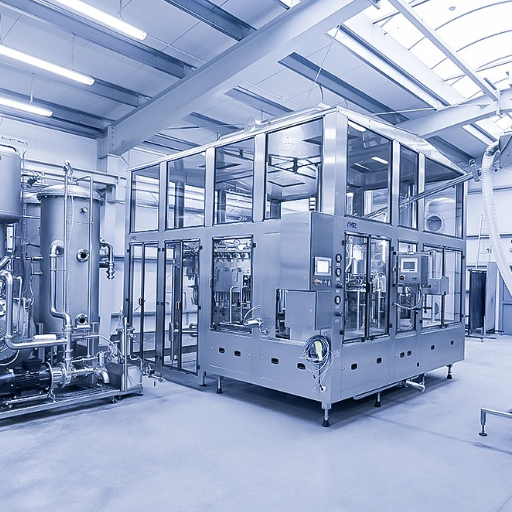
Trending now