Get in touch with Victorystar

Exploring the Process: How Is Bottled Water Manufactured

Contents
show
Clean, pure, and readily available, bottled water is an essential commodity for millions around the world. But have you ever thought about what goes into making this seemingly elementary item? The conflicting areas of the journey of a bottle are a complicated process expedited on an immaculate level to guarantee safety, quality, and taste. From finding impeccable water to advanced filtration techniques and eco-friendly packaging innovations, the bottled water supply is an enthralling blend of science and art. This article discusses every phase involved in the production of bottled water and presents some brilliant technological wonders that make it possible. Whether you want to learn about where your water comes from or how sustainability fits in this industry, look no further than this complete guide.
Understanding Bottled Water
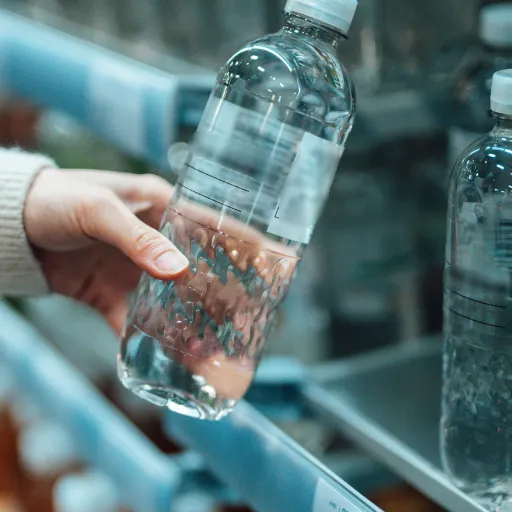
What is Bottled Water?
When one thinks of bottled water consumption, the sustainability aspect cannot be brushed off. While some companies may now opt for recyclable or biodegradable packaging, the sheer magnitude of single-use plastic waste is already choking the environment. I personally feel that we need to be pushing for more sustainable practices within this industry-e.g., the use of reusable water bottles or accounting for recycling shortcomings. That will all simply strengthen the case for alternate infrastructure that can provide folks around the world with clean tap water as opposed to having to take bottled water where there are safe alternatives. On a personal note, I envisage a world that balances the demand for bottled water with other innovations that shall be minimizing the ecological footprint so that placing accessibility infront canlatedg with environmental stewardship.”
Types of Bottled Water
Spring Water
Spring water is essentially water taken from underground formations through which water flows to the surface naturally. Collection is done from the spring, or a borehole penetrating the underground source is used to extract the water in these places. This water will commonly have its natural mineral content and thus tastes refreshing and crisp.
Mineral Water
Mineral water contains naturally occurring minerals and trace elements acquired during its time underground. To qualify as mineral water, it must maintain its mineral content without undergoing significant alterations other than filtration to remove impurities.
Purified Water
Purified water undergoes extensive treatment processes such as distillation, deionization, reverse osmosis, or other purification techniques. This process eliminates contaminants, resulting in high-purity water suitable for various applications, including drinking and medical uses.
Distilled Water
Distilled water is a form of purified water that undergoes boiling and condensation to remove impurities, minerals, and other contaminants. This method ensures absolute purity, making it ideal for industrial, laboratory, or specific health-related purposes.
Artesian Water
Artesian water comes from a confined aquifer under pressure, forcing the water to rise without mechanical aid. It is often prized for its natural origin and purity, as it is typically free of external contamination.
Flavored and Enhanced Water
Flavored and enhanced bottled water products include added elements such as vitamins, electrolytes, or natural flavoring. These are designed to cater to specific tastes or functional benefits, attracting consumers seeking variety in hydration.
The global bottled water industry now offers an extensive selection of options tailored to meet different tastes, preferences, and needs, reflecting the growing emphasis on health, wellness, and convenience.
Bottled Water Products Available in the Market
The bottled water market features a diverse range of products catering to consumer preferences and lifestyles. These include:
- Natural Spring Water:
Extracted directly from natural springs, this water is typically rich in minerals and prized for its purity and taste. It undergoes minimal processing to preserve its natural characteristics. - Mineral Water:
This type contains naturally occurring minerals collected from underground reservoirs. The balance of minerals offers potential health benefits, such as improved digestion and bone health. - Purified Water:
Processed to remove impurities through methods such as reverse osmosis or distillation, purified water ensures a clean and consistent taste. It is a popular option for those seeking premium quality. - Flavored Water:
Infused with natural or artificial flavors, this option provides hydration with added taste, appealing to those who find plain water less appealing. Some versions include zero-calorie sweeteners for health-conscious consumers. - Alkaline Water:
Enhanced with higher pH levels compared to regular drinking water, alkaline water has gained popularity for its potential benefits, such as neutralizing acidity in the body and promoting better hydration. - Electrolyte Water:
Designed to support hydration and replenish lost electrolytes, this variety is often marketed to athletes or those with active lifestyles. It aids in recovery after physical activity or dehydration. - Sparkling Water:
Carbonated for a bubbly drinking experience, sparkling water serves as a refreshing alternative to sugary sodas. It comes plain or flavored to suit different palates. - Enhanced Functional Water:
These options include added vitamins, antioxidants, or probiotics to target specific health goals, such as boosting immunity or improving gut health.
The breadth of choices in bottled water highlights the industry’s innovation and its commitment to addressing diverse consumer needs, blending convenience with health-focused solutions.
The Water Source for Bottled Water Production
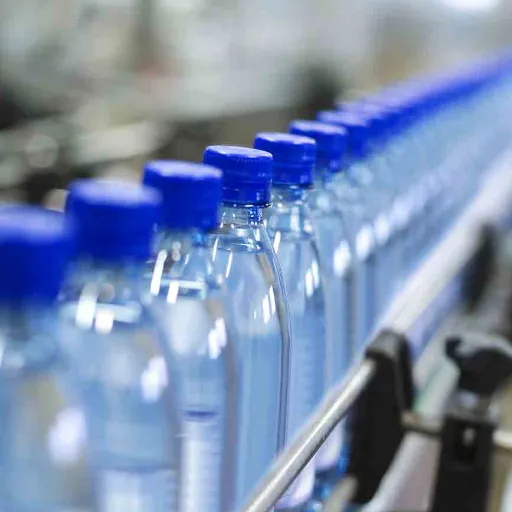
Identifying Reliable Water Sources
In most scenarios, high-quality bottled water starts out from careful selection of a reliable water source and a sustainable procedure. In the mountains and hills, water is gathered from natural springs. Another water type is sourced from artesian wells that pierce through an aquifer; underground water, held in restrictive aquifers beneath an impermeable layer of rock or clay, is considered naturally occurring artesian water. The county usually treats some waters. Except for those that rarefied from their chemical properties by treatment from a municipal source, usually the waters retain some usually stricken trace elements depending upon the particular geology of a local area. Since spring and artesian water are drawn from protected underground aquifers, they are highly sought after because they are endowed with naturally occurring minerals and remain purely natural. The water sources must be subject to rigorous testing and monitoring to assure the purity and safety of the waters so used in production. Therefore, with proper sourcing methods and continued conservation efforts, these water bodies will remain available to future generations.
Public Water vs. Spring Water
On the subject of water, it is important to understand the differences between public water and spring water in order to make choices with respect to consumption. Public water, or tap water in the common tongue, is water supplied from sources such as rivers, lakes, or reservoirs and is treated so as to conform to the safety and quality standards laid down by regulatory agencies. The treatment often consists of filtration methods, chemical disinfectants, and fluoridation processes to lessen contaminants and avoid tooth decay. However, occasional aged infrastructure and localized water contamination can pose the quality of this water as a matter of concern in areas in question.
On the contrary, spring water comes from underground aquifers and flows naturally onto the earth’s surface. Contrasting with public water, spring water is often bottled close to the source and minimally processed at times to maintain the natural mineral content within it. This endows it with a different taste much appealing to consumers who look for a more “natural” choice. However, in the eyes of law, awareness, and quality expectations are set by testing and certifying spring water.
The preference between public water and spring water can come down to one’s own suitability, pricing, and location. Public water is cheaper and is used locally, whereas spring water claims to be unique by specific origin and composition. Hence, when correctly handled and restricted, both will see the traveler safely to his hydration.
The Role of Water Quality in Production
Water plays a crucial part across industries, such as food and beverage, pharma, and manufacturing. To make any product truly in confirol and mass effect, the water that they take for granted needs to be of high grade; any impurity can affect how a product can be manufactured and produced or compromised. Take for instance the food and beverage industry: water is one of the primary ingredients that needs to be assessed for critical quality parameters to prevent from contamination and alteration of flavor influences. The ultrapure water used in pharmaceutical companies holds superior requirements in its regulatory aspects to maintain medication efficacy. Water treatment technologies like reverse osmosis and UV disinfection allow industrial processes to maintain water purity on a scalable magnitude that improves productivity and conforms to safety standards. There is then an emphasis on monitoring and controlling water quality from the process to end to ensure reliable, high-quality product output.
The Bottled Water Manufacturing Process
Step 1: Extraction of Water
The extraction of water is the very first step of bottled water manufacturing and must be performed with careful planning and under stringent quality standards. The water source may be considered natural spring, artesian well, or municipal supply. It is essential to verify their quality and sustainability before extracting any water from them. Intelligent systems of control and management in addition to geological surveys safeguard the environment while preserving the water source for future use. The water source is then exploited with modern pumping methods that alone provide energy-efficient extraction and maintain the resource’s pristine condition. This is the critical step enabling that by the time the water goes into the subsequent processes, it is safe and quality water in the absolute sense.
Step 2: Water Purification Techniques
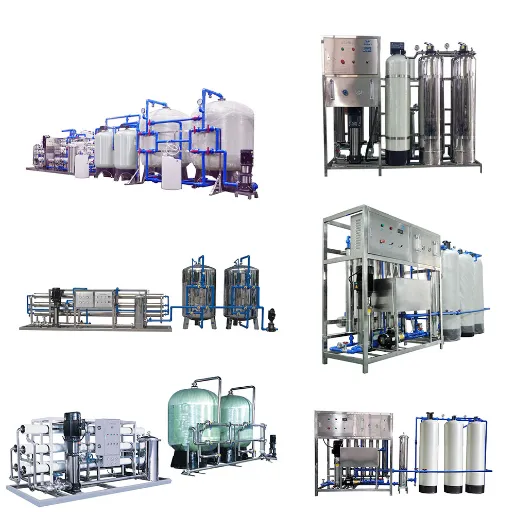
Water treatment involves the myriad processes of purifying water so that it may meet the highest standards for potable use and industrial purposes. Filtration is the basic method wherein the water is passed through sand, gravel, or special membranes to carry away suspended matter. Reverse osmosis being the most effective among these techniques by forcing water through semi-permeable membranes to remove dissolved salts and impurities. UV treatment is presently gaining popularity, where UV rays are utilized to destroy hazardous pathogens so that the water is free from chemical additions.
Chemical treatment of water through chlorination and ozonation treatment is for the purpose of disinfection where bacteria, viruses, and other microorganisms are removed. Adsorption through activated carbon filters is an alternative process taken up for organic compounds and for the improvement of taste and odor in water. Typically combined, these purification processes ensure that the final product attains the highest level of safety so as to protect the health of the community and promote environmental sustainability.
Step 3: Bottling and Packaging Procedures
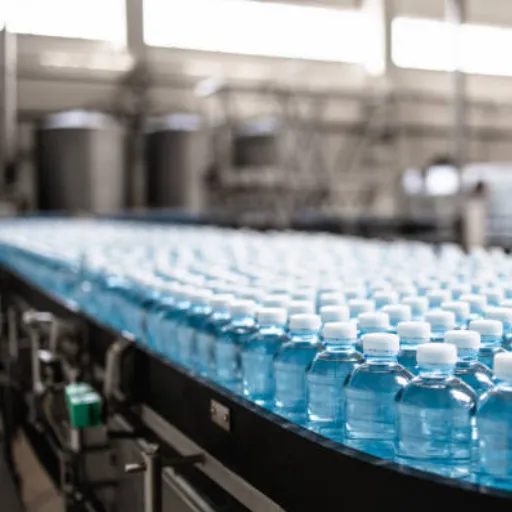
The entire process of bottling and packaging water follows stringent judgments in order to maintain cleanliness, safety, and efficiency. Water, being purified through stringent quality checks, prior to bottling phase, enters therein. Automated systems rule the process with sterilized bottles filled through machinery that promotes hygiene by limiting human contact. After filling, bottles are tightly capped to avoid contamination of the product.
The packaging part comes immediately afterward. Most packaging materials resemble recyclable plastic and glass to align with the current environmental sustainability theme. Labels carry vital information, such as the source, purity certifications, and expiry dates. Modern plants also have traceability systems that track the batches throughout their life cycle. This allows for a very smooth procedure that ensures standard production is maintained, guaranteeing safe delivery of bottled water to the consumer without compromising on freshness and quality.
Bottled Water Regulations and Standards
Understanding Bottled Water Regulations
Bottled water legislation is intended to ensure consumer safety, quality, and transparency concerning the products available. These regulations are placed at the national level but are commonly under the realm of government agencies or standards organizations. For instance, in the United States, the Food and Drug Administration (FDA) has been laying down stricter standards for bottled water, which conform to the EPA regulations for tap water. Most of these standards concern allowances for contaminants, labeling, and working practices of the manufacturers of bottled water.
In various nations, the World Health Organization (WHO) has been given guidance on water quality standards, especially for those developing a regulatory framework. At the same time, independent certification bodies are engaged in verifying the implementation of the international quality systems so consumers can be assured of the safety of the products. When all these are well followed, it means that bottled water producers carry out adequate testing, proper labeling, and environmentally sustainable practices-already a guarantee of trust and protection of public arm.
Quality Control Measures in Bottled Water Plants
Quality control measures in bottled water bottling plants must be applied to ensure that water in question meets safety norms, purity standards, and taste criteria stipulated by both national and international bodies. These plants employ several types of filtration mechanisms like reverse osmosis and UV treatment for killing contaminants such as bacteria, viruses, and chemical impurities. Contamination may be ascertained through microbial tests done regularly, while chemical analysis allows for minerals and pH levels to be checked for conformity with industry standards.
Furthermore, bottling machinery is generously washed to avoid possible cross-contamination in the packaging interface. Automated systems and sensors monitor critical parameters, such as pressure, temperature, and filling accuracy, keeping product quality consistent. Visual inspection and rigorous batch sampling help to identify an anomaly before distribution. Together with committed reinforcement of quality protocols, modern technologies work towards providing consumers with safe and reliable bottled water worldwide. These processes in coalition form the basis for ensuring public confidence and health.
Environmental Considerations and Sustainability
The bottled water industry perhaps became a heavy environmental problem over the recent years. Manufacturing plastic bottles uses a considerable amount of fossil fuels, implying greenhouse gas emissions. Improperly disposed plastic bottles cause pollution as many millions of tons of plastic waste land in landfills if not in the ocean every year. To put all of these matters into check, there has been an adoption of sustainable practices by some companies in the bottled water industry: some of them use recycled materials while others reduce packaging weight or work on making biodegradable options.
Another important focus is water stewardship, which is basically ensuring that water sourcing takes into account local ecosystems and water supplies, and that any threat it may pose represents little, if any, strain upon them. Innovations also include energy-efficient production processes and integration of renewable energy, all implementing the carbon footprint reduction strategy into the industry. Consumers also have a role to play by purchasing bottles from companies with a sustainability consciousness, and recycling their bottles properly wherever the recycling facilities are available. Together with sustainable innovation, these programs should balance the consumer demand with the healthier way of environmentally friendly bottled-water production and consumption.
The Future of Bottled Water Production
Innovations in Water Purification
My longtime interest in technological advancements in water treatment has kept my spirit hopeful whenever I see the Haling Revolution in that regard. Some of the most major developments have been in greater membrane filtration systems, notably reverse osmosis and nanoparticle systems. These systems were improved for efficiency and sustainability to the extent that they can now remove even minute contaminants-they can now remove microplastics, bacteria, and harmful chemicals. What fills me with excitement is that the technology allows for very fine-scale purification while still saving energy and water wastage. Graphene-based membranes, for example, are promising developments capable of applying purification processes at higher speed and lower cost, which will see more countries come on board.
Another interesting development is in UV-LED disinfection. In earlier times, one depended on a conventional UV lamp. Nowadays, UV-LED technology is being incorporated into the purification systems for the rapid inactivation of pathogens without side-effects. With energy efficiency and little canopy, portable water purifiers are the perfect application of this technology. I think such innovations can go a long way in solving problems of clean water scarcity in remote or underserved regions because they put a handful of strong purification technology into the hands of even a few people.
I have been thrilled especially by techniques that are aimed at sustainability, such as solar-powered purification techniques and bio-inspired water treatment methods. They appear to be most exciting when solar desalination and biofiltration take advantage of natural resources and processes to disinfect water with little demand for outside energy. These solutions represent the meeting of ingenuity and environmental concerns, serving as a symbol for an era in which clean water generation will meld more closely with sustainability issues. Hence promoting such creative strategies makes me hopeful about fulfilling the growing demand for clean water in an accountable and forward-looking manner.
Trends in Bottled Water Consumption
The past decades have seen a steady rise in bottled water consumption, with the global demand increasing every single year. People nowadays are turning to bottled water for convenience, for its supposed good health attributes, and for the promise of cleanliness. Many people also regard it as a safer alternative in those places where clear-cut potable-tap water is scarce or unreliable. From my vantage point, this rise in the popularity of bottled water is simultaneously an opportunity and a challenge. While it serves some people who may need a convenient way to drink water that is safe, the harm to the environment that can be caused by the manufacturing and disposal of these plastic bottles can be considered an unintended consequence.
Reference Sources
- The Bottled Water Purification Process – Explains key purification methods like deionization, distillation, and reverse osmosis.
- How Bottled Water Works – Details the use of UV light and other chemical-free methods in bottled water production.
- Bottled Water Production Processes – Covers the entire process, including water sourcing, treatment, bottle preparation, and filling.
- Processing and Bottling of Bottled Drinking Water – Provides an in-depth look at purification methods and regulatory standards for bottled water.
- The Bottled Water Purification Process – Focuses on the three primary purification processes used in bottled water manufacturing.
Frequently Asked Questions (FAQs)
What is the bottled water production process?
The first step in bottled water production is obtaining the water. This can be from sources such as mothertaps or municipal water supplies. After collection, the water must be treated with treatment processes that may include filtration, disinfection, ozonation, or ultraviolet treatment. Once the water is declared safe for consumption, the partially FDA-regulated bottling process from the U. S. Food and Drug Administration (FDA) ensures its safety and quality. Once bottled and labeled accordingly, this water will be packaged into boxes for distribution to retailers or distributors.
What types of bottled water are available?
The different kinds of bottled water offered in the market include purified water, mineral water, sparkling water, and artesian water. Purified water is treated, sometimes undergoing extensive processes to remove contaminants, whereas mineral water retains its naturally occurring minerals. Sparkling or carbonated water comprises carbon dioxide under pressure in order to give the characteristic fizz. These water types vary accordingly and some of their names are dictated by the water source, which may be well water or natural spring water. These provide choices for consumers in accordance with their taste preference, health benefits, or environmental concerns.
What are bottled water regulations?
These regulations are set in place to safeguard the safety and quality of bottled water. When the company bottles the water, the FDA treats bottled water as a food product and sets quality standards that must be met. Thus, these regulations address water source testing, contamination monitoring, and procedures for maintaining sanitary conditions in various bottling plants. Meanwhile, the International Bottled Water Association carries a good manufacturing practices agenda and can certify that companies have complied with these safety standards. Violation of these regulations could lead to the erosion of public trust in bottled water.
What is the role of the Environmental Protection Agency (EPA) in bottled water?
In terms of public water supply regulation and drinking water safety, a big role is played by the EPA. The EPA does not directly regulate bottled water; however, it does establish standards for tap water that could affect bottled water quality. The EPA also monitors public water systems for contaminants and issues guidelines that may be referred to by bottled water concerns when so-so their water. The broad gist is that the EPA’s involvement in water quality keeps a baseline for bottled water safety, which would in turn affect bottled water rules.
How do bottled water companies ensure water quality?
The highest safety standards are maintained by bottled water companies through a process of water testing and evaluation; any perceived impurities are eliminated through treatment processes and regulations are enforced according to existing laws. They undergo tests at regular intervals to check for the presence of impurities like total dissolved solids and microbial pathogens on water samples, thus ensuring the water is fit for human consumption. The treatment process includes filtration, disinfection, and ozonation to remove any contaminants; after which, the water is bottled. Several companies are in the process of obtaining a bottled water NSF certification to guarantee claims of water quality. Therefore, following these practices, bottling companies make their products available to consumers with the assurance of quality.
Are bottled water products better than tap water?
The answer to the question of whether bottled water is better than tap water depends on many variables, including source, treatment, and quality. People may choose bottled water for reasons such as kabuliyar puraity and convenience, whereas many other argue that they can drink tap water that is sometimes regulated by the EPA and may be just as safe. Bottled water may have lesser chances of contamination, particularly if the source is a protected underground source. While by all means, at one point, people may have assumed all bottled water to be of good quality, it must really be taken into consideration that quality among brands and types can differ. Personal preference and local water quality are relevant factors to look at when deciding between tap water or bottled water.

DU
Articles: 45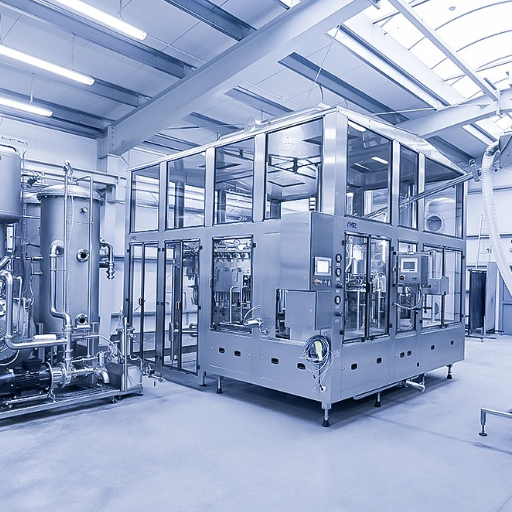
Trending now