Get in touch with Victorystar

Exploring The Ultimate Guide to Coconut Water Processing Line

Contents
show
The demand for efficient and innovative processing systems has grown because coconut water has become an ever more popular natural beverage with healing powers. Since the industry is growing, manufacturers and producers are ever more keen on advanced methods and state-of-the-art technology to produce high-grade coconut water with safety and sustainability as norms on a global scale. This handbook sheds light into the processes, machinery, and current trends that govern the modern-day coconut water processing line. From extraction and filtration to packaging and preservation, consultants will gain valuable insight helping them hone their own process or enter the competitive market for coconut water. So get ready to get technical and embrace the latest concepts that drive this ever-energized industry.
Introduction to Coconut and Coconut Water
What is Coconut Water?
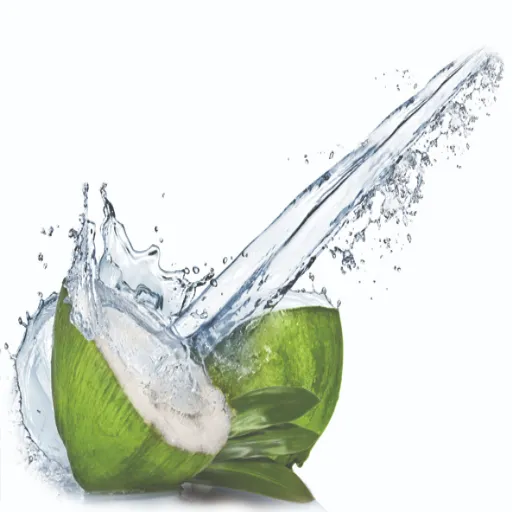
It is clear, nutrient-rich liquid that circulates inside young, green coconuts. This is an electrolyte-rich drink occurring naturally, composed mainly of water and carbohydrates in the form of natural sugars with minimal traces of vitamins and minerals like potassium, magnesium, calcium, and phosphorus. Due to its isotonic nature, it allows high hydration that almost resembles electrolyte concentrations present in human plasma. Owing to its low-calorie content and its fat-free nature, coconut water was the talk of the health and wellness industry. Furthermore, coconut water was thought to offer some functional health benefits, ranging from rehydration to providing antioxidants. Processing technologies aimed at extending the shelf-life of the beverage while conserving its nutritious profile have developed, making coconut water one of the natural beverage options against artificial sports drinks and sugary drinks.
Health Benefits of Coconut Water
Nutritional Composition and Electrolyte Balance
Coconut water is renowned for its distinct nutritional makeup that promotes ideal hydration and electrolyte balance. Thus, having minerals like potassium, magnesium, calcium, and sodium, coconut water loses electrolytes during exercise and dehydration. The potassium content with coconut water is noteworthy, whereas one cup, being some 600 mg, contains way more than those found in most sports drinks traditionally marketed, hence functioning as a good entity for healthy muscle function and cardiovascular health. Plus, the low sugar content and absence of artificial additives make for more solid backing for this drink as a natural way to hydrate healthily.
Antioxidant Properties and Cellular Protection
Furthermore, another major benefit of coconut water is its rich chemical composition encompassed of bioactive compounds having antioxidant properties. They contain, among others, such scavenging agents as vitamins C and B, which help neutralize free radicals in the body that cause oxidative stress and activation of cellular death. Preliminary research suggests enhanced antioxidant capability through consuming coconut water, facilitating better health of cells and inhibition of oxidative stress-induced chronic illnesses, cardiovascular and metabolic in particular.
Support for Digestion and Metabolism
This might also influence digestion and metabolism. With inherent bioavailability of enzymes, coconut water holds catalase and peroxidase enzymes that smoothen digestion and nutrient absorption. Beyond this, the natural sugars are moderate and maintain glucose generation over time, leading to enhanced metabolic control as opposed to those sugar drinks that give you a quick-high and then a crash. Thus, it is an option for people who are concerned about blood sugar or wish to sustain digestive health.
Validated by clinical investigations and evolving nutritional science, these health benefits place coconut water among the foremost natural options for health. Multidimensional properties attract the general population and active people looking for hydration and wellness options with scientific backing.
Different Varieties of Coconuts
Coconuts, coming from the palm species of Cocos nucifera, are actually regional varieties-and differ depending on the region, cultivation practice, and genetic makeup of the species. Broadly speaking, coconuts are classified as tall and dwarf varieties. These tall varieties, including West Coast Tall and East Coast Tall found in tropical regions, are grown largely as commercial crops. In other words, they produce bigger nuts with much copra (dried coconut meat) to ensure copra for oil extraction or any industrial purpose.
The dwarf varieties such as the Malayan Dwarf are preferentially cultured under controlled agriculture environments because they are short, fast producers, and are resistant to certain common pests and diseases. This type of coconut is grown for sale as the best quality fresh water and tender meat. Another distinct set consists of hybrids of cultivars such as the King coconut grown mainly in places like Sri Lanka for their naturally sweet water and nutritive qualities. Each variety has its purposes and is characterized by traits best suited for commercial, culinary, or health-oriented applications.
Coconut Processing Overview

Understanding Coconut Processing
The coconut processing encompasses an intricately coordinated series of steps intending to ensure every component of the fruit is put to maximum use. The operations start with dehusking, where the fibrous husk is separated from the hardwood shell by manual or mechanical means; in such instances, the husk serves as raw material in the various industries for making coir-a natural fiber used extensively in rope-making, mat-making, and brush-making.
After dehusking, shelling is performed to free the meat, the main product used in the food, cosmetic, and health industries. The meat might undergo further processing depending on the final product that is being targeted. For example, it may be dried to produce copra, which is used to obtain coconut oil either by expeller pressing or solvent extraction. On the other hand, fresh meat is converted into desiccated coconut or coconut milk by grinding and pressing, both of which have great requirements for hygienic and quality control.
Simultaneously, the coconut water, often overlooked, is collected and either packaged as a refreshing beverage or processed further into value-added products like coconut vinegar, nata de coco, or powdered coconut water.
Modern era processing picturesque technology gave so much weight toward product and waste avoidance: an exemplary case is an increase in activated carbon production from coconut shell, whereas shell and husk dust are bioenergy produced. These new techniques offer a chance for improving the working efficiency and orientation toward sustainable goals to make coconut both economically and environmentally viable.
The Role of Coconut Processing Plants
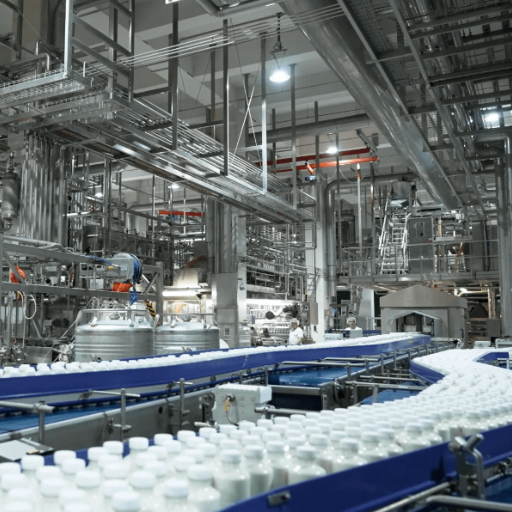
Processing plants are the backbone of the coconut industry, for converting raw coconuts into various value-added products. These processing plants have specific machines for various processing methods, such as dehusking, grinding, drying, and extraction. Coconut virgin oil maintains its nutrition by cold pressing of fresh coconut meat, while copra-based oil extraction requires drying of coconut kernels under controlled conditions for better yield.
In these modern plants are being built with automated filtration systems, enzymatic extraction methods, and low-energy drying equipment to provide for better quality of product at lower energy consumption rate. Waste management is another area where innovative approaches are being tested as the plants adopt procedures for conversion of by-products like coconut shell, fiber, and husk for use in other industries. They can be converted to biochar, coir pith, or even biodegradable packaging materials.
In these modern plants are being built with automated filtration systems, enzymatic extraction methods, and low-energy drying equipment to provide for better quality of product at lower energy consumption rate. Waste management is another area where innovative approaches are being tested as the plants adopt procedures for conversion of by-products like coconut shell, fiber, and husk for use in other industries. They can be converted to biochar, coir pith, or even biodegradable packaging materials.
Key Stages in Coconut Processing
Coconut processing involves a series of sequential, highly specialized stages aimed at maximizing yield, quality, and diversity of the derived products. Below are the key stages in the process:
- Harvesting and Selection
The process begins with the careful harvesting of mature coconuts from plantations. Post-harvest, the coconuts are sorted based on quality parameters such as size, weight, and absence of visible damage to ensure only premium inputs are utilized. - De-husking and Shell Removal
Mechanical or manual de-husking methods are employed to remove the fibrous outer husk. Following this, the hard shell is separated to expose the coconut meat, also known as endosperm, ensuring minimal wastage during this stage. - Meat Extraction and Splitting
The extracted coconut meat undergoes a cleaning and splitting process. Precision cutting equipment is often utilized to streamline operations and produce uniform pieces for subsequent processing stages. - Drying and Copra Production
The coconut meat can be subjected to drying mechanisms, including sun drying or hot air drying techniques, to produce copra. This stage critically determines the moisture content, which directly affects the quality of products derived in further processing. - Oil Extraction
Advanced mechanical expellers or cold-press extraction methods are employed to derive coconut oil from dried copra or fresh wet coconut meat. Cold-pressing is particularly favored for producing virgin coconut oil, preserving its bioactive compounds efficiently. - Production of By-products
Post-oil extraction, the residue, known as coconut cake, is processed and repurposed into animal feed or fertilizer. Other by-products include coconut water, husk fiber, and shell charcoal, which serve a range of industrial applications. - Packaging and Quality Assurance
The final stage focuses on hygienically packaging products such as coconut oil, desiccated coconut, and coconut flour, ensuring they are sealed and preserved effectively for distribution. Advanced quality assurance systems integrate automated inspections and real-time data monitoring to meet regulatory compliance and international standards.
The coconut processing industry is bestowed with a modern cloud of automation with precision moisture control systems and eco-acceptable ways of waste disposal, which further brings higher-efficiency levels but also drags the better usage of the environment; thus, in agri-business, it is one very important sector in innovation.
Coconut Water Processing Techniques
Methods of Coconut Water Extraction
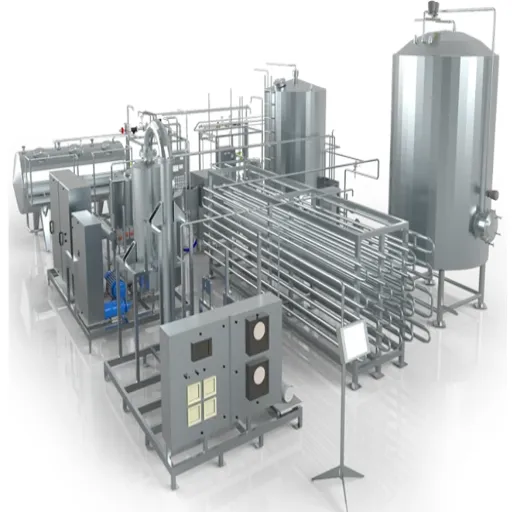
The extraction of coconut water involves multiple techniques oriented toward maintaining the quality of the product and preserving the nutritional values while also increasing the efficiencies of yields. Various techniques are employed to extract and collect coconut water: manual extraction, pressing with a machine, centrifugal separation. Manual extraction processes, for instance, hand-drilling or cutting, are typical of small-scale operations. Conversely, pressing with machinery adopts tools of either hydraulic or screw press nature for a larger-scale, more efficient extraction of coconut water.
Centrifugal separation is a more advanced industrial procedure whereby high-speed centrifuges separate the coconut water from the solid parts of the coconut. Having superiority in minimizing product contamination and ensuring product quality consistency is its major advantage. Other recent developments in the process include the use of ultrasonic-assisted extraction and membrane filtration technologies to maximize yield and reduce processing time.These modern approaches underline the ongoing shift toward automation and precision in coconut water extraction to meet both market demand and stringent safety standards.
Importance of Quality Control in Processing
With a dangerously corrupt text, quality control in processing ensures product safety, uniformity, and regulatory conformity. Quality control conscienciously reduces the chances of contamination, protects the interests of processes in furtherance of safety and quality, and serves consumers with the germ of expectation for high-grade and safe products. Other methods for the systematic monitoring of the process include hazard analysis and critical control points (HACCP) and total quality management (TQM), identifying hazards and implementing correction or control actions on time. Data analytics and IoT sensors, when exploited in modern facilities, also guarantee immediate monitoring of anomaly detection and traceability along the supply chain. The technology-quality control interface only empowers the quality of the product while reinforcing consumer goodwill, a constituent element of market sustenance.
Innovative Processing Technologies
Cryogenic processing has been the latest innovative process to evolve in materials processing, advancing the properties of materials and durability across industries. The process involves exposing materials to extremely low temperatures, usually below -300°F, so as to allow structural changes at the molecular levels. In metal processing, for example, cryogenic treatment confers wear resistance, dimensional stability, and tensile strength enhancements via grain refinement and stress reduction that come about during manufacturing.
Cryogenic processing has great potential to enhance longevity for cutting tools, aerospace components, and even electronic devices, where precision and endurance become paramount. Meanwhile, new generation cryogenic systems integrate automated temperature control as well as energy-efficient design so that they can be scaled-up with ease into an industrial environment. Cryogenic processing, with its innovative and efficient approach toward production, is therefore of utmost importance to modern manufacturing.
Machinery and Equipment in Coconut Water Production
Essential Machinery for Coconut Processing Lines
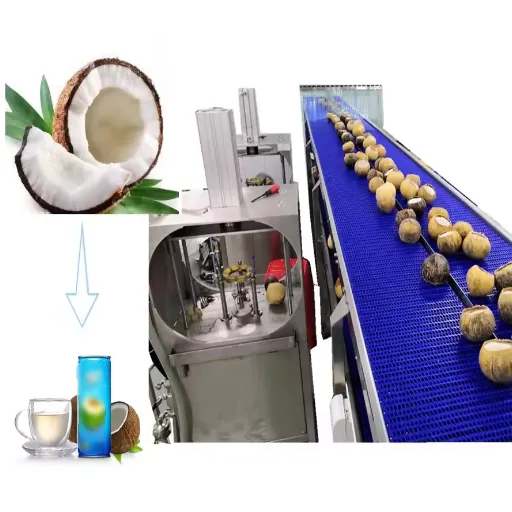
The production of coconut water requires a precise combination of machinery to ensure efficiency, product quality, and hygiene. Key equipment includes:
Coconut Dehusking Machine
This machine is designed to remove the tough outer husk of coconuts efficiently. Automated dehusking systems can process large quantities per hour, optimizing throughput while minimizing labor costs.
Coconut Shell Cutting Machine
After dehusking, the shell cutting machine separates the nut shell from the kernel cleanly. Advanced systems often feature precision-cutting technology to ensure minimal damage to the coconut water contained within.
Coconut Water Extractor
The water extractor pierces the coconut and safely removes the liquid, preserving its freshness. Some models come with filters to pre-clean the extracted water, reducing the load on downstream filtration systems.
Filtration and Pasteurization Units
After extraction, the coconut water is typically passed through high-grade filtration units to remove impurities. Pasteurization follows, using controlled heat to eliminate harmful microorganisms while retaining the natural flavor and nutrients.
Aseptic Filling Machine
Aseptic filling systems are crucial for preserving the quality of coconut water during packaging. These machines operate under sterile conditions, enabling long shelf life while avoiding the need for preservatives. High-speed models can handle extensive production volumes, supporting large-scale operations.
Packaging and Labeling Systems
Finally, automated packaging and labeling systems ensure the efficient preparation of packaged coconut water for distribution. These machines support various packaging formats, including bottles, cartons, and pouches, offering flexibility for market demands.
The integration of advanced automation and energy-efficient designs in these machines maximizes productivity while aligning with the modern focus on sustainability in food and beverage production. Smart monitoring systems and IoT integration further enhance operational control, reducing downtime and waste.
Types of Processing Machines Used
| Machine Type | Function & Features |
|---|---|
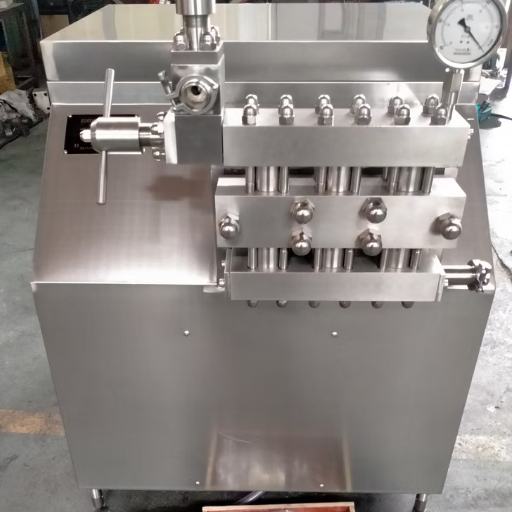
| Homogenizers | In industries of dairy and beverage production, homogenizers ensure product consistency. The homogenizing systems would break down particles of the mixture so that they get evenly distributed so that the texture and shelf life can be enhanced. New generation homogenizers have precise pressure control and components that have been optimized to consume less energy, thereby improving efficiency. |
| Mixing and Blending Machines | These agitators possess an efficient mixing system for liquids and solids; advanced mixers prevent ingredient stratification, affording adequate integration, and ensuring uniform product quality. In contrast, the newer types are equipped with programmable control systems whereby the parameters can be adjusted with absolute precision, allowing for higher flexibility with respect to different production scales. |
| Pasteurizers | Pasteurization machines are very important tools in food safety and/or shelf life extension due to its heat treatments that destroy potentially harmful organisms. Modern-day pasteurizers are fitted with energy recovery systems and variable heating to reduce power consumption while still retaining vast efficiency. |
| Filling and Sealing Machines | Filling and sealing machines automate portions and packages by acting as agents of hygiene and precision. These machines can go all the way through viscosities and packaging formats, being for liquids, powders, and semi-solid products. Recent improvements have occurred in contactless filling systems and sealing systems to prevent contamination and leakage. |
| Extruders | Extruders are used for the production of snacks, pasta, and pet foods to shape raw materials through some thermal-mechanical processes. The latest extruder equipment have computer-controlled parameters that control temperature, pressure, and speed to guarantee consistent product quality and flexibility for different formulations. |
Each type of machine is engineered to meet rigorous industry standards, leveraging modern advancements for efficiency, reliability, and sustainability, supporting the demands of an evolving global market.
Choosing the Right Equipment for Your Needs
There is an analysis involving multiple critical factors to choose suitable equipment pertaining to functionality and operating requirements. It first involves evaluating the level of production and quantity to be processed to determine the capacity of machines and their throughput. Depending on the targeted output of equipment, it should comply with energy requirement standards; thus making it cheap to operate. The other essential aspect is that the equipment should be compatible with the concerned material. Machines should handle the differing characteristics of the raw material, such as viscosity, melting temperature, or abrasion, without affecting their performance or life.
In the picture of technology inside the hardware, from precision through automation to greater control of variables such as temperature, pressure, speed, and mixing, one basically would have a complete system to ensure consistency and quality with a reduction in waste. This also stipulates that it is necessary to comply with industry regulations and certifications relative to safety, environment, and product standards, for the sake of sustainability.
Now, look at the quality of technical support, services offered, and the manufacturer’s reputation. Without after-sales support and easy maintenance, days could go by opening the doors to downtime; harsh downtime could break the instrument and end up costing thousands to repair. After the four factors are all analyzed in a systematic approach, the business can confidently select equipment that addresses the immediate production goal while supporting production’s operational scalability and efficiency in the long term.
Future Trends in Coconut Water Production

Emerging Technologies in Coconut Processing
Several interesting developments can be seen in coconut processing technology. One of them is the interaction of top technologies in automation and robotics with the different stages of processing. There are some automated dehusking machines and shelling machines that operate with minimal or no manual labor, thereby greatly speeding up processing time. The use of robotic arms and other computer-controlled systems for cutting and grating can increase precision and reduce wastage, resulting in the improved efficiency of operations and uniform product quality.
Another essential sphere wherein membrane filtration technology is used is in cold-press extraction methods for coconut water or oil. These processes are gaining market acceptance for being able to retain nutrition and natural flavor. Ultrafiltration removes impurities without extreme heat treatment so as to preserve enzymes and nutrients beneficial to human health. Moreover, coconut water can be packaged aseptically and kept shelf-stable for prolonged periods without preservatives through newer packaging technologies, which are the basic requirement to satisfy the consumer demand for native health beverages.
Additionally, the blockchain and IoT technology duo is making changes from traceability to quality assurance within the supply chain. The deployment of IoT sensors to monitor the temperature, humidity, and storage conditions in real time opens greater possibilities for product safety. In alliance with blockchain, this guarantees total traceability-all the way from the farm to production and finally to the retailer, thus instilling consumer trust and enabling adherence to international standards of food safety. With operational efficiency now rendered increasingly relevant by newer innovations, sustainability and transparency have become just as vital in the current international arena.
Sustainability in Coconut Water Production
Environmental Sustainability
For sustainability purposes, the whole production of coconut water has to tackle multiple environmental, economic, and social issues. For one, the coconut palm itself is a highly sustainable crop, requiring much less water, fertilizers, and pesticides when competing with other agricultural crops. And being a versatile product, just about all parts of the coconut can be used; only a minimal amount of waste is generated. On the basis of that, with the increasing demand for coconut water worldwide, a balance must be struck in scaling production and preserving natural ecosystems. Overharvesting in some regions has resulted in deforestation and loss of biodiversity, and hence the need for sustainable agricultural methods such as agroforestry, crop rotation, and soil conservation.
Waste Management and Resource Efficiency
Other aspects of sustainability encompass waste management and resource efficiency. A few producers are currently finding ways of converting coconut husks and shells into byproducts such as biochar or coir fiber or even for use in biodegradable packaging materials. This is helpful in reducing organic waste while cutting down on non-renewable resources. Further, the dynamics of integrating renewable energy have been quite an important factor in this scenario. Increasing adoption of solar panels or biomass energy by coconut water plants is expected to help reduce greenhouse gas emissions and further lower the carbon footprints of these plants. Such systems are applicable to sustainability goals worldwide, thereby strengthening the prospect of industry viability.
Social Sustainability
Never forget about social sustainability. Fair trade practices, fair working conditions, fair wages for farmers-all contribute to the quality life of local communities that utilize coconut water. Certification such as Fair Trade Certified or Rainforest Alliance Certified certified producers to use more sustainable and ethical systems. These measures need to be brought forth so that the growing demand for coconut water can be matched by the protection of natural resources and enrichment of local economies-an alternative route to environmentally and socially conscious living.
Market Trends and Consumer Preferences
Based on my evaluation, the coconut water market experiences rapid growth with increased health awareness and natural, functional beverages coming into demand. While consumers are making dietary choices, they are on the lookout for products that support a gluten-free and a plant-based option that is low on calories; thus, coconut waters meet their criteria, being hydrating, nutritious, and free of any artificial additives. Scientific evidence is now mounting concerning the benefits of natural electrolytes, whereas coconut water enhances hydration which has earned it a much greater status, mainly among athletes and gym lovers. This consumer trend is being reinforced by another alternative-label product trend whereby many consumers now seek transparency in ingredient sourcing and manufacturing.
Meanwhile, flavor innovation is a crucial consideration for the market as brands experiment with different blends, incorporating trendy fruits such as mango, pineapple, or passion fruit, into their products for those that seek variety. On the other hand, the shift to sustainability is also intervening in purchasing decisions; in this case, consumers are increasingly selecting those brands operating under environmentally conscious work practices-especially those under responsible sourcing and recyclable packaging. Businesses that invest in sustainable supply chains as well as third-party certifications of ethics usually enjoy better brand goodwill and customer loyalty.
From a demographic standpoint, since millennials and Gen Z consumers are the major coconut water adopters in the market with their desire for a multifunctional drink to serve equally well for post-workout recovery, just casual refreshment, or even mixing up a small cocktail. Another emerging niche is that of premiumization as discerning consumers now turn to organic, non-GMO, or single-origin lines. In addressing these market trends and actively aligning with consumer preferences, stakeholder brands ensure that they do not lose sight of the competitive edge and strength of bond with target consumers.
Reference Sources
- Guide For Organic Coconut Water Manufacturing – Suite42
This guide provides a detailed overview of the organic coconut water manufacturing process, from harvesting to packaging. - Fruit Processing Line and Coconut Water Processing Plant – Made-in-China
A breakdown of the typical steps involved in a coconut water production line, including equipment and processes. - Coconut Water/Milk Processing Line – TIPPS
This source explains the processing line for coconut water, milk, and other coconut-based products, highlighting its versatility. - How Coconut Water Concentrate is Made – Bonafide Anugerah Sentosa
A detailed explanation of the advanced methods used to produce high-quality coconut water concentrate. - How Coconut Water & Coconut Powder Making Process is Done – Facebook Video
A visual guide to the coconut water and powder production process, starting from manual harvesting to factory processing.
Frequently Asked Questions (FAQs)
What is the significance of coconut water extraction in the coconut processing line?
Coconut water extraction is one utmost stage in the coconut processing line in that it ensures the production of superior products, such as pure coconut water. This method involves thorough removal of impurities to ensure the sanitization and safety of the end product. The extraction processes differ-while some employ modern processing technology for greater efficiency. Also, the water quality might be affected by the varieties of coconuts used, which necessitate the selection of good raw material. The more streamlined production gets with extraction automation, the more consistent quality will be maintained in output.
How does the processing machine contribute to coconut water products?
The processing machinery stands out as a crucial garnisher in coconut water procedure through such activities as husking, extracting, and sterilizing. These machines assure that the coconut water is filtered and so keeping with the approved hygiene standards to enhance food safety. With the right machine and equipping, the manufacturer is enabled to scale up production while maintaining the quality of the finished product. On the other hand, higher-grade processing machinery is able to assist in the efficient manufacturing of concentrated coconut water and other coconut products that meet several ends of the market.
What are the essential steps in the coconut processing line?
The processing line includes several essential steps such as harvesting, husking, extracting, and packaging. Fresh coconuts are harvested, and then husked to remove the shell. Later begins the very careful process of extracting coconut water. After the water is extracted, sterilization of the coconut water usually takes place using UHT for product safety and shelf life. After that, the coconut water is packed into aseptic containers like Tetra Pak to maintain quality and freshness.
How does quality control impact the coconut water processing industry?
The entire concept of quality control is incorporated into the coconut water processing industry with the intent of ensuring that the products are safe and properly tested for quality. When one installs an internationally accepted standard food safety management system, each step of the processing line can be monitored-from the selection of raw materials to packaging of the final product. If the processing operations are carried out in hygienic conditions, there will be little or no chance of contaminating the Coconut Products. Besides that, regular checks on the quality of products can reveal any varyances in the quality of products so corrective action can be taken immediately. Maintain high-quality products that satisfy consumer expectations so that the image of the brand is enhanced.
What advancements in processing technology are used in coconut water production?
Processing technology for coconut water has seen numerous improvements in recent times, which favor efficiency and quality. Postmodern innovations in processing ensure that coconut waters are purchased thanks to the reduction of labor costs and the increase in production rates. Other types of sterilization were introduced, like UHT sterilization, so as to make sure that coconut water is free from microorganisms harmful to life, has a natural taste, and contains nutrients. Thus, a new method of extraction would improve the yield and quality of coconut water. This technology would maximize output and therefore assist in coconut processing sustainability by way of generating less waste and less environmental impact.
What factors should be considered when selecting machinery for coconut processing?
Choosing machinery for coconut processing involves weighing several considerations to realize operational excellency and maintain product standards. Type of processing machinery should correspond with the particular steps in coconut-water extraction and packaging. Efficiency remains paramount, and any machine that renders production a little more automated will surely enhance through-put. Fortunately, the elaborate sanitation required to produce food needs also be abided by in the whole processing line to eliminate contamination risks. Then, it is a good principle if engineers ask: how much can this machinery accept in grossly used conditions, times of maintenance, breakdown and sit down time, down time? Choice for selecting machinery must be made with adaptability to various kinds of coconut, variability in scale of production to meet market demands, and so on.

DU
Articles: 45
Trending now