Get in touch with Victorystar

Carbonated Soft Drinks: A Deep Dive into the World of Soda and Beverages

Contents
show
The market for carbonated soft drinks has largely remained the same worldwide for most of the twentieth century, their fizzy nature and sugar-sweetened taste making them very attractive to consumers. The tales of the classic cola wars, the emergence of craft sodas, and the introduction of healthier choices are just some of the various aspects and innovations this sparkling industry has to offer, which are all worth discovering and discussing. But how did these sparkling drinks become such a big part of our lives, and what are the secrets behind their uncomplicated recipes? This article brings to light the different aspects namely the history, science, and changing tastes along with carbonated soft drinks. Whether you are a casual soda lover or an eager inquisitor, let us go together in the process of unraveling the attraction and the difficulties of the beverages that keep the world refreshed.
History of Carbonated Soft Drinks
Carbonated Beverages’ Origins
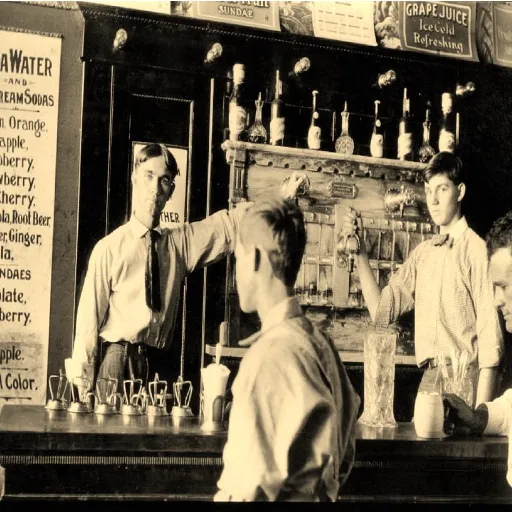
Carbonated beverages’ origins go back to the 18th century when an English chemist, Joseph Priestley, found out a way to inject carbon dioxide into water to come up with what we call carbonated water today. In 1767, this revolutionary discovery opened a pathway for fizzy drinks to be created. These days, the soft drink market is over $400 billion in value with consumers always looking for new refreshing flavors, healthier options, and eco-friendly packs. To this day, the carbonated beverage industry has maintained the high demand and has changed the market from the very early stages.
Soft Drinks Evolution
The evolution of soft drinks has become a principal factor for current trends, signaling the shifting of consumers’ preferences and the advancements in the industry. Healthy beverages are trending up, which includes drinks that contain extra vitamins, minerals, and all-natural ingredients to help with health and wellness such as digestion-friendly probiotics or energy-boosting herbs.
Key Industry Trends
- ✓ Growing demand for low-sugar and no-calorie products
- ✓ Increased focus on sustainability and eco-friendly packaging
- ✓ Rising popularity of functional beverages with added health benefits
- ✓ Consumer preference for biodegradable or recycled packaging materials
Market Impact of Coca-Cola and Pepsi
Coca-Cola and Pepsi have been the biggest players in the soft drink market for a long time and they have dictated not only the consumers’ preferences but also the trends in the industry. Both brands are usually among the top beverage companies searched for worldwide which signifies their strong brand awareness and extensive customer attraction. The two alone have created standards that others, both big and small, have to follow. The companies’ commitment to the development of healthier drinks, like the no-sugar sodas, and non-carbonated drinks, is a clear reflection of the market’s shift in demand and it also helps them to become more firmly entrenched with the market. By using vast distribution channels and supporting sustainability projects, Coca-Cola and Pepsi are able to exert a huge influence over the global market.
Types of Carbonated Soft Drinks
Coca-Cola: The Global Brand Leader
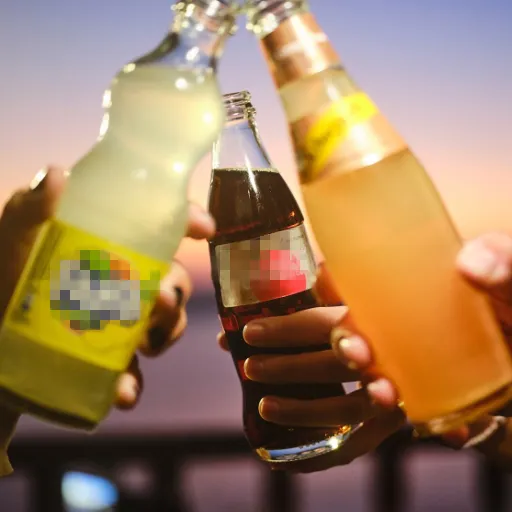
Search engine data has confirmed that Coca-Cola is always slightly more popular than Pepsi on a global scale. The average number of searches for “Coca-Cola” is much greater than that of its rival; thus, it can be concluded that Coca-Cola is still an icon and one of the best-known brands in the world. The brand’s foundation is made of its enormous history, successful advertising campaigns, and wide range of products. Despite this, Pepsi is always competitive and recognizes its support due to bringing out new non-traditional tastes and its rivalry with Coca-Cola. Ultimately, while both brands are very popular and have huge consumer bases worldwide, Coca-Cola receives more consumers’ attention overall.
Flavored Soda Pop
When discussing flavored soda pop, the question comes up: which brand is taking the lead in consumer interest for innovation and variety? The latest search trends tell us that Coca-Cola still has the upper hand in consumer interest due to its worldwide presence and its famous main products. On the other hand, Pepsi is still a strong rival, especially regarding innovative and daring flavors, including its seasonal and limited edition products like Pepsi Mango and Pepsi Nitro. Moreover, data indicates that there is a rise in the consumption of niche flavored drinks, as clients are more and more searching for drinks that either fit their specific taste preferences or are health-conscious ones, which in turn points to a general trend of customization and innovation in the beverage market.
Popular Flavor Innovation Trends
| Brand | Innovation Focus | Popular Products |
|---|---|---|
| Coca-Cola | Classic flavors with global appeal | Vanilla Coke, Cherry Coke, Coca-Cola Zero Sugar |
| Pepsi | Bold, seasonal limited editions | Pepsi Mango, Pepsi Nitro, Diet Pepsi |
| Niche Brands | Natural sweeteners & unique flavors | Craft sodas, locally-inspired flavors |
Healthy Options
There is a continuous increase in the demand for diet and low-calorie drinks, as more and more people become health conscious. Search engine data shows that there is a constant increase in searches related to words like “sugar-free drinks”, “low-calorie sodas”, and “diet beverage alternatives”, which indicates that there is a strong demand for healthier choices. Brands like Coca-Cola Zero Sugar and Diet Pepsi are benefitting from this situation as they are offering products that have usual flavors without the addition of sugar or calories. Also, new companies in the market are coming up with drinks that make use of natural sweeteners like stevia or monk fruit which are to the liking of the health-conscious group of people. Trends like these bring into focus the need for providing beverages that are customizable and health-oriented so as to keep the changing tastes of consumers satisfied.
Health Implications of Soft Drinks
⚠️ Risk of Obesity and Other Health Issues
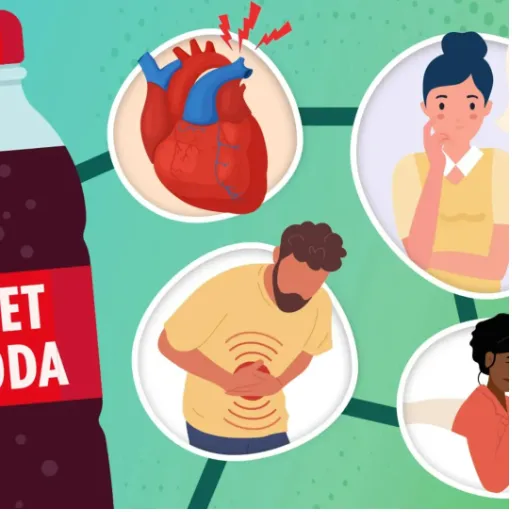
The connection between soft drinks, particularly those containing high amounts of added sugars, and the increased global risk of obesity cannot be overlooked. Recent data shows that the regular intake of sugar-sweetened beverages is one of the key contributors to the intake of excess calories that eventually cause weight gain.
People are getting more and more interested in the health problems like Type 2 diabetes, heart disease, and dental decay that are linked to soft drink consumption. Epidemiological studies verifying that the consumption of sugar-laden drinks affects one’s metabolic health negatively and heightens the risk of chronic diseases have been conducting research for a long time. It is necessary to treat the problem by spreading awareness and making healthful alternatives easily available to reduce the long-term health risks associated with the intake of soft drinks.
Role of Sugar and Artificial Sweeteners
Sugar and artificial sweeteners contribute to human health in a complex manner with different impacts which need to be understood. Through data and public interest trends, individuals are becoming more aware of the long-term impacts of these substances. Excess sugar intake is associated with obesity, type 2 diabetes, heart disease, and dental decay, among other negative health effects. In contrast, the use of artificial sweeteners as low or no-calorie substitutes has raised questions about their safety, particularly concerning adverse effects.
Health Considerations: Sugar vs. Artificial Sweeteners
| Sweetener Type | Health Impacts | Considerations |
|---|---|---|
| Regular Sugar | Obesity, Type 2 diabetes, heart disease, dental decay | High caloric content, affects metabolic health |
| Artificial Sweeteners | May affect gut microbiome, metabolic health, insulin resistance | Low/no calories, potential increased cravings for sweets |
| Natural Sweeteners | Generally better tolerated, fewer side effects | Stevia, monk fruit – healthier alternatives |
Newly developed studies suggest that artificial sweeteners may affect the gut microbiome, thereby affecting a person’s metabolic health and insulin resistance. Moreover, some research has hinted at beverages’ association with headaches, stomachaches, or increased craving for sweet-tasting foods resulting in the consumption of more unhealthy options. To minimize health risks, one can avoid them by selecting naturally sweetened products, being cautious about overall consumption, and following a balanced diet.
Substitutes for Traditional Carbonated Beverages
Traditional carbonated beverages are becoming less attractive to consumers. However, one can make the change easily with the wide range of healthy and refreshing alternatives. As per the latest statistics, flavored sparkling water is leading the pack among such substitutes. It provides the same bubbly feeling that consumers like, but without any sugar or artificial sweeteners. Not only that, but hot or cold herbal teas are considered increasingly as a tasty and antioxidant-rich option.
💡 Healthy Beverage Alternatives
- Flavored Sparkling Water: Provides carbonation without sugar or artificial sweeteners
- Herbal Teas: Hot or cold options rich in antioxidants and natural flavors
- Infused Water: Homemade options with fresh fruits, mint, or cucumber slices
- Kombucha: Fermented tea known for probiotics and tangy flavor
Infusions made at home, like water with fresh fruits, herbs (e.g. mint), or cucumber slices, are very thirst-quenching and can be done in many different ways to suit one’s palate. Kombucha, a fermented tea, is another popular option that is known for its probiotics and tangy flavor. With the spreading of the word about adopting a healthy lifestyle, the consumption of these drinks is increasing and one of the reasons is their support of overall wellness which makes it easy to enjoy drinks that are good for health.
Market Trends in the Carbonated Beverage Industry

Current Sales Trends and Consumer Preferences
A significant transformation in the carbonated beverage sector is consumer health consciousness leading to a switch to healthier drinks. According to the latest search statistics, the upsurge in the popularity of low-sugar or sugar-free products can be seen through the rising search volume of terms like “healthy sparkling water” and “zero-calorie sodas,” which have maintained their upward journey over time.
📊 Key Consumer Preferences
- Enhanced Beverages: Drinks with vitamins, natural flavors, or probiotics
- Functional Benefits: Improved digestion and enhanced immunity
- Wellness Focus: Kombucha and flavored sparkling water popularity
- Value Beyond Thirst: Consumers seeking additional health benefits
Enhancing drinks with vitamins, natural flavors, or probiotics are the ways consumers are acknowledging the wellness trends. Furthermore, functional drinks that give benefits like improved digestion and enhanced immunity are rapidly gaining ground, and this reveals shoppers’ intention not just to quench their thirst but also to get more value from their drink choices. These trends signify the contemporary shift in consumer preferences and brands are thus compelled to roll out innovations that would adequately cater to such needs.
Rise of Nonalcoholic Beverages
Search engine data shows that “nonalcoholic drinks” and “mocktail recipes” have been the most popular among searches during recent periods, and thus a large number of people express the same interest. This is a clear indicator that the demand for alcohol-free drinks, mainly dictated by health-conscious consumers, is on the increase, thanks to the social trend “sober curiosity.” People are trying to avoid drinking but still want tasteful and sophisticated nonalcoholic options that are compatible with their health goals and lifestyle choices.
Companies are innovating by launching amazing products like nonalcoholic spirits, craft mocktails, and zero-proof wines, thus providing consumers with a wider array of choices than before. The current trend represents a larger transformation in the way people perceive social drinking and personal wellness, which in turn opens up the market for nonalcoholic beverages.
Innovations by Companies like Keurig Dr Pepper
Keurig Dr Pepper, a major producer of nonalcoholic drinks, has made innovations that have put nonalcoholic beverages demand in the spotlight. The company has employed sophisticated technology along with market knowledge to widen its product range with unique zero-proof choices and prepared drinks of mixed varieties. The latest data from search trends brings out that “zero-proof drinks” and “nonalcoholic cocktails” are the terms that are searched the most and they have shown a constant increase in search over the past two years, reflecting consumers’ interest in nonalcoholic drinks. Keurig Dr Pepper has accurately predicted the trends of the market through data, and as a result, it has developed products that are liked by both health-conscious and socially-aware consumers. This approach not only showcases the company’s dedication to creating new products, but also the growing need for healthier and more diverse beverage options at the same time.
Future of Carbonated Soft Drinks
Shifts in Consumer Behavior
Recent search engine data shows that consumers are increasingly interested in health and alternative beverages with no sugar, non-alcoholic drinks, and functional drinks with vitamins or adaptogens. This change in behavior can mainly be attributed to the growing health and wellness consciousness of consumers and the wish to have more inclusive social events where alcohol is not the main attraction.
Besides, environmentally responsible practices are also a factor in consumers’ choices as they tend to choose brands that are eco-friendly in terms of packaging and ethical sourcing. All these trend signs point out that the future of carbonated soft drinks will depend on the development of innovative ideas that will resonate with today’s shifting priorities while still keeping the brands relevant and up-to-date in terms of competition.
Sustainability and Environmental Considerations
Eco-friendliness awareness has been on the rise and it is evident that sustainability is now one of the most essential aspects of the consumer’s decision-making process. Consumers are no longer just interested in knowing what eco-friendly practices companies are doing but are even willing to shop only at those shops that are committed to environmental protection and sustainability.
🌍 Sustainability Best Practices
| Practice | Implementation | Impact |
|---|---|---|
| Recyclable Packaging | Switch to recyclable or biodegradable materials | Reduced environmental waste |
| Water Conservation | Water-saving production methods | Lower resource consumption |
| Renewable Energy | Solar, wind power for factories | Reduced carbon footprint |
Search terms like eco-friendly packaging, sustainable brands, and carbon footprint reduction have increased notably in searches, which is a good indicator that the public is becoming more aware of their impacts on the environment. The carbonated soft drink industry will have to apply this: switching to recyclable or biodegradable packaging, water-saving production methods, and using renewable energy for their factories. Brands can then win over the market of eco-conscious consumers by being in line with these sustainability practices, thus positioning themselves as leaders in the race for a greener future.
Predictions for the Beverage Industry
The latest data from search trends has indicated a gradual rise in consumer interest for plant-based and functional drinks. There has even been discussion of new product areas such as ‘plant-based milk’, ‘kombucha benefits’, and ‘functional beverages’ which have mirrored the same increase over the last year. This shows that the beverage industry would keep on being creative to meet the demand of health-conscious customers who insist on getting the nutritional benefits as well as sustainability in the products.
Moreover, as society and the world become more conscious regarding health through vitamins, adaptogens, and probiotics, this may lead to a higher demand for such health-boosting drinks. It is only the brands that are open about their ingredients and the source of their raw materials that will take an upper hand in this gradually changing market segment.
Frequently Asked Questions (FAQ)
What are the health risks associated with the consumption of carbonated beverages?
One of the main health risks that come with drinking carbonated beverages is the increase in body weight or obesity. This risk is especially true for sugar-laden drinks. Research done in the American Journal of Clinical Nutrition declares that there exists a connection between the consumption of sweetened soft drinks and the rise in weight. Moreover, drinking sodas daily can result in consuming more calories without getting essential nutrients. Especially worrying is the case with kids and teens who might unwittingly start with bad eating practices. Furthermore, the use of high-fructose corn syrup in many soda brands adds complexity from the health standpoint.
What types of nonalcoholic beverages are available besides carbonated soft drinks?
Apart from soft drinks, the nonalcoholic drink list is extensive, which includes juices, energy drinks, and mineral water. Fruit juices like orange juice and apple juice are among the most loved and the most nutritious juice alternatives. Furthermore, flavored waters and herbalteas are some other nice and refreshing options without the extra sugars that sodas usually contain. Even more, ginger ale and tonic water are among the traditional soft drinks that people enjoy either as mixers or sips alone. The nonalcoholic beverage market is expanding as consumers are in search of healthier options.
How do carbonated soft drinks like Pepsi and Coca-Cola differ in taste and ingredients?
Pepsi and Coca-Cola are classical examples of carbonated soda with very distinct tastes and different compositions. Pepsi is characterized by its sweetness, while Coca-Cola offers a more intricate flavor with traces of vanilla and caramel. Both drinks are carbonated with CO2, which is the main reason for their fizziness, but they have different accented ingredients. In Coca-Cola, the presence of phosphoric acid brings out the tanginess, while Pepsi has a different balance of flavorings. With their specific colorings and additives, every soda brand adds certain character traits. People often choose between sodas depending on their taste preferences based on these subtle differences.
What is the role of carbonation in soft drinks?
Carbonation is one factor that makes soft drinks among the most sold beverages. The mixing of the gas creates bubbles in liquid, which is indeed the quality that some people find refreshing. The presence of this fizzy character intensifies the drink and can even enhance the flavor of both cola and non-caffeinated options like ginger ale. Sugar-free versions often feel less fun and less vibrant than their carbonated counterparts. Yet, brands may have different ways of carbonating and thus also different consumer preferences regarding the potency of carbonated drinks.
Are there any sugar-free alternatives to traditional soda drinks?
Absolutely! There are many sugar-free options to regular soda drinks, thus attracting health-conscious customers. Various brands cater to sugar-free and caffeine-free beverage lovers. Prime examples would be the diet, no-calorie versions of popular sodas like Diet Pepsi and Coca-Cola Zero which use artificial sweeteners. Apart from fizzy water infused with natural flavors that are refreshing and calorie-free, there are also brands like Canada Dry and LaCroix who have included various flavored sparkling waters and non-caloric sodas in their product lines. Sugar-free soft drinks allow consumers to savor the fizz while not incurring the health risks linked with sugar-sweetened drinks.
📚 Reference Sources
- Soft Drinks – University of Michigan
A detailed overview of soft drinks, their composition, and production. - Sugary Drinks – Harvard T.H. Chan School of Public Health
Insights into the health impacts of sugary drinks, including sodas and energy drinks. - Carbonated Soft Drinks: What You Should Know – FDA
Information on the safety and regulations of carbonated soft drinks by the U.S. Food and Drug Administration.
Key Takeaways
- ✦ The carbonated soft drink industry has evolved significantly since Joseph Priestley’s 1767 discovery of carbonation
- ✦ Consumer preferences are shifting toward healthier, low-sugar, and functional beverage options
- ✦ Coca-Cola and Pepsi continue to dominate the global market while adapting to health trends
- ✦ Regular consumption of sugar-sweetened beverages poses significant health risks including obesity and diabetes
- ✦ Sustainability and eco-friendly packaging are becoming critical factors in consumer purchasing decisions
- ✦ The rise of nonalcoholic beverages reflects the “sober curiosity” movement and health-conscious lifestyles
- ✦ Future growth will likely focus on plant-based drinks, natural sweeteners, and functional ingredients

GW
Articles: 39

Trending now