Get in touch with Victorystar

The Ultimate Guide to 5 Gallon Water Production Line Setup and Maintenance

Contents
show
The possibility always remains that a business person ventures into bottled water with the hopes of creating lucrative returns upon meeting the permanent demand for clean and safe drinking water. A large format bottle of 5 gallons is the central offering of this business and is much used at the homes and offices. Success is hinged to the availability of good water; a cheaper process of quality, hygienically made should be assured. Generally considered complex, setting up and keeping a 5-gallon water production line, in fact, is an investment well worth making when one is duly informed. This guide gives a full overview about the 5-gallon water production lines, describing all important components, setting up procedures, advantages of automation, and maintenance considerations. After reading, one should be familiar enough to start a 5-gallon bottled water business, having a setup from day one that ensures quality, efficient, and scalable production.
Understanding 5-Gallon Water Production Lines
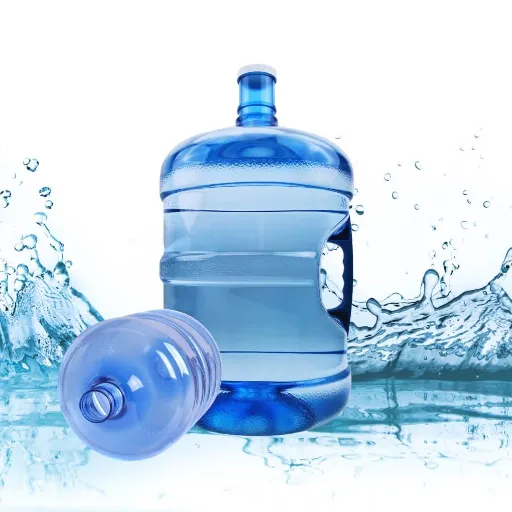
What Is a 5-Gallon Water Production Line?
A 5-gallon water production line is essentially a series of integrated machines configured to automatically clean, fill, cap, and prepare almost empty-sized water bottles for delivery. The systems are designed with the heavy and large 5-gallon jugs in mind, maintaining the flow of empty, returned bottles down to full, ready-to-sell products. In other words, the principal objective is to prepare bottled water in very large quantities while complying with the highest hygiene and safety standards. The best design minimizes manual handling and maximizes output while reducing contamination.
Key Components of a Water Production Line
A complete production line consists of several interconnected stations, each performing a specific function. While configurations can vary, most standard lines include the following core components:
- Decapper: This machine automatically removes the caps from returned 5-gallon bottles. Manual decapping is possible for very small operations, but an automatic decapper significantly speeds up the initial stage.
- External and Internal Bottle Washer: Hygiene is non-negotiable. Returned bottles must be thoroughly cleaned before refilling. The production line includes an external washer to clean the outside of the bottle and a multi-stage internal washer that uses a sequence of detergents, sanitizing solutions, and purified water rinses to sterilize the inside.
- Filling Machine: This is the core of the production line. The filling machine is responsible for accurately filling the sterilized bottles with purified water to a predetermined level.
- Capping Machine: Once filled, the bottles move to the capping station. This machine automatically places a new, sanitary cap on the bottle and secures it tightly to prevent leaks and contamination.
- Labeling and Coding Machine: This component applies labels with branding and essential information. It can also print batch codes, expiration dates, and other tracking data required by regulations.
- Conveyor System: Conveyors are the arteries of the production line, transporting bottles smoothly from one station to the next. The speed and synchronization of the conveyor system are crucial for maintaining a consistent production flow.
The Importance of a Reliable Filling Machine
While every component matters, the filling machines are perhaps the most critical. Its reliability and precision directly affect product quality, operational efficiency, and profitability. Hence, a good filling machine ensures:
- Accurate Fill Levels: Consistency is key for customer satisfaction and regulatory compliance. An advanced filler uses precise volume or level-sensing technology to ensure every bottle contains the correct amount of water, avoiding under-filling (which disappoints customers) and over-filling (which wastes product).
- Hygienic Operation: Fillers must be designed to prevent contamination. This includes using food-grade materials like stainless steel, incorporating no-drip nozzles, and allowing for easy cleaning and sterilization.
- Speed and Efficiency: The output of your entire production line is often determined by the speed of your filler. A reliable machine operates consistently at its rated speed without frequent breakdowns, maximizing your production capacity.
Setting Up Your 5-Gallon Water Filling Machine
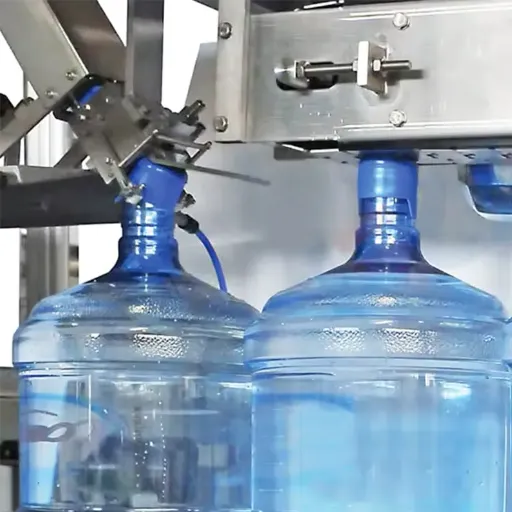
Choosing the Right Water Filling Machine
Selecting the right filling machine requires careful consideration of your business needs. Here are the key factors to evaluate:
- Production Capacity: How many bottles per hour (BPH) do you need to fill? Choose a machine that meets your current demand but also offers room for future growth. Capacities can range from 100 BPH for smaller setups to over 1,200 BPH for large-scale industrial operations.
- Automation Level: Filling machines come in semi-automatic and fully automatic models. Semi-automatic machines require an operator to place and remove bottles, while fully automatic machines handle the entire process without manual intervention.
- Technology: Look for features like gravity filling, which is gentle on the product, or pressure filling for faster speeds. Advanced machines may include PLC (Programmable Logic Controller) systems for easy operation and monitoring.
- Durability and Materials: Ensure the machine is constructed from high-quality, corrosion-resistant materials like 304 or 316 stainless steel to guarantee longevity and hygiene.
- Supplier Reputation: Purchase from a reputable manufacturer that offers solid warranties, technical support, and readily available spare parts.
The Installation Process
Once you’ve selected your machine, proper installation is the next step. While it’s highly recommended to have the installation performed by technicians from the supplier, understanding the process is beneficial:
Initial Testing and Calibration
Before starting full production, the machine must be tested and calibrated. This “commissioning” phase ensures everything works as intended:
- Dry Run: Operate the machine without water to check that all mechanical parts are moving correctly and the conveyor system is synchronized.
- Wet Run: Run the machine with water to test the filling system. Check for leaks in the plumbing and ensure the nozzles are functioning properly.
- Calibration: Calibrate the fill level for each filling head to ensure accuracy and consistency. This may involve adjusting timers, flow meters, or sensors depending on the machine’s technology.
- Full System Test: Run the entire production line from decapping to labeling to identify any bottlenecks or synchronization issues between the different machines.
Automation in 5-Gallon Water Production
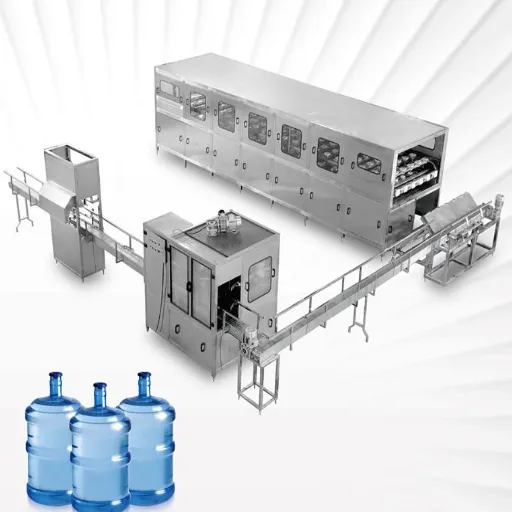
Benefits of Automating Your Production Line
- ✓ Increased Productivity: Automated systems can operate continuously with minimal downtime, significantly increasing the number of bottles produced per day.
- ✓ Consistent Quality: Automation eliminates the inconsistencies associated with manual labor. Every bottle is washed, filled, and capped using the same precise parameters, ensuring uniform product quality.
- ✓ Reduced Labor Costs: While the initial investment is higher, automation reduces the need for manual operators, leading to substantial long-term savings on labor costs.
- ✓ Enhanced Hygiene: A fully automated, enclosed system minimizes human contact with the bottles and water, drastically reducing the risk of microbial contamination.
Types of Automatic Water Bottle Filling Machines
Automatic filling machines, really, are the heart of an automated line. These machines are generally incorporated into the design of a monobloc system that integrates washing, filling, and capping into one single unit, perfectly synchronized. It’s compact and efficient, and hygienically maintains the transfer of bottles between the different stages.
Integrating Automation with Existing Systems
Starting out with a semi-automatic line gives you the freedom to slowly infuse it with further automation. For instance, you could start with an automatic filler and capper and later add an automatic decapper and washer. In buying more automated equipment, always be sure that they will integrate well with their existing counterpartries. A PLC-based control will be advantageous in synchronizing the various components, providing an easier way of marrying an assortment of machines.
Maintaining Your 5-Gallon Water Production Line
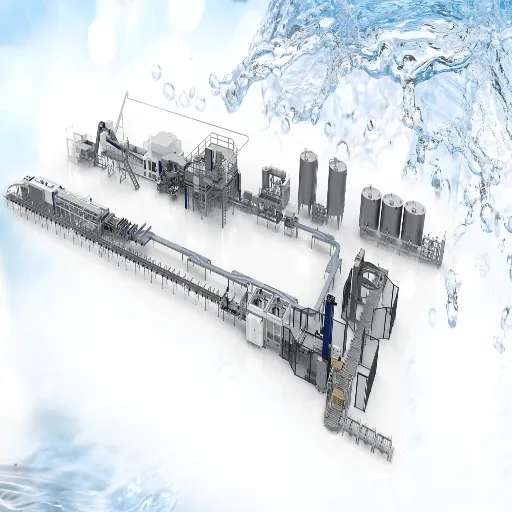
Routine Maintenance for Water Filling Machines
Create a daily, weekly, and monthly maintenance checklist. Key tasks include:
Common Issues and Troubleshooting Tips
- Inconsistent Fill Levels: This could be caused by clogged nozzles, fluctuating water pressure, or sensor issues. Clean the nozzles and check the water supply pump and pressure regulators.
- Leaking Bottles: If caps are not applied correctly, check the alignment and torque settings of the capping machine. Worn capping heads may also be the cause.
- Machine Stoppages: Frequent stops can be due to sensor blockages or misalignment on the conveyor. Ensure sensors are clean and properly aligned to detect the bottles correctly.
Ensuring Hygiene and Safety Standards
Beyond our mechanical maintenance, hygiene maintenance holds the biggest priority. Periodically test the water source and the final product for microbial contaminants, adhering to all local as well as international food safety standards, such as FDA and HACCP (Hazard Analysis and Critical Control Points). All operators should be trained on sanitation and hygiene practices, as well as proper cleaning and sanitizing procedures for the equipment.
Scaling Your Water Bottling Business
Evaluating Production Capacity Needs
Monitor sales and market trends on a daily basis so as to forecast demand for the future. If your present production line runs at absolute maximum capacity at all times to fulfill orders, then the time has come to consider an upgrade. This could mean investing in a suf-filling machine or even investing in a second production line.
Expanding Your Product Line Beyond 5-Gallon Bottles
When stability is reached in the 5 gallons operation, then expansion of offerings can possibly be considered. Some companies generally include diversification into small bottle size packages (500ml, 1 liter, or 1.5 liters). This will go for a different production line for small PET bottles, while entering new market segments like convenience stores and vending machine markets.
Marketing Your Bottled Water Products
An efficient production line is one-half of the battle. The other big thing that you need is an industrial marketing strategy to sell your product. Focus on what makes your brand stand out. Is it the source of the water, the actual purification process, or maybe the sustainability commitment? Build a brand story that allows for resonance with the target audience, then pursue a bigger awareness platform for sales through a combination of digital marketing, local advertising, and partner promotion.
Reference Sources
-
Maintenance Of Bottled Water Bottling Equipment – Offers essential maintenance tips to ensure smooth and efficient bottled water production.
-
Complete Guide Of Purchasing 5 Gallon Water Production Line – Covers the selection of washing, filling, sealing, and labeling machines for a 5-gallon water production line.
-
Water Bottling Machine Guidance – Provides step-by-step guidance on choosing the right water bottling machine based on production needs.
-
5 Gallon Water Project – 20 Liters – Describes fully automated 5-gallon water production lines and their specialized equipment.
-
Tips for Maintaining a Bottle Water Filling Machine – Shares efficient maintenance practices, including the use of Clean-In-Place (CIP) systems for bottling machines.
Frequently Asked Questions (FAQs)
What is the importance of a water filling machine in a 5 gallon water production line?
The water filling machine plays a critical role in the 5 gallon water production line in ensuring proper and hygienic filling of bottles. The output volume of the filling machine directly affects the working capacity of the water bottling plant. The use of technology such as automation will speed up filling processes and make these processes more precise. Besides, when the bottles are filled, the capping machine grips onto the bottle and seals it, keeping the water from being contaminated and maintaining its ultra-clean quality. This ensures safety and purity of bottled water while catering to the beverage producer’s needs in production capacity.
How does the bottle blowing machine contribute to the production process?
The need for a bottle blowing machine to manufacture quality-grade Pet Bottles is always felt in a 5 gallon water production line. The machine offers attractive and varied shapes for blow molding of bottles. The automation of the bottle-making process allows manufacturers to maintain consistent quality while reducing material waste. With a fully automatic bottle blowing system and an effective quality control system, each bottle produced complies with industry standards. This brings about a better production efficiency and smoothes the entire filling and packing process.
What are the key components of a water filling line?
Placing water in bottles is a fluid operation, powered by a series of components acting together to ensure efficiency: water treatment systems, in which water is treated before bottling; filler units, which fill bottles with water in a precise manner; and capping machines that seal bottles to keep the soil and contamination out. Other damages include washing machines for bottle cleaning and palletizing systems for organized storage and transportation. Each component requires optimization for production requirements and to increase the overall productivity flow.
How does quality control affect the production of 5 gallon bottled water?
Quality control holds a special place in the production of 5-gallon bottled water, with safety and purity under the shadow. Instituting stringent quality control standards throughout the production process aids in street-level identification and elimination of potentially arising problems. During treatment, water quality is oversee; bottles, likewise, are scrutinized for defects; and allowance in filling volumes is given maximum attention. Regular product testing must be undertaken pursuant to health standards to drive the consumers’ trust. Hence, a producer’s organization protecting brand supremacy while directly meeting the expectancy of beverage producers is the key quality control stands for.
What are the production requirements for a 5 gallon water bottling plant?
The essential concept for the requirements of a 5-gallon water bottling plant is a reliable water source, efficient equipment, and a well-designed production flow. The ability to sustain the supply of purified water is completely contingent upon having a treatment system of very high capacity. Advanced filling and capping machines may significantly improve efficiency levels of production. On top of this, the storage and transportation must maintain the integrity of the bottled water. Another important factor to consider is that one must abide by safety standards and regulations to successfully operate within the water business.
What are the benefits of using automation in a 5 gallon water production line?
Automation in bottle line operations offers several benefits–chiefly among them being efficiency and cost reduction. Automated filling, capping, and packaging systems facilitate fast production rates with very little input from the human hand. This speeds up the production flow and simultaneously bolsters precision, reducing errors. Another benefit is that they provide high-quality control since machines are programmed to maintain strict standards. Therefore, with integration of automation into their production systems, manufacturers in the water industry may create a very sustainable and profitable operation.

DU
Articles: 45
Trending now