Get in touch with Victorystar

Beverage Production Lines: Bottle & Carbonate Options

Contents
show
Efficient beverage production lines play a crucial role in sustaining the modern beverage industry, ensuring high-quality outputs and operational consistency. Bottle and carbonation choices rank among the most challenging decisions to make, as they directly influence the taste, shelf life, and market appeal of a product. This article aims to shed light on their principal role in production scale-up and the maintenance of competitive advantages. From the science of carbonation to choosing the right bottling techniques across various beverage types, this is an expert set of recommendations for maximizing production capability. For production managers and business leaders alike, this in-depth review provides the insights needed to inform business decisions designed for success.
Key Takeaway
Successful beverage production relies on the seamless integration of carbonation precision, container compatibility, and automated workflow efficiency to meet evolving consumer health and sustainability trends.
Overview of Beverage Production Lines
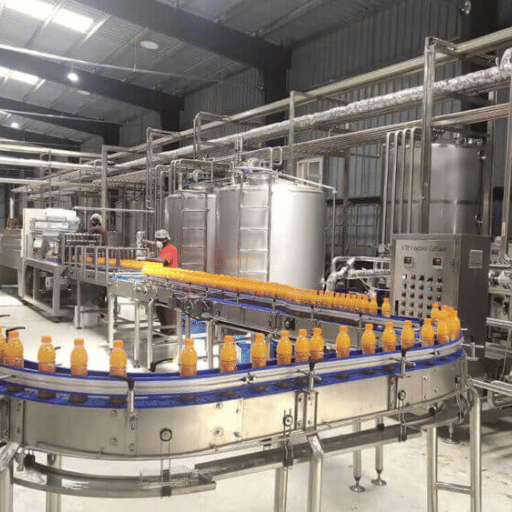
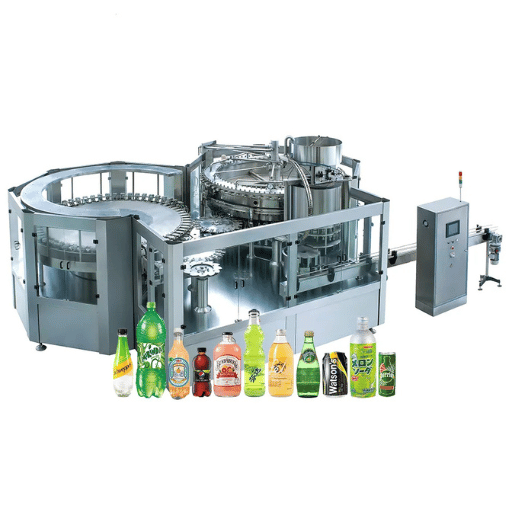
The production line in beverage manufacturing systems is composed of many support elements working together to provide high-quality and efficient output. These elements include:
- • Ingredient Handling Systems: Administer raw materials, water treatment, and precise dosing for flavors and sweeteners.
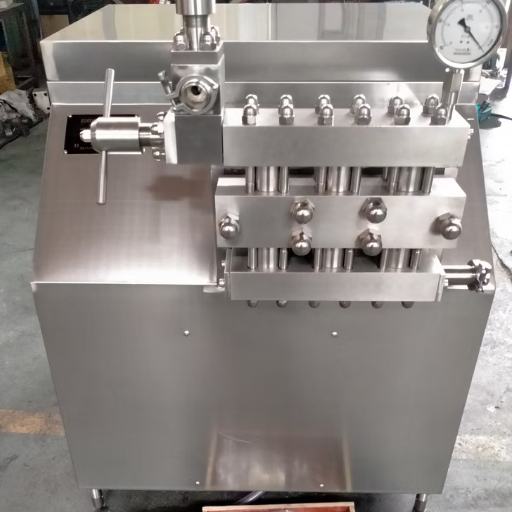
- • Mixing and Blending Equipment: Used to create a homogenous finished product through precise ingredient blending.
- • Carbonation Units: Injects prescribed amounts of CO₂ for carbonated beverages.
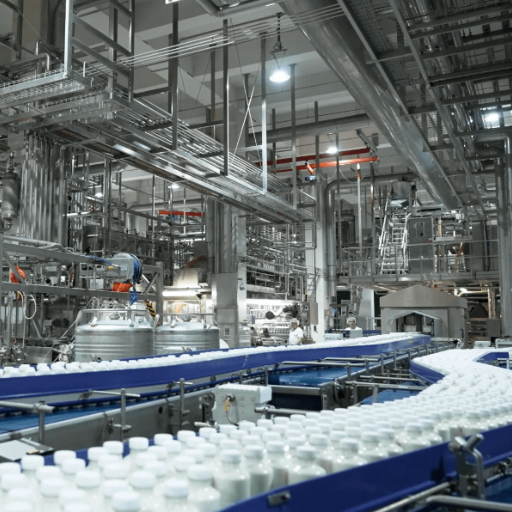
- • Bottling and Filling Machines: Sophisticated machines that accurately fill containers under hygienic conditions with minimal waste.
- • Capping and Sealing Systems: Seals bottles or cans in a controlled environment to preserve freshness and prevent contamination.
- • Labeling and Packaging Units: Efficient machines that label and package products for distribution.
Understanding Beverage Production
Drink production processes integrate the latest technology, accurate formulations, and strict quality checks to produce consistent, high-grade outcomes. This begins with raw material handling, ensuring products meet specified standards. Mixing and blending require specific measurements to maintain flavor consistency, while filters maintain color and remove impurities. Pasteurization ensures the product is free from dangerous microbes. Sterile conditions are required for capping and filling, while labeling and packaging fulfill compliance, branding, and market needs. Production must be sustained by a continuous, well-coordinated program.
Types of Beverage Production Lines
Beverage processing lines are segregated based on the processes entailed and the specific nature of the product. Categories include carbonated beverage lines, which manage the fine balance of carbonation under pressure; non-carbonated lines for juices, teas, and still drinks; and aseptic production lines for sterile processing that extends shelf life without preservatives. There are also specialized brewery and dairy lines, each independent in their characteristics for processing beer, milk, or yogurt. Every type of line utilizes high-level technology and precision operations to cater to special market needs.
Importance of Small Beverage Production Lines
Small beverage lines provide critical support for small-scale production, catering to specialist and niche products. These lines meet the emerging consumer demand for customizable, high-quality beverages. They offer scalability to startups, allowing production volumes to be controlled without massive capital investment. Additionally, they provide the flexibility to innovate in formulations and seasonal variations while maintaining safety compliance. Compact, high-efficiency machines bridge the gap between craftsmanship and industrial production, affording market agility in a rapidly morphing industry.
Choosing the Right Equipment for Beverage Production
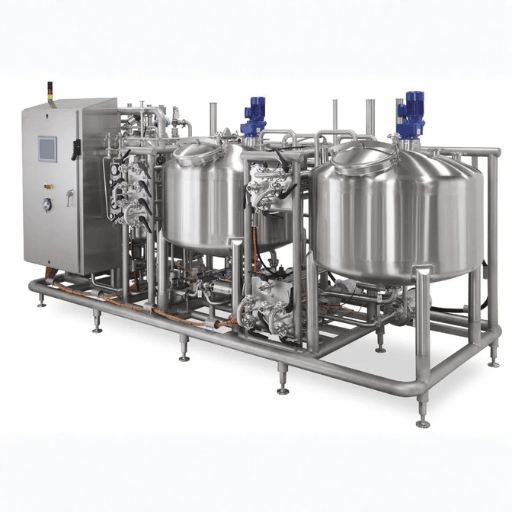
Selecting the right equipment ensures efficiency, product quality, and cost-effectiveness. Key factors to consider include:
- 1
Production Capacity
Machines must fit the required output percentage without excessive overhead costs. - 2
Product Type
Equipment must be constructed for the specific beverage (carbonated, juice, or dairy) and packaging type. - 3
Level of Automation
Balance mechanization and human labor based on production speed needs and available funds. - 4
Quality & Scalability
Ensure food-safety compliance and the ability to upgrade as growth projections increase.
Essential Components of a Beverage Filling Line
| Unit | Primary Function |
|---|---|
| Bottle Unscrambler | Arranges and aligns bottles for automated entry into the filling system. |
| Filling Machine | Fills liquid based on viscosity and beverage type (carbonated or still). |
| Capping System | Seals containers with high precision to prevent leakage and preserve product. |
| Inspection Units | Detects under-fills, contamination, or poor packaging to maintain standards. |
Factors to Consider When Selecting Filling Machines
Selecting filling machines requires proper evaluation of product compatibility, as different machines handle varying viscosities, particulates, and chemical properties differently. Throughput capacity must be weighed against demand to ensure a full match between production and market needs. Regulatory compliance (FDA, ISO) is mandatory to meet hygiene standards. Additionally, consider future growth, seamless integration with current processes, and maintenance accessibility to facilitate long-term accomplishments.
Batch vs. Continuous Production Systems
Batch systems are designed for particular production lots where small-sized production, product customization, or variant flexibility are required. They allow for decreased downtime during changeovers but are not designed for one-size-fits-all large-scale production. Continuous systems, however, are the “king” of high-volume, standardized production. They are highly efficient and cost-effective but typically require high initial investment and offer less agility than batch systems. Selection depends on production volume and the need for customization.
Carbonation Techniques in Beverage Production
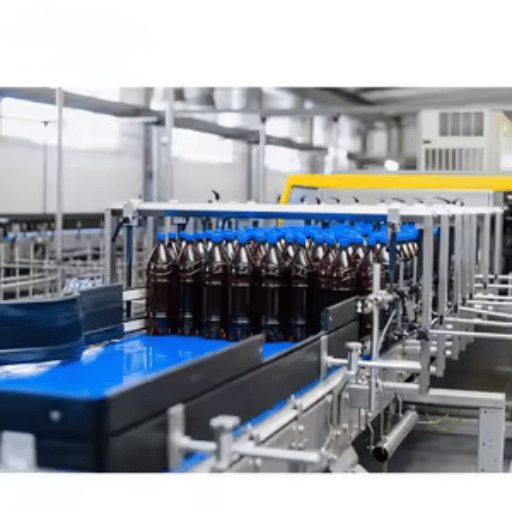
Effervescence is achieved by dissolving carbon dioxide (CO₂) into the liquid via two primary methods:
- ✓ Mechanical Carbonation: CO₂ is introduced under pressure for uniform distribution. Used widely in sodas and fizzy water for its high precision.
- ✓ Natural Carbonation: Occurs through fermentation where yeast releases CO₂ as a by-product. Applied to specific beers, ciders, and sparkling wines.
Understanding Carbonation in Soft Drinks
In soft drinks, carbonation is achieved by introducing CO₂ under elevated pressure. This mechanical incorporation is made possible by controlling temperature, pressure, and CO₂ concentration. Carbon dioxide is the main sensory factor; it forms bubbles, while the resulting carbonic acid provides a signature tanginess and bite. Maintaining precise control over carbonation ensures product stability and consistent consumer acceptability.
Equipment for Carbonating Beverages
The carbonation process relies on specialized equipment including carbonation vessels and tanks where CO₂ dissolves under pressure control. Systems require food-grade CO₂ supply from cylinders or bulk tanks, alongside pressure regulators and flow control features. High-volume operations often utilize inline carbonators to integrate CO₂ during production. For lower-volume operations, soda siphons or counter-top units may suffice. Measuring instruments like pressure gauges are essential to confirm quality norms are met.
Innovative Carbonation Solutions
Innovative solutions leverage advanced technologies like inline gas injectors and microbubble systems. These methods ensure precise CO₂ integration and consistent characteristics across every batch. Furthermore, advanced smart automation tools enable real-time monitoring and adjustment of carbonation levels, significantly enhancing workflow efficiency and reducing waste. Coupling these approaches with robust quality assurance protocols ensures the delivery of a superior product.
Market Trends in Beverage Production
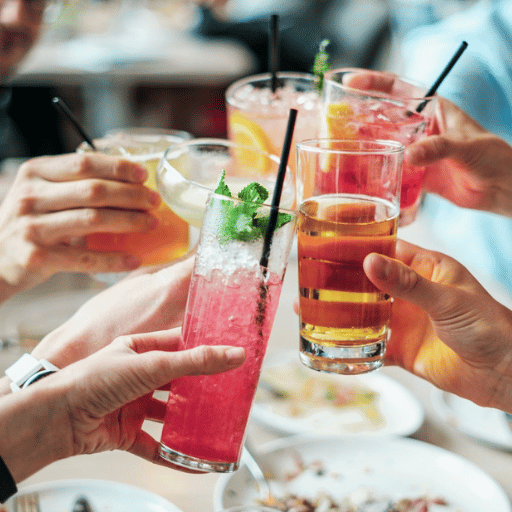
The sector is heavily impacted by consumer preferences for healthier, environmentally sustainable, and innovative products. There is a notable shift toward nutritional, natural-flavored functional drinks containing vitamins and probiotics. Sustainability has become a dominant trend, with businesses embracing eco-friendly packaging and manufacturing. Technology, such as loss-free carbonation systems and flavor customization, is changing product development to meet the interest in individual, tailor-made drinks.
Current Trends in Carbonated Soft Drinks
The soft drink industry is transitioning toward health-forward innovation. Profitable opportunities exist in functional beverages offering vitamins, minerals, botanicals, or probiotics. Simultaneously, there is a push for climate-conscious strategies, including improved packaging recyclability, reduced plastic usage, and energy-saving practices. Technological solutions like AI-supported flavor profiles and precision carbonation systems are paving the path for bespoke taste adventures.
Emerging Opportunities for Small Beverage Producers
Small manufacturers can tap into exclusive markets by utilizing high-tech solutions. Functional beverages like kombucha or fortified waters allow small-scale producers to cater to health-conscious consumers. Eco-conscious buyers also value sustainable practices, such as local sourcing or biodegradable materials. Precision brewing and digital tools like AI-based customer insights are now accessible to smaller manufacturers, allowing them to innovate and custom-scale products to meet consumer expectations.
Consumer Preferences and Market Demands
Consumers crave healthier, more transparent, and sustainably produced goods. This desire for beneficial functional ingredients and traceable sourcing characterizes the modern market. Manufacturers must embrace advanced technologies, such as AI, capable of predicting and adjusting to these changes to maintain efficient production, distribution, and competition.
Strategies for Optimizing Beverage Production Efficiency
💡
Efficiency Pro Tips
Streamline production by using automation to remove bottlenecks. Invest in energy-efficient machinery and implement predictive maintenance to head off unplanned downtime before it happens.
Automation in Beverage Production
Automation greatly enhances efficiency, consistency, and scalability. The integration of technologies like PLCs, robotic systems, and machine learning assists in streamlining mixing, filling, and packaging. By minimizing human error, production speed is enhanced while ensuring adherence to quality standards. Automation also aids real-time data collection, providing actionable insights for optimization and supporting sustainability goals by saving energy and minimizing waste.
Improving Workflow in Beverage Factories
To enhance workflow, factories must adopt operational strategies interlocking resource management, equipment maintenance, and automation. Predictive maintenance via IoT sensors and data analytics significantly reduces downtime. Control over the supply chain is strengthened through real-time inventory management and automated forecasting. Modular and scalable lines provide the flexibility to adjust rapidly to market demands and product variations while maintaining operational efficiency.
Adopting Sustainable Practices in Beverage Production
Sustainable production requires marrying environmental conservation with operational efficiency. Measures include reducing water usage through filtration and recycling, utilizing renewable energy sources, and optimizing by-product disposal via circular economy principles. Ethical procurement from certified suppliers ensures responsible production. These actions synchronize with eco-conscious consumer values, enhancing market competitiveness while mitigating environmental impact.
Reference Sources
BevSource: On the end-to-end process of making beverages.
Cremé de Mint-Blog: Strategies for starting a beverage brand and retail strategy.
Reddit – Digital Marketing: Marketing advice for beverage startups.
Frequently Asked Questions (FAQs)
What is a Small Beverage Production Line?
It is essentially an accessible arrangement aimed at new venture entrants and niche producers.
What kinds of beverages can be created?
A myriad of beverages can be produced using versatile lines, including juice, soda, tea, and energy drinks.
How much does a small production line cost?
Costs depend on equipment and installation capacity, but small-scale outfits require significantly less investment compared to industrial-scale plants.

Candy
Articles: 37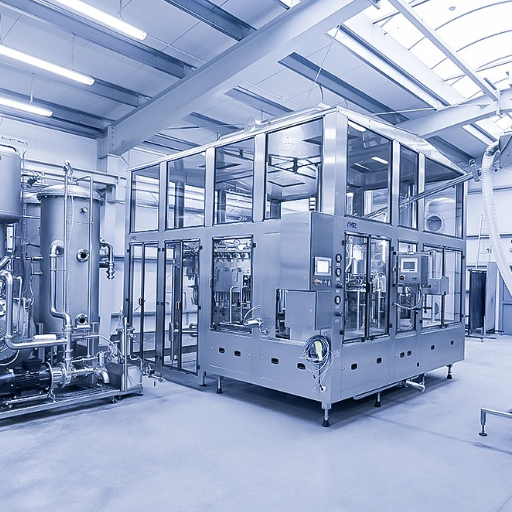
Trending now