Get in touch with Victorystar

How Carbonated Drinks Are Made: The Science Behind Carbonation and the Production Process

Contents
show
For a very long time, carbonated beverages have been the people’s favorite choice due to their bubbly nature and refreshing flavor, but perhaps the question of what makes these drinks so fizzy has crossed your mind? A very captivating mixture of science and artistry is behind every sip of soda, sparkling water, or kombucha with bubbles. It starts with the precise addition of carbon dioxide and goes all the way to a very complicated production method that guarantees quality all the time. The whole process of producing bubbly drinks is a marvelous blending of chemistry and technology. This article takes you to the backend and reveals the mysteries of carbonation while simultaneously informing you of the favorite drinks’ journey from factories to your glass. Get ready to learn the science and accuracy that give life to the bubbles and the fizz that all of us enjoy!
The History of Carbonated Beverages
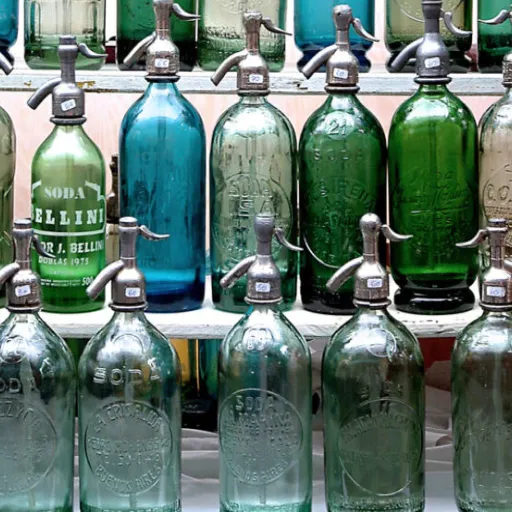
Carbonation Origins
Looking back through the ages, the origins of carbonation can be said to have been in the 18th century when the first experiments with infusing water with carbon dioxide were performed. Joseph Priestley was one of the leading figures in this new path and was an English theologian as well as a chemist.
🔬 Historical Milestones in Carbonation:
1767 – Joseph Priestley’s Discovery:
- Invented the first artificial carbonation process
- Method: Immersing a bowl of water over a vat containing fermented beer
- Result: Produced carbon dioxide gas that the water absorbed, creating a sparkling and refreshing drink
1783 – Johann Jacob Schweppe’s Innovation:
- Swiss watchmaker who took the process further
- Introduced a practical way of mass-producing carbonated water
- Founded the Schweppes Company, revolutionizing the industry
Carbonation is still a main element of soft drinks, mineral waters, and sparkling beverages today. Precise controls over the process have come with advancements in technology, allowing us to know exactly what we are doing and how. It might be a long way to go back to the first experiments, but we have all come to enjoy it.
Soft Drinks Evolution
The evolution of soft drinks has been the story of humankind’s incessant quest for better ways of quenching thirst. Starting with 18th century carbonated water discoveries, drinks containing soda initially attracted consumers mainly because of perceived health benefits. They were thought to be purifying and detoxifying beverages containing natural mineral ingredients and thus became very popular.
Along with the passing years, the market for soft drinks grew to include flavors, sweeteners, and preservatives, and in this way, drinks have become a global phenomenon.
📊 Modern Consumer Trends:
The non-alcoholic beverage market is continuously getting more diverse, aligning with the needs and wants of consumers. Recent data shows noticeable rises in specific search categories:
- Zero-Sugar & Low-Calorie Options: Increasing awareness of health issues drives demand
- Sustainable Packaging: Inquiries regarding biodegradable bottles and aluminum cans
- Natural Ingredients: Consumer preference for minimally processed beverages
These changes have led manufacturers to be more creative, producing goods that cut across flavors, health, and environmental friendliness. The story of soft drinks is one of continuous adaptation to the likes and lifestyles of coming generations.
Drink Production Key Milestones
The revolution in the production of drinks was marked by turning points which imposed drastic changes in the industry.
| Era | Innovation | Impact |
|---|---|---|
| Late 18th Century | Production methods for sparkling drinks using CO₂ | Foundation of carbonated beverage industry |
| 19th Century | Invention of pasteurization | Brought safety measures and longer shelf life for juice and milk products |
| Early 21st Century | High-Pressure Processing (HPP) and aseptic packaging | Preserve fresh products with no loss in quality of flavor or nutrients |
🌱 What Determines Eco-Friendly Drinks Today?
Latest search engine data reveals that a very common question among consumers focuses on environmental sustainability. The answer is found at the crossroads of consumer demand and technology innovation:
- Plant-Based Products: Tremendous rise in interest
- Eco-Friendly Ingredients: Natural sourcing and minimal processing
- Recyclable/Compostable Packaging: Critical role in consumer choice
- Green Technology Investment: Manufacturers meeting changing expectations through sustainable practices
These modern trends demonstrate the ever-evolving history of drink production as it responds to environmental challenges and changing consumer preferences.
The Science Behind Carbonation
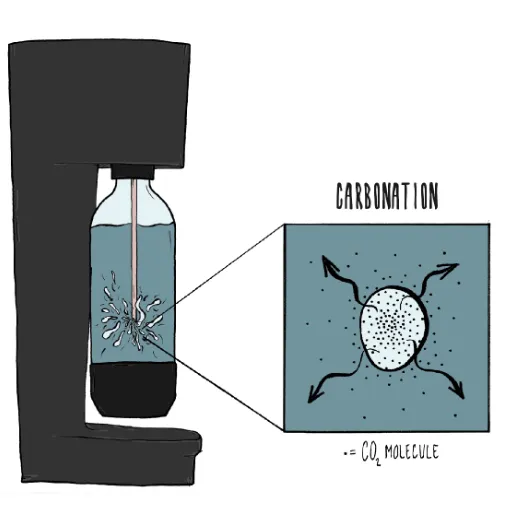
Understanding Carbon Dioxide and Its Role
Carbon dioxide (CO₂) is a very important substance in the process called carbonation that many consumers know as the main reason for the effervescence and crispness of soft drinks. During the carbonation process, CO₂ gets dissolved in a liquid under high pressure, thus forming the bubbles which not only taste good but also give texture.
⚗️ The Carbonation Process Explained:
- High-Pressure Dissolution: CO₂ gets dissolved in liquid under high pressure
- Bubble Formation: Creates the characteristic fizz and texture
- Pressure Release: When opening a bottle of soda, pressure is released
- Gas Escape: CO₂ exits the solution, forming visible and palpable fizzy bubbles
💡 Health Considerations:
Data from search engines shows that understanding the health aspects of carbonated drinks is attracting more and more people. Users are often inquiring about the safety of CO₂:
- Moderation is Key: The carbonation process itself is harmless
- Potential Issues: Overwhelming intake of fizzy drinks, particularly those loaded with sugar, may lead to dental erosion and digestive trouble for some people
- Healthy Alternative: Non-sweetened sparkling water is viewed as a hydrating and healthier option that dispels concerns about carbonation itself
How Bubbles Form in Carbonated Drinks
The bubbling process in carbonated drinks is a marvelous phenomenon that is rooted in the high-pressure introduction of carbon dioxide gas (CO₂). When CO₂, being a gas, gets into water or any other liquid, it forms carbonic acid. This chemical reaction gives the drink its characteristic slight sourness and allows the carbon dioxide to remain dissolved until the package is opened.
🫧 The Bubble Formation Process:
- Chemical Reaction: CO₂ combines with liquid to form carbonic acid
- Sealed State: Carbon dioxide remains dissolved while package is sealed
- Opening: When unsealed, pressure in container decreases
- Gas Release: Dissolved gas is set free in the form of bubbles
- Rising Bubbles: Bubbles quickly rise to the top where gas escapes into the atmosphere
Consumer Interest: Recent search engine data suggests that consumers are increasingly interested in the way smaller bubbles feel on the tongue. This has made premium carbonated beverages focus on achieving delicate effervescence by using particular levels of CO₂ and high-tech bottling methods.
Factors Affecting Carbonation Levels
Many parameters affect the carbonation of drinks and each parameter has its own contribution to the texture, taste, and overall sensory experience.
According to statistics gathered from search engines, temperature is one of the most commonly asked about factors. The mentioned factors and the complex interplay between them are indicators of both science and consumer taste guiding the development of new products in the sparkling beverages industry.
Ingredients Used in Carbonated Drinks
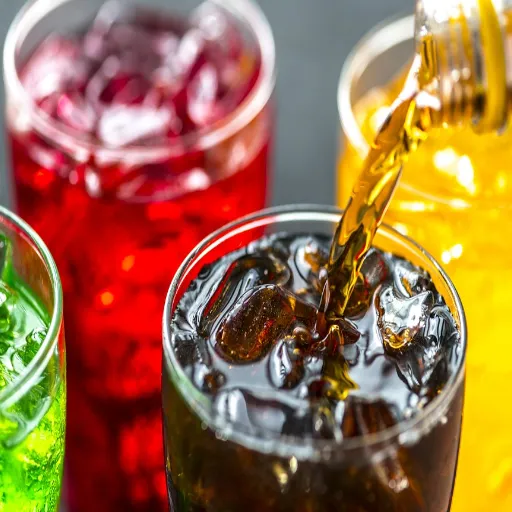
Key Ingredients in Carbonated Soft Drinks
The primary ingredients in carbonated soft drinks are those few components that in their combination yield the characterizing flavor and texture.
🧪 Essential Ingredients Breakdown:
1. Carbonated Water
The foremost ingredient, produced by dissolving carbon dioxide (CO₂) gas under high pressure. The drink gains its typical quality of fizz and sparkle through this.
2. Sweeteners
To provide sweetness, a combination of options is used:
- Natural sugars: Sucrose or high-fructose corn syrup
- Artificial sweeteners: Aspartame, stevia, or sucralose
Selection is determined by intended audience and dietary practices.
3. Flavorings
An extensive range of both natural and synthetic flavorings shape the singular taste profiles of every drink. These can range from fruity ones like cola and citrus to spiced or herbal infusions.
4. Acids
The tanginess and revitalizing characteristic are attributed to acidity. Common acids used: citric acid, phosphoric acid, or malic acid to facilitate the combination of sweetness and flavor perception.
5. Coloring Agents
Natural as well as synthetic colorings are often used to enhance visual appeal. For instance, caramel color is widely used in colas.
6. Preservatives
For lengthening shelf life and sustaining quality, preservatives such as sodium benzoate or potassium sorbate might be present.
The above constituents are not only about taste or preference, but consumers’ tastes and preferences have to be satisfied, consistency and safety have to be guaranteed throughout the world. The composition of carbonated drinks still reflects the trends of low-sugar, natural, and functional beverages, confirming the dynamic character of the industry.
The Role of Sweeteners and Flavorings
Sweeteners and flavorings are involved in carbonated drink formulation to a great extent—they are the ones whose decision comes first in the case of taste profile and marketability of the product.
📈 Current Market Trends (Based on Search Data):
Sweetener Preferences:
There is an ever-increasing interest among consumers towards natural sweeteners:
- Stevia: Plant-based, zero-calorie sweetener
- Monk Fruit: Natural sweetness without calories
- Agave Syrup: Natural alternative to refined sugar
- Reason: Consumers turning to healthier options over regular sugar and artificial sweeteners like aspartame or saccharin
Flavoring Innovations:
Flavorings are causing innovations by opening new doors with introduction of unexpected and rare combinations:
- Tropical fruit mixes
- Botanically inspired infusions
- These developments are crucial to catering to varied palates and aligning with constantly rising consumer demands for natural, low-calorie, and functional beverage options
Water Quality and Its Impact on Taste
The quality of water that goes into a beverage is the very first and probably the most important factor that will dictate what the drink ultimately tastes like. Any kind of impurity, be it a mineral, chlorine, or an organic compound, can change the flavor in the most drastic way possible.
💧 Water Quality Priorities:
Recent search engine trends reveal that more and more customers are looking for drinks made with either purified or top-quality water. Manufacturers are responding by:
- Advanced Filtration Techniques: Adopting the best possible filtration methods
- Premium Sourcing: Picking water from the most pristine areas
- Benefits: Increases flavor while gaining confidence from health-conscious and discerning customers
- Result: Guaranteed greatest flavor and product quality
The Drink Production Process
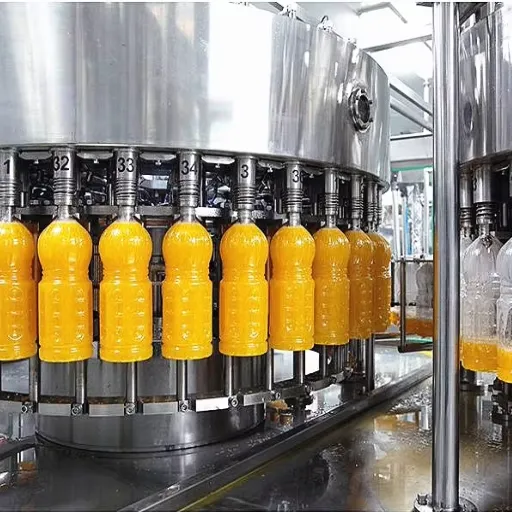
Beverage Production Process Overview
The beverage production process is a comprehensive one with different stages that manufacturers must navigate to satisfy consumer requirements and distribute the best quality of drinks. As consumers are becoming more demanding in transparency and quality of product as stated in recent search trends, brands are paying more and more attention to water quality and ingredient sourcing to sync with consumer priorities.
⚙️ Main Production Stages:
- Raw Ingredient Sourcing
- Filtration and Water Treatment
- Blending
- Pasteurization or Sterilization
- Packaging
🌱 Industry Transformation: The data not only describes the evolution of these processes but also highlights major transformation towards sustainability and premiumization. Sophisticated filtration systems provide pure water while sugar substitutes and organic ingredients are increasingly adopted. Brands are also making changes in packaging, utilizing biodegradable or recyclable materials to attract eco-friendly consumers. This alignment with consumer values mirrors the industry’s ability to adapt while demonstrating higher commitment to quality and environmental responsibility.
Making Carbonated Drinks From Start to Finish
The preparation of carbonated drinks involves a series of meticulous steps to ensure that quality and taste are consistent. Below are the steps involved in the whole procedure:
📊 Consumer Expectations: The application of search engine data alongside efficient production processes has made it clear that consumers desire not only taste and quality but also sustainability and transparency in the production of carbonated drinks. This brings forth the absolute necessity of knowledge-based practices and innovations to be in line with changing customer expectations.
Fermentation vs. Forced Carbonation
The main difference between fermentation and forced carbonation is in how carbon dioxide gets into the drinks.
| Aspect | Fermentation | Forced Carbonation |
|---|---|---|
| Process | Natural way where yeast converts sugars to alcohol plus CO₂ | Pumping drinks with CO₂ under pressure |
| Flavor Profile | Intricate, nuanced flavor profile | Consistent, predictable taste |
| Production Time | Slower, requires fermentation period | Faster, immediate carbonation |
| Common Uses | Craft sodas, natural beverages, kombucha | Commercial soft drinks, mass production |
| Consumer Appeal | Authentic, healthy, eco-friendly perception | Efficiency and product consistency |
| Production Scale | Small to medium batches | Large-scale production |
📈 Market Trend: Recent search engine data indicates that customers are preferring more to drinks made from fermentation which they perceive as real, healthy and environmentally friendly. This development points to the situation whereby the consumers are more and more attracted to the products which are associated with nature and the old ways of making them. On the other hand, forced carbonation has maintained its popularity because it is the quickest method and assures uniformity in the product, thus being the mainstay of large-scale production. The choice of technique determines the extent of flavor complexity, time of production and whether the consumer prefers natural origins or innovation.
Equipment Used in Carbonation
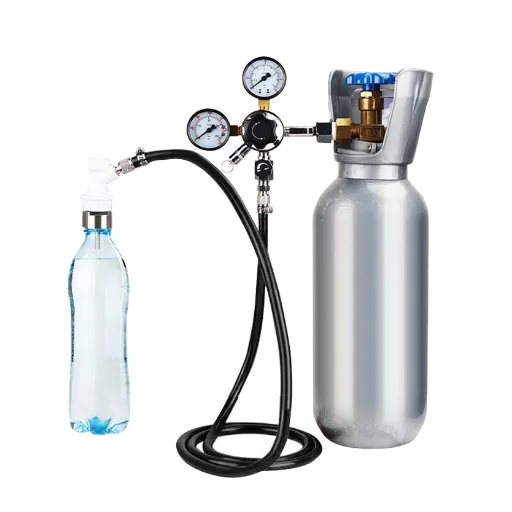
Functions of Carbonation Machines
Carbonation machines serve different purposes and can be seen everywhere from small homes to big factories.
🏠 Household vs. Commercial Carbonation:
Household Soda Makers:
- Simple and quick carbonated water devices
- Draw CO₂ from interchangeable cartridges
- Allow different levels of fizz customization
- Perfect for home enthusiasts
Commercial Carbonation Machines:
Essential For: Breweries, soda manufacturing companies, and beverage manufacturers
Integrated Components:
- CO₂ tanks
- Pressure regulators
- Chillers for temperature control
Function: Work together to maintain optimal temperature and carbonation levels for production
🌍 Industry Trend: The most recent data trends predict a rise in demand for energy-efficient and compact carbonation machines, as both consumers and industries are in the quest for sustainable options that align with today’s environmental standards.
Quality Control Equipment in Beverage Production
Quality control is an essential part of beverage production, ensuring that every single product is safe and good-tasting before being sold to consumers.
🔬 Major Quality Control Equipment:
Inline Sensors:
- pH Sensors: Monitor acidity levels
- Temperature Sensors: Ensure proper processing conditions
- Dissolved Oxygen Sensors: Track oxygen content
- Benefit: Provide continuous measurements, maintaining uniform product quality during production cycle
Automatic Sampling Machines:
- Enable real-time testing
- Decrease chances of human error
- Improve overall efficiency
Emerging Smart Solutions (Based on Search Data):
- AI-Based Technologies: Analyze and forecast product inconsistencies
- Eco-Friendly Testing Processes: Waste-reducing methodologies
- Industry Focus: Both innovation and sustainable practices in producing high-quality beverages
Advancements in Carbonation Technologies
The data from search engines clearly points at a trend where advancements in carbonation technology are going hand in hand with global industrial movements towards efficiency and sustainability.
🚀 What is the Impact of New Carbonation Technologies?
A common consumer query reveals growing interest in technological innovation. Key advancements include:
- Inline Carbonation Systems: Minimize energy use while giving perfect control over CO₂ levels, ensuring no product waste
- AI-Driven Monitoring Tools: Enable producers to find and rectify variations in real-time
- Energy Efficiency: Reduced operational costs and environmental impact
- Precision Control: Exact CO₂ levels for consistent product quality
- Sustainability Benefits: Help eco-conscious companies by supplying required solutions that are both sustainable and high quality, satisfying consumer demand
These technological advances not only improve product quality but also really help companies meet environmental goals while maintaining high standards.
Quality Control Measures in Carbonated Drink Production
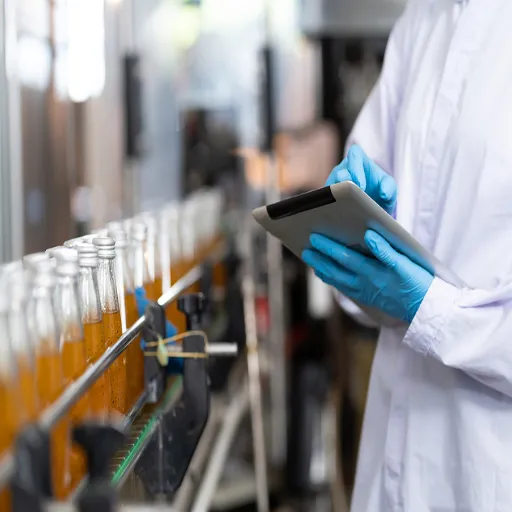
The Role of Quality Control in Soft Drink Production
The role of quality control in the production of soft drinks is quite large as it helps to maintain the safety, consistency, and consumer satisfaction of products. Manufacturers who have set very high quality standards can avoid contamination of beverages, ensure their products are in line with health regulations, and satisfy consumers.
⚡ Evolution: Manual to Automated Quality Control:
Recent developments in technology and data analysis highlight the gradual change from manual to automated quality control measures. Modern innovations include:
- AI-Based Tools: Identify production process anomalies in real-time
- High-Tech Sensors: Provide accurate carbonation measurements
- Smart Algorithms: Perfect the blend of ingredients automatically
- Results: More effective production process that meets market demands for eco-friendly and trustworthy products
Testing for Consistency and Safety
Consistency and safety of product are main priorities for manufacturers in the food and beverages, pharmaceuticals, and consumer goods industries. Companies through search engine trends are combining latest data insights and using predictive analytics and real-time monitoring to prevent potential problems.
🤖 How Can Automated Systems Elevate Safety Standards?
This is a frequently asked question in the industry. The answer includes:
- Data Processing Capability: Process hefty amounts of operational data instantaneously
- Anomaly Detection: Spot irregularities at once before they become issues
- Product Protection: Safeguard products throughout production
- Consumer Trust: Build confidence through demonstrated transparency and reliability
The adoption of these technologies by organizations can lead to a win-win situation of protecting their products while gaining consumers’ trust.
Standards for Carbonated Drinks
The standards for carbonated drinks are formulated to safeguard consumers’ health, keep products consistent, and ensure that manufacturers are following hygiene guidelines. The rules vary with geographical area but most of the time include restrictions on allowable ingredients, degree of carbonation, necessity of labeling, and specifications of packaging.
| Region | Regulatory Body | Key Responsibilities |
|---|---|---|
| United States | Food and Drug Administration (FDA) | Regulating food additives and sanitation standards |
| Europe | European Food Safety Authority (EFSA) | Setting up safety standards for food and beverages |
📋 Rising Consumer Demand for Transparency:
Recent reports say consumers’ requests for transparency are rising, leading to stricter regulations concerning:
- Disclosure of ingredients
- Sugar content labeling
Compliance Solutions: Manufacturers’ compliance with dynamics of regulations is facilitated by presence of real-time data monitoring and quality assurance through automated systems, which not only ensure required standards are met but also help in building consumer trust.
Frequently Asked Questions (FAQ)
❓ What is the science behind carbonation in carbonated beverages?
Carbon dioxide gas dissolution in the liquid is the main factor of the science behind carbonation. When carbon dioxide gas is pressured, it mixes with the liquid, dissolves, and gets changed into carbonic acid, which is the source of the drink’s bubbling and tingling feel. If the drink is packaged in a bottle, once the cap is loosened, the gas bubbles that were dissolved in the drink automatically come out, forming the bubbles you see. This whole process not only provides the drink with fizz but also enhances the taste, thereby creating a refreshing feeling which is the foremost reason why many people go for soft drinks. The quantity of carbon dioxide that is put in controls the extent of carbonation needed, and this varies from one soft drink maker to another.
❓ How are the ingredients used in carbonated soft drinks combined?
The making of carbonated soft drinks starts with the production process involving blending the main ingredients together: water, sweeteners, flavors, and carbonation. Water is the most significant component, frequently treated to ensure its quality and taste. Sweeteners, whether sugar or artificial ones, are added in such a way that the intended flavor profile is achieved. Natural flavors, such as fruit extracts or aromatic compounds, are then added. Finally, CO₂ is mixed in to make a drink that is just the right amount of fizzy. Each stage of the ingredient mixing is important for the quality and uniformity of favorite carbonated drinks.
❓ What role does carbon dioxide play in the production of soda?
Carbon dioxide is a very crucial element in the soda-making process as it is the primary source of gas in drinks which most of the consumers really like. The instant carbon dioxide gets incorporated into the drink is when a soda is born; carbon dioxide remains in the liquid and gives it a nice chill and refreshing taste. Nonetheless, as soon as the bottle is opened, the carbon dioxide escapes very fast which to our senses is the signal of the enhancement of the drinking experience. Moreover, carbon dioxide also modifies the drink by adding acidity, thus affecting the flavor of the final product. It is for this reason that the monitoring of the carbon dioxide level is of utmost importance to the manufacturers who want to create soft drinks with their desired taste.
❓ Are there different methods of carbonation in the beverage industry?
Indeed, the industry employs many ways to carbonate drinks. One of the most prevalent techniques comes down to pressurizing the liquid and injecting carbon dioxide into it, which speeds up and secures the process of carbonation. Fermentation is another technique, and it is natural in that yeast ferments sugars in the drink, producing carbon dioxide incidentally. Such a fermentation process can impart peculiar tastes and is often employed in crafting sodas. Also, some companies rely on the use of carbonation stones or other specialized devices for the purpose of promoting the dissolving of carbon dioxide in the liquid, thereby getting a uniform and pleasant fizz throughout their products.
Reference Sources
-
A Guide to Carbonating Beverages at Small Scale
Published by the University of Florida’s IFAS Extension, this guide discusses the forced carbonation process in detail.
Read more here. -
Rapid De-Carbonation in Canned Carbonated Soft Drink
A research paper from Rutgers University Libraries, focusing on the commercial filling process and CO2 introduction.
Read more here. -
Bubbles in Soda | The Engines of Our Ingenuity
Hosted by the University of Houston, this article explains the science behind carbonation and bubble formation.
Read more here.

GW
Articles: 39
Trending now