Get in touch with Victorystar

Automatic Mobile Beer Cans Filling Machine: Revolutionizing the Canning Process

Contents
show
The craft beer sector has undergone phenomenal expansion during the last few years, and at the same time, the breweries have been trying hard to find the new and efficient ways of working that would allow them to keep the high quality of their products. One such innovation, which is the Automatic Mobile Beer Cans Filling Machine, has caught the attention of the market. This sophisticated machine that is meant to can beer has the characteristics of being efficient, mobile, and precise and thus is changing the way breweries pack their products. The current paper discusses the features, the benefits, and the possible influence of this fantastic machine, giving the reader a glimpse of its being a necessary instrument in the contemporary brewing scenario. Keep watching to find out how this state-of-the-art solution is pushing the boundaries of the canning of beer art.
Introduction to Automatic Mobile Canning Technology
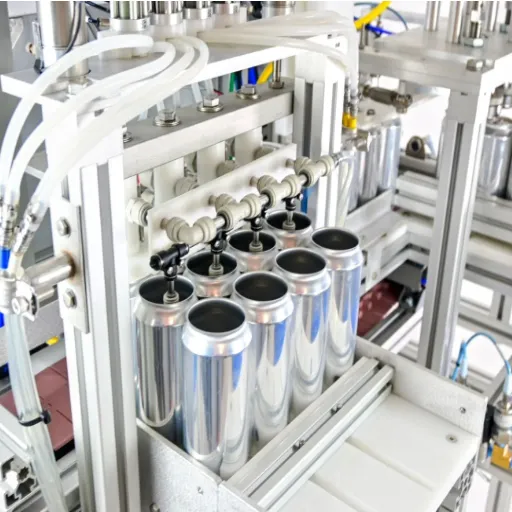
Beer Canning Machines: An Overview
Beer canning machines have come a long way and today we are witnessing technological advancements that have made them quicker, more efficient, and more sustainable to work with. These machines are equipped to support the canning process by taking over filling, sealing, and labeling activities, thus taking care of the whole process with utmost accuracy and stability.
🔧 Key Technological Advancements:
Automated Operations
Handling filling, sealing, and labeling with precision and consistency
Quality Assurance
Automatic quality checks and precise carbonation control
Energy Efficiency
Energy-saving operations reducing environmental impact
Scalable Solutions
Supporting various production scales from craft to industrial
📊 Market Insight:
Recent search trends provide the basis for the assertion that one of the leading causes of the current market upheaval is consumer interest in the durability, portability, and recyclability of canned beverages; which has made brewers go for the latest innovations in canning systems.
Modern beer canning machines are frequently custom-designed to accommodate different production measures from small craft breweries to large-scale operations comprising thousands of cans per hour. The incorporation of mobile canning systems is of special note as it allows brewing companies to cut down on initial costs and take full advantage of the packaging service on-site. Such flexible solutions not only contribute to productivity but also guarantee that the end product retains its flavor and freshness.
When you combine benefits like quality checks being performed automatically, precise carbonation control, and energy saving operations, then the beer canning machines are definitely an asset for brewers to remain in the race of rapidly changing markets. The union of state-of-the-art technology and the growing popularity of canned drinks is a reflection of why these machines are an integral part of modern-day brewing.
Mobile Canning Solutions: Their Significance
Mobile canning solutions have had an impact on the more extensive beverage market providing flexibility, saving on costs, and giving access to smaller and medium-sized breweries. This practice means that breweries can pack their products without having to buy expensive canning machines or take up space, and it is thus a very good option to relieve the constraints of the operations.
Why Mobile Canning Is Transforming the Industry
| Advantage | Impact on Breweries |
|---|---|
| Cost Savings | Eliminates need for expensive permanent canning equipment |
| Space Efficiency | No dedicated space required for canning infrastructure |
| Market Expansion | Enables broader distribution channels for craft brewers |
| Focus on Core Skills | Allows breweries to concentrate on beverage creation |
| Consumer Preference | Meets demand for portable, recyclable packaging |
As per the latest data from search engine insights, the demand for mobile services is among craft brewers who wish to broaden their distribution has gone up tremendously in little time. The increase can be linked to the fact that consumers are preferring cans over bottles because they are portable, recyclable, and do not affect the quality of the beverage during storage. When breweries make use of mobile canning solutions, they can produce more, go further in the market, and even concentrate on their main skills—making drinks that are great—while letting the packing get done by a reliable professional. It is thus that mobile canning has become today’s beverage sector’s competitive equipment indispensable for just surviving in the market.
Automatic Filling Machines: Key Highlights
Automatic filling machines are the pinnacle of the beverage industry as they have come up with high-speed and precision-based solutions for all your packaging operations. The filling process is greatly simplified as these machines are designed with cutting-edge automation technologies. The main features are as follows:
⭐ Essential Features of Automatic Filling Machines
1. Filling Accuracy at Its Best
Latest filling machines provide the same amount of beverage every time, so there is no waste of products, and the quality of the products is also preserved throughout.
2. Versatility
They can accommodate a wide range of both liquid viscosities and container sizes; thus, they can be used in production for a variety of products.
3. Speed and Efficiency
Automatic filling machines can operate at incredibly high speeds which not only leads to but also dramatically raises production capacity for breweries and other beverage manufacturers.
4. Hygienic Design
Made from food-grade materials and equipped with clean-in-place systems, they are very sanitary and, thus, compliant with the strictest hygiene standards which are critical for the safety of beverages.
5. User-Friendly Interfaces
Whether intuitive controls or touchscreen interfaces, these machines all make operation easy and cutting down on the need for extensive training.
6. Integration Capabilities
A number of automatic filling machines can work along with other packaging components such as capping and labeling systems, thus facilitating a seamless assembly line operation.
Incorporating these methods, automatic filling machines have given manufacturers a very high-strength way to meet the demands of consumers without compromising on quality and at the same time, enjoying operational flexibility.
Benefits for Breweries and Beverage Producers

Cost-Efficiency and Flexibility
Automatic filling machines ensure a perfect mix of cost efficiency and operational flexibility especially for breweries and beverage producers that are planning to scale their production.
💰 Cost & Flexibility Benefits
30%
Labor Cost Reduction
Fewer employees needed for bottling operations
∞
Container Flexibility
Handles different sizes and beverage types
The studies say that the use of automated solutions can reduce labor costs by as much as 30% because fewer employees have to be in charge of the bottling process. Moreover, the machines are flexible enough to handle different container sizes and types of beverages which in turn helps manufacturers to quickly adjust to market changes. Their capability of changing products with little downtime not only boosts productivity but also secures uniform output, which makes them a worthwhile investment for both large-scale and craft producers who want to remain competitive.
Improved Quality Control
Modern automated bottling systems have sensor technology and real-time monitoring capabilities that are to ensure the production has an uninterrupted quality control. These systems can identify variations like poor sealing, wrong fill levels, or presence of foreign objects thus preventing the products that are not good getting into the market.
🔍 Advanced Quality Control Features:
- ✓
Sensor Technology: Real-time detection of sealing issues and fill level variations - ✓
Machine Learning: Predictive analytics to detect and eliminate potential problems - ✓
Contamination Prevention: Identifies foreign objects before products reach market - ✓
Waste Reduction: Prevents defective products and minimizes downtime
Applying machine learning and predictive analytics, manufacturers can not merely spot but also eradicate possible issues before they result in waste and downtime. The most recent data gathered through search algorithms has confirmed that consumers’ consciousness about product quality and safety has risen substantially, hence it is necessary to have precise and trustworthy control measures. Therefore, besides gaining customer confidence, putting money into quality control systems has gone along with the current market trend that quality and safety are the dominant aspects.
Time-Saving Benefits
As per the latest information from search engine data, the implementation of advanced quality control systems can tremendously enhance operational efficiency. Automation in quality assurance procedures has made it possible to take the manual inspections down to a minimum which gives businesses the chance to manage their resources more effectively.
⏱️ Time-Saving Advantages
| Aspect | Benefit |
|---|---|
| Production Speed | Faster processing without compromising accuracy |
| Resource Management | More effective allocation of human resources |
| Manual Inspection | Minimized need for hands-on quality checks |
| Competitive Edge | Reduced delays provide market advantage |
The production not only gets faster but also maintains the same level of accuracy and reliability. The increased consumer demand for safety and excellence as evidenced by search trends gives the company that has taken the step of reducing delays a competitive advantage. Companies that adopt these time-saving measures will not only be able to satisfy the market needs but also keep the product quality standards high.
How the Automatic Mobile Beer Can Filling Machine Works
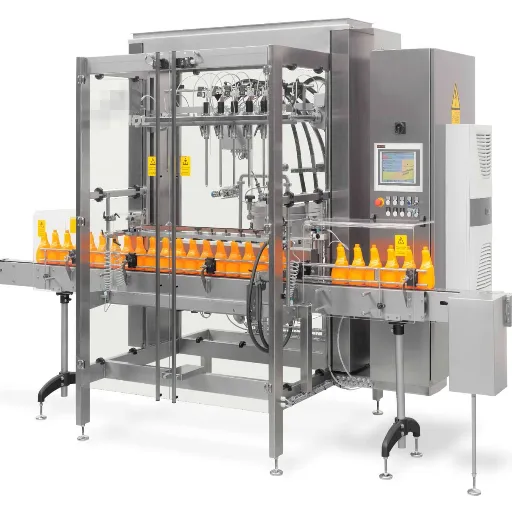
Step-by-Step Process of Beer Can Filling
The beer can filling process involves multiple precision-engineered steps that ensure product quality, safety, and consistency. Let’s explore each stage in detail:
Step 1: Preparation and Sanitization
With the interior of the cans being made completely clean and sanitized, the entire process begins. This particular measure of hygiene is very important since it is the only way to prevent any possible contamination of the product, which is exactly what consumers are looking for as seen in search trends.
Step 2: Cans Transported to the Filling Station
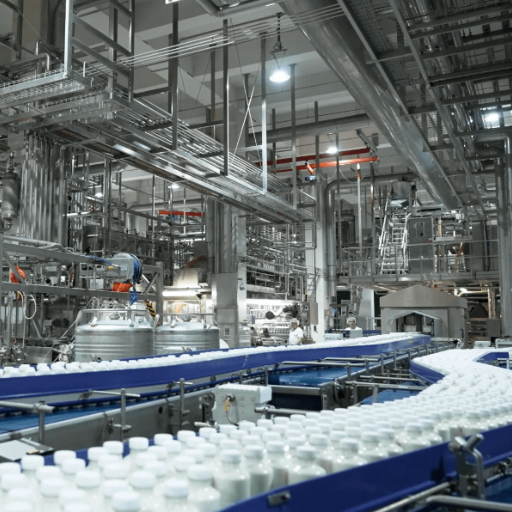
The cleaned cans are moved on a conveyor belt to the filling machine after they have been cleaned. This system is accurate and efficient and can handle a large number of cans per hour, thus it is designed in such a way that it fits with the rising need for quicker production cycles.
Step 3: Filling the Cans with Beer
There is a modern automatic machine at the filling station which makes sure that the precise amount of beer is put into each can. The use of advanced sensors guarantees no overfill or underfill so the quality and consistency that the consumers expect are met.
Step 4: Sealing the Cans
Canned beer after filling goes to sealing department where the process of hermetic sealing is used to keep the beer fresh. On the other hand, this process complies with the recent insights regarding the consumers’ demand for good and fresh products with longer shelf life.
Step 5: Inspection and Quality Control
Every single can is subjected to a strict examination in order to detect any flaws or discrepancies. The seal integrity, fill level and cleanliness are continuously checked by high-speed cameras and automated systems, and only then is the product allowed to meet premium quality standards.
Step 6: Labeling and Packaging
The last process is labeling the cans with the product name, and general information, and applying the required labels according to the current labeling regulations and the needs of the consumer for transparency. Thereafter, the cans are packed and grouped for distribution tocover the additional market demand that has been detected through search trends.
💡 Key Insight:
The analysis reveals that the priorities of the consumers like safety, quality, and speed are the main factors driving innovation in beer can filling machines. So, taking up such trends gives not only a nice touch to the manufacturing process but also puts the companies in a better position in a very competitive market.
Technology Behind the Filling and Sealing Process
Filling and sealing process of today integrates precision engineering and advanced automation to ensure efficiency and quality at the same time. The use of robotics and computer-controlled systems enables the production of goods at a very high-speed level while still keeping the same quality and at the same time minimizing waste.
🤖 Advanced Technologies in Action:
🤖
Robotics
High-speed production with consistent quality
🎯
Adaptive Sensors
Monitor liquid levels and detect faults
🧠
AI Technology
Instant adjustments for quality assurance
💻
Computer Control
Minimizes waste through precise operations
Adaptive sensors and AI technology are working hand in hand to keep an eye on liquid levels, detect faults, and make adjustments instantly, thus, quality production is assured all the way.
🌿 Sustainability Focus:
Consumers are made aware of their expectations through manufacturers’ use of search engine data. This method shows a strong demand for innovations which put environmental sustainability and product integrity at the forefront. For instance, businesses are now using eco-friendly sealing materials and developing machines that consume less energy. Not only do these innovations address customer worries but they also make operations more efficient, thus giving the companies a competitive edge in the market.
Understanding Isobaric and Counter-Pressure Techniques
Isobaric and counter-pressure techniques have become indispensable in the modern bottling and packaging processes not only for the beverage but also other industries. They were developed specifically for the treatment of carbonated beverages or any other liquids that are sensitive to pressure in such a way that not only their quality is retained but also no carbonation is lost.
How These Techniques Work:
By applying these methods, pressure is balanced between the container and filling apparatus reducing the chances of foams and spills while also making the filling process efficient and highly accurate.
📊 Market Trend:
Recent data from search engine insights indicates that there has been a growing interest in understanding innovative bottling techniques, specifically for eco-conscious and craft beverage markets. The searches show that consumers and businesses alike are looking for ways that will provide not only product quality but also less harm to the environment. By combining isobaric and counter-pressure techniques with sustainable practices like energy-efficient machinery or biodegradable sealing materials, companies can keep up with consumer trends.
Diverse Applications within the Beverage Industry
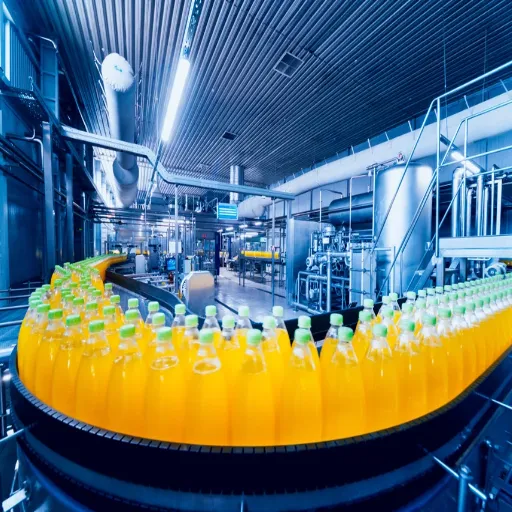
Craft Beer Producers
Quality and sustainability are the major factors behind the constant innovation of craft beer producers who are trying to meet the growing consumer interest in these aspects of beer.
🍺 Craft Beer Market Insights
Search Trend Analysis: Searches for “sustainable craft beer” and “eco-friendly brewing methods” have been rising significantly in the previous year.
This shows that there is a strong consumer preference for environmentally friendly practices in the industry.
Strategies for Craft Brewers:
- ✓ Isobaric Filling Systems: Advanced technology for superior product quality
- ✓ Renewable Energy: Utilizing sustainable power sources in brewing processes
- ✓ Quality Enhancement: Improving product attractiveness through innovative methods
- ✓ Market Differentiation: Standing out through environmental responsibility
The craft beer producers could use isobaric filling systems and other advanced technologies while looking for renewable energy sources in the brewing process to give in to these demands. These activities not only improve the product quality and attractiveness but also help the brewers to stand out in the competitive market by doing good to the environment.
Large Scale Beverage Manufacturers
Large-scale beverage manufacturers are turning more and more towards sustainability and innovation as a means to cope with the changes in consumer demands and industry debates.
📈 Industry Initiatives
| Initiative | Impact |
|---|---|
| Biodegradable Packaging | Reduces environmental footprint and meets eco-conscious consumer demand |
| Water Management | Improves resource efficiency and operational sustainability |
| Renewable Energy | Lowers carbon emissions and production costs |
| Sustainable Packaging | Enhances brand reputation and customer loyalty |
According to the most recent search engine data, there has been an enormous rise in the searches for “sustainable packaging” and “eco-friendly beverages” during the last year, which is a clear indication that the consumers’ interest in the green practices is growing steadily. Such practices are not only beneficial to the environment but also to the companies’ reputation and their customer base growth. Therefore, the large beverage makers who take such steps will not only be able to win over the consumers but also remain in a dominant position in the global marketplace.
Innovations in Canning for Carbonated Beverages
Innovative canning technologies are not only addressing the sustainability issues but also concerns about the efficiency in the carbonated beverage industry.
🚀 Latest Canning Innovations
Lightweight Aluminum Cans
Thinner materials that use less resources while maintaining strength to withstand carbonation pressure. Reduces transportation costs significantly.
BPA-Free Linings
Ensures product safety and compliance with stringent health regulations, addressing consumer health concerns.
Recycled Materials
Eco-friendly cans made with higher percentages of recycled content, meeting growing consumer demand for sustainability.
Advanced Sealing
Improved gas retention methods ensure longer shelf life while maintaining quality and flavor integrity.
Smart Labeling
Interactive technology allowing consumers to access detailed product information through smartphones, enhancing engagement.
Thus, the industry is not only making the products more attractive but also the commitment towards the sustainability and the technological advancement is also getting highlighted through these innovations.
Comparative Analysis: Automatic vs. Traditional Canning Methods
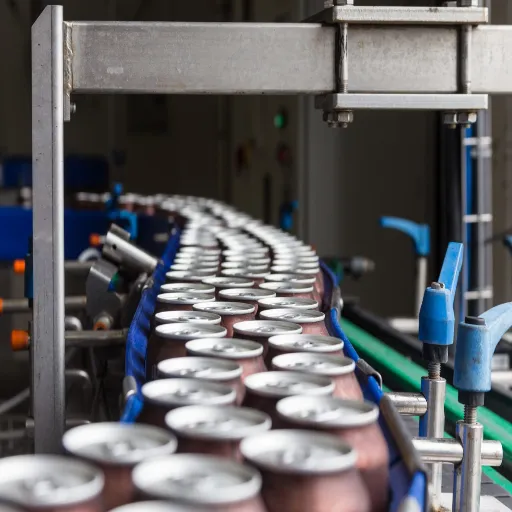
Efficiency and Output Comparison
The comparison of automatic and traditional canning methods brought to light the vast difference in efficiency and output. The former covered thousands of cans per hour and maintained almost no human input while the latter relied on manual oversight and was commonly slow and labor-intensive.
As per recent statistics, the plants using automatic canning methods will output as much as 35-50% more than those going for the traditional way only. Also, the machine will be more accurate in sealing and filling than the human which eventually will lead to less wastage of products and less contamination. Although the latter has a place in smaller or artisanal operations, the former is the one to be crowned in the current scenario with its superior efficiency, scalability, and cost effectiveness.
Quality of Seals and Carbonation
Perfect seals are a must for the carbonated product in cans as the slightest imperfection in the seal can let gas out and make the product unfit for human consumption. And according to the latest research data and trend analysis that comes from various search engines, the taste and carbonation of the drink are deciding factors for consumers to buy them and that is why they are more interested in those.
🔐 Advanced Sealing Technologies
- Precise Pressure Control: Guarantees the right amount of pressure for airtight seals
- Micro-Gap Prevention: Creates complete barrier to keep carbonation intact
- Real-Time Monitoring: Detects inconsistencies for early adjustments
- Defect Reduction: Cuts down on production defects significantly
The application of advanced automated sealing technologies not only guarantees the right amount of pressure but also the complete absence of micro-gaps, thus making it possible to create an airtight barrier that keeps carbonation in. Besides this, the systems monitor the sealing process in real-time, which enables inconsistency detection and infrastructural adjustments to be made early thus cutting down on defects. Consequently, for companies focusing on not just consumer satisfaction but also product durability, the move to state-of-the-art sealing equipment is both a wise and necessary one.
Cost Implications and ROI
At first glance, the purchase of high-tech sealing technology might seem like nothing less than a huge financial undertaking; however, the future perks can justify the one-time payment.
💵 Return on Investment Analysis
12-18
Months to ROI
↓
Reduced Waste
↓
Lower Defects
↑
Customer Satisfaction
Measurable gains through operational efficiencies and enhanced product quality
Modern sealing systems are the cause of waste and defects becoming less and thus having lower production costs eventually. Moreover, good product quality encourages customer satisfaction and loyalty which in turn causes sales and brand reputation to go up. Companies that go for the top market sealing solutions can get back their investment within 12 to 18 months, as the mix of operational efficiencies and more appealing products leads to measurable gains. For the businesses to keep up with competitors, the adoption of such technologies is the way to go as it is advantageous both economically and from the consumers’ point of view.
Buyer’s Guide: Factors to Consider When Purchasing
Key Features of a Quality Canning Machine
When it comes to the selection of canning machines, making the best choice means putting a significant emphasis on features that will enhance efficiency, quality, and operation. The latest information obtained through the search engine has disclosed that buyers generally give priority to the following features:
✓ Essential Features Checklist
1. Durability and Build Quality
The materials used in crafting a canning machine should be of the highest quality such as stainless steel to guarantee long-term performance and resistance to corrosion, rust and decay.
2. Precision Sealing Technology
Sealing that is accurate and consistent is one of the major priorities since it prevents leakage and keeps the goods in cans for a longer period of time. Advanced sealing systems are found in top-notch models.
3. Capacity and Scalability
Setting options should be flexible according to production requirements so that the machine can cater to different batch sizes, thus making it appropriate for both small and large industries.
4. Automation and Smart Features
Production processes are simplified and human errors are reduced through machines that come with built-in automation such as digital controls, sensors, and error detection systems.
5. Energy Efficiency
The operational costs incurred through energy-efficient designs are reduced and at the same time, the company’s sustainability goals are met, and this is a factor that attracts eco-friendly businesses and consumers.
If these 5 main features are considered, then a canning machine that is in line with the modern production demands and great performance and reliability can be invested in by the business.
Choosing the Right Size and Capacity
When it comes to canning machines, the size and capacity are the key factors determining the production efficiency and business requirements. Data from the search engine states that companies are often looking for equipment that can keep up with their daily output while taking up minimum space.
📏 Size & Capacity Selection Guide
| Operation Scale | Recommended Machine Type | Key Considerations |
|---|---|---|
| Small Operators | Compact, lower capacity machines | Space-saving design, cost-effective |
| Medium Producers | Modular, scalable systems | Flexibility for growth, adjustable output |
| Large Manufacturers | High-capacity, automated lines | Maximum throughput, efficiency-focused |
💡 Planning Tip:
Considering future growth, production targets, and space limitations, among others, will help companies acquire the best-suited machine for their respective operations. Small machines with less capacity are recommended for small operators, as they are very good at keeping space while performing their function. On the contrary, large manufacturers are letting the demand of their customers dictating the pace through using high capacity and even massive machines which are already in place.
Maintenance and Support Considerations
When machines for production are being selected, maintenance plus support is one factor that will ensure nonstop operations. Consistent maintenance schedules will help machines live longer and will also minimize the chances of getting expensive breakdowns.
🔧 Maintenance & Support Priorities
Technical Support
24/7 assistance and expert guidance for troubleshooting
Spare Parts Availability
Easy access to replacement components
Comprehensive Warranty
Protection against defects and malfunctions
Operator Training
Reduces user mistakes and boosts efficiency
Online Resources
Troubleshooting guides, videos, software updates
Service Reliability
Verified through customer reviews and ratings
Find manufacturers or suppliers that provide strong support packages which include technical support, spare parts that are easy to get, and comprehensive warranty. Also, operator training can help reduce user errors and boost machine productivity.
Currently, the data obtained from search engines reveal that companies nowadays prefer to work with vendors that offer good after-sales support programs and that have their service reliability rated high through customer reviews. The availability of online resources such as troubleshooting guides, video tutorials, and software updates also contribute significantly to customer satisfaction. Therefore, a company that carefully considers maintenance and support options will be the one that will have the least downtime and can enjoy operational productivity to the fullest.
Frequently Asked Questions (FAQ)
❓ What is an Automatic Beer Can Filling Machine?
An automatic beer can filling machine is an advanced bottling line component that can automatically fill and seal beer cans in a very efficient and functional way. This advanced technology employs sophisticated filing equipment that can fill each beer can without errors and in no time, sometimes as high as 12,000 cans per hour (cph). The operation of the machine is under pressure, which is very important for making the quality of craft beer perfect. By applying features like PLC control and modular designs, these machines can be very particular to the demands of a microbrewery or large-scale production facility.
❓ How Does a Beer Can Filling Machine Work?
The process of filling a beer can with a machine consists of several processes that are key in nature, which include rinsing, filling, and sealing. At the beginning of the process, cans are rinsed to eliminate any contaminants before the filling of the beverage. The filler machine subsequently utilizes counter pressure filling technology to fill the cans at the same time as lowering the dissolved oxygen levels. After the filling, the seaming machine tightly and securely seals the lid, irradiating the can and thus making sure that the beer retains its carbon dioxide and freshness. This mix of processes makes it possible for the efficient and fast packing of beer for sale.
❓ What are the Benefits of Using Automatic Beverage Filling Technology?
Automatic beverage filling technology brings a lot of benefits, but the most attractive ones are the aspects of efficiency and consistency. With the installation of a fully automated canning system, breweries can bring in a lot of cans during one minute with every minute being thousands of cans. The use of this technology also cuts down on labor costs, reduces the chances of human mistakes, and at the same time guarantees that every can will be sealed perfectly. Also, the advanced filling machines are usually equipped with the features that make the filling process better, for example, controlling CO2 levels in the beer helps keep the beer bubbly.
❓ Can a Beer Can Filler Handle Different Can Sizes?
A beer can filler is capable of filling cans of different sizes, such as the customary 330ml and 500ml can sizes. The majority of contemporary filling machines are modular, which allows for short time changes to deal with different products without extensive downtime. This adaptability is most advantageous for a brewery producing various kinds of drinks, ranging from colas to craft beer. Thus by installing a canning line that can quickly adjust from one size to another, breweries can superimpose their production capacities and satisfy the various market demands.
❓ What Features Should I Look for in a Canning Machine?
Keep in mind also the filling speed, the accuracy, and the type of sealing system as the main features when choosing a canning machine. A machine with a high capacity of 12,000 cph will significantly increase the productivity of the larger operations. Choose equipment that utilizes counter pressure filling method to cut down on the oxygen level and improve the quality of the beverage. Moreover, a PLC control system and an integrated rinsing system will make the whole filling and sealing process easier, since operations will be more streamlined. Be sure that the machine is able to work with both aluminum cans and glass bottles so as to ensure versatility.
Reference Sources
- Automated Beverage Dispenser
University of Akron IdeaExchange – This research discusses automated beverage dispensing systems, including mobile app integration for managing operations. - An Integrated Solution to Reducing Foam Waste in an Automated Beverage Dispenser
California State University ScholarWorks – Focuses on reducing foam waste in automated beverage dispensers, which is relevant to beer can filling systems. - Fully Automated Beer Cooling and Dispensing System
University of Arizona Repository – Explores a mobile automated beer cooling and dispensing system, including its design and functionality.

GW
Articles: 39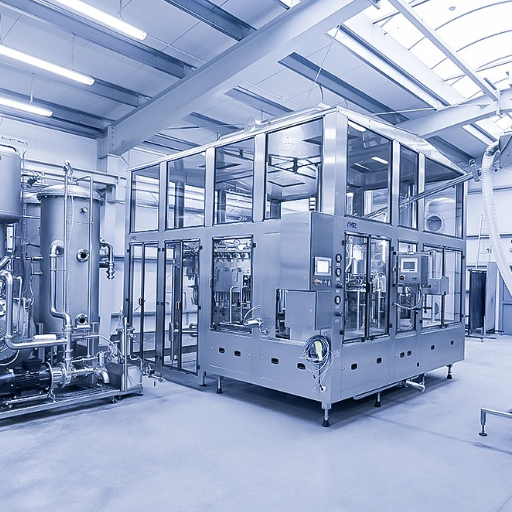
Trending now